





 Português
  Inglês
  Espanhol
  2 min de leitura


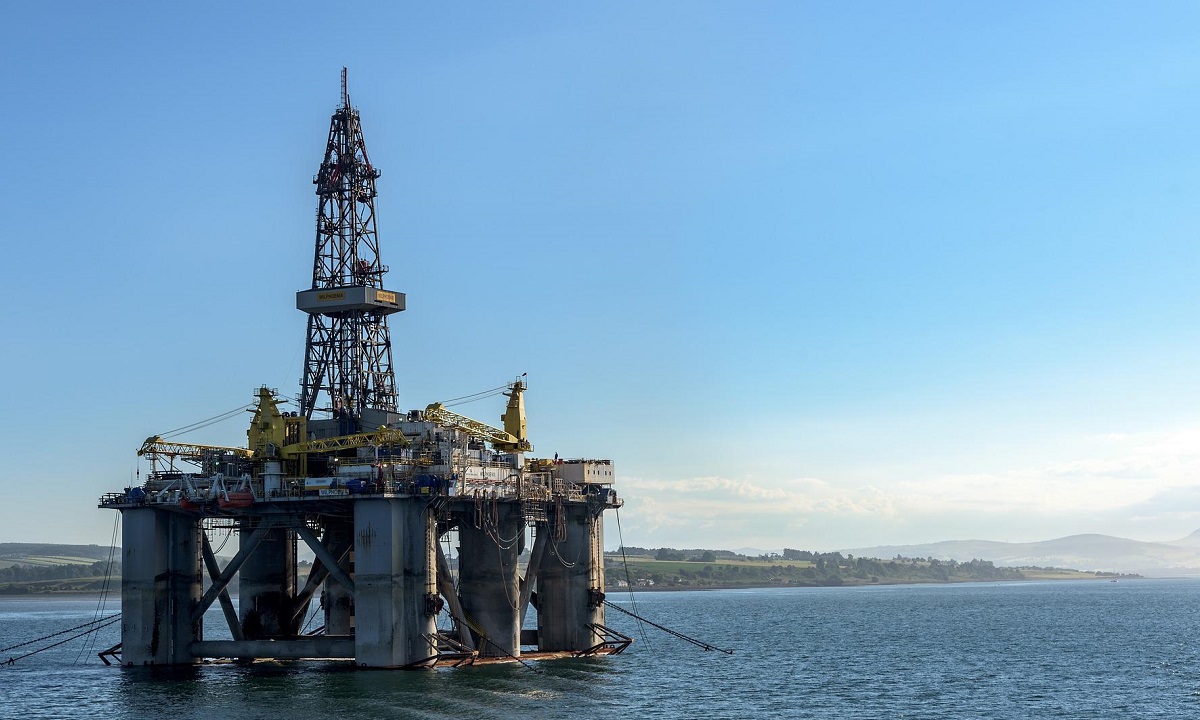
The Negotiation for Offshore Oil and Gas Exploration Services in Congo and Angola Has Been in Progress for About 15 Years Between the Countries and Chevron
The offshore block, known as Block 14, is operated by Chevron Angola and holds a 31% stake in the Angolan area and a 36.6% stake in the Congolese area. The agreement will allow Chevron and its partners to develop and produce oil in the region for the next 30 years.
The agreement was signed with the authorities of both countries, including Angola’s National Agency for Oil, Gas and Biofuels (ANPG) and the Ministry of Hydrocarbons of Congo. Chevron has a long history of operations in the region and has produced more than 2 billion barrels of oil in Block 14 since it began operating in the area in 1999.
The oil agreement is a significant milestone for both countries, as it will allow for the continued development of the offshore oil and gas sector in the region and contribute to the economic growth of Angola and Congo. However, oil exploration also has a significant impact on the environment, and it is important for energy companies to operate responsibly to minimize negative impacts.
-
Offshore industrial demand in Macaé skyrockets with the recovery of oil and gas and could grow by up to 396% by 2026 in the Campos Basin.
-
Offshore industrial demand in Macaé surges with the recovery of oil and gas and could grow by up to 396% by 2026 in the Campos Basin.
-
Brazilian giant expands borders in the Southeast: Petrobras confirms new oil discovery in ultra-deep waters in the pre-salt of the Campos Basin.

-
Alert in the global energy market: Severe tropical cyclone hits the coast and disrupts gas production at major plants in Australia, threatening global supply.


Understand How the Partnership Between Chevron and the Governments of Angola and Congo for the Development of the Offshore Block Was Established
The partnership between Chevron and the governments of Angola and Congo was established through oil production sharing agreements. These agreements are common in the oil and gas industry and allow a private company, such as Chevron, to explore and produce oil in a certain country in exchange for a share of the production and the payment of taxes and royalties to the local government.
In Angola, Chevron has been a major player in the country’s oil industry since the 1950s. The company operates in several oil fields in Angola, including the Cabinda oil field, which is the largest onshore oil field in the country. Cheron operates in partnership with Angola’s state oil company, Sonangol, and with other international companies.
In Congo, Chevron has a smaller presence but also operates in partnership with the local government. The company holds a 31.5% stake in the Nkossa oil field, which is located off the coast of Congo and is operated by Total.
In both countries, Chevron has been involved in corporate social responsibility initiatives, such as community development, education, and health programs. The company is also required to comply with strict environmental and safety standards in its oil operations.









Seja o primeiro a reagir!