Portuguese
  Spanish




Metamaterials Are Among the Technologies with the Greatest Impact in Recent Years, and Innovation Reaches Concrete
Metamaterials are artificial materials created by humans that have properties not found naturally in common materials. These materials are designed to have properties that can be altered to control the propagation of light, sound, heat, and even electromagnetic waves, such as those used in telecommunications.
Metamaterials have applications in a wide range of fields, such as telecommunications, medicine, optics, and energy. For example, metamaterials can be used to create ultra-thin and lightweight lenses for cameras and telescopes, as well as to create more efficient antennas for transmitting radio and television signals.
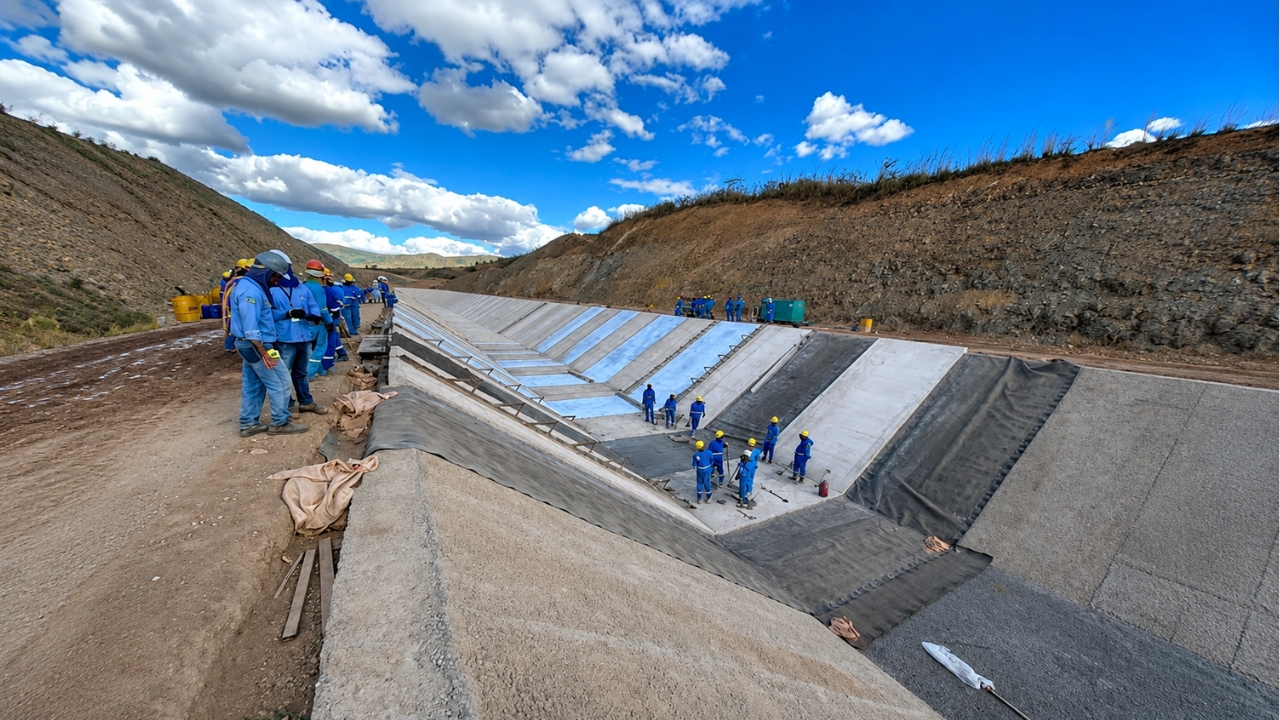
Currently, some research is being conducted to apply metamaterial technology to concrete and civil construction.
-
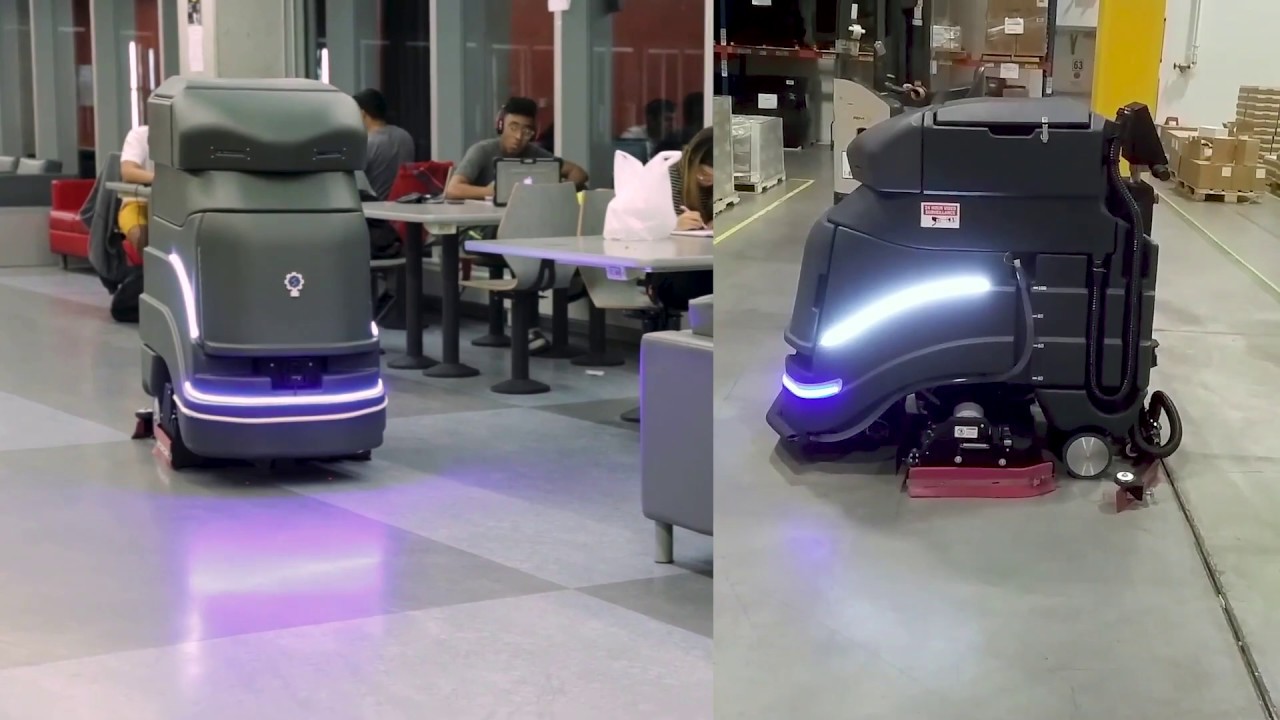
Are Cleaning Staff in Large Buildings Becoming Obsolete? Autonomous Robots Now Clean Airports, Hospitals, and Shopping Centers for Hours, as Companies Invest in Automating Repetitive Tasks

-
Giant Robots Build Entire Neighborhood of 100 3D-Printed Homes in the U.S., Showcasing Technology’s Impact on Construction Industry
-
Helsinki Residents Receive Water That Travels 120 Kilometers Through a Hidden Rock Tunnel from a Lake Before Treatment

-
Xiaomi Launches Compact Photo Printer with Bluetooth, Extra Black Ink, and Augmented Reality Photo Printing



Meet Metaconcrete: Application of Metamaterial Technology to Civil Construction
According to Professor Amir Alavi, from the University of Pittsburgh, “The massive use of concrete in our infrastructure projects implies the need to develop a new generation of concrete materials that are more economical and environmentally sustainable, but that offer advanced functionalities. We believe we can achieve all these goals by introducing a metamaterial paradigm in the development of construction materials.”
The professor has already developed other self-aware metamaterials, and this time they use the same principles to apply the technology to concrete, allowing the material to be specifically designed and constructed for its purpose.
Thus, metaconcrete is a promising alternative to conventional concrete, which is known for being heavy, fragile, and susceptible to cracks and fractures. Metaconcrete, on the other hand, can be designed to have high tensile and compressive strength, making it more durable and damage-resistant. However, metaconcrete is still a developing technology, and there are still challenges to be faced before it can be widely used.
Application of Metamaterial Technology to Concrete Allows for Producing Concrete That Generates Electricity
When concrete containing piezoelectric materials is subjected to pressures, such as vehicle or pedestrian traffic, the piezoelectric particles generate an electric charge that can be collected and used as energy. This energy can be used to power sensors, lighting systems, or other electrical devices.
Although the technology is still in the development phase, initial experiments show that it may be promising. However, there are still challenges to be faced, such as production scale and integration with the existing electrical grid.