





 English
  Francês
  Alemão
  Italiano
  Japonês
  Norueguês
  Portuguese
  Spanish
  4 min of reading


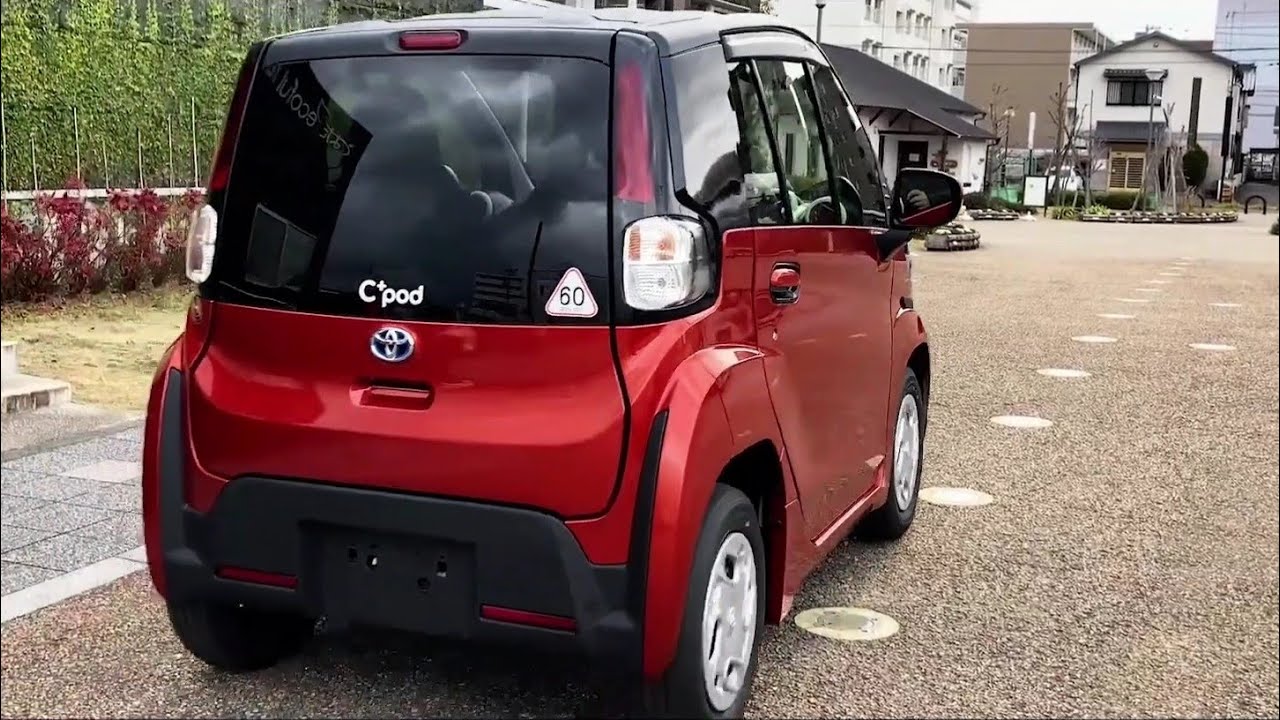
Toyota Confirms Mass Commercialization of the Small Toyota C+pod. An Ultracompact Electric Vehicle with 150km Range and Price Making it the Cheapest Electric Toyota in the World.
As an island, Japan has a serious problem with population density. Small cars that are easy to park and maneuver are the best-selling and most popular models in the country. Sizes, engines, and battery packs have kept the prices of electric cars very high. But what if the idea was to create a small, affordable, and practical electric vehicle? This is the case for the Toyota C+pod, which is now available!
Related Articles
- Owner Blows Up Tesla Electric Car with 30 Kg of Dynamite After Seeing the Fortune Charged for Repair
- Toyota’s Electric Car Will Give Competitors a Headache and Promises to Overtake Porsche and British Lotus Sports Cars
- Volkswagen, Bosch, Nissan, USP, and UNICAMP Study Ethanol Technology and Fulfill the Dream of Electric Cars Running Without a Battery
- General Motors Unveils the Smallest and Cheapest Electric Car in the World: Mini EV Cabrio Convertible Reaches 300 km per Charge and Becomes a Sales Phenomenon at Just 3000 Euros
The C+pod is not a new product. Toyota introduced it over a year ago and, since then, it has only been available for clients and municipal companies. Seeing the positive reception it received, along with the parking and circulation problems in some of its cities, public sales were opened this year in 2022. The Japanese multinational is betting on strong sales figures in the coming years!
Watch the Video Below and Check Out the Cheapest Electric Toyota in the World!


Don’t let its small size fool you. It’s true that its aesthetics are quite peculiar. In Europe, there’s nothing to compare it to, as not even a Smart is similar.
-
Engineers propose a fourth traffic light for intersections – the change promises to affect crossings, queues, and waiting times.

-
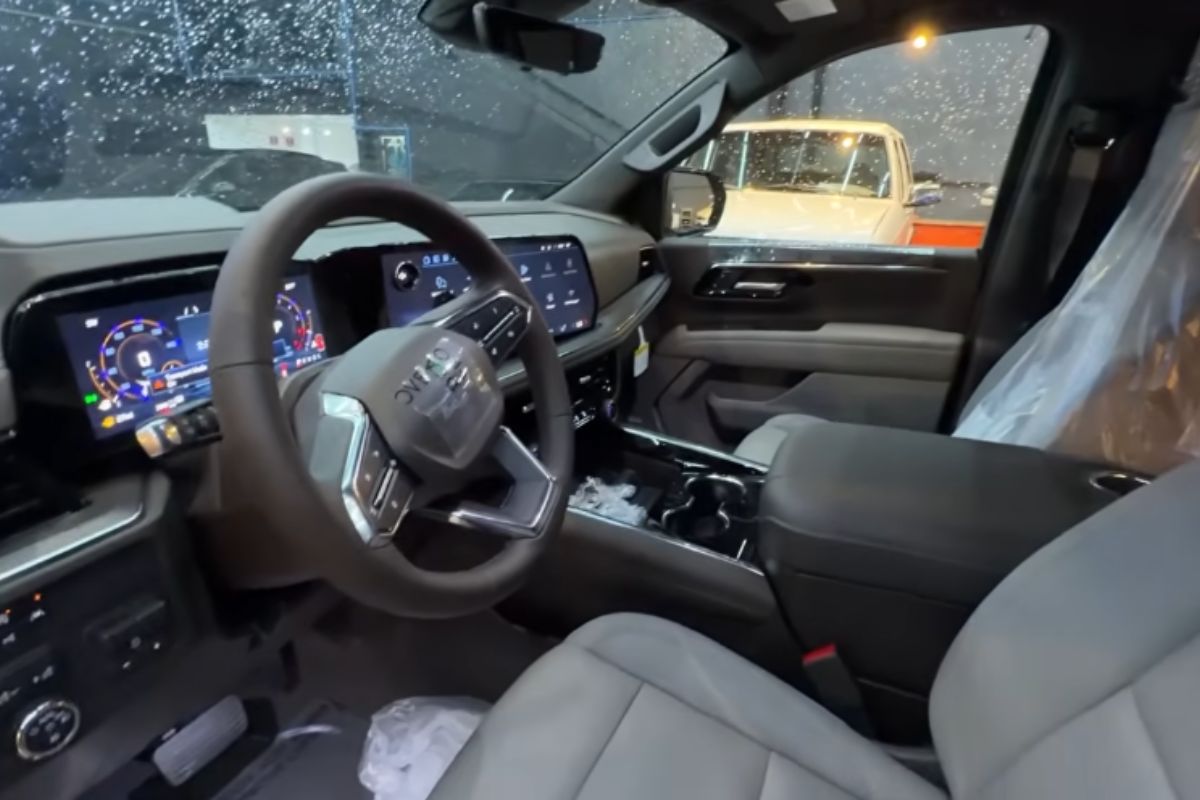
Chevrolet Suburban Z71 lands in Brazil with a V8 engine, off-road design, air suspension, seven seats, and colossal size, a rare version imported for around R$ 1.3 million with luxury and exclusivity.
-
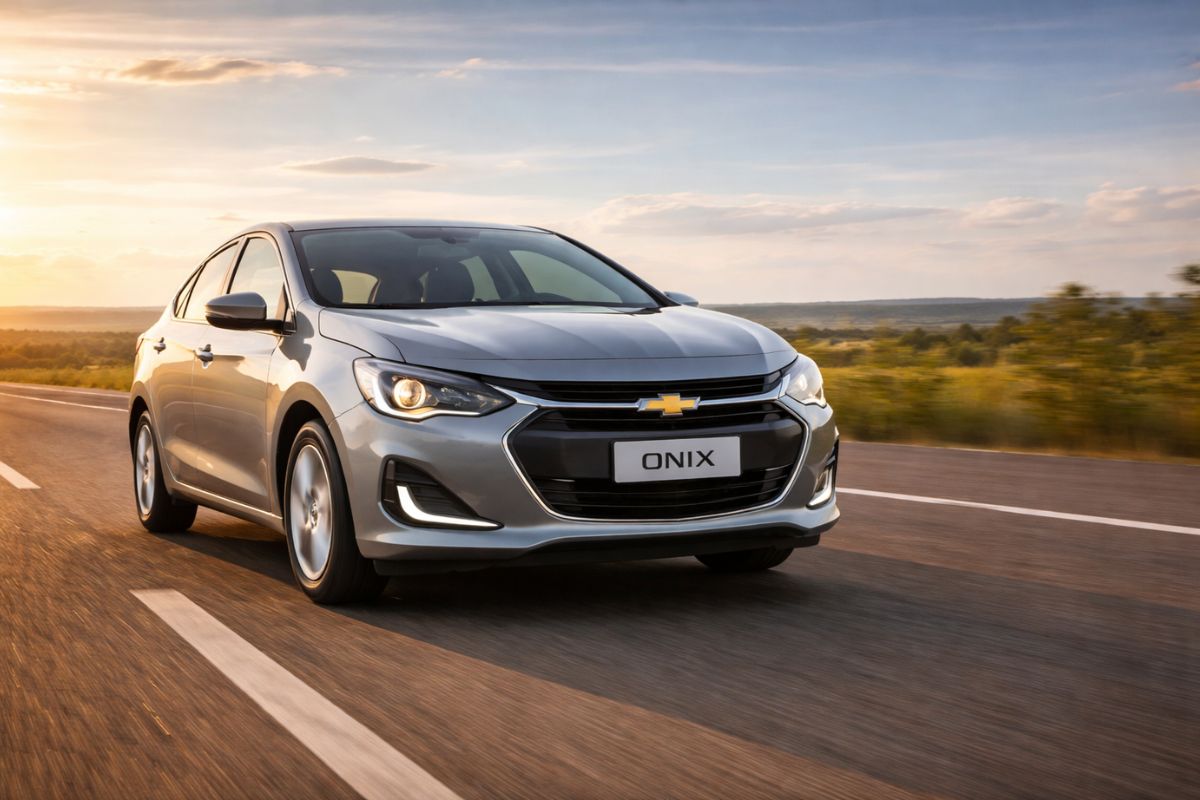
The Chevrolet Onix 1.0 turbo achieves 17.7 km per liter on the highway and ranks among the three most economical cars in Brazil in 2026, alongside two more expensive Toyota hybrids available at dealerships.
-
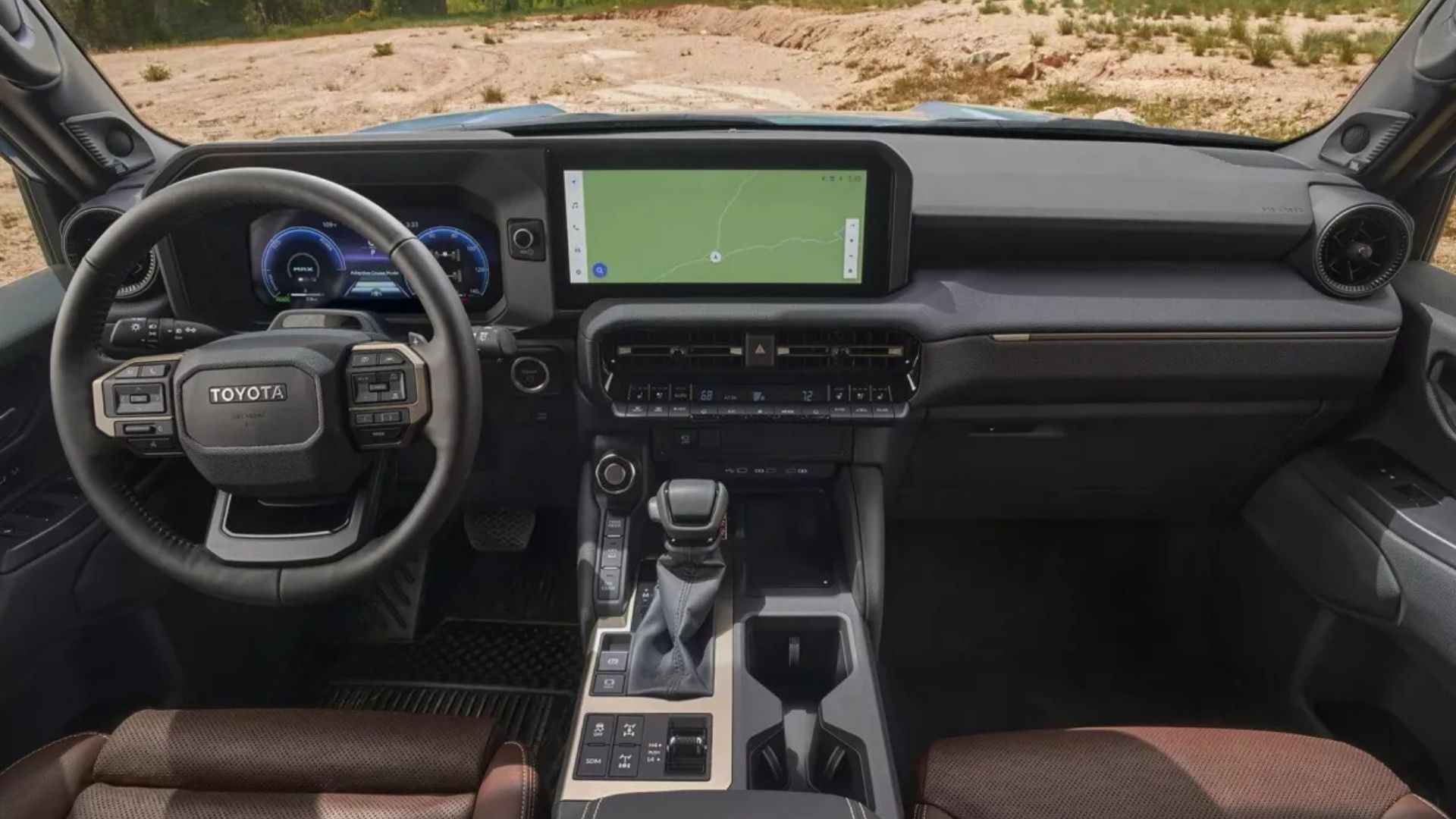
Little sister of the Hilux: Toyota launches Land Cruiser FJ with 4 radical versions, 2.7 engine with 166 hp and 4×4 traction with locking.

Toyota C+pod Weighs 670 kg, 12.5 Horsepower, Has a 150 km Range per Charge, and Costs US$ 15,908
The measurements are much smaller: 2.49 meters in length, 1.29 meters in width, and 1.55 meters in height with a weight of 670 kg. The only truly comparable model is the Citroën Ami, although the French model can’t match the mechanical capabilities.
The Toyota C+pod is fully electric. It moves thanks to a lithium-ion battery with a capacity of 9.06 kWh that powers a 12.5-horsepower torque motor and a rear electric motor of 56 Nm. The data sheet estimates that the maximum speed is 60 kilometers per hour, so significant acceleration should not be expected. But most importantly, it has a range of 150 kilometers under the WLTP test cycle.
There’s no denying that the design is quite captivating. Eccentric, at least. However, despite its small size, the two-seater interior offers a decent collection of comforts and safety features. What it lacks is a lot of cargo space. A small trunk located behind the front seats is available, which is handy for everyday life, a few shopping bags, and little more.
Toyota has already stated that it does not expect to take the C+pod out of Japan, as it doesn’t make sense in other markets, although this door is not closed. It could be very interesting, especially given the selling price.
The Toyota C+pod has a starting price of 1,650,000 yen (US$ 15,908) for the base version and 1,716,000 yen (US$ 16,544) for the more equipped one.
Ford Breaks the Rules of Electric Cars! Mustang Mach-E Earns Respect Worldwide and Will Charge Over 80% at Maximum Power
The Ford Mustang Mach-E will continue to be one of the best buying options in terms of performance, product, and outcome, and is gaining respect worldwide for its many qualities. Ford’s electric SUV improves daily thanks to constant remote updates that enhance some of its features. From now on, the charging limit is at a higher level in less time. More than 80% of the charge can be completed at maximum power, slightly more than is currently allowed.
Through various customer forums, early owners, upon receiving the update, have already seen the change. This is one of the points included in Ford’s customer satisfaction program. While there is no official data yet, the first experiences show that the new battery protection limit is at 90%. In other words, until the battery reaches 90%, charging will occur at the maximum capacity of the station, limiting and degrading speed once that point has been exceeded.
Obviously, this will translate to a better user experience for customers through faster charging. We must reiterate that this only applies to charging at high-power stations. The change is significant as, until now, upon reaching 80% battery capacity, the Ford Mustang Mach-E would cut off power, reducing it to around 10 kW, which meant a much longer time to reach the battery’s maximum level.









-

Uma pessoa reagiu a isso.