





 Português
  Inglês
  Espanhol
  4 min de leitura
  0 comentários


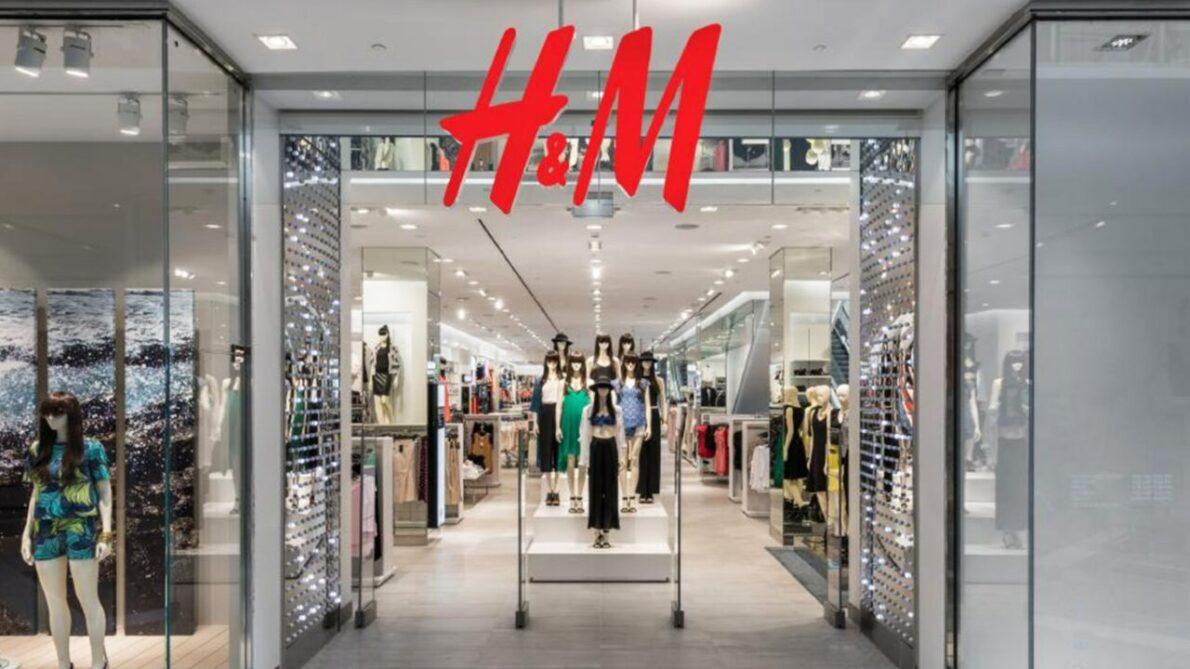
H&M Arrives in Brazil in 2025 with First Stores in the Southeast and National Expansion Plans Targeting the Growing Brazilian Fashion Market.
The H&M, Swedish retail giant in fashion, is set to enter the Brazilian market, with the opening of its first physical stores expected in the second half of 2025. The announcement was made during the Latam Retail Show, one of the largest retail events in Latin America, held in São Paulo. With a strategy that aims to transform the fashion landscape in the country, the brand arrives with an ambitious and well-structured expansion plan. The first stores will be inaugurated in the major capitals of the Southeast, with the expectation of reaching other regions over the next two years.
H&M’s Long-Term Strategic Planning
The decision to expand to Brazil was not made hastily.
According to H&M executives, the brand has been studying the Latin American market for over ten years, with a detailed analysis of the opportunities and challenges presented by Brazil.
-
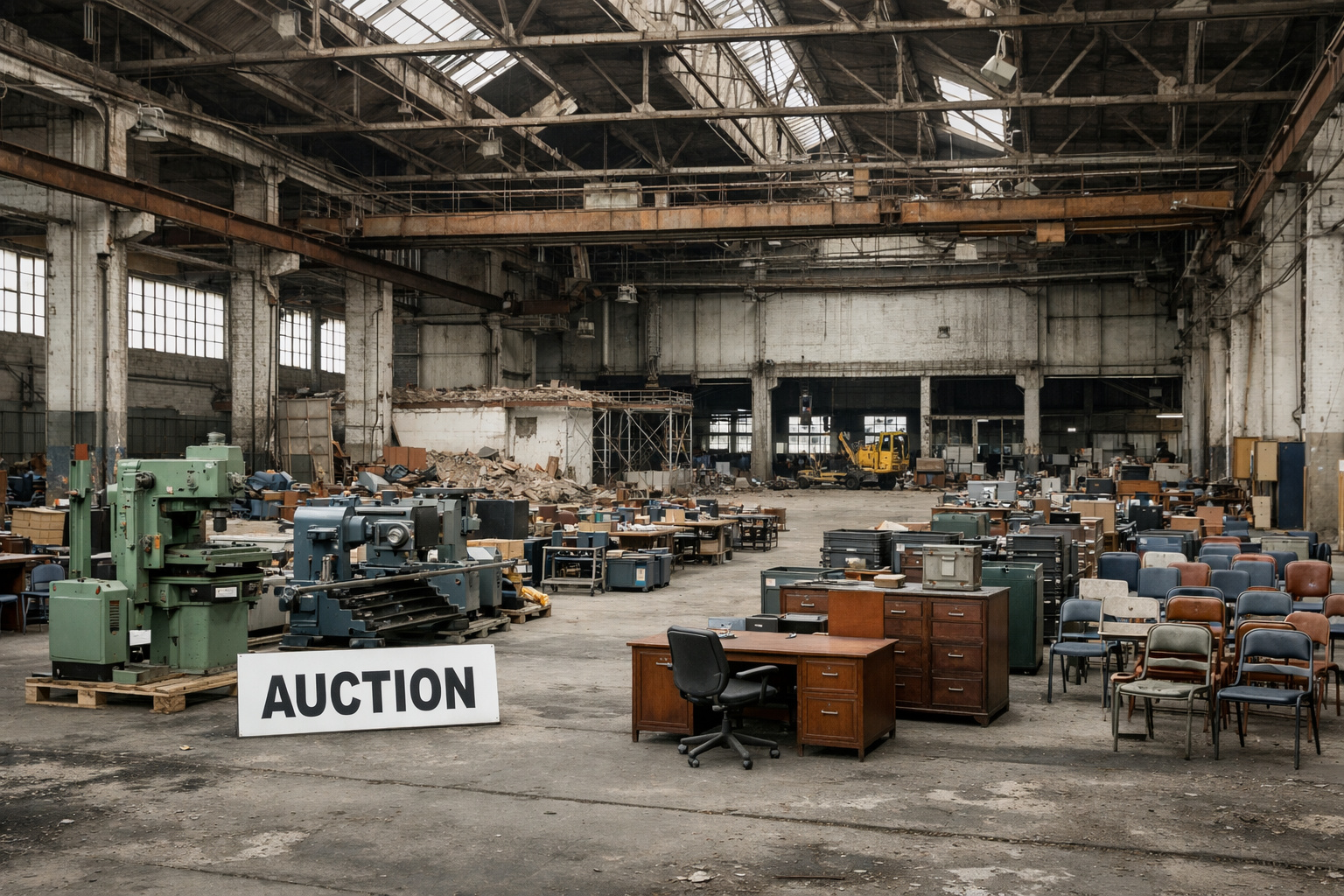
Historic bankruptcy of Centauro shocks the market, and the century-old company puts more than 500,000 products, machines, and complete infrastructure up for online auction.
-
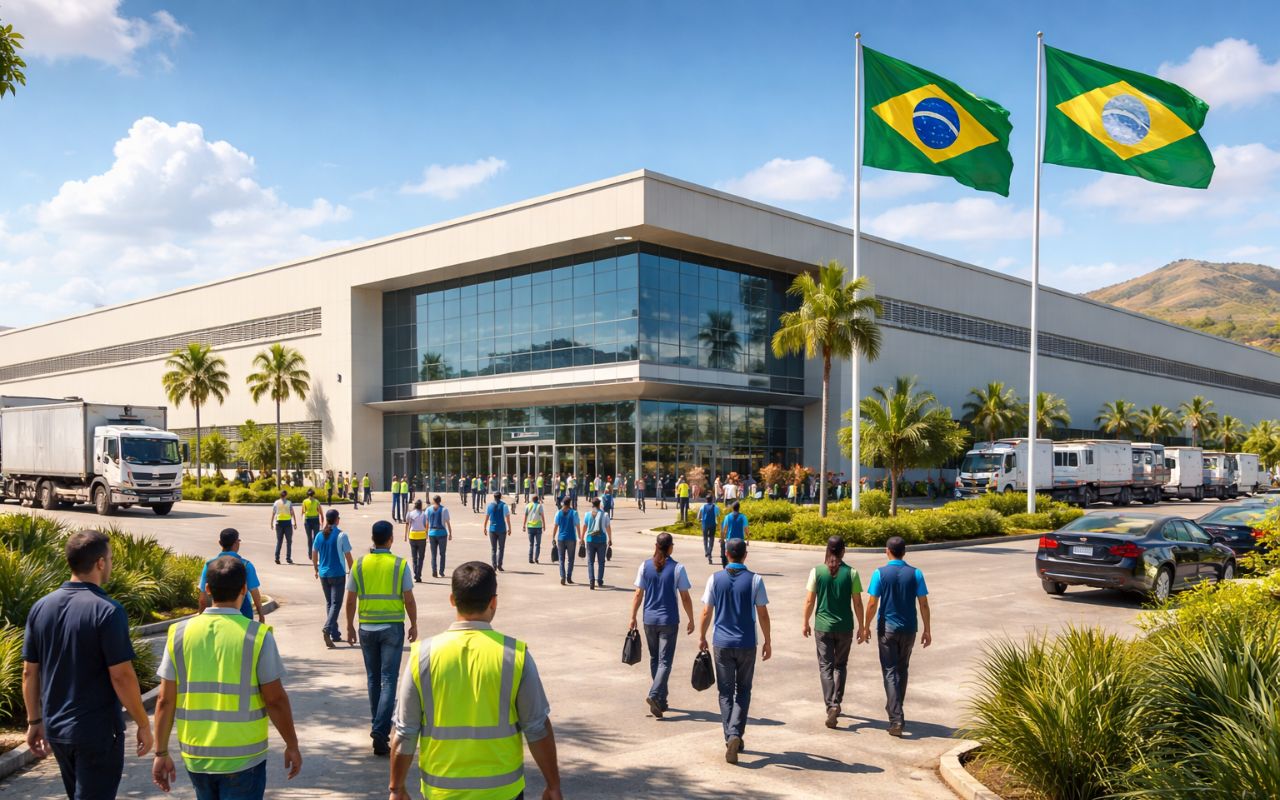
New shoe factory in Ceará is expected to create 400 jobs and strengthen the local economy.
-
No one imagined it, but a mixture of sawdust with a mineral that fights fires surprises scientists with a result that changes the course of fire-resistant construction.

-
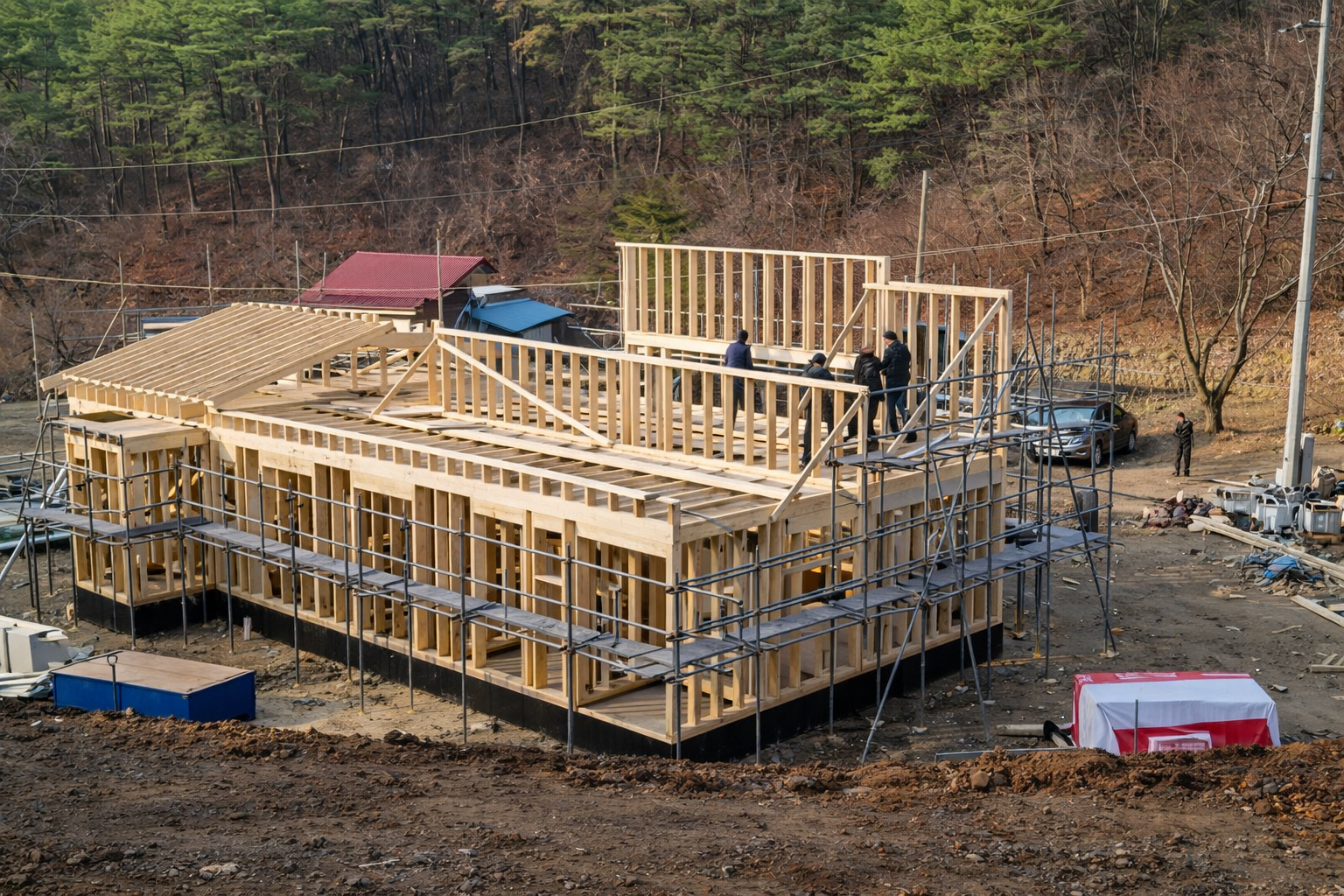
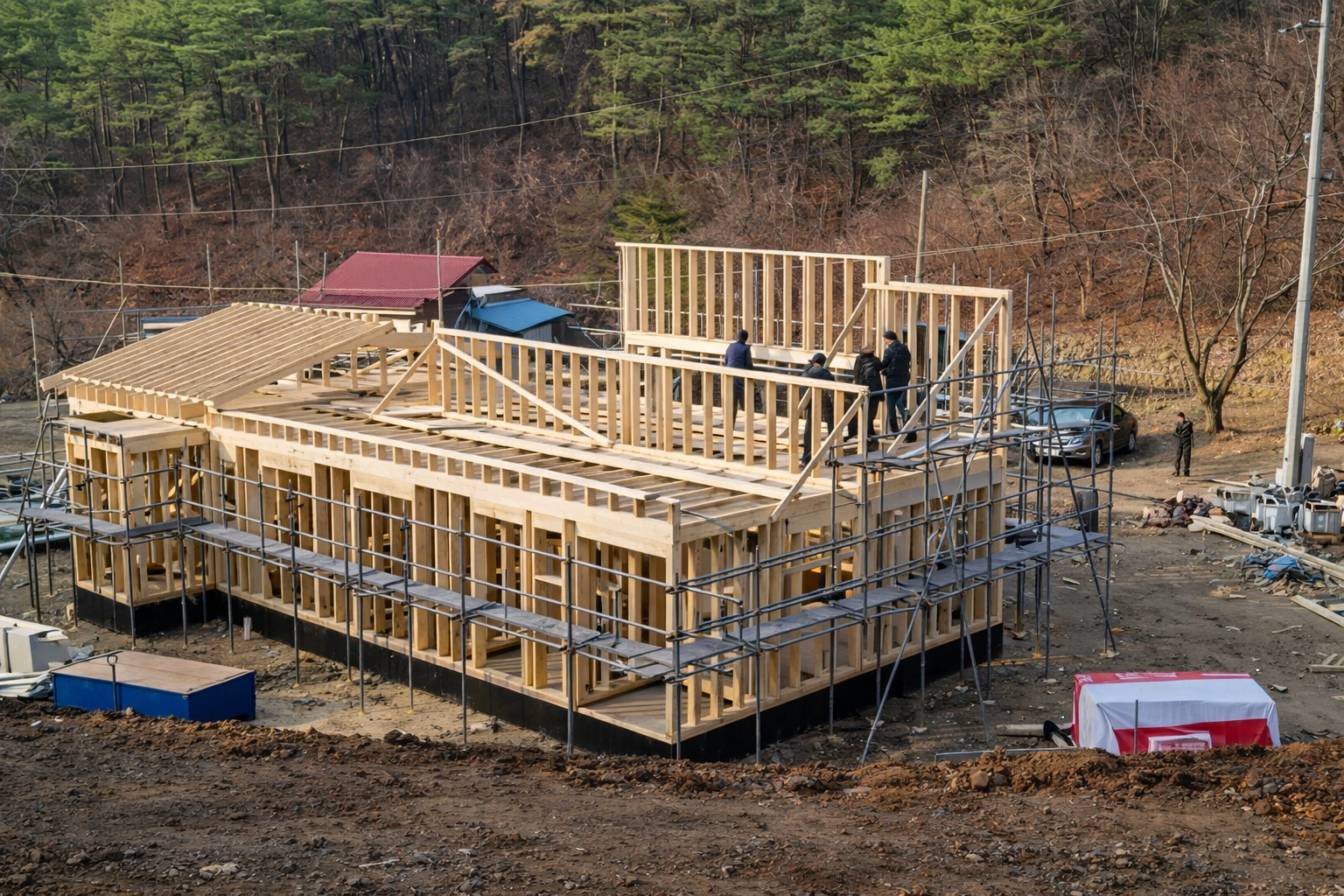
From empty land to a high-end house, wooden construction uses a lightweight system, metal structure for the foundation, ventilated ceramic cladding, and special windows to create an efficient and comfortable living space throughout the year.

Augusto Krambeck, Human Resources Director of H&M in Brazil, highlighted the seriousness with which the company treats its entry into the country.
“We are not here to take risks. We have studied the Latin American market for ten years and are certain that this is the right time to begin our operations in Brazil,” he stated.
Krambeck also emphasized the complexity of the logistical landscape in Brazil, a country with continental dimensions that presents unique challenges in terms of distribution and retail operation.
“Logistics in Brazil is challenging, given its size. Therefore, our entry has been carefully planned to avoid operational issues,” he commented.
To ensure the success of this physical expansion and in e-commerce, H&M has had executives operating in Brazil for the past two years, analyzing not only the logistical landscape but also the competitive one.
Brazil is a market with great potential for H&M, considering the country has a population of over 200 million people and a fashion sector that continues to grow.
In recent years, the fashion retail sector in Brazil has undergone significant transformations, with new brands expanding and the growing popularity of fast fashion.
H&M intends to position itself strategically in this scenario, competing with both established global brands and the new options that have gained market share.
E-Commerce and Operational Strategy
In addition to physical stores, H&M also announced the expansion of its e-commerce in Brazil, expected to occur in 2025.
The combination of e-commerce sales with physical stores is part of a broader strategy by the company to diversify its sales channels and connect with a larger consumer base.
E-commerce, which is already expanding in other Latin American countries such as Chile and Mexico, is seen as a crucial tool to attract consumers who prioritize the convenience of online shopping.
Chile is currently H&M’s largest market in Latin America, with 29 stores, followed by Mexico, Peru, and Colombia.
The company’s expectation is that Brazil will quickly become one of H&M’s largest markets in the region, given its population and the size of the fashion sector.
The company plans to invest heavily in expansion in the country to ensure that its entry into the physical market and e-commerce is successful and that its stores are attractive to the local audience.
H&M sees Brazil as one of the markets with the greatest growth potential in Latin America, and to achieve its goals, the company will invest in both infrastructure and marketing.
The brand will seek an expansion that positions it as an intermediate option between lower-priced fast fashion brands, such as Shein, and premium fast fashion brands, such as Zara.
This positioning may attract consumers looking for a good cost-benefit relationship without compromising on style and quality.
Challenges and Opportunities for H&M in the Brazilian Market
Although H&M’s arrival in Brazil has been widely anticipated, the company will face considerable challenges in securing a significant share of the Brazilian fashion market.
The country already has a range of national and international brands competing for consumers, and the recent expansion of international e-commerce platforms, such as Shein, adds further pressure for H&M to offer competitive products at good prices.
However, H&M appears confident that its long-term strategy, combined with a differentiated approach towards competition, will be sufficient to ensure its success in Brazil, both in-store and online.
“We are ready to compete and know that the Brazilian market is demanding. That’s why our strategy involves not only opening stores but also a strong online presence and a focus on meeting the specific demands of Brazilian consumers,” Krambeck stated.
With the combination of physical stores and a robust e-commerce, H&M hopes to win over Brazilian consumers and establish itself as one of the leading fashion brands in the country in the coming years.
The expectation is that, in two years, the company will have stores and e-commerce operating in all regions of Brazil, consolidating its expansion in the market and contributing to the diversity of options available to consumers.









Seja o primeiro a reagir!