





 Portuguese
  English
  Spanish
  3 min of reading


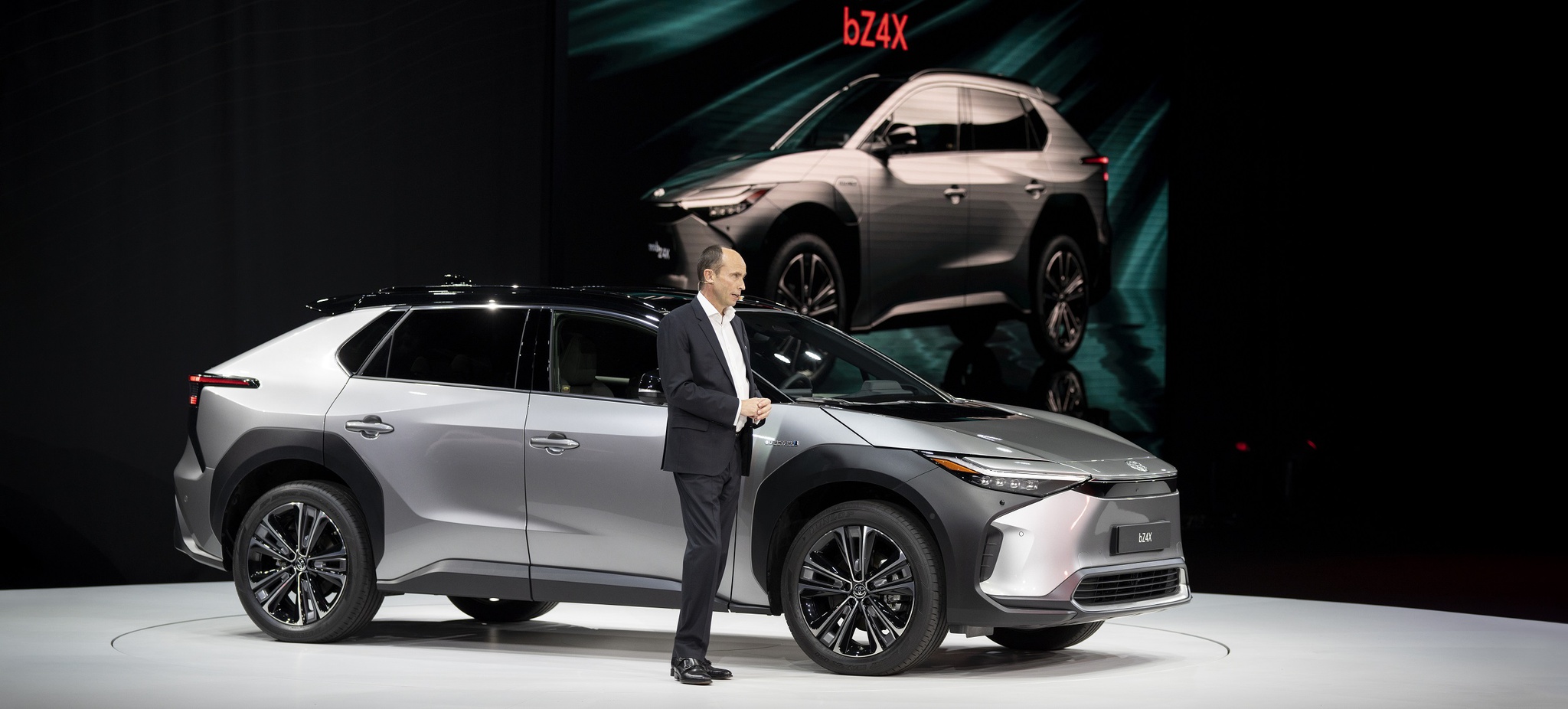
Multinational Toyota Has Again Stated That Hydrogen Cars Could Eliminate The Gasoline Market, Considering That Besides Being More Sustainable, They Offer Various Advantages To Drivers
Even though hydrogen can come from renewable sources, it does not mean it is a completely renewable solution, as is the case with the Mirai, the fuel cell car that the multinational Toyota started selling in Portugal this year. However, the Japanese automaker, which has been exploring various paths in terms of mobility solutions, such as the use of hydrogen cars, believes that it is possible to significantly reduce pollutant gas emissions if, instead of gasoline, consumers start using combustion engines powered by hydrogen.
Read Other Related News
Multinational Toyota Accelerates Hydrogen Car Production
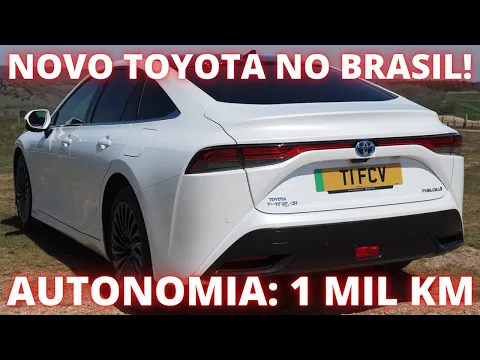

The technology of a combustion engine that does not use gasoline but rather hydrogen is still in the evolution and testing phase. Although it is not a novelty, BMW, for example, developed the Hydrogen 7 between 2005 and 2007, based on the same principles.
-
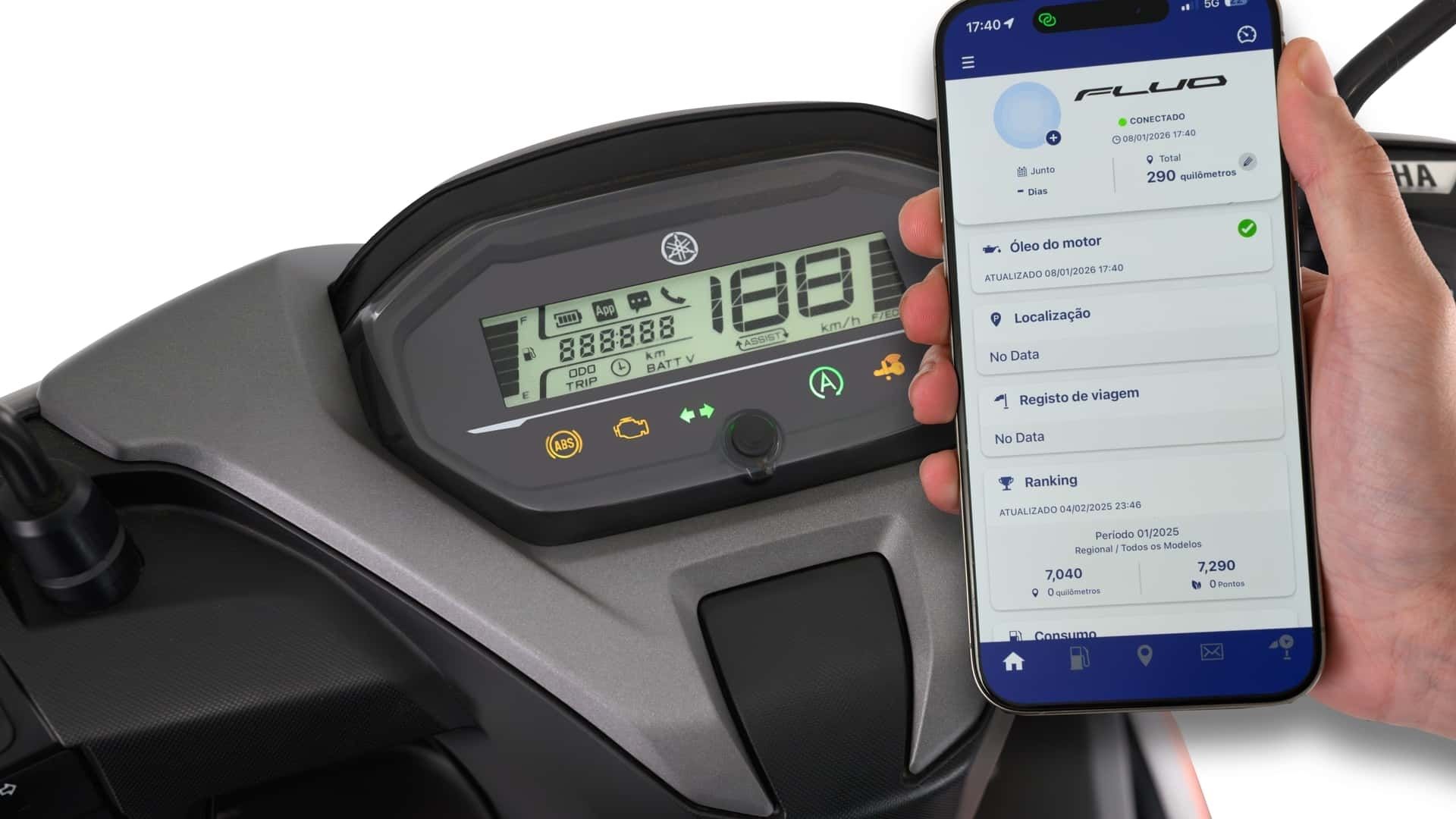
Costing R$ 16,000, the new Yamaha features a 125 cc hybrid engine with electric assistance, delivers 8.3 hp, includes ABS, optimized fuel consumption, Y-Connect connectivity, 25 liters of storage space, and a surprising 4-year warranty in the urban segment.
-
OMODA & JAECOO grows in Europe in 2026 with an integrated strategy of sales, innovation, local production, and technological advancement in the United Kingdom, Italy, and Spain.
-
OMODA & JAECOO expands after-sales service in Brazil with competitive maintenance, a 7-year warranty, and high availability of parts for technological SUVs.

-
OMODA & JAECOO appoints Alessandra Souza as executive marketing director in Brazil and accelerates brand expansion with a focus on innovation, networking, and hybrid portfolio.

However, the Toyota Corolla Sport, with this type of mechanics, is already participating in some motorsport events in the brand’s home country, with virtually zero pollutant emissions. This month, the multinational also presented the GR Yaris with a hydrogen combustion engine.

The experimental GR Yaris and Corolla Sport use the same 1.6 liters 3-cylinder inline G16E-GTS engine, which is installed in the GR Yaris, but with fuel feeding and injection systems adapted to use hydrogen instead of gasoline.
Advantages of Hydrogen Cars Over Gasoline-Powered Ones
According to the multinational Toyota, which held the Kenshiki Forum in Brussels earlier this month to present the group’s innovations (such as Lexus), hydrogen combusts faster than gasoline, resulting in better engine response, while also providing good environmental performance, without dismissing the acoustic sensations that are a unique characteristic of internal combustion engines.
Among the advantages is the opportunity to provide a technology that allows for a significant reduction in carbon emissions in areas where late implementation of renewable energy is anticipated. Hydrogen cars, in addition to fast refueling, have a much more economical required technology compared to gasoline.
Toyota Will End Combustion Cars by 2035
On the other hand, this commitment presents a challenge in hydrogen distribution, as well as taking into account that the production of this energy is not emission-free, depending on how electrolysis is conducted.
Regarding the future in European countries, the multinational Toyota guarantees that it will end the production of vehicles with internal combustion engines by 2035, regardless of the energy used. To this end, it plans to start selling only electric cars, whether they are fuel cell or externally charged, with second-generation modules that are lighter and more compact, which will begin to be produced in Brussels.








Seja o primeiro a reagir!