





 English
  Francês
  Alemão
  Italiano
  Japonês
  Norueguês
  Portuguese
  Spanish
 3 min of reading


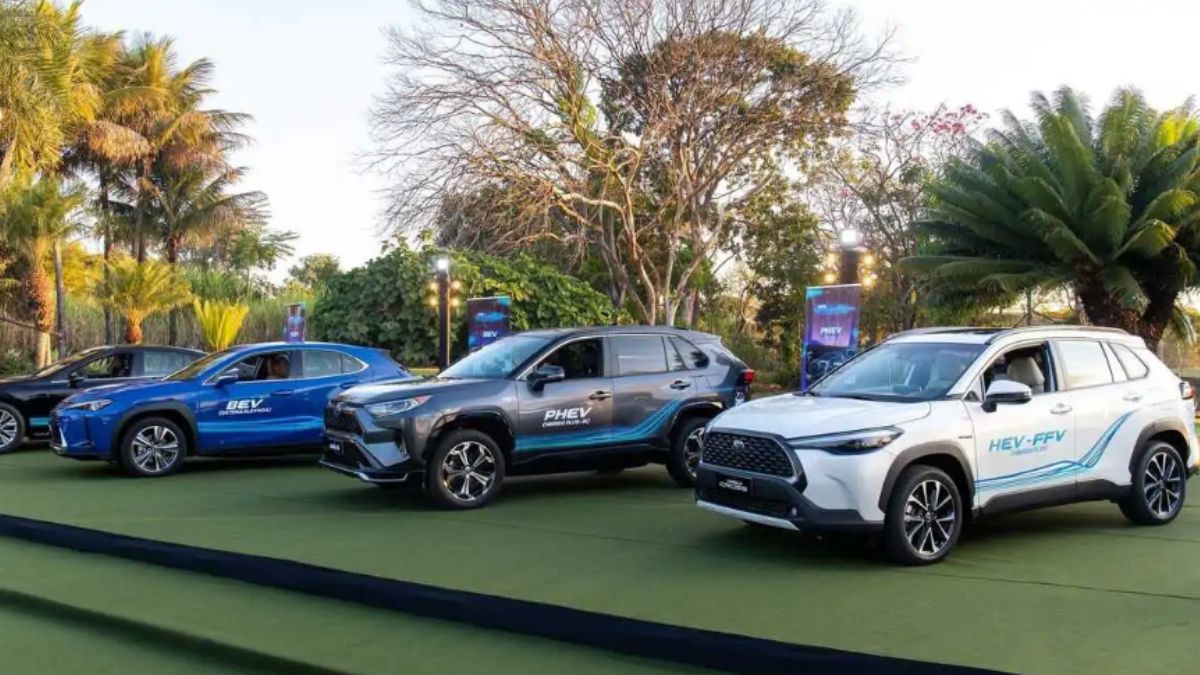
The Major Japanese Manufacturer Launches Unprecedented Electric Car Models of the Brand in Brazil
The year 2022 brought some news in the electric car sector in Brazil. The main launches are the plug-in models, powered by hydrogen and hybrid, renewing the fleet and expanding the options powered by clean energy in Brazil. These new options are a significant promise for urban mobility and will heat up the electric vehicle market in Brazil.
During the second half of 2022, the company presented the new models at its factory in Sorocaba (SP). In this sense, the presentation is the result of a new thinking by the company: that we can have various solutions for car electrification. Want to know more details about these incredible models? Then continue reading.
Learn a Little More About One of the First Hydrogen Electric Cars in Brazil, with the Video Below


Toyota Is Committed to Decarbonizing the Vehicle Fleet and Brought Plug-in and Flex Hybrid Models
The Japanese multinational Toyota has shown concern about carbon emissions in the atmosphere and constantly seeks alternative solutions to fossil fuel use. In this sense, it has great models established in the international market, such as the Corolla and the Corolla Cross. Both feature a groundbreaking flex hybrid propulsion technology in the world.
-
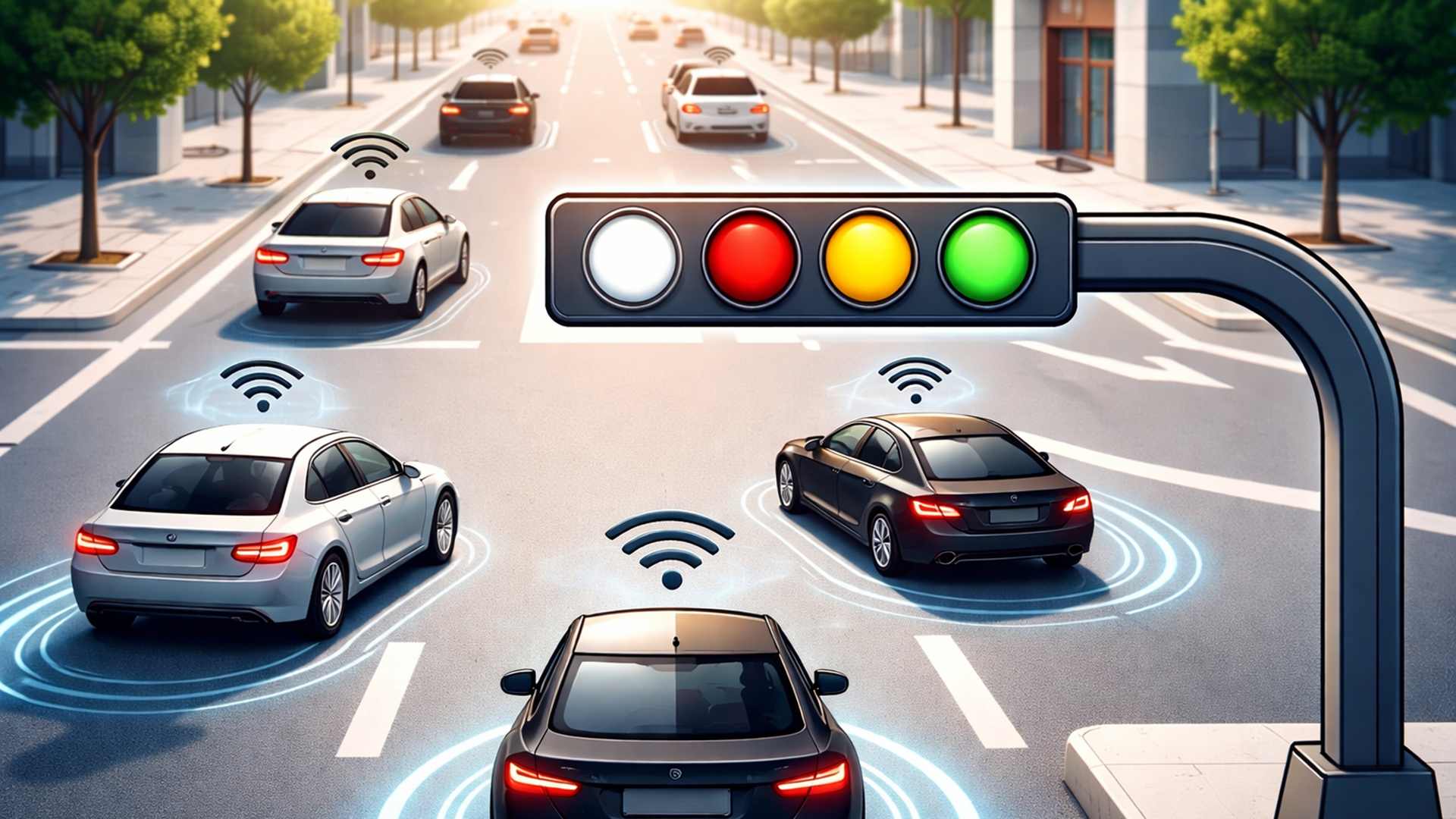
Engineers propose a fourth traffic light for intersections – the change promises to affect crossings, queues, and waiting times.
-
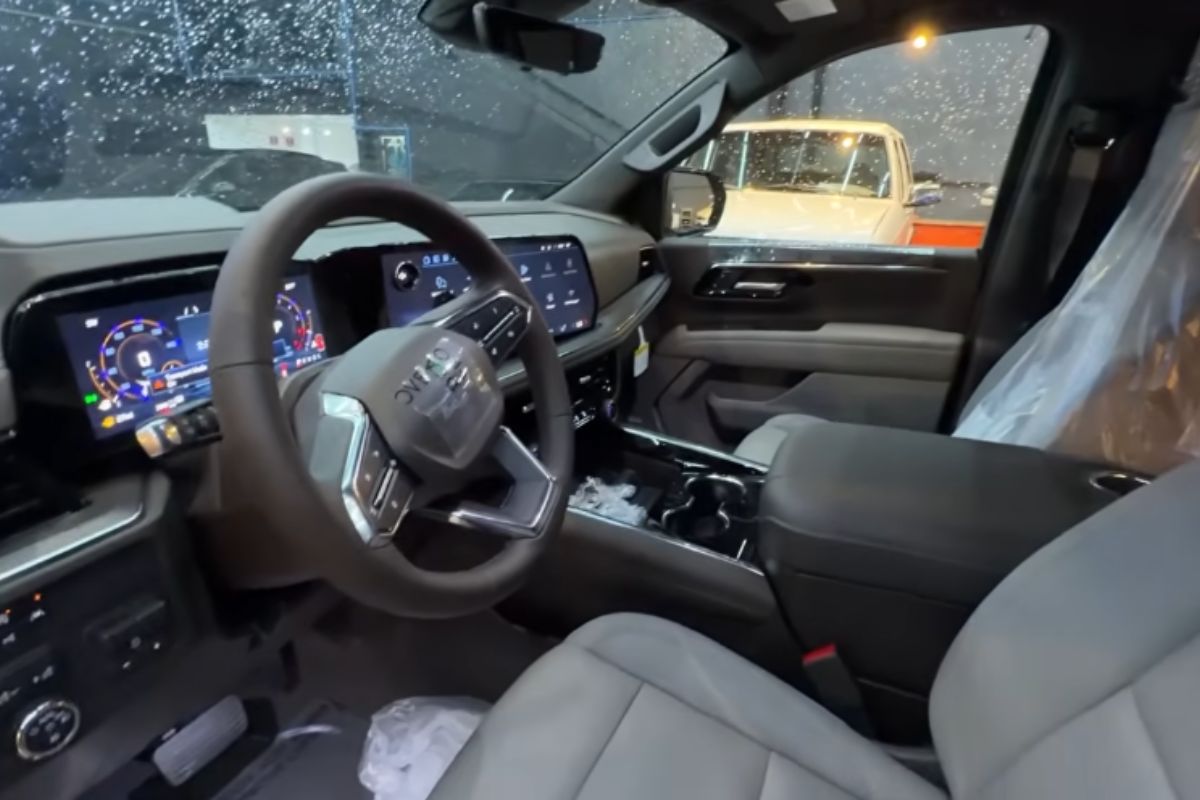
Chevrolet Suburban Z71 lands in Brazil with a V8 engine, off-road design, air suspension, seven seats, and colossal size, a rare version imported for around R$ 1.3 million with luxury and exclusivity.
-
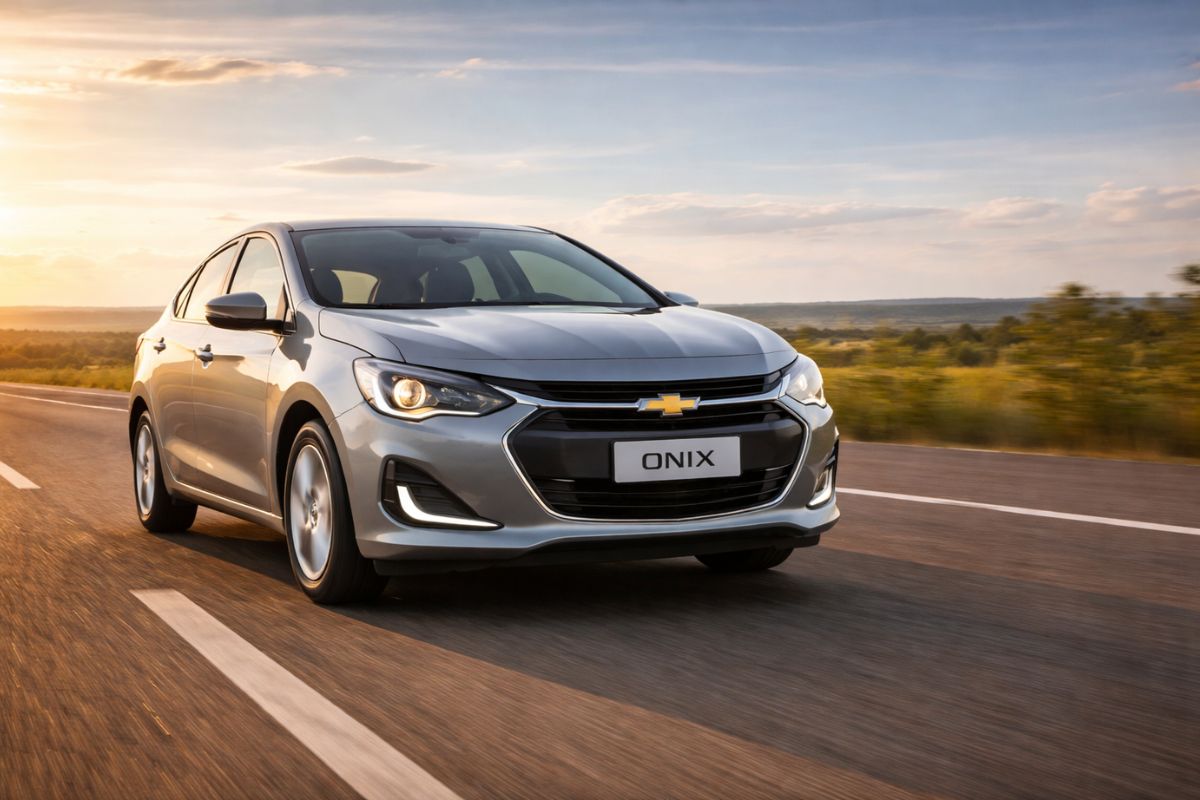
The Chevrolet Onix 1.0 turbo achieves 17.7 km per liter on the highway and ranks among the three most economical cars in Brazil in 2026, alongside two more expensive Toyota hybrids available at dealerships.
-
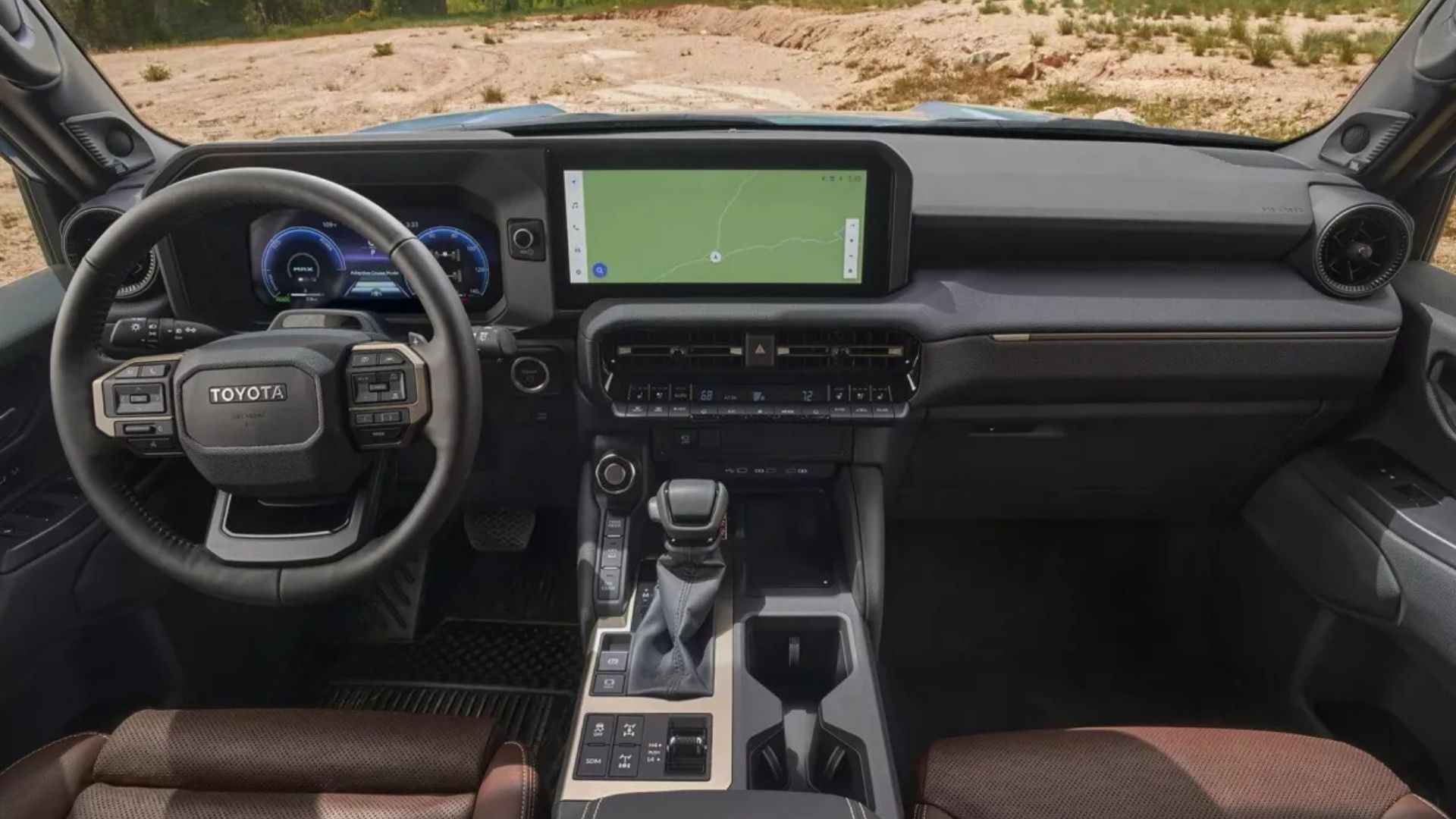
Little sister of the Hilux: Toyota launches Land Cruiser FJ with 4 radical versions, 2.7 engine with 166 hp and 4×4 traction with locking.

The use of technology by the automaker greatly highlights the flex hybrid, as electric cars powered by this type of propulsion find support in the electrical mobility infrastructure itself. However, it can reduce gas emissions by up to 70% compared to conventional cars powered by fossil fuels, such as gasoline.
During the event, the company also brought the Prius PHEV model. This version is marketed in several countries and has a plug-in mechanism, which allows the battery to be charged during the vehicle’s acceleration or braking, and also from outlets, in addition to charging stations. This guarantees 100% autonomy for the electric car over short distances, potentially exceeding 1,000 kilometers without the need for charging, in the end.
Japanese Multinational Also Brought the First Fully Electric Premium Model and the First Hydrogen-powered Car
In addition to the amazing modern models, the event featured the presentation of a new fully electric premium model of the brand, the Lexus UX 300e. The model is an SUV that has a power of 204 horsepower, reaching an impressive range of 315 Km. The charging is based on the WLTP standard and the torque reaches 30.6 kgfm. This model will hit the Brazilian market soon.
However, the star of the event was the Toyota Mirai, the first hydrogen-powered electric car to be produced in large scale by the automaker. The car uses a hydrogen fuel cell, which requires many resources for assembly and sale due to the technological resources involved. Furthermore, the lack of hydrogen infrastructure in Brazil still makes the model difficult to sell here.
Brand Stands Out in the Sector by Expanding Purchase Options for Brazilians, but with Caveats
The event was a success and brings new options for Brazilians to purchase high-tech electric cars. However, some fully electric models are still not available for sale in Brazil, but should be launched soon.
The company reports that in Brazil, flex hybrid cars and plug-in models are ideal for the current moment. This is because our country still needs to improve its infrastructure for fueling vehicles, with more effective charging stations. Additionally, according to the company, Brazil’s diverse topography means electric car models perform better in urban and more regular environments.







Seja o primeiro a reagir!