






 Portuguese
  Spanish


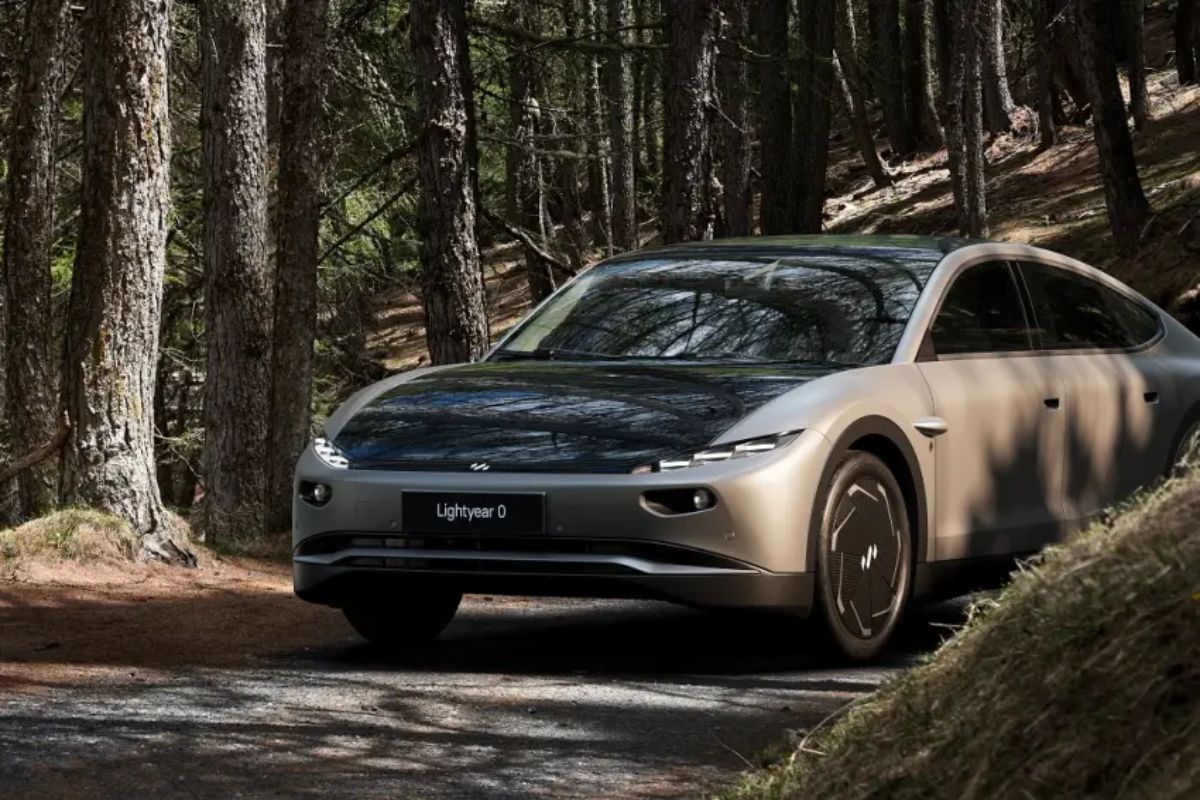

Dutch Startup Lightyear Will Launch Solar-Powered Car Model in Europe
The autonomy of vehicles is no longer something of the future; it is already a reality. The new electric car that will soon be launched by the Dutch startup, the Lightyear 0, promises to drive for up to 11,000 kilometers, or for 7 months, without needing to charge the battery, and entirely using solar energy, without the use of fuels. The solar panels are on the vehicle’s roof, and the battery storage capacity is substantial.
However, this solar vehicle can operate for 7 months considering a person who travels around 35 km per day and leaves the car exposed to the sun. In areas with less solar incidence, this timeframe reduces to 2 months. Discover the features of this vehicle in today’s article.
Learn More About the Solar-Powered Car from Lightyear in the Video Below.
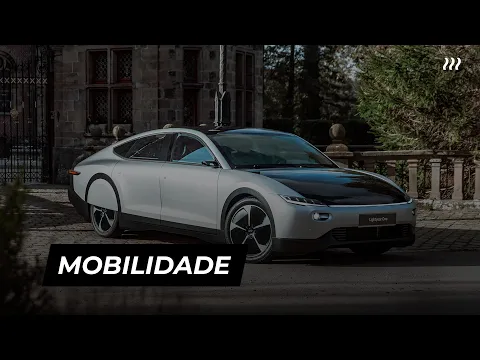

The Lightyear Electric Car Is Revolutionary and Ensures Greater Independence From Charging Stations
The Dutch company decided to invest in this new segment and seek autonomy because it believes that the heavy reliance on charging stations could be a future problem when fuels are no longer in use. After all, there will be many vehicles in circulation, which could create difficulties in charging the battery.
-
Giant Batteries Take Center Stage in Chile Auction as Company Offers 960 GWh of Solar Energy for Nighttime Use, Aiming to Stabilize Solar Power Supply

-
1983 Chevrolet Runs Over 100,000 km Without Gasoline, Powered by Wood Chips, Reaches 125 km/h in Airport Test
-
Workshop Converts Giant Tractor Tire Tricycle into a Three-Wheel Drive Hybrid with 36,000-Watt Electric Motor Capable of Climbing Hills

-
After a Year of Success in Switzerland, Solar Railway Attracts Italy’s Interest for Clean Energy Transformation
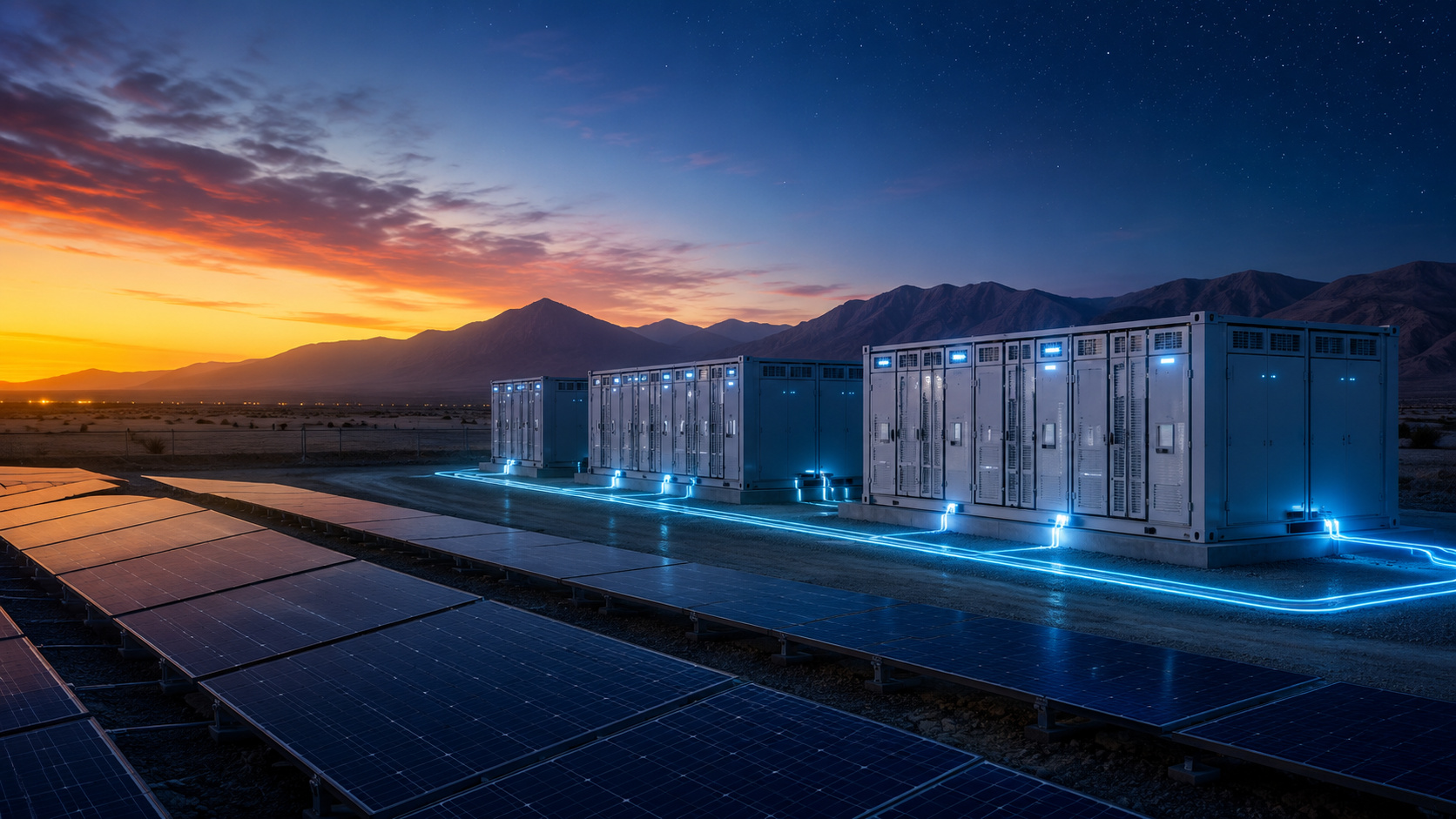



Thus, the company sought to create a battery that is compact in size but has unprecedented storage potential. This ensures the electric car operates for months using solar energy generated while driving and offers greater independence from charging stations, alleviating congestion on highways.
In Addition to Autonomy, the Model Surprised With Greater Range, Superior to That of the Tesla Model 3
Besides the greater sustainability and autonomy of the model, the Dutch startup surprised with the range achieved with the vehicle. There are 625 km of autonomy, with an unprecedented battery of only 60 kWh, much smaller than Tesla’s, which has 82 kWh.
This great potential results from the extensive capacity to capture and generate solar energy from the electric car’s roof, which has 5 square meters of solar panels. Even on sunny days, the car can produce an extra 70 km of autonomy.
The car also stands out even at high speeds. According to the developers and the tests conducted, the vehicle can cover 560 km at an impressive speed of 110 km/h without discharging.
This super machine has 4 electric motors, one for each wheel, and with 174 horsepower. However, it takes around 10 seconds for the electric car to reach 100 km/h, which is not impressive compared to other models available in the market.
The Solar Electric Car from Lightyear Is Lighter and More Resistant
The unprecedented model impresses with its lightness while driving and greater body resistance. This is because it is made from parts of carbon fiber combined with eco-friendly materials, which is a significant step towards sustainability. Furthermore, the cabin is made from recycled bottles in the seats, synthetic leather, and microfiber, making the car even more environmentally friendly.
As a result, the vehicle has lower aerodynamic drag, surpassing even renowned brands like the Mercedes EQS model, which has a drag coefficient of 0.20 Cx, while the Lightyear reaches 0.19 Cx.
Model Will Arrive in the European Market by December 2022 and Will Have Limited Units
This incredible model will arrive in the European market later this year and will only have 946 units available for sale. The price in dollars will be US$ 263,000, which when converted to reais is almost R$1.3 million at the current exchange rate. Would you buy it?






