





 Portuguese
  English
  Spanish
  3 min of reading


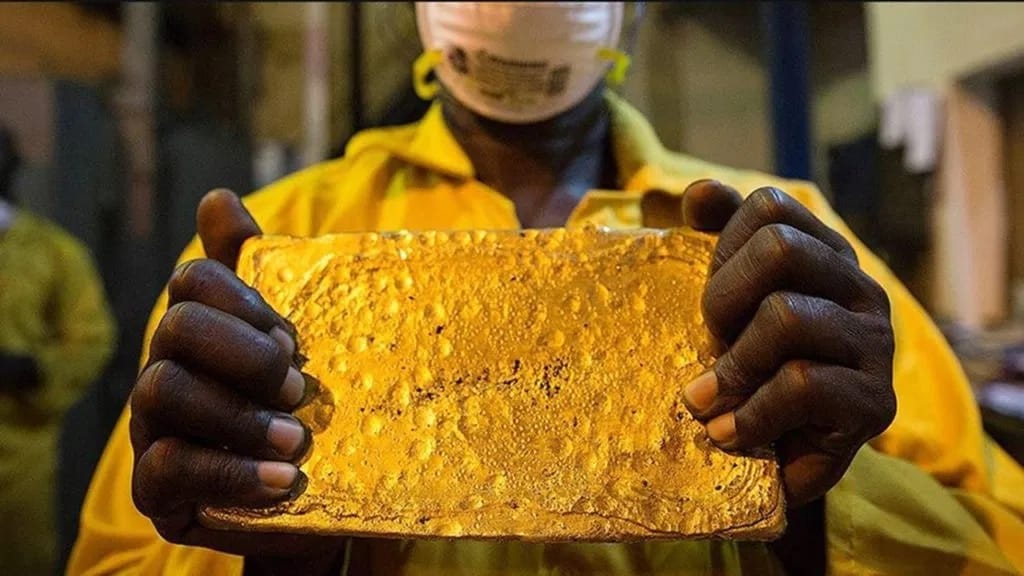
Gold Refining Multinational Brings International Technology, State-of-the-Art Refining and Smelting Machinery to Refinery in the State of Pará
Refining gold, protecting the environment, and caring for people. This proposal is the pillar of North Star, a company that arrives at one of the most important hubs for the mineral production cycle worldwide, the state of Pará, with the intention of viewing the gold market from a different perspective than usual. The company aims to gradually reformulate the entire mechanics of the sector in Brazil, with cutting-edge technology and strict international standards for business.
“Before we start operations, we are already working fully aligned and committed to the pillars of ESG. And we do not only concern ourselves with environmental issues, which are obvious. We will propose sustainable and healthy processes at all stages in which we are involved in gold refining. This will include selecting our clients, preferring to hire local labor while respecting all labor guidelines, and observing what more we can offer. Investing, for instance, in the training of these people, and even making social investments for underprivileged communities in mining regions or near the refinery. Moreover, we also intend to encourage, finance, and demand good environmental practices from our clients,” explained Mauricio Gaioti, president of North Star.
North Star Imported Italian Refining and Smelting Equipment
The company has not yet commenced operations; it is in the structuring phase, finishing the construction of the building that will house the project’s headquarters, located between Guajará Bay and Artur Bernardes Avenue, in the industrial neighborhood of Tapanã, in the capital of Pará. There will be three floors to accommodate the workers who will be the protagonists in the gold refining process in the country.
-
Government unlocks R$ 554 million for a highway that has been requested for decades and accelerates the duplication of BR.
-
Without bricks, without cement, and without endless construction: the cardboard house that is assembled in modules and can be moved.

-
Billions of barrels on the equatorial margin could lead Amapá to double its oil production in Brazil — the state aims to enter the route of companies in the Campos Basin, attract investments, and boost jobs and businesses in the oil and gas sector.
-
Without bricks, without cement, and without endless construction: the cardboard house that is assembled in modules and can be moved.

“We will have state-of-the-art refining and smelting machinery, technology that has not yet arrived in the country. The construction and safety structure installed is comparable to large and updated value transporters. We also conducted training for the employees, including exchanges for technical cooperation and knowledge acquisition,” added Gaioti.
To contribute in this way to the development of this market in Brazil, North Star imported Italian refining and smelting equipment, a reference for quality in the market, fully automated, which go beyond the efficiency of the refining process, as all gases are contained in an automated exhaust process that leads to a gas scrubber for the neutralization of all acids present.
Gold Ore Extraction Generates R$ 14.2 Billion Annually in Brazil, According to the National Mining Agency (ANM)
Gold in Brazil is one of the pillars of the national economy for both the present and the future. The extraction of the mineral generates R$ 14.2 billion annually, according to the National Mining Agency (ANM), and the country still has a large reserve with many projects underway.
“Indeed, Brazil has not yet discovered its real gold potential; it still lacks significant investment and new mining companies for us to advance into a new phase. However, on the other hand, to attract large projects, the sector as a whole urgently needs to incorporate what ESG policies propose while simultaneously enhancing legal security with stability, clear laws, and oversight. We believe that the sector still needs to mature in ESG actions and have greater controls by companies. Therefore, it is important to intensify the debate so that we can create clear and favorable regulations for our market,” concluded the executive.
The company aims to lead the movement for vertical integration of the gold production chain, especially in the northern region, where Brazil will no longer be just an exporter of raw commodity, but also an exporter of refined gold in an internationally accepted standard, namely, 24k (99.99% purity). The refinery is part of this process as it also generates jobs, training, consumes products, and inputs manufactured in Brazil, meaning it is an activity with high economic and foreign exchange generation for the country, which are subsequently distributed through the purchase of products and services necessary for the production process.









Seja o primeiro a reagir!