





 English
  Francês
  Alemão
  Italiano
  Japonês
  Norueguês
  Portuguese
  Spanish
  4 min of reading


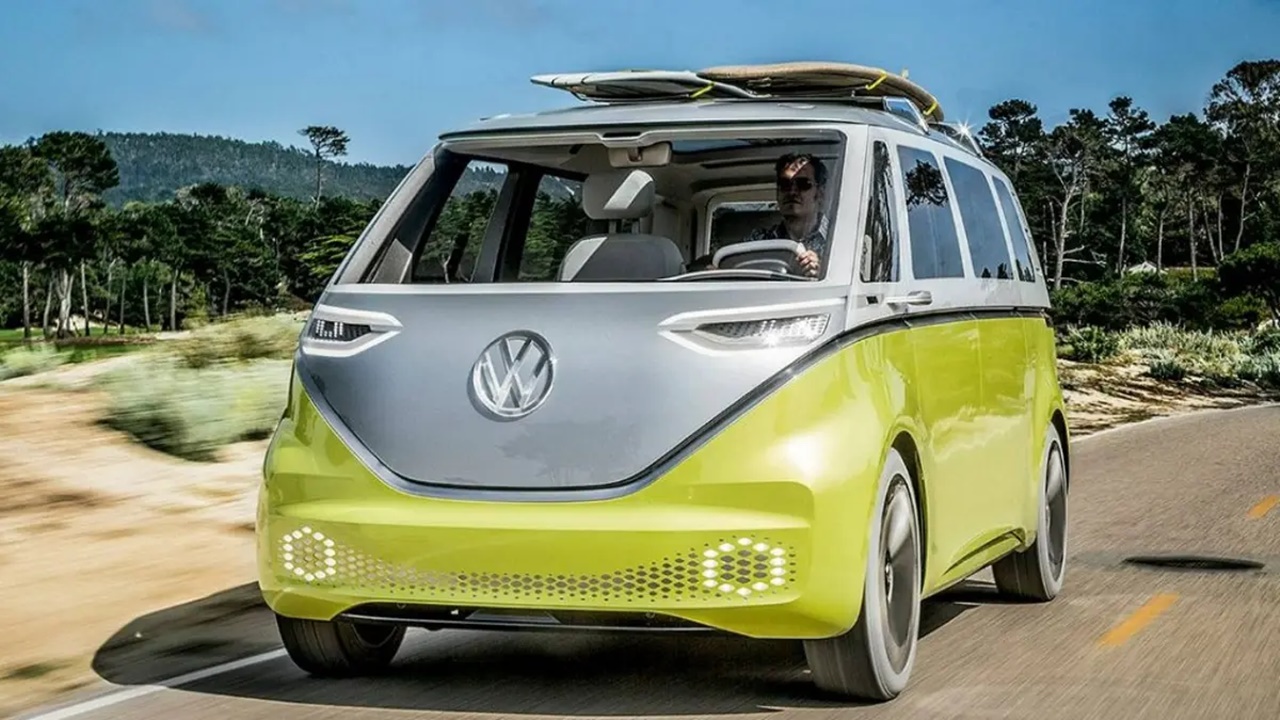
After Volkswagen Chief Announces End of Gasoline and Diesel Engine Production, Automaker Launches Successor to Iconic Kombi
The iconic Kombi, Volkswagen’s van, continues to evolve, and the German automaker is already preparing a much more advanced new generation. The new generation will feature a plug-in hybrid version with the same mechanics as the Golf eHybrid!
Read Also
- Volkswagen Chief Announces End of Gasoline and Diesel Engine Production
- Volkswagen Calls Candidates with No Experience in All Areas for Vacancies in SP and PR Factories
- After Volkswagen, Ford, Chevrolet, and Fiat, Yamaha Suspends Motorcycle Production and Places Employees on Collective Vacation
- Audi, Owned by the Volkswagen Group, Manufactures Powerful Electric Car Capable of Projecting Video Games Through Its Headlights
- After Ending Production of the UP!, Volkswagen Places Over 2000 Employees from Its SP Factory on Collective Vacation
- Volkswagen Ends Production of the Up! at the SP Factory; Gol, Voyage, and Fox Also in the Automaker’s Sight
The new Volkswagen Kombi, the T7, the fourth generation of the multivan, is a bit closer today. The new Bulli will be introduced in mid-next month and will be completely renewed inside and out, adopting the MQB modular platform from the Golf eHybrid/GTE, the Skoda Octavia iV, or the Audi A3 E-Tron.
The beloved Volkswagen Kombi will have a greater wheelbase compared to the T6.1 model. The new sketches also show that it will have very wide windows, including in the A-pillar area, both to improve visibility and to remind us of the classic T1 Kombi from 1950, which remained in production until 1975 here in Brazil.
-
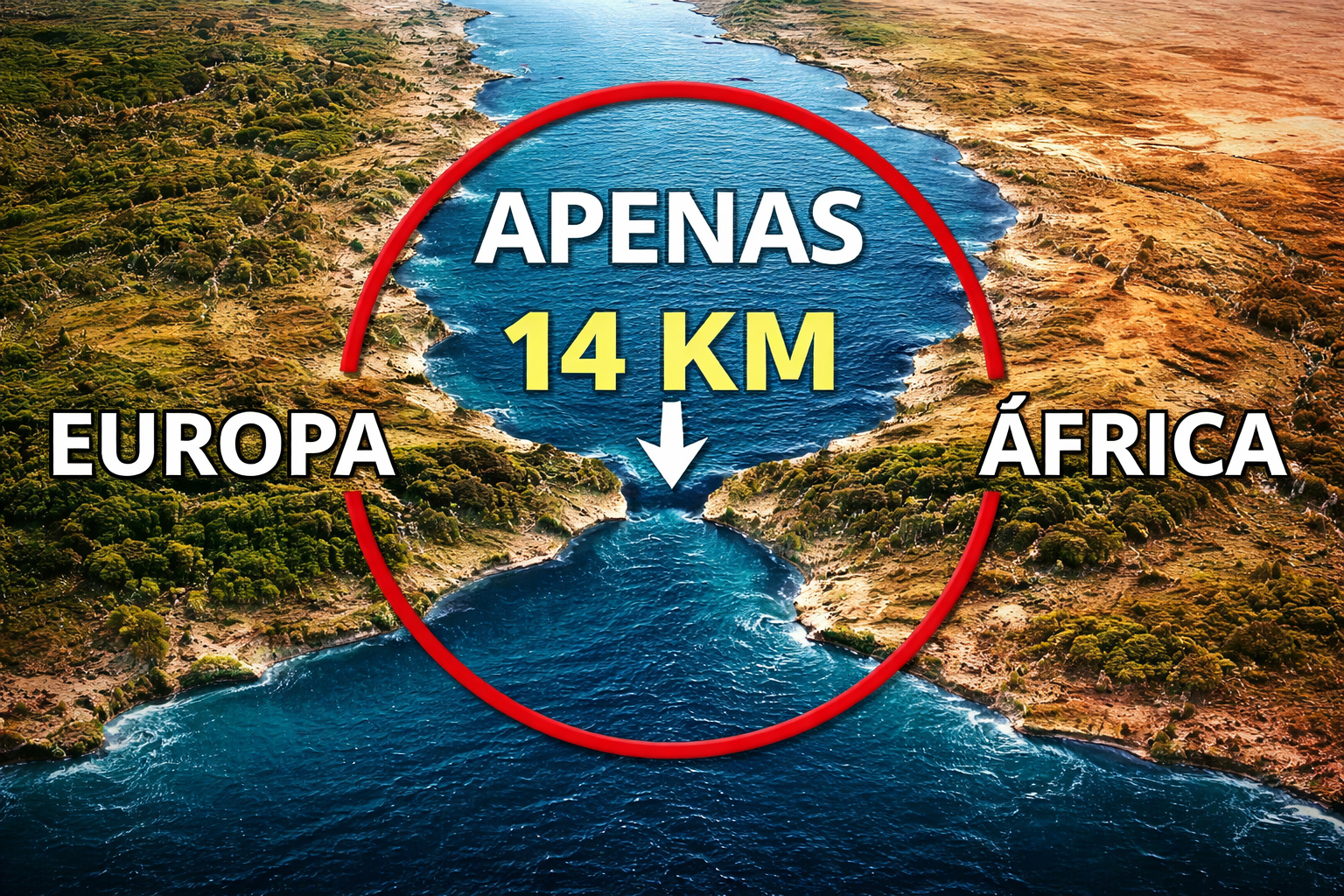
For 45 years, Spain and Morocco have been trying to connect Europe to Africa through a project of just 14 kilometers in the Strait of Gibraltar, and an active tectonic fault on the seabed continues to make the project nearly impossible.
-
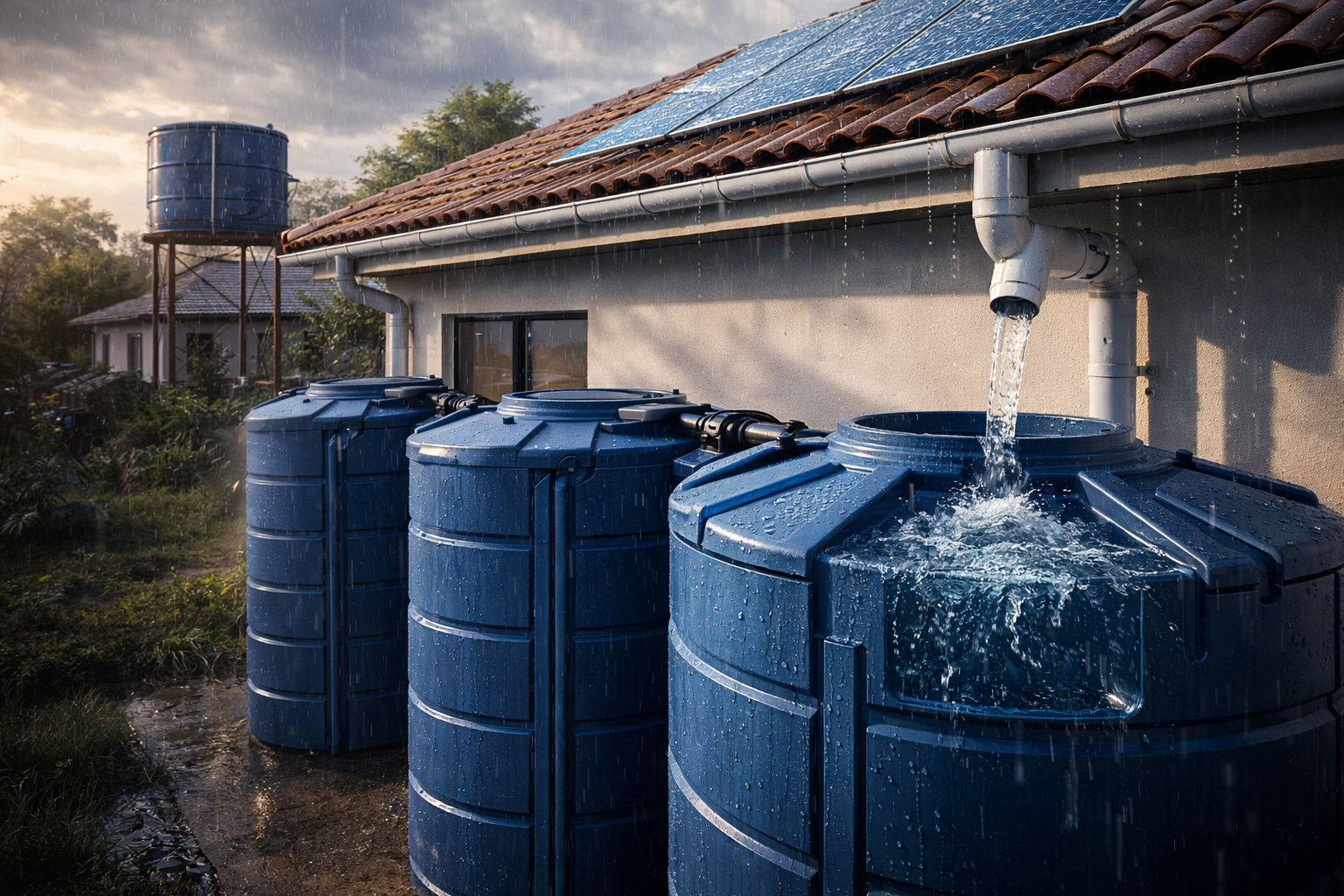
Goodbye expensive water tank: residents replace traditional system with a cheaper and more efficient solution that reduces water consumption and reuses rainwater.
-
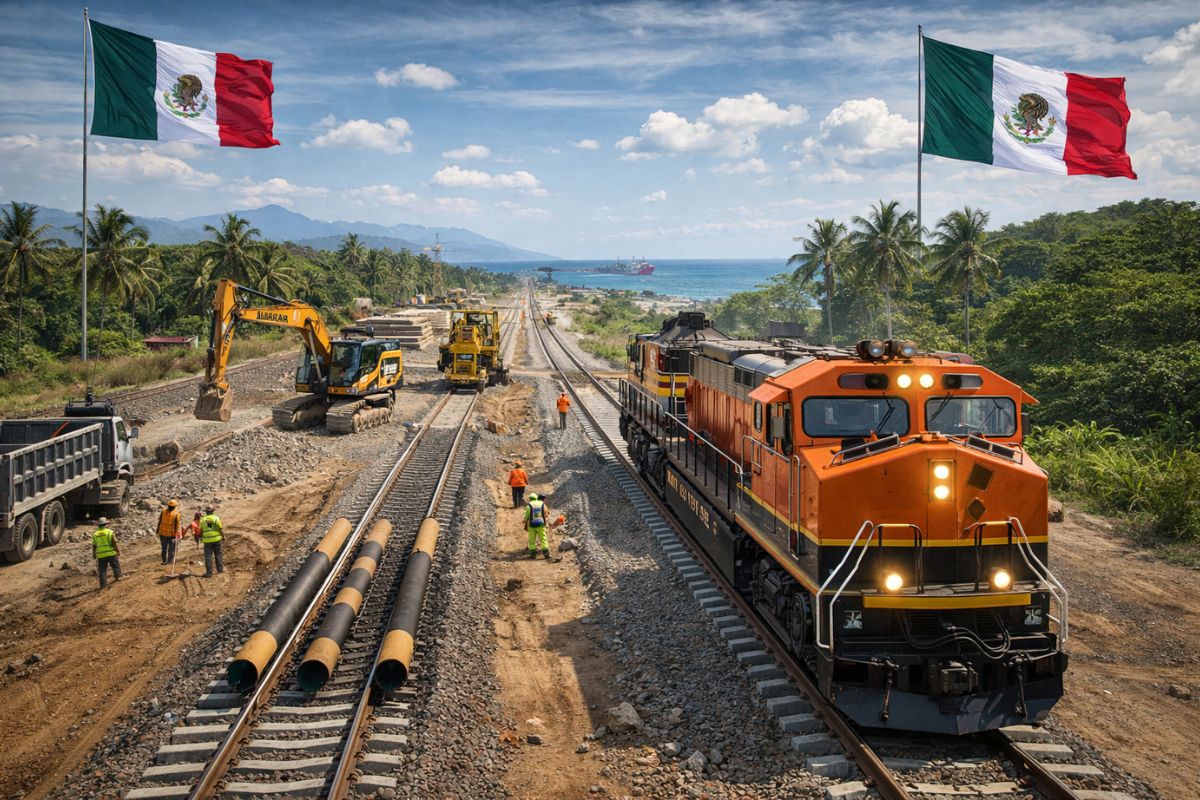
Mexico is building a 300-kilometer railway corridor that connects the Pacific to the Atlantic in just seven hours and wants to compete directly with the Panama Canal, which is already facing water scarcity issues.
-
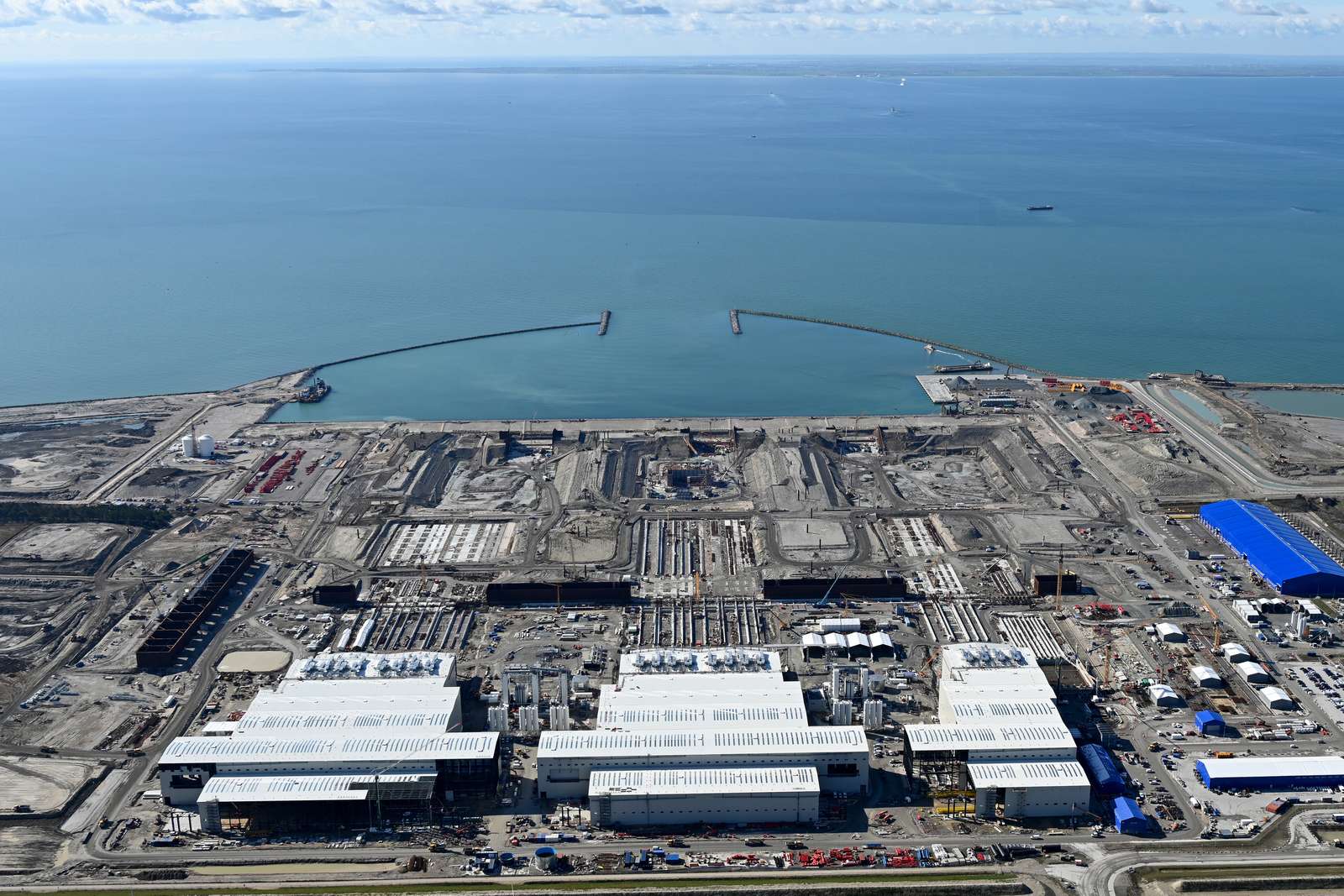
The largest tunnel module factory in the world was built from scratch on a beach in Denmark to produce 89 concrete blocks and will be demolished after the project: each structure weighs up to 10 times the Eiffel Tower and will be installed on the bottom of the Baltic Sea with an accuracy of 12 millimeters in a tunnel that will halve the travel time between Hamburg and Copenhagen.

The new T7 Kombi will drop the manual version and traditional handbrake lever, thus creating extra space between the two front seats, and will be offered alongside the Transporter based on the T6.1, as the minivan will not switch to new bases in the near future. Unfortunately, Volkswagen does not give any indication that it would return to have such a product in Brazil.
The engine range will consist of gasoline and diesel mechanics, which will bring life to the different bodies, whether with front or all-wheel drive. Additionally, Volkswagen will introduce electrified versions, both in the form of plug-in hybrid trains and even 100% electric. The power range will vary from 140 to 225 horsepower, with six and seven-speed manual and automatic transmissions, respectively.


Volkswagen, the World’s Largest Vehicle Manufacturer, Stops Developing and Manufacturing Gasoline and Diesel Engines to Focus on Electric Cars
The multinational Audi, part of the Volkswagen Group, had already recently announced that it would no longer develop any combustion engines and that the automaker’s focus would be on manufacturing electric cars. Now, the chief of the German brand has confirmed the end of development and manufacturing of this type of engine, whether gasoline or diesel.
According to Ralf Brandstätter, CEO of Volkswagen, in an interview with Automobilwoche, the German automaker will continue only updating and reviewing the current gasoline and diesel combustion engines to make them more efficient. The reason for this measure is that the multinational will heavily invest in the manufacture and production of electric cars.
The executive did not specify how long we will still see gasoline and diesel engines in Volkswagen cars, but it seems that they should remain for the next 10 years.
In a Move Opposite to Ford’s, German Automaker Invests in Production and Factory in SP
Pablo di Si, CEO of Volkswagen in Latin America, announced in an interview with Reuters on the 7th that the company is committed to launching a new investment cycle in Brazil. According to the executive, details of the investment will be announced at the end of the year by the Global CEO of the Group, Herbert Diess.
In 2021, Volkswagen became the best-selling brand in Brazil again, replacing General Motors Co (GM.N) after many years, partly because GM’s production in Brazil was interrupted more than Volkswagen’s due to a global chip shortage.
Volkswagen Calls Candidates with No Experience in All Areas for Vacancies in SP and PR Factories
The German Volkswagen, the largest multinational automobile manufacturer in the world, sees the importance of supporting young people in entering the job market. The company has openings for trainee positions in its SP and PR factories for candidates with no experience looking for their first job.
This opportunity is aimed at graduates between 2016 and 2020 who are interested in working at one of the company’s locations in the country: São Bernardo do Campo (SP), Vinhedo (SP), Taubaté (SP), São Carlos (SP), and São José dos Pinhais (PR).
Prerequisites:
- Advanced English;
- Previous professional experience;
- Graduation: 12/2016 to 12/2020; may be a second degree;
- Availability to work in any location of Volkswagen in Brazil,
Applications are open until May 30 and can be made directly on the company’s site at this link. Good luck to everyone!









Seja o primeiro a reagir!