





 Portuguese
  English
  Spanish
  2 min of reading
  0 comments



Proposal Reduces Weekly Workload Without Cutting Salary, Restricts 6×1 Shift and Reignites Dispute Over Rights, Jobs, and Social Benefits
The report proposing to reduce the maximum work hours in Brazil from 44 to 40 hours per week has caused a deadlock in the Chamber of Deputies and has prevented the vote scheduled for this Wednesday (3). The measure, presented by rapporteur Luiz Gastão (PSD-CE), maintains salaries and creates new restrictions for the 6×1 shift model.
The opinion was to be voted on by the Special Subcommittee on the 6×1 Work Shift, but deputies requested a review after internal disagreements. The rapporteur defended a gradual reduction of working hours over three years and criticized the original proposal of PEC 8/25, which suggests a 36-hour weekly work schedule. According to him, this format would be economically unfeasible for companies, especially for micro and small businesses.
The proposed transition establishes 42 hours per week in the first year, 41 in the second, and 40 in the third. The text also limits work on weekends, determining double pay for any hours exceeding six on Saturday or Sunday. Among the measures to offset the impact, the report suggests reducing taxes on the payroll of companies whose salary expenses represent more than 30% of their revenue.
-
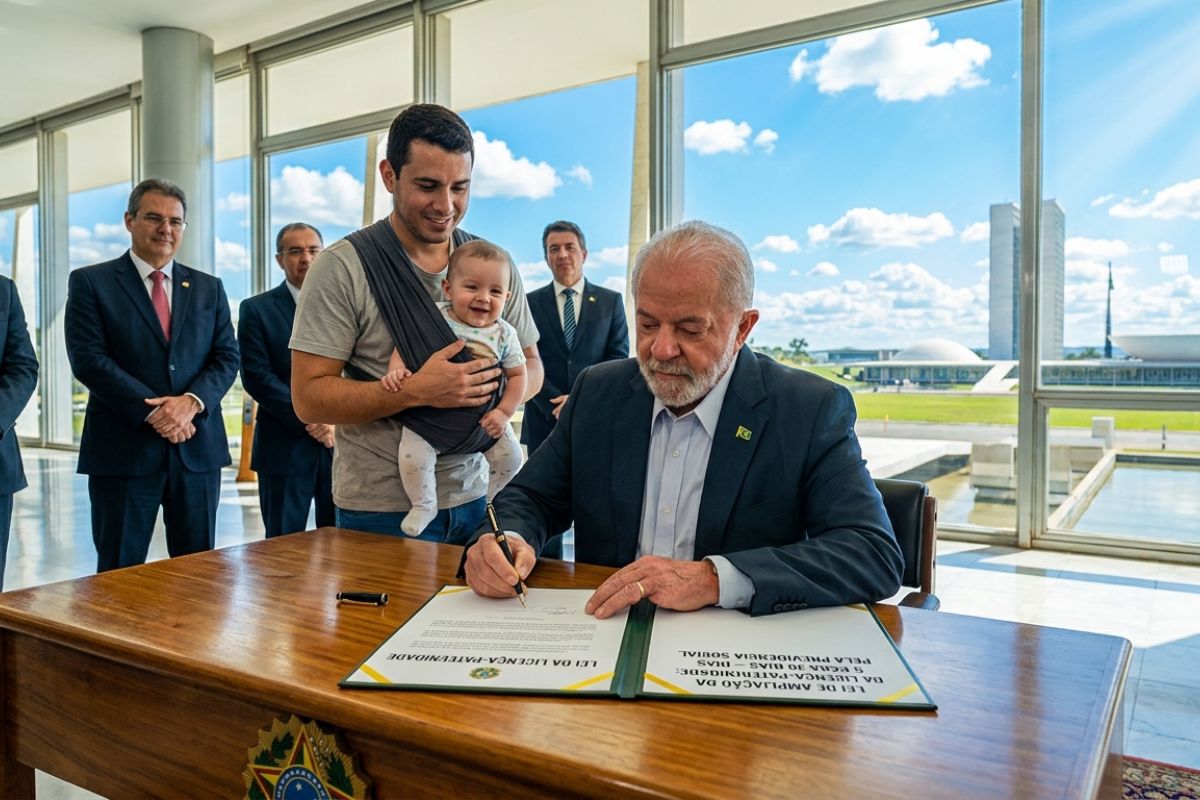
Government enacts new law: paternity leave increases from 5 to 20 days with gradual increases until 2029, and Social Security pays the paternity salary; companies no longer bear the absence cost, estimated at R$ 5.4 billion.
-
End of the 1-hour lunch break in the CLT? Current labor law maintains the break, allows for negotiated reductions, and defines rules for working hours and home office in Brazil.

-
Employee Fired After Accumulating 114 Days of Medical Leave in One Year, Labor Court Upholds Company’s Decision

-
Employee Fired While Treating Depression Wins in Court and Vale Is Required to Rehire Him Following Decision Based on the CLT and INSS Benefits


In addition to the labor discussion, lawmakers assert that the issue has direct implications for quality of life, family income, and even the network of social benefits, as shorter hours may affect productivity, income, and social protection rules related to formal work.
The chairman of the Labor Commission, Leo Prates (PDT-BA), stated that he is still seeking a consensus but believes the analysis will not be concluded this year. He said that, if necessary, he will present an alternative opinion next week to unlock the discussion.
The report also includes two draft bills: one alters the Constitution to establish the new maximum work hours, and the other amends the CLT to regulate the transition. Both still need to be formally submitted to start processing.
The proposal cites conventions from the International Labor Organization (ILO), which has advocated for a limit of 40 work hours per week since 1935. The rapporteur claims that Brazil is already approaching this reality: collective agreements indicate an average work week of 37.9 hours in the country.










Seja o primeiro a reagir!