





 English
  Francês
  Alemão
  Italiano
  Japonês
  Norueguês
  Portuguese
  Spanish
  4 min of reading


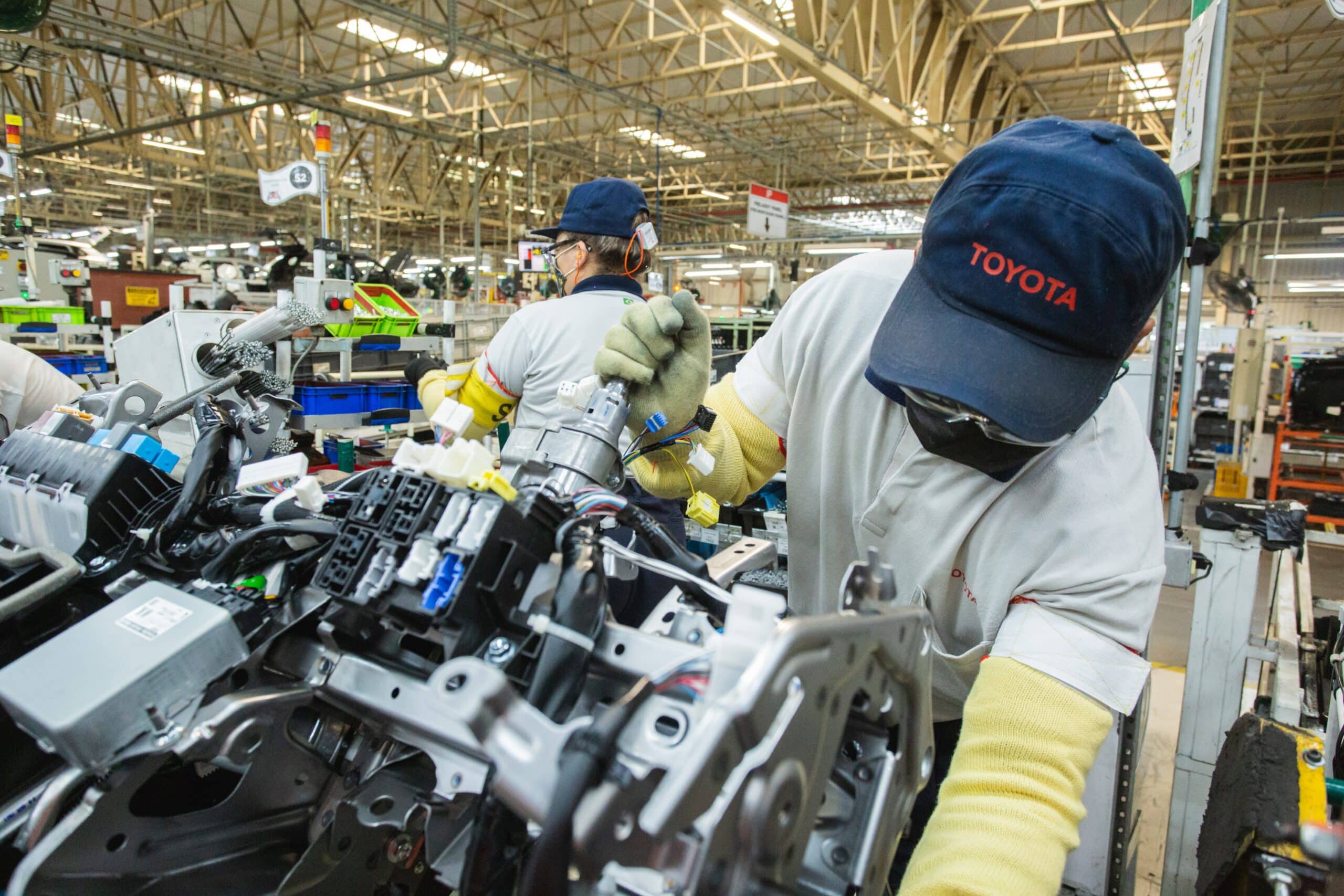
Multinational Vehicle Manufacturer Toyota Increased Women’s Hiring in the Production Area by 100% in the Last 3 Years, Significantly Increasing Diversity in Its Factories
In the last three years, the number of women in the operation at Toyota Brazil’s factories grew by more than 1000%, and to continue this increase, the vehicle manufacturer has invested in improvements in infrastructure, selection processes, and affirmative policies aimed at facilitating women’s retention. The hiring for the third shift at the Sorocaba, SP factory in November 2021 marked an important milestone in this story, as 37% of the hires were women. Along the same lines, the new interns hired at the beginning of 2022 also had a significant female presence in hiring, with 37% of the positions filled by women.
Read Also
- Ambev, the largest brewery on the planet, will provide at least R$ 150 in assistance to workers affected by the cancellation of Carnival; registrations until March 13
- Nubank opens dozens of job vacancies for high school, technical, and higher education for São Paulo and abroad on March 8
- Multinational vehicle manufacturer General Motors outlines an ambitious plan and enters the competition with Ford to dethrone Tesla, the automaker of billionaire Elon Musk
- After halting vehicle production and leaving the country, Ford seeks help to produce 600,000 electric vehicles in just 22 months
- In contrast to Ford, which halted vehicle production and closed all factories in Brazil, multinational Volkswagen surpasses five thousand employees in its industrial complex, with one thousand hires since the beginning of the pandemic
The multinational Toyota aims for a more diverse work environment and has invested in attracting female talent for all areas of the company. The process follows societal advances and brings important changes to a historically male-dominated sector.
“We understand that to continue growing sustainably, it is necessary to have diversity and inclusion in the work environment. In recent years, we have intensified our actions towards this goal and have already achieved significant progress, which does not mean that the work can stop. This is a continuous process that must consider not only hiring but also the retention and development of these talents in a safe environment connected with social advancements and discussions,” explains Celso Simomura, Regional Director of Human Resources and Administration at Toyota Brazil.
-
Engineers propose a fourth traffic light for intersections – the change promises to affect crossings, queues, and waiting times.

-
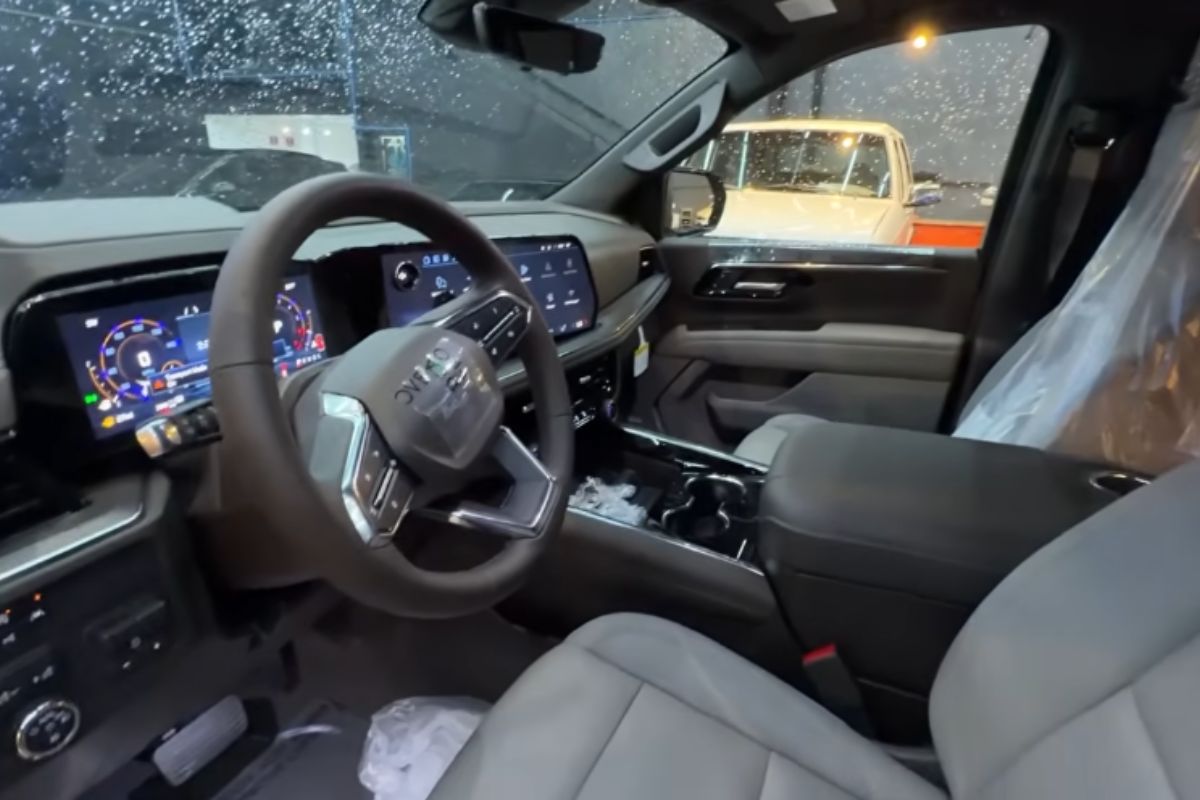
Chevrolet Suburban Z71 lands in Brazil with a V8 engine, off-road design, air suspension, seven seats, and colossal size, a rare version imported for around R$ 1.3 million with luxury and exclusivity.
-
The Chevrolet Onix 1.0 turbo achieves 17.7 km per liter on the highway and ranks among the three most economical cars in Brazil in 2026, alongside two more expensive Toyota hybrids available at dealerships.

-
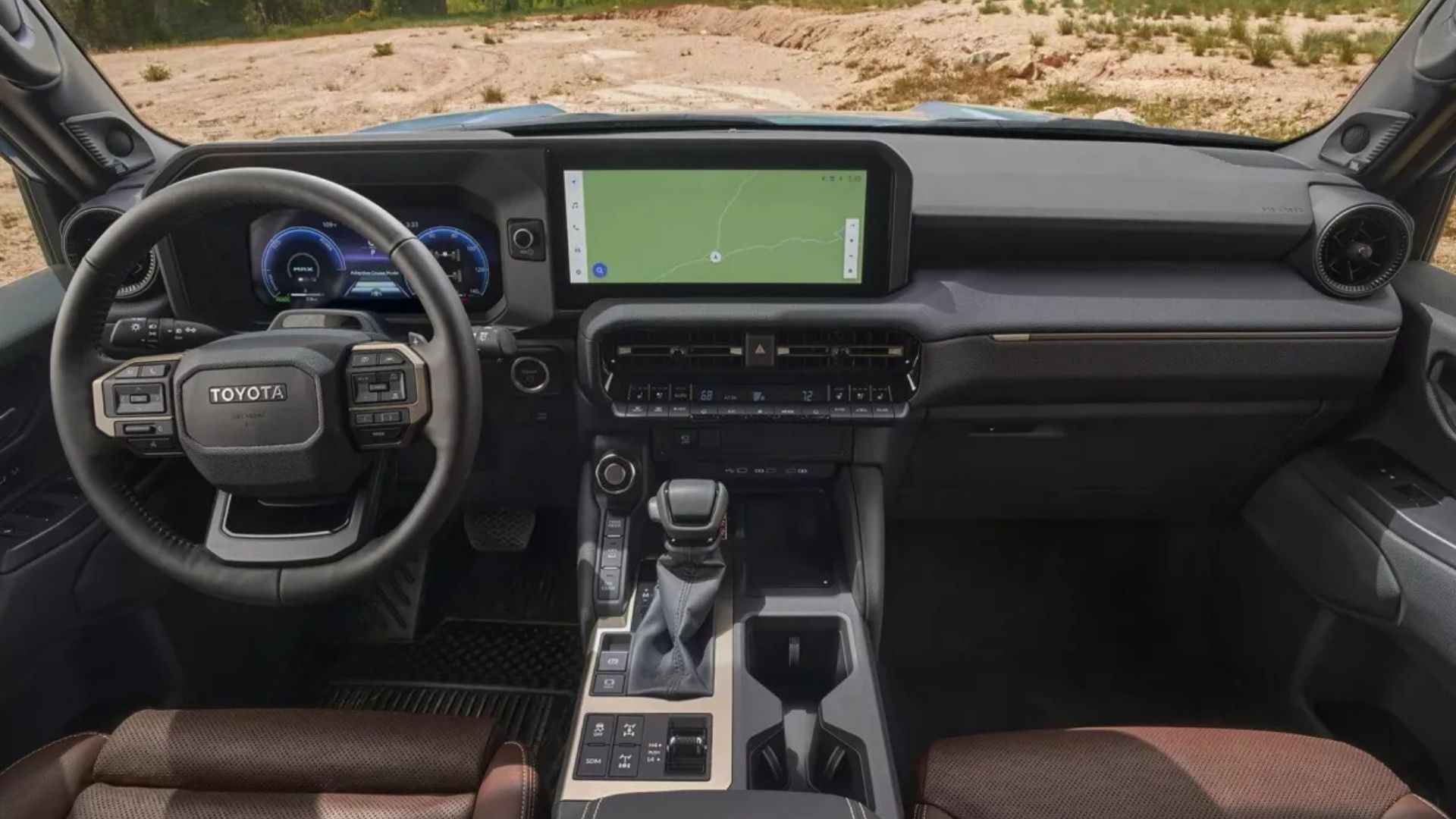
Little sister of the Hilux: Toyota launches Land Cruiser FJ with 4 radical versions, 2.7 engine with 166 hp and 4×4 traction with locking.

In Addition to Equal Pay, Toyota Offers Benefits for Mothers, Such as Flexible Work Hours, Support for Returning from Maternity Leave, and Nursing Rooms for Lactating Employees
As an internal policy, equal pay for men and women is the rule. Additionally, Toyota offers benefits for mothers, such as flexible work hours, support for returning from maternity leave, and nursing rooms for lactating employees – a victory for the internal organization of female employees.
Affinity Groups
For broad diversity, Toyota has organized itself into five affinity groups: LGBTQIA+, Generational, Race and Ethnicity, PWD, and Gender. All of them promote discussion groups, guides, and testimonials aimed at intensifying and bringing discussions across these fronts to the entire workforce. Based on this organization, employees propose improvements and paths for the company to become more diverse, taking their needs and perceptions as starting points.
It was through the gender affinity group that some important changes occurred in the company, such as exclusive mentoring for women, recruitment focused on diversity, and the development of a female uniform for operations to accommodate the growing demand.
“Beyond macro strategic issues related to inclusion, it’s important to think about what directly and daily affects our employees. Therefore, the organization of affinity groups is important, as it facilitates the proposition and request for improvements to the work environment,” concludes Simomura.
Toyota Foundation
In conjunction with the Toyota Foundation, several other actions are taken to bring autonomy and recognition to women. The ReTornar project, for example, is not only an important tool for circular economy, recycling waste from factory operations such as belts, airbags, and uniforms but also trains and generates jobs and income for three groups of seamstresses in São Paulo. Over 1500 people have already benefited directly from these actions.
In Contrast to Ford, Which Halted Vehicle Production and Closed All Factories in Brazil, Multinational Volkswagen Surpasses Five Thousand Employees in Its Industrial Complex, with One Thousand Hires Since the Beginning of the Pandemic
In contrast to Ford, which ended vehicle production and closed factories in Brazil, the automaker Volkswagen enters the Asian market and surpasses five thousand employees in its industrial complex, with one thousand hires since the beginning of the pandemic. The expansion of the workforce is part of the growth strategy with investments of R$ 2 billion by 2025. The multinational’s resources will be allocated to internationalization and the development of more sustainable VW Trucks and Buses.
Volkswagen Trucks and Buses will close the year with five thousand workers operating in its factory, along with its partners in the Modular Consortium. Of this total, one thousand professionals have been hired since the onset of the pandemic, representing growth of more than 25% in their workforce. Read the full article here.









Seja o primeiro a reagir!