





 English
  Francês
  Alemão
  Italiano
  Japonês
  Norueguês
  Portuguese
  Spanish
  4 min of reading


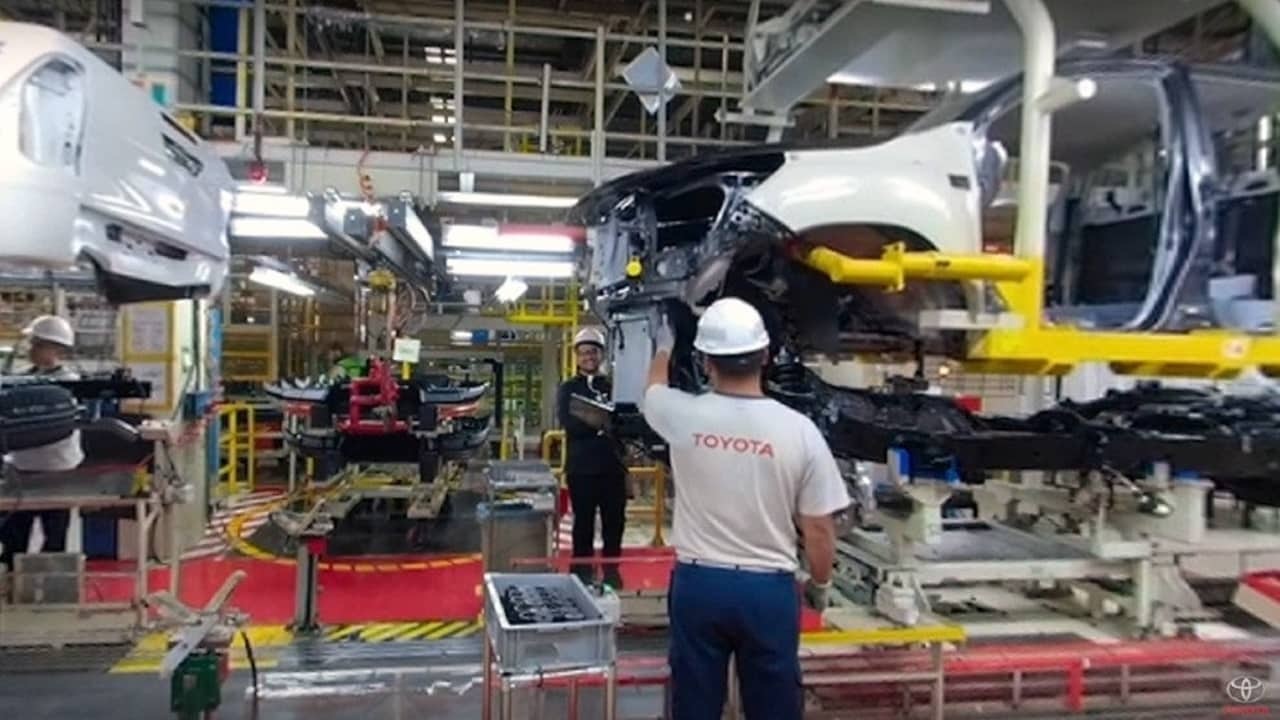
Toyota Goes Against the Grain of the World and Refuses to Abandon Combustion Engines. Multinationals Volkswagen, Renault, Honda, and Volvo Have Announced the End of Production of Gasoline and Diesel Engines
The Japanese multinational automobile manufacturer Toyota is moving in the opposite direction of automakers Volkswagen, Renault, Honda, and Volvo, deciding to continue the production of combustion engines, both gasoline and diesel, in its factories for some time. But that doesn’t mean the automaker refuses to give in to electrification and honor its carbon neutrality commitments.
Read Also
- Volkswagen Launches the New Kombi, the Classic That Remained in Production Until 1975 Here in Brazil Will Have a Successor!
- Volkswagen Launches the New Kombi, the Classic That Remained in Production Until 1975 Here in Brazil Will Have a Successor!
- Volkswagen Calls for Candidates Without Experience in All Areas for Positions in Factories in SP and PR
- After Volkswagen, Ford, Chevrolet, and Fiat, Yamaha Suspends Motorcycle Production in its Factories and Places Employees on Collective Vacation
It is worth remembering that Toyota was the first major brand to launch a hybrid car in 1997 — combining electric and combustion engines at a time when little was said about this.
Despite wanting to honor its carbon neutrality commitments, the Japanese company wants to continue investing, for some time, in hybrid vehicles, whether plug-in or not. This type of powertrain has become a tradition at Toyota.
-
‘Interlocking brick’ made of earth arrives in the construction industry with cost reductions of up to 40% on the project.

-
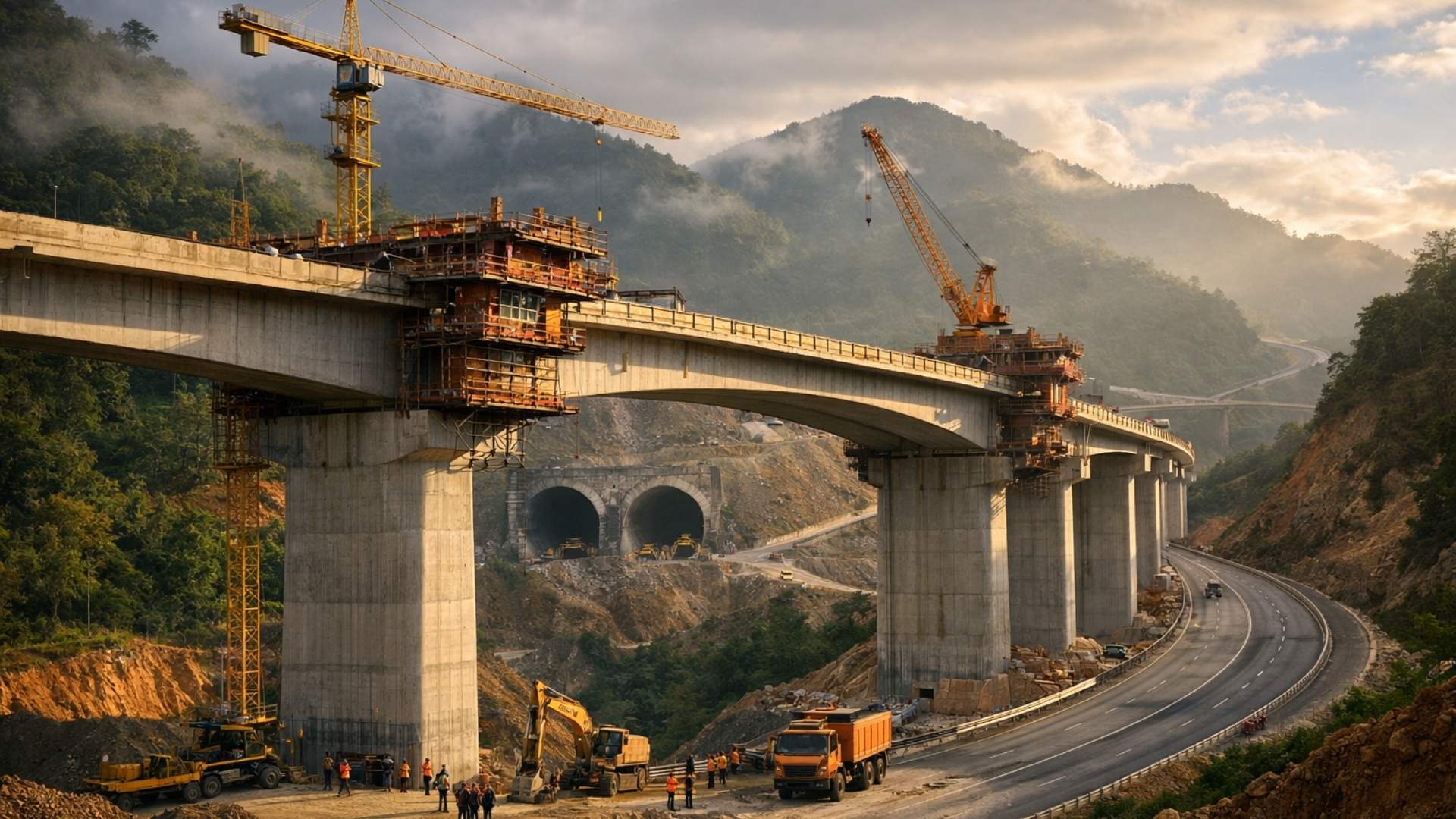
Espírito Santo will receive the largest engineering project in its history with the duplication of BR 262, which will have 50 viaducts, 28 bridges, and 2-kilometer tunnels cutting through the most challenging mountainous region of the entire state.
-
A project of nearly 9 million reais already has the first kilometer paved in Santa Catarina and promises to completely transform the access between Jaraguá do Sul and Rio dos Cedros in an area where tourism is growing at a rapid pace.
-
A couple builds a system to bring water from the spring to their land, climbs a hill with materials on their backs, and creates a simple, cheap, and sustainable solution to ensure their own water supply.

As an example, we can mention the best-selling car in the world, the Corolla, which broke barriers and gained a hybrid version; and, once again, the car was the world’s first bi-fuel hybrid vehicle.
Toyota’s Resistance to Electric Cars Causes Controversy Among Shareholders
The Japanese decision to maintain its tradition has caused controversy among shareholders. According to the news agency Reuters, Toyota’s CEO, Akio Toyoda, has been criticized by shareholders for his stance against fully electric models, risking investors leaving the company.
The Japanese company believes that by 2030, in the U.S., 70% of sales of Toyota and Lexus brands will be of electric models – powered by electricity or hydrogen fuel cells.
Toyota does not refuse to embrace electrification in cars but says it will take longer than expected. Also, during the testimony in the U.S., Wimmer stated that “it’s not that Toyota is completely against a shift in the industry to electric, it simply recognizes that it will take longer than 14 years for GM’s promise to be fulfilled,” emphasizing that Toyota took 20 years to sell more than 4 million hybrids.
Toyota Goes Against Volkswagen, Renault, Honda, and Volvo
Introduced less than a month ago as a concept, the bZ4X will be Toyota’s first fully electric car and the first of a new line, which will feature 7 models arriving by 2025. An additional 8 models, all hybrids, are also slated to be unveiled during the same period.
While Toyota resists keeping gasoline and diesel combustion engines alive for more good years, its competitors announce the end of them.
Honda has established that by 2040 it will end the production of gasoline and diesel combustion engines. Volkswagen was another automotive giant to announce that it will not develop new gasoline or diesel engines.
Volvo has stopped selling fully combustion cars and currently only markets hybrids. According to the automaker, starting in 2030, it is very likely the company will only offer electric models.
Renault, in turn, announced that, from now on, it will not develop new gasoline and diesel combustion engines. Therefore, it will only upgrade existing ones, adapting them to new emission standards, until the end of their lifecycle.
Volkswagen Calls for Candidates Without Experience in All Areas for Positions in Factories in SP and PR
The German multinational Volkswagen, the largest automobile manufacturer in the world, sees the importance of supporting young people entering the job market. The company has openings for trainees in its factories in SP and PR for candidates without experience seeking their first job.
This is an opportunity aimed at graduates between 2016 and 2020 who are interested in working at one of the company’s locations in the country: São Bernardo do Campo (SP), Vinhedo (SP), Taubaté (SP), São Carlos (SP), and São José dos Pinhais (PR).
Prerequisites:
- Advanced English;
- Previous professional experience;
- Graduation: 12/2016 to 12/2020; can be a second degree;
- Must be available to work at any Volkswagen location in Brazil,
Applications are open until May 30, and can be made directly on the company’s website at this link. Good luck to everyone!








Seja o primeiro a reagir!