





 English
  Francês
  Alemão
  Italiano
  Japonês
  Norueguês
  Portuguese
  Spanish
  5 min of reading
  1 comment


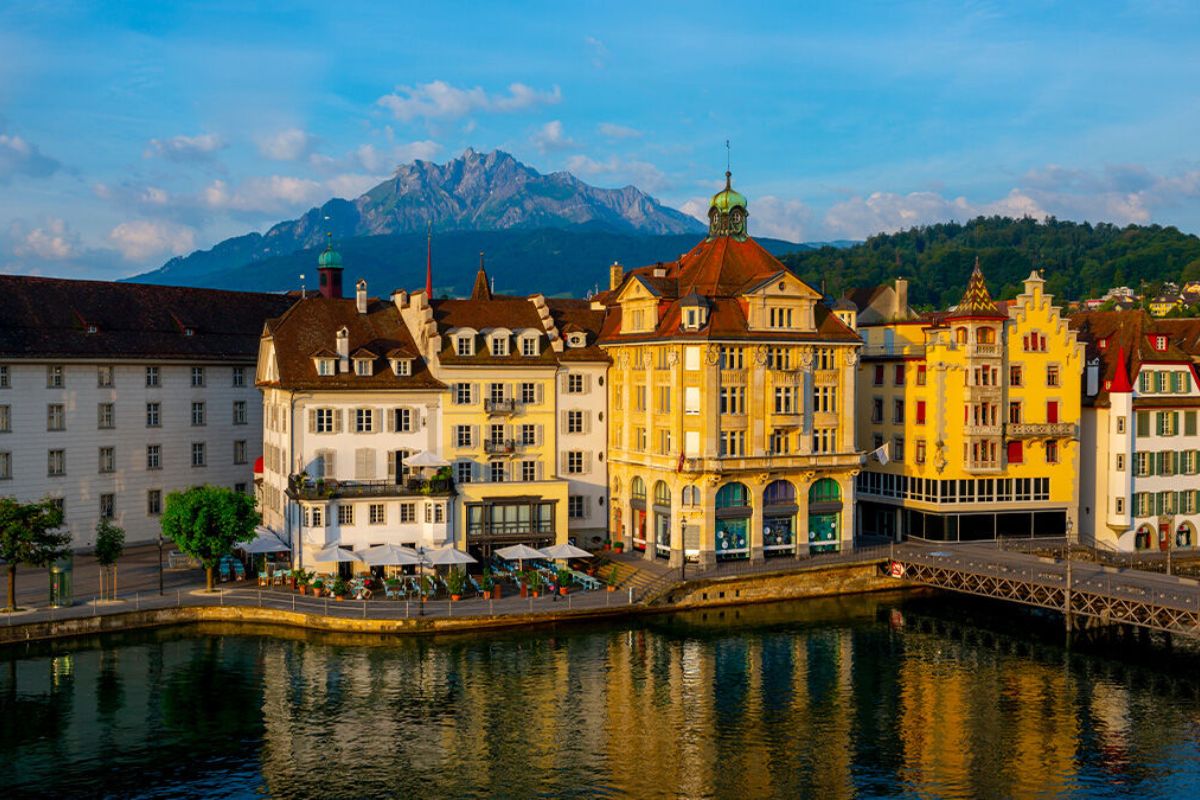


In The Poorest Neighborhoods Of Switzerland, Simple Buildings And Graffiti Coexist With A HDI Of 0.967, Subsidized Rent, Efficient Transport And Exemplary Security, Ensuring Immigrants Stable Salaries, Social Protection And A Quality Of Life Superior To That Of The Middle Class In Many Major Brazilian And Latin American Cities In The Early Twenty-First Century
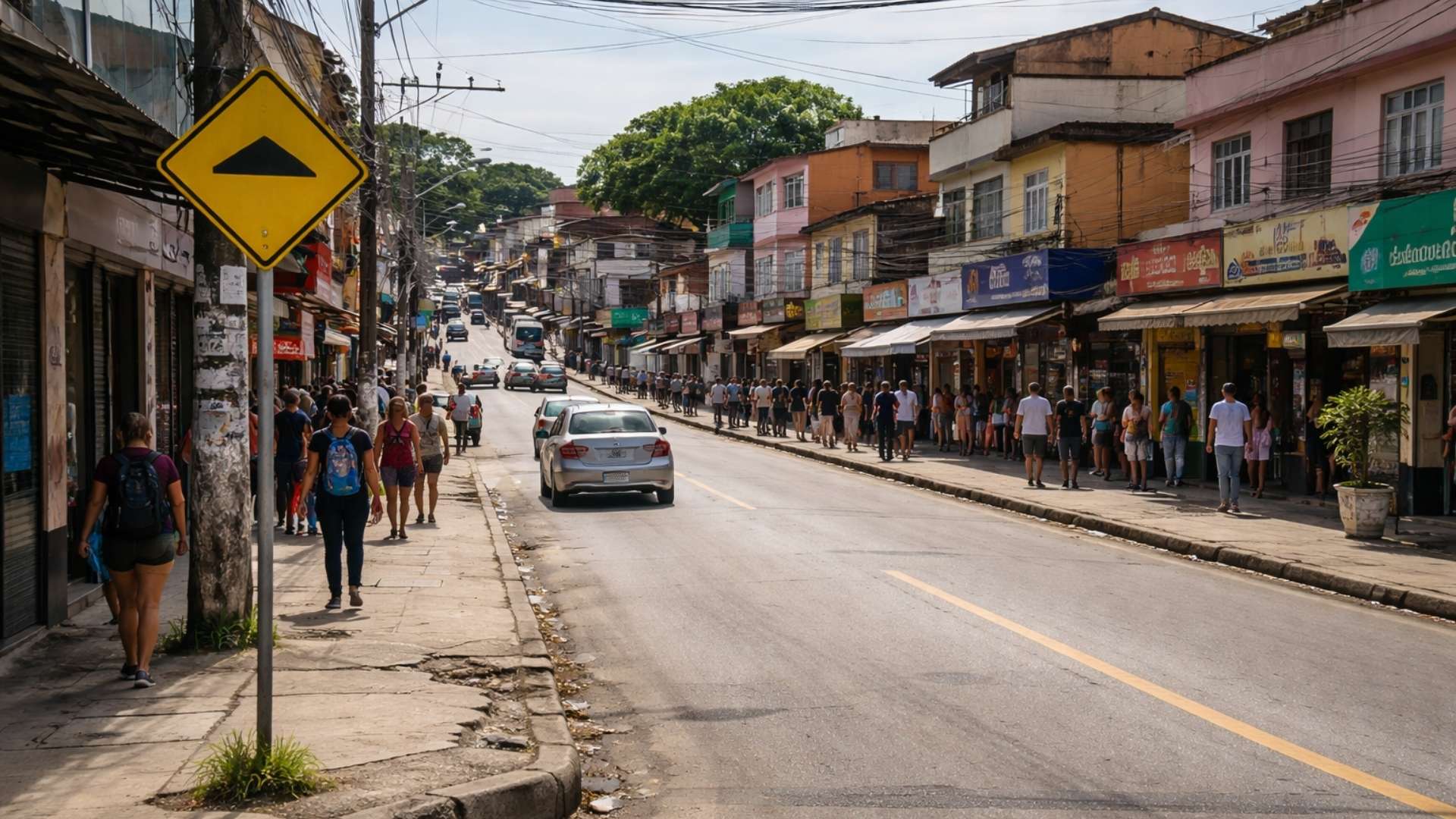
Throughout 2025, videos recorded in popular neighborhoods of Basel, Switzerland, went viral for labeling these areas as “European favelas,” showcasing simple buildings, graffiti on facades, and streets filled with children, immigrants, and neighborhood commerce.
On December 30, 2025, data from the United Nations Development Program (UNDP) confirmed that even in these neighborhoods considered poor, Switzerland operates with a very high HDI, subsidized rent, exemplary security, and access to services that surpass those of parts of the middle class in Brazilian capitals.
Popular Neighborhoods In Switzerland And The Use Of The Term Favela

At first glance, videos published in 2025 show simple buildings, facades with graffiti, and bustling streets, which leads many Brazilians to see a sort of favela in Switzerland.
-
Unemployment rises again to 5.8% at the beginning of 2026, raising alarms about the end of temporary positions and its impact on the Brazilian job market.

-
Document organization can cut invisible costs in small businesses, a simple step that prevents waste, rework, and losses in daily operations.

-
Chinese giant worth nearly R$ 4 billion that manufactures cables for electric cars, solar energy, and robotics wants to open a factory in SC.

-
Many employers do not know, but the law guarantees domestic workers a 25% increase in salary during trips, 50% for overtime, 20% for night shifts, and 17 additional benefits that can lead to labor lawsuits if not paid.


The urban aesthetic diverges from the alpine postcard, with buildings of straight lines, reduced yards, and a higher concentration of people per block.
The contrast appears when observing social indicators.
According to the United Nations Development Program (UNDP), Switzerland records a Human Development Index of 0.967, a very high HDI level that remains even in lower-income areas and ensures complete urban infrastructure for practically all residents.
In these neighborhoods, what distinguishes them from wealthier regions is not the presence of sanitation, transport, or public services, but details like smaller apartments, greater density of residents per building, and a livelier street environment, with children playing outdoors and neighborhood commerce always open.
Who Lives In These Neighborhoods And Why They Choose To Stay
The so-called popular neighborhoods of Basel concentrate immigrants from Turkey, African countries, Asia, and Latin America, who see Switzerland as a destination to rebuild their lives with formal work, structured public services, and the prospect of social mobility.
Diversity manifests in busier streets, ethnic markets, small restaurants, packed barbershops, and a more expansive interaction than the traditional stereotype of the reserved Swiss might suggest.
For many newcomers, living in these areas means experiencing for the first time a combination of exemplary security, subsidized rent, and real access to the city.
Even in income positions considered modest by local standards, salaries around 4,000 francs allow access to decent housing, basic technology, leisure activities, and regular consumption of essential goods, something that, compared to the reality of much of the middle class in large Latin American centers, represents a concrete leap in quality of life.
Social Housing, Subsidized Rent And Exemplary Security
Contrary to the image of neglect associated with housing complexes in many developing countries, social housing in Switzerland follows high standards of maintenance, with constant cleanliness, regular upkeep, and integration into official urban planning, without irregular occupations or lack of sanitation.
The buildings featured in the videos are constructions with simple, functional lines, designed for efficiency more than historical aesthetics, surrounded by well-maintained sidewalks, frequent public transport, and bike lanes that connect these neighborhoods to the rest of the city.
Even when there is graffiti or occasional litter, the contrast with peripheral zones of Brazilian metropolises highlights an exemplary security and a degree of urban organization that is hardly associated with the idea of favela.
Another central component is the weight of subsidized rent.
A significant portion of families pay amounts adjusted to their income, with state support to complement housing costs.
This reduces the risk of extreme overcrowding, lessens forced displacements to distant areas, and helps keep immigrants and low-income workers close to jobs, schools, and health services.
Border, Cost Of Living And Comparison With The Brazilian Middle Class
Many of these neighborhoods in Basel are close to the borders with France and Germany, allowing residents with regular documents to cross the river or the border line to shop for euros and reduce the cost of everyday items, from food to cleaning products.
Added to salaries around 4,000 francs, this access to neighboring markets creates a scenario where families classified as low income in Switzerland can establish a balanced budget, invest in basic technology, pay for public transport, and save part of their income, which is far from the reality of much of the middle class in Brazilian and Latin American capitals.
This is why videos calling these neighborhoods favelas tend to function more as provocation than as diagnosis.
In practice, the combination of a very high HDI, subsidized rent, exemplary security, and efficient public services supports a quality of life that surpasses that of many central neighborhoods occupied by the middle class in large cities on the continent.
Inequality Without Extreme Poverty And Lessons From Switzerland
The lowest-income neighborhoods in Basel show that income inequality does not have to mean urban misery.
Even where the poorest population is concentrated, Switzerland maintains strict standards of infrastructure, social protection, and urban security, avoiding the abandonment scenarios common in Latin American peripheries.
The experience of these popular areas dismantles stereotypes about immigrants being condemned to live on the margins.
Instead, they reveal a housing policy in which subsidized rent, urban planning, and a network of public services create an environment where newly arrived families live with relative comfort and real prospects for upward mobility.
For those observing from the outside, especially from Brazil, the comparison between these Swiss communities and many neighborhoods occupied by the middle class in large Latin American capitals raises an uncomfortable question about public investment, the design of social policies, and the commitment to the quality of life of the entire population.
After learning this data, do you believe that Switzerland’s social housing model could inspire policies capable of transforming the reality of the middle class and popular neighborhoods in Brazil, or does that still seem too distant from our current structure?








Infelizmente no Brasil, oque conta é o bolso do político, eles não estão interessados em uma iquiparaçao ,quanto mais **** melhor para eles manipularem