





 Portuguese
  English
  Spanish
  6 min of reading
  0 comments


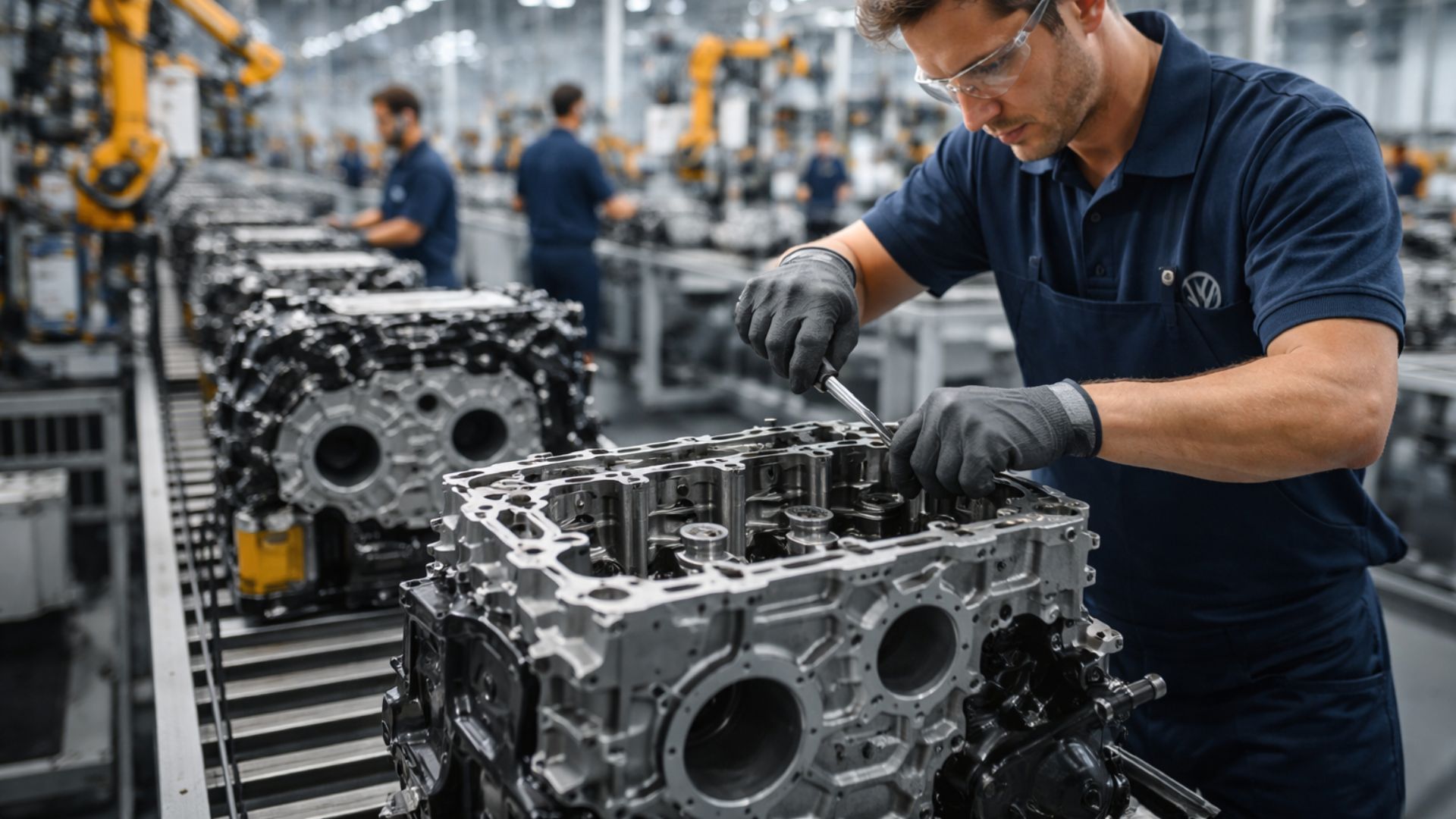
Industrial Rhythm Impresses At The Volkswagen Engine Plant In São Carlos, Where An Engine Comes Off The Line Every 33 Seconds And Almost 2,500 Units Are Produced Daily, Under Strict Quality Control With More Than 150 Checks That Maintain A Minimum Failure Rate.
At the Volkswagen engine plant in São Carlos, in the interior of São Paulo, the production cadence summarizes the scale of the operation: one engine is completed every 33 seconds.
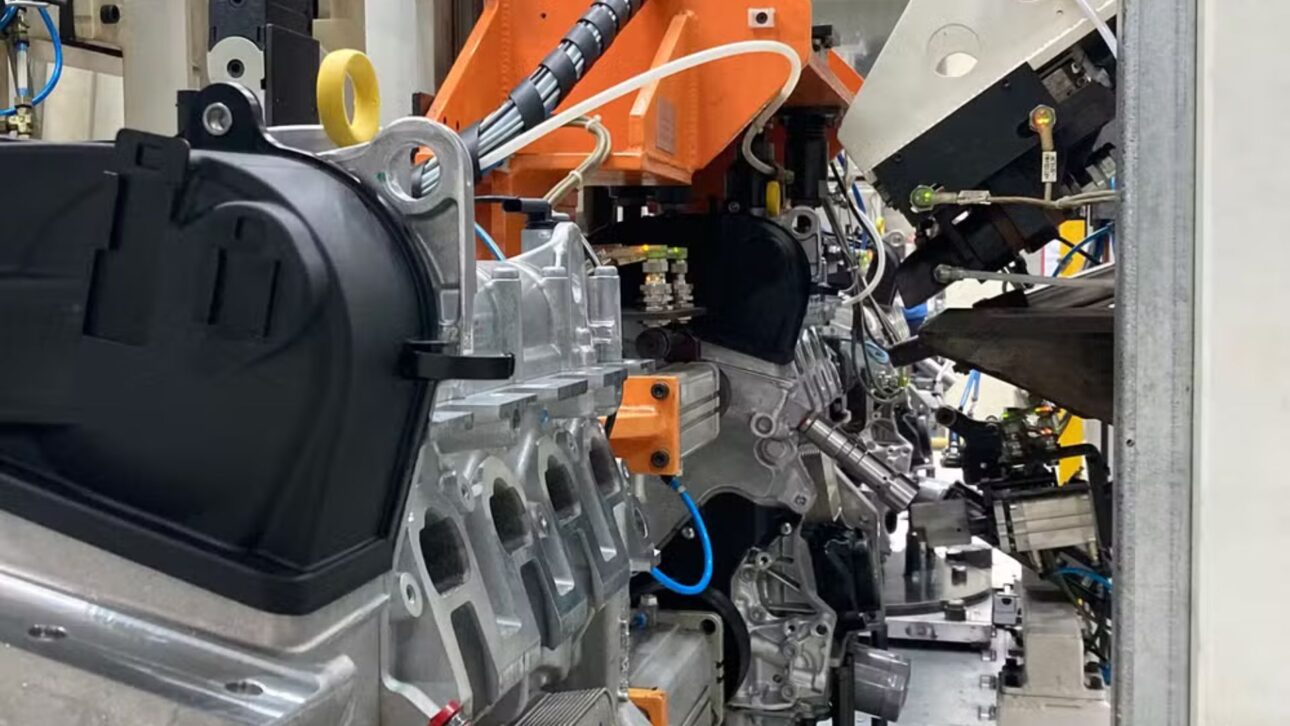
At this pace, the unit reaches about 2,500 engines per day, very close to the installed capacity of 2,600 units daily, focusing on the EA211 family, composed of the 1.0 MPI, 1.0 TSI, 1.4 TSI, and 1.6 MSI engines, according to a report published by the Autoesporte website.
The plant supplies factories of the brand in Brazil and also abroad, with engines that equip everything from hatchbacks and sedans to SUVs from Volkswagen.
-
In a flooded well, archaeologists found a 1,700-year-old Roman egg that still contains clear and yolk intact inside the very thin shell.

-
Something is happening around the Earth: Inside the huge explosion of fireballs in 2026

-
A hot air bubble coming from Argentina expands over Brazil, causing thermometers to exceed 38 degrees with a thermal sensation of 40 degrees in late March, affecting 6 states at once.

-
The radish leaf that almost everyone throws away has more polyphenols, flavonoids, and fiber than the consumed root, and a 2025 study showed that the leaf contains compounds that protect the intestine, combat inflammation, and may inhibit the growth of cancer cells.


Production of EA211 Engines in São Carlos
The operation draws attention not only for the volume but for the control.
According to Volkswagen, the internal tolerance target is one engine out of compliance for every thousand produced, equivalent to 0.1%.
In practice, the observed rate at the unit is 0.05%, a result sustained by more than 150 checkpoints distributed along the assembly line.
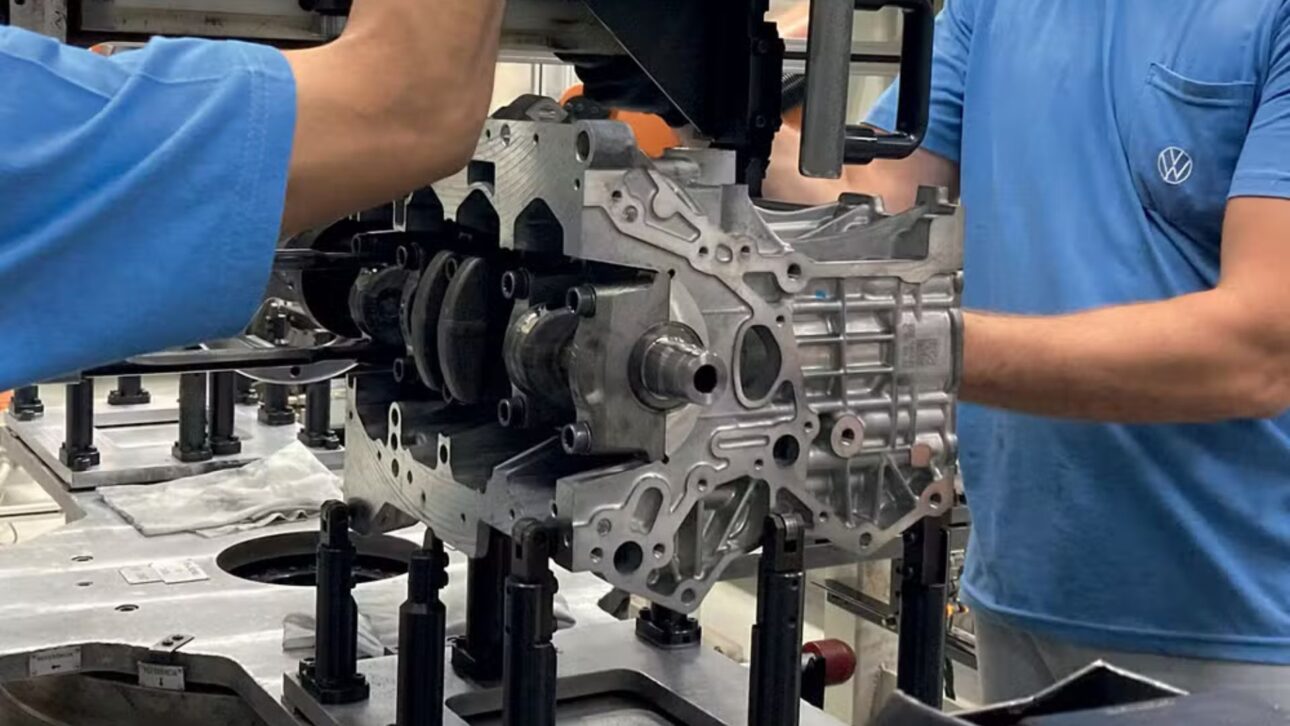
When a parameter deviates from the standard, the system emits an immediate alert for analysis and correction before the set advances to the end of the line, according to findings from the Autoesporte website.
Digital Tracking And Assembly With Industrial Precision
The São Carlos unit locally produces central engine components, such as cylinder heads and crankshafts, and integrates items supplied by industrial partners into the assembly.
In the case of the crankshaft, the machining process removes a significant portion of the raw steel mass until the part reaches the required standard.
The cylinder heads undergo an extremely rigorous cleaning control, with a minimal tolerance for residues after machining, an indication of the level of precision adopted in the factory.
Part of this engineering is explained by the diversity of applications.
Although the plant works with four main engines from the EA211 family, the number of combinations exceeds 50, considering power, torque, calibration, fuel, and market destination.
The same block can follow to different configurations, depending on the vehicle that will receive that set, whether a model sold in Brazil, exported to Latin America, or destined for production in Mexico.
To avoid exchanges and incompatibilities, dozens of components receive traceability codes throughout the manufacturing process.
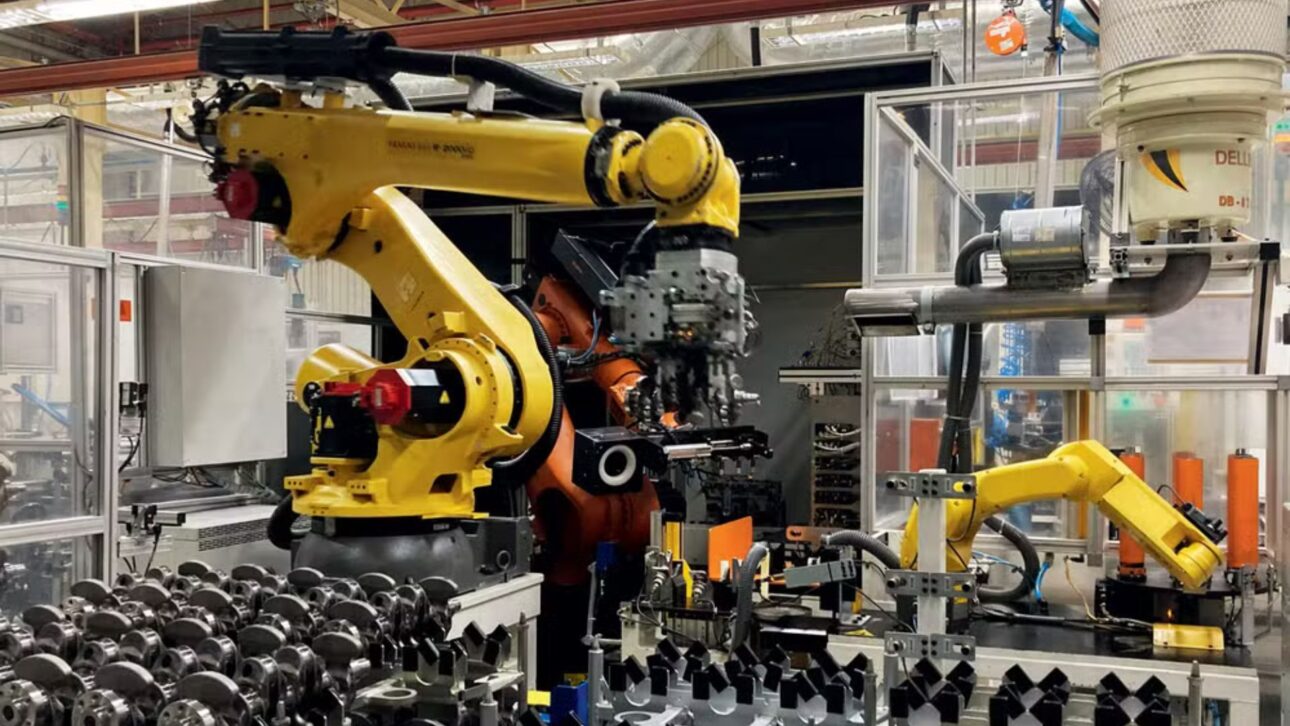
The system identifies the type of block and automatically cross-references the information with parts such as bearings and connecting rods, guiding the operator on the correct item at each station.
In addition to digital reading, there is visual reinforcement with color markings on the parts, making selection more intuitive and reducing the chance of error on a line that operates at high speed.
The industrial logic is complementary.
The computer records which component entered which engine, at which stage and under which parameters.
This allows for precise location of any discrepancy, even at the level of individual parts.
According to Marcelo Ferri, quality manager at the plant, many times what is called a failure would not cause any problem for the customer, but any deviation from the standard makes the engine come off the line for verification, as reported by the executive in an interview cited by the Autoesporte website.
“When we talk about a failure, many times it’s something minimal, that would never cause a problem in the customer’s hands. But if some parameter is not followed, that engine comes off the line for verification.”
Cold Test Analyzes 130 Parameters In Each Engine
The final assembly stage concentrates one of the most sensitive filters of the process.
Once assembled, the engines go to the so-called cold test, applied to 100% of the production.
In this phase, sensors and cameras automatically check 130 characteristics of the engine in about a minute, without the need for combustion.
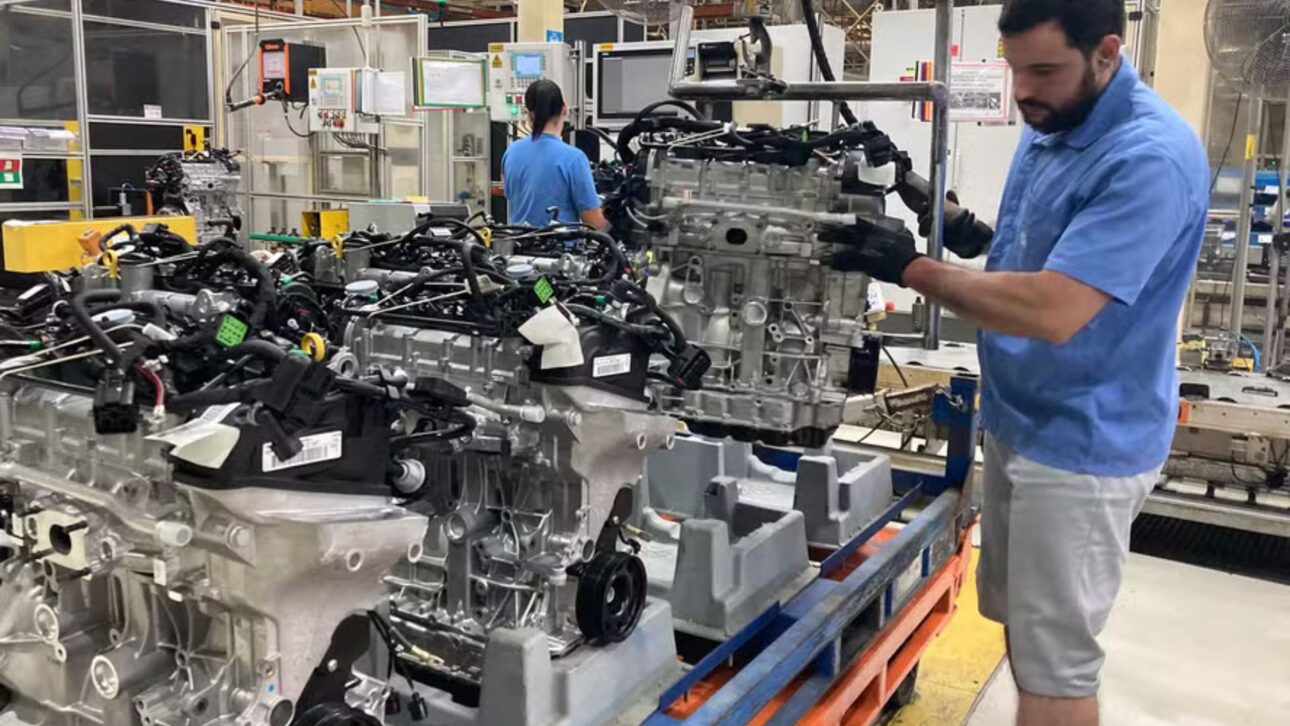
Only after approval is the engine released for shipment and sent to other Volkswagen plants.
There is also a second level of control, done by sampling, in the dynamometers at the unit.
Every month, 16 engines undergo quality and durability tests, in tests that can last from eight to 535 hours of continuous operation.
The structure installed on site accommodates different fuels to simulate varied usage conditions and validate resistance, performance, and operational stability of the sets.
Engines That Equip Volkswagen Cars In Brazil And Abroad
This work model helps explain why the plant has gained relevance within Volkswagen’s industrial strategy in Brazil.
The manufacturer itself reports that São Carlos is responsible for the EA211 engines in the 1.0 MPI, 1.0 TSI, 1.4 TSI, and 1.6 MSI versions.
In 2021, the unit reached the mark of 2 million EA211 engines produced since the beginning of this family’s manufacturing in the country, which started in 2013.
At that time, the company highlighted that a significant portion of the volume was also intended for export.
The engines manufactured in São Carlos equip a broad base of vehicles from the brand.
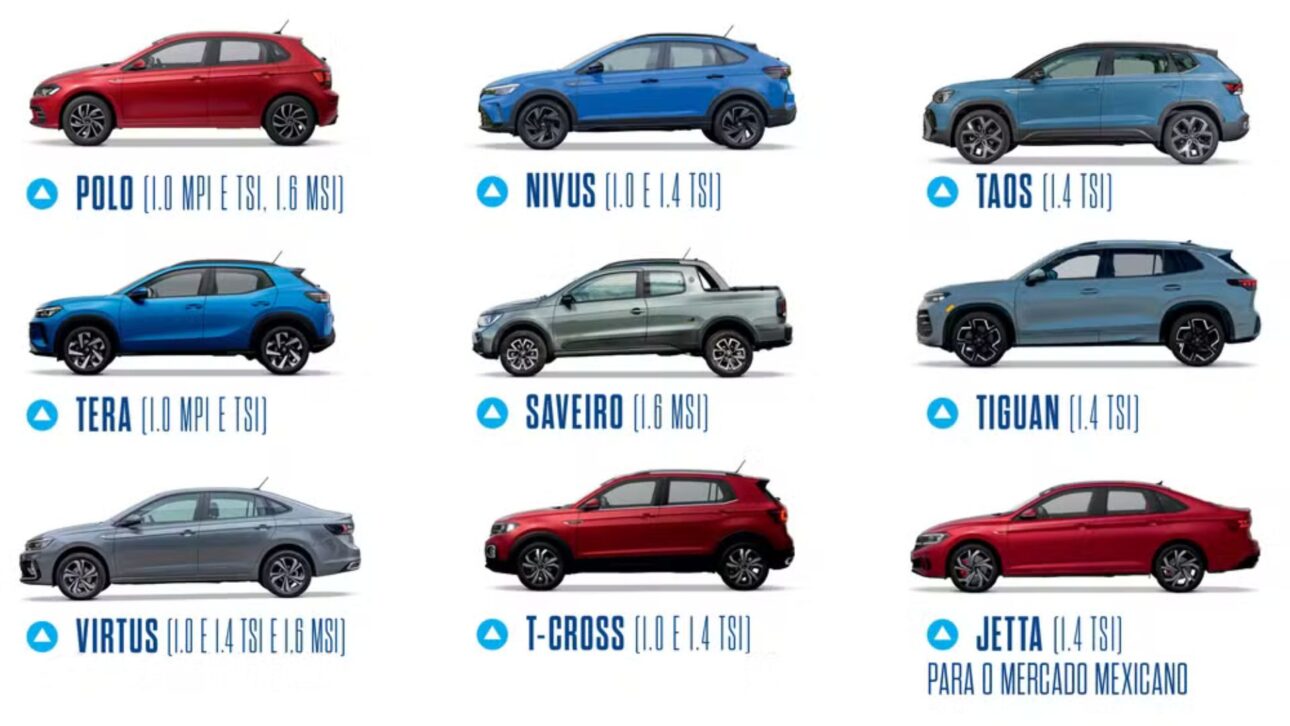
Volkswagen reports on its corporate page that the unit supplies models such as Nivus, New Polo, T-Cross, Virtus, Saveiro, and Taos.
In addition, the Tera, launched in 2025, uses the 1.0 MPI with 84 hp and 1.0 170 TSI with 116 hp engines, both associated with the family produced in São Carlos.
In previous cycles and under export contracts, the 1.4 TSI engine was also sent to Puebla, Mexico, where it equipped models such as Tiguan and Jetta.
The operation also involves strategic suppliers.
Components such as pistons, connecting rods, rings, pins, and bearings are supplied by partner companies, including Mahle.
According to Germano Almeida, application engineering manager at the company, the work is done in conjunction with automakers to develop specific processes aimed at reducing friction, emissions, and noise.
“We work directly with manufacturers to develop specific processes aimed at reducing friction, emissions, and noise.”
In addition to the current volume, the factory has also been included in Volkswagen’s new investment cycle in Brazil.
In the 2024 sustainability report, the automaker stated that São Carlos will develop a new engine for hybrid vehicles, as part of the investment package announced for the country.
This information enhances the strategic weight of the unit, which has transitioned from being a center for conventional and flex-fuel engine production to an important piece in the next stage of the brand’s technological transition in the Brazilian market.
The routine of the plant confirms that manufacturing engines on a large scale requires more than speed.
In São Carlos, productivity, traceability, and control operate in the same rhythm, sustaining a line capable of delivering thousands of units per day with minimal margin for deviation and with continuous monitoring up to shipment, as also highlighted by the Autoesporte website when detailing the operation of the industrial unit.






-

-

-

-

-

-

51 pessoas reagiram a isso.