





 Portuguese
  English
  Spanish
  5 min of reading
  0 comments


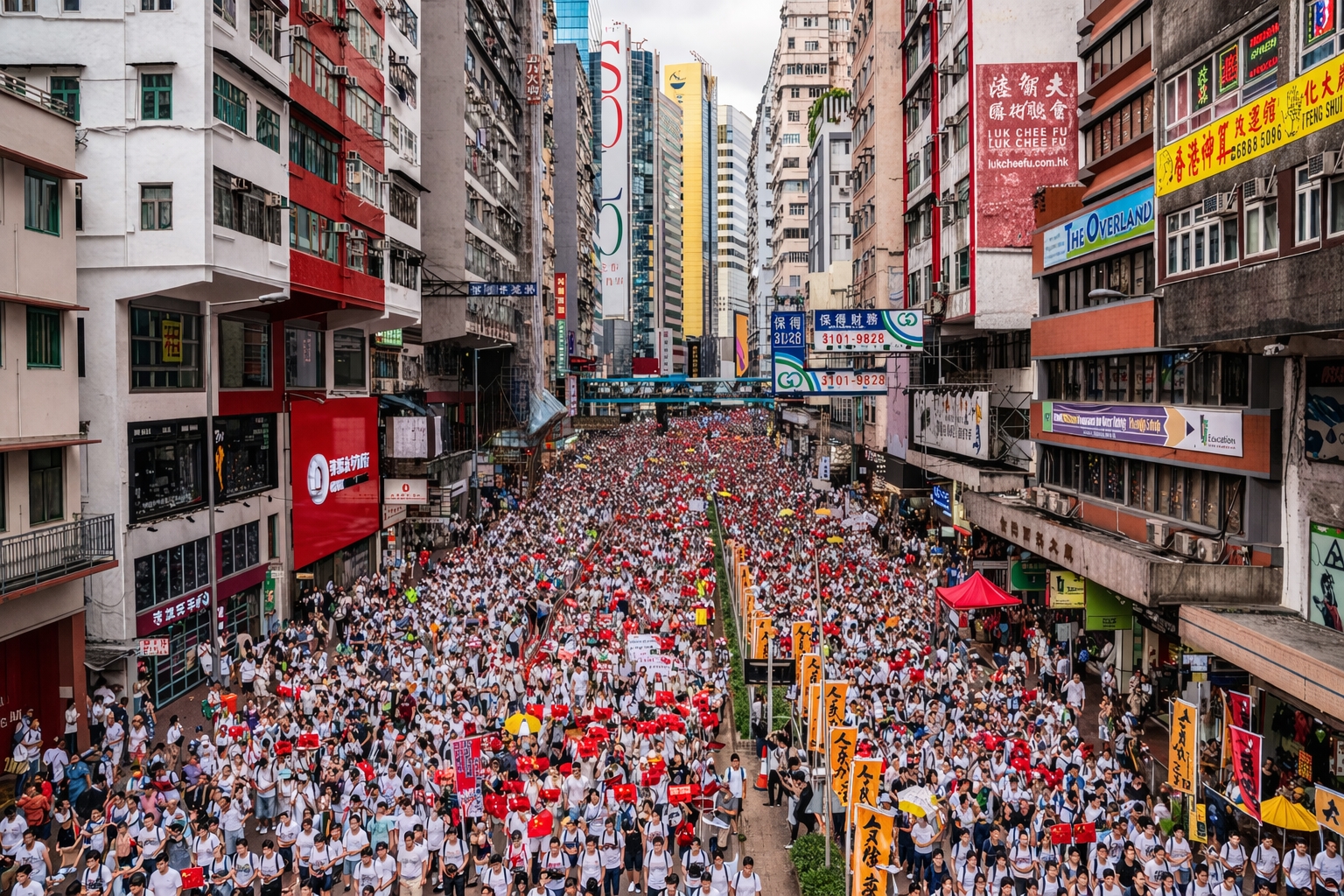
The ancient capital of China crossed centuries, reached 1 million inhabitants before any other city and remains a symbol of urban greatness
Nanjing, in China, made history as the first city in the world with 1 million inhabitants, consolidating a rare position among the largest urban centers ever formed by humanity. The city also became the capital of different empires and has traversed the centuries without losing its political, cultural, and symbolic weight.
This combination transformed Nanjing into one of the most striking names in Chinese civilization. What was once a monumental center of the ancient world now appears as a vibrant metropolis, full of memory, technology, universities, and an urban life that draws attention in every detail.
The report was published by UNESCO, an international organization focused on culture, and by Britannica, an international reference encyclopedia.
-
At 100 years old, an elderly man who dreamed of “making it to the newspaper” finally shares his story, reaching his centenary with children, grandchildren, great-grandchildren, and great-great-grandchildren, moving his family with a life of hard work, farming, honesty, and without vices.

-
Germany proposes silent propellers to solve a centuries-old problem: the damage caused in the ocean by ship noise.
-
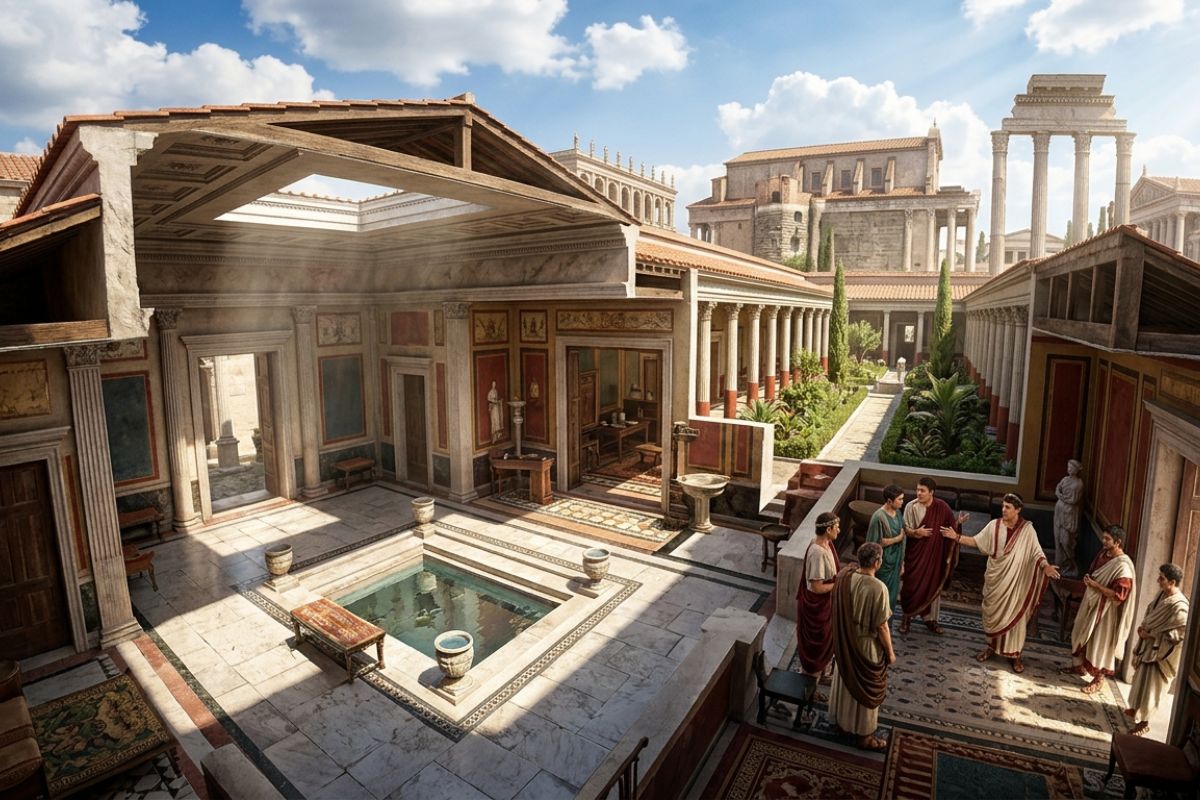
What the Public House of Julius Caesar was like inside in the Roman Forum: layout, atrium with compluvium and impluvium, tablinium and peristyle, and the scandal of the Bona Dea, revealed in an AI recreation.
-
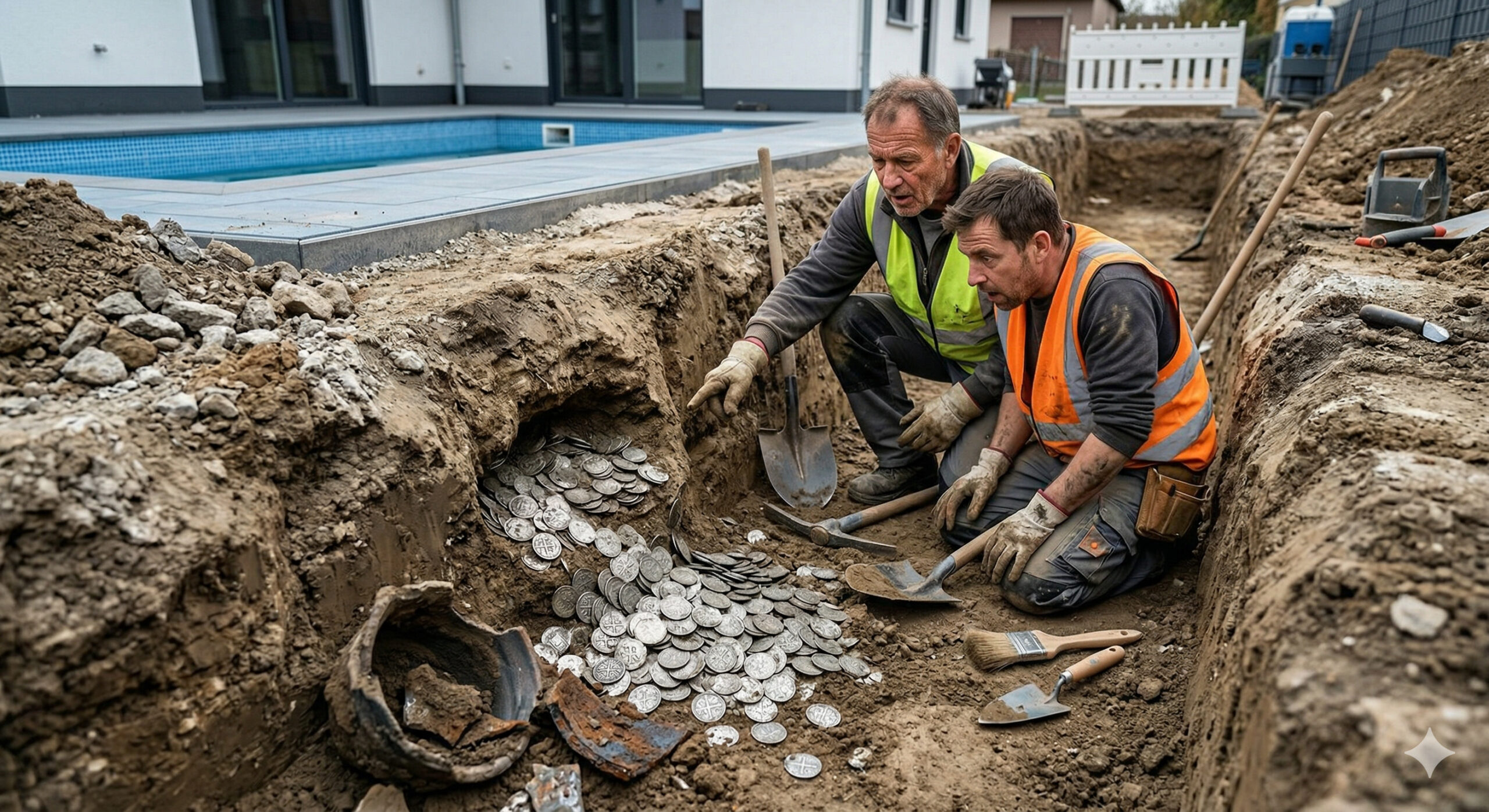
While digging a trench next to a pool in Germany, workers found more than 1,500 silver coins from 1320 in the rubble, revealing a treasure buried for over 700 years.

China raised in Nanjing a capital that changed the history of cities
Nanjing was born in a region of very ancient occupation and grew to become a decisive capital in the political formation of China. Over time, the city concentrated power, culture, and population on a scale that few have managed to achieve.
The urban prominence of Nanjing led the city to occupy a unique position in world history. The landmark of the first city in the world with 1 million inhabitants elevated its name to a dimension that transcends borders and reinforces the image of a place that was destined for greatness from its inception.
This past can still be felt in the walls, in the palaces, in the mausoleums, and in the way the city preserves its own legacy. Nanjing does not only hold ruins of time; it keeps alive the presence of an era when being capital meant commanding the course of kingdoms, dynasties, and ideas.
The first city in the world with 1 million inhabitants, Nanjing became a reference of urban greatness
The title of the first city in the world with 1 million inhabitants makes Nanjing a symbol of scale, organization, and historical importance. This achievement places the city in a rare position, reserved for centers that changed the way humanity began to live in urban environments.
More than just a number, this milestone helps to understand the extent of Nanjing’s influence. A city that reaches this dimension in such an ancient period does not grow only in population; it grows in power, commerce, culture, and the ability to attract people, knowledge, and wealth.
The relevance of this point also amplifies the contemporary fascination with the city. Nanjing is not only viewed as an ancient capital of China, but as a place that redefined the notion of metropolis at a time when few cities had the structure to achieve such scale.
The historical capital of China today reveals an intense and surprising modern life
Modern Nanjing has 9.577 million inhabitants and an urbanization rate of 87.3%, numbers that show how the city has preserved its urban vocation over time. The municipality records a 1.850 trillion yuan GDP and a per capita disposable income of 75,180 yuan, indicating a robust economy and a society strongly integrated into the metropolitan environment.

The urban routine is marked by constant movements, university campuses, commercial areas, and a vast mobility network. Nanjing has 15 rail lines in operation and surpassed 1 billion subway trips in a year, reinforcing the image of a dynamic, connected city prepared for the daily flow of millions of people.
The university presence also shapes the way the city lives. There are 53 higher education institutions, with 834,000 university students and 219,900 postgraduates, which helps create a young, intellectual, and vibrant environment. Cafés, libraries, bookstores, and cultural centers are part of this landscape that blends tradition and future.
Nanjing, in China, draws attention for uniting imperial capital, literature, and extraordinary scenery
Few cities have as many layers as Nanjing. Visitors find the visual strength of the Confucius Temple, the nighttime glow of the Qinhuai River, the grandeur of the Sun Yat-sen Mausoleum and the symbolic weight of the Ming Xiaoling, all within the same urban narrative.
This ensemble transforms the city into one of the most fascinating places in China. The ancient capital does not live only on memory; it offers an intense visual experience, with monuments, scenic areas, bustling streets, and an atmosphere that blends historical solemnity with contemporary pulse.
There is also a cultural side that further reinforces this identity. UNESCO, an international organization focused on culture, recognizes Nanjing as a City of Literature, a title that enhances the city’s value as a center of books, writing, thought, and symbolic production.
The first city in the world with 1 million inhabitants remains alive in museums, streets, and the Yangtze River
Nanjing maintains an expressive cultural network, with 82 museums, 15 public libraries and 575 cultural relics protection sites above the municipal level. These numbers show that the historical memory of the city has not been trapped in the past; it remains organized, preserved, and accessible in the present.
The city also surprises with its relationship with nature in the metropolitan area. The landscape connected to the Yangtze River reinforces the uniqueness of the place and helps create an image that escapes the ordinary for large urban centers.
Britannica, an international reference encyclopedia, detailed the historical, cultural, and industrial weight of Nanjing. This combination helps to understand why the city continues to awaken interest as one of the most extraordinary urban spaces in China.
Nanjing remains associated with the idea of greatness because it combines the past of capital, the landmark of the first city in the world with 1 million inhabitants and the reality of a modern metropolis that continues to expand. The city preserves symbols of power, concentrates intense cultural life, and still carries an urban imagination that impresses with its scale and permanence.
Those who observe Nanjing find more than an ancient city. They find a place where history continues to breathe in avenues, universities, monuments, and riverbanks. If you enjoyed this content, please leave your comment and share the publication.





Seja o primeiro a reagir!