





 Portuguese
  English
  Spanish
  5 min of reading
  1 comment





Advanced Technologies in Today’s Engines Revolutionize Performance and Economy, but Hide Challenges and Essential Care That Can Directly Impact the Durability and Cost of Your Car If Not Properly Understood and Applied in Daily Life.
Did you know that cars with turbo engines and direct injection, increasingly common in new models, require specific care to avoid costly damages?
These technologies, which promise more power and efficiency, can become a headache if not used correctly.
According to mechanical engineer Kleber Willians Ferreira, an automotive mechanics specialist, almost all new cars today adopt the concept of downsizing, which consists of reducing engine displacement — for example, from 2.0 or 1.8 to 1.0 or 1.2 — without losing performance, thanks to the use of turbocharging and direct injection.
-
Hidden marks on the walls of the site associated with the Last Supper of Jesus for centuries have been deciphered in Jerusalem, revealing medieval inscriptions left by pilgrims, European nobles, and travelers from the Middle East.

-
One of the most important lakes in the United States for birds, the balance of nature, and the climate has dried to historic levels, leaving boats stranded, revealing salt flats, and showing how the lack of water can transform an entire landscape.

-
It’s not Cristiano Ronaldo or Messi: the richest football player in the world is only 27 years old, has a fortune of 100 billion reais, and is the nephew of a sultan from an Asian country that few people know about.

-
Honda performs miracles in fuel consumption with a hatch that marks 13.2 km/l in the city and 15 km/l on the highway, leaving Polo, HB20, 208, and Onix behind and becoming a reference among compact cars without resorting to turbo or hybrid systems.


This combination promises to deliver more efficiency and lower fuel consumption, but it also brings challenges and care that many drivers are unaware of.
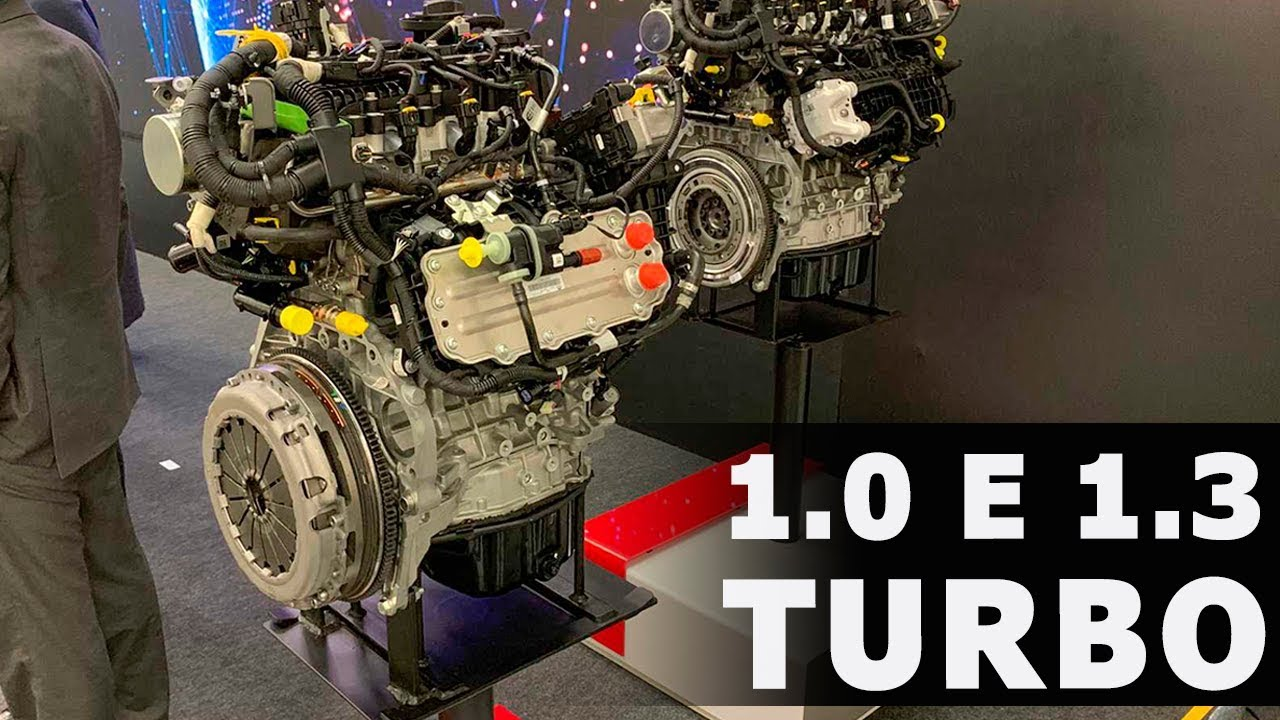
The Real Durability of the Turbo and Care at Startup
In theory, these engines are designed to last up to 400 thousand kilometers, including the turbocharger.
However, according to Kleber, in practice, the turbine often experiences failures between 150 thousand and 200 thousand kilometers — a premature wear that can be avoided with proper maintenance.
A fundamental care is the routine at the vehicle’s startup: wait about 45 seconds with the car idling the first time you turn on the engine.
This time is essential for the oil to adequately lubricate the turbine shaft, which can spin at an impressive 250 thousand revolutions per minute (RPM).
“If the driver takes off immediately, the oil won’t have reached the turbine, causing friction and accelerated wear,” Kleber warns.
Additionally, after more sporty or intense trips, it is ideal to keep the engine running for two to five minutes before turning it off, allowing the turbine to cool down.
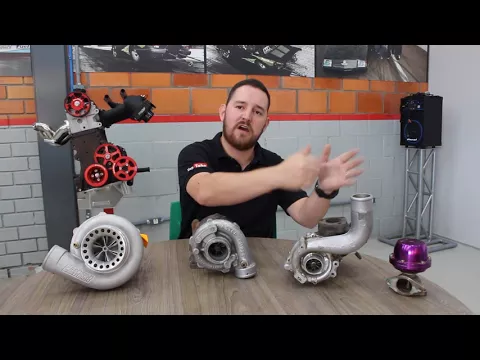

Importance of Oil and Periodic Changes
Another critical point lies in the choice of lubricant oil.
Modern engines require high-performance oils that comply with strict technical standards, such as the API (American Petroleum Institute).
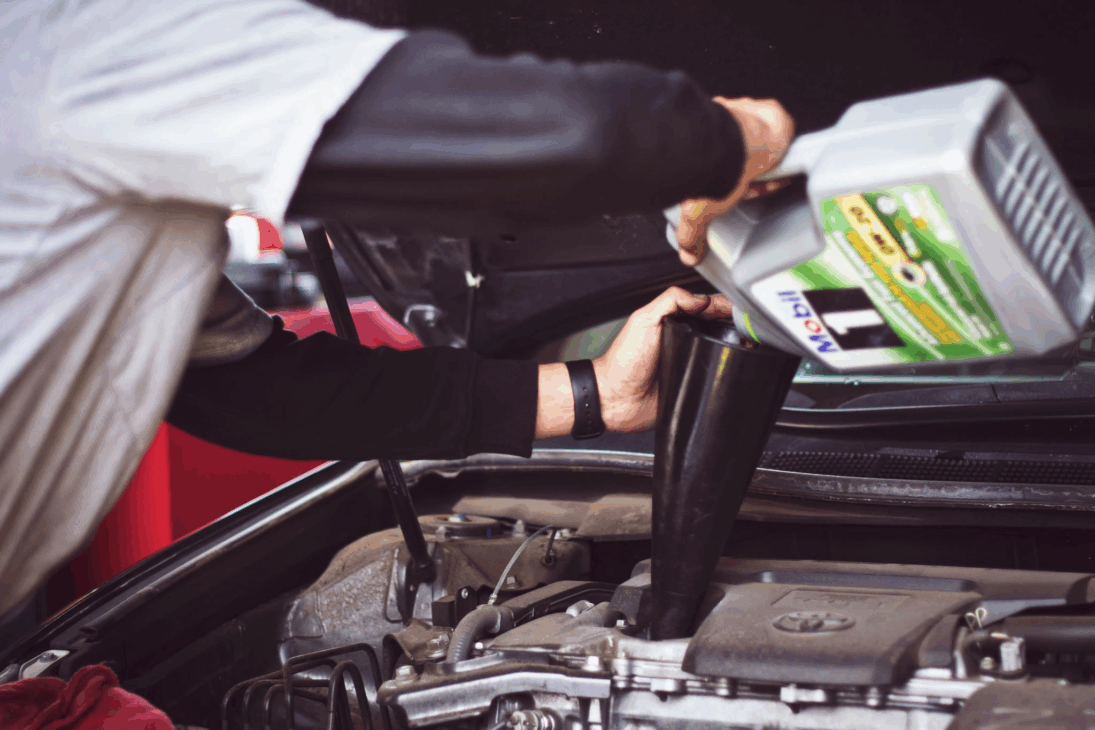
The use of inadequate oil, especially in cars with oil-bathed timing belts, can cause serious damage — from rubber degradation of the belt to clogging of the oil dipstick and even complete engine seizure.
Changing the oil within the recommended timeframes is an indispensable practice to preserve the engine and turbo.
Valve Carbonization: An Invisible Problem of Direct Injection
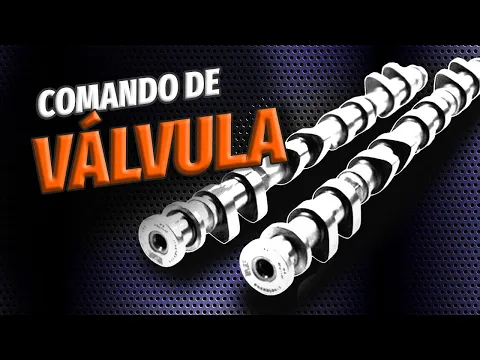
The direct injection technology, which enhances performance and fuel economy, brings a side effect that few are aware of: valve carbonization.
Since the fuel no longer passes through the intake ducts to “wash” the valves, oil vapors, fuel, and gases from the recirculation system (such as from the EGR valve) accumulate, forming crusts that compromise engine function.
This buildup reduces power, causes failures, increases consumption, and in extreme cases, can lead to engine breakage.
When the valves do not close properly, there is a risk of collision with the piston, a serious and costly issue.
To avoid this, Kleber recommends preventive decarbonization every 40 thousand kilometers.
Keeping the ignition system, fuel injectors, and fuel pump in good condition also helps minimize the formation of these residues.
The Impact of Urban Use and Short Trips
Another factor that directly influences engine durability is the type of vehicle usage.
Short urban trips, common in large cities, hinder ideal engine warming, favoring oil contamination and increased carbonization.
Driving a few kilometers in the city, without allowing the engine to reach the ideal temperature, causes fuel to contaminate the oil, impairing lubrication and potentially damaging the oil-bathed belt, in addition to clogging essential systems.
Lack of Guidance from Dealerships and Preventable Losses
Although this information is crucial for the engine’s lifespan, many dealerships do not explain this care at the moment of vehicle delivery.
Kleber recalls that during his time at the dealership, he observed customers leaving without understanding how the car works, leading to problems in the first inspections at 10, 20, or 30 thousand kilometers.
This lack of knowledge leads to failures that could be avoided with proper guidance.
To assist consumers, Kleber wrote a free ebook with detailed guidance on the maintenance and care of modern engines.
He warns that although technology evolves rapidly, the driver needs to be prepared to care for the car, risking facing substantial losses in the future.
Technology, Fuel, and Extra Care
In addition to the mentioned care, it is important to highlight that the technological advancement in engines also comes with innovations in sensors and electronic systems that monitor the engine’s health in real-time.
Newer models offer precise diagnostics and early alerts regarding the need for maintenance, making life easier for the driver and preventing serious failures.
However, this does not replace the attention and basic care recommended to protect the turbo and direct injection system.
Another relevant detail for Brazilian consumers is that the fuel quality can directly impact the performance and durability of these modern engines.
Gasolines with inadequate additives or low-quality ethanol can accelerate residue formation and compromise the injection system.
Therefore, choosing reliable gas stations and refueling with high-quality fuels is another recommended preventive measure.
Is It Worth Investing in Turbo and Direct Injection?
Finally, for those considering buying a car with a turbo engine and direct injection, the tip is to research and fully understand these technical aspects, in addition to considering the type of usage you will give to the vehicle.
Cars with these technologies are excellent for those seeking power and efficiency, but they require extra attention to ensure durability and avoid unexpected repair costs.
Were you aware of these essential care measures when acquiring a car with a turbo engine and direct injection? How do you usually take care of your vehicle to ensure it runs well for longer?









Excelente e oportuno artigo. A maioria das pessoas que conheço e tem carros TSI não tomam cuidado na partida do motor frio, outros poucos felizmente da importância da gasolina aditivada de qualidade, da carbonização da sede de válvulas com uso de descarbonizantes inclusive bicos e bomba de alta. Em suma, quer ter motor turbo com injeção direta, precisa cuidar e abastecer com o melhor combustível para depois não culpar a tecnologia que é excelente.