





 Portuguese
  English
  Spanish
  4 min of reading
  0 comments


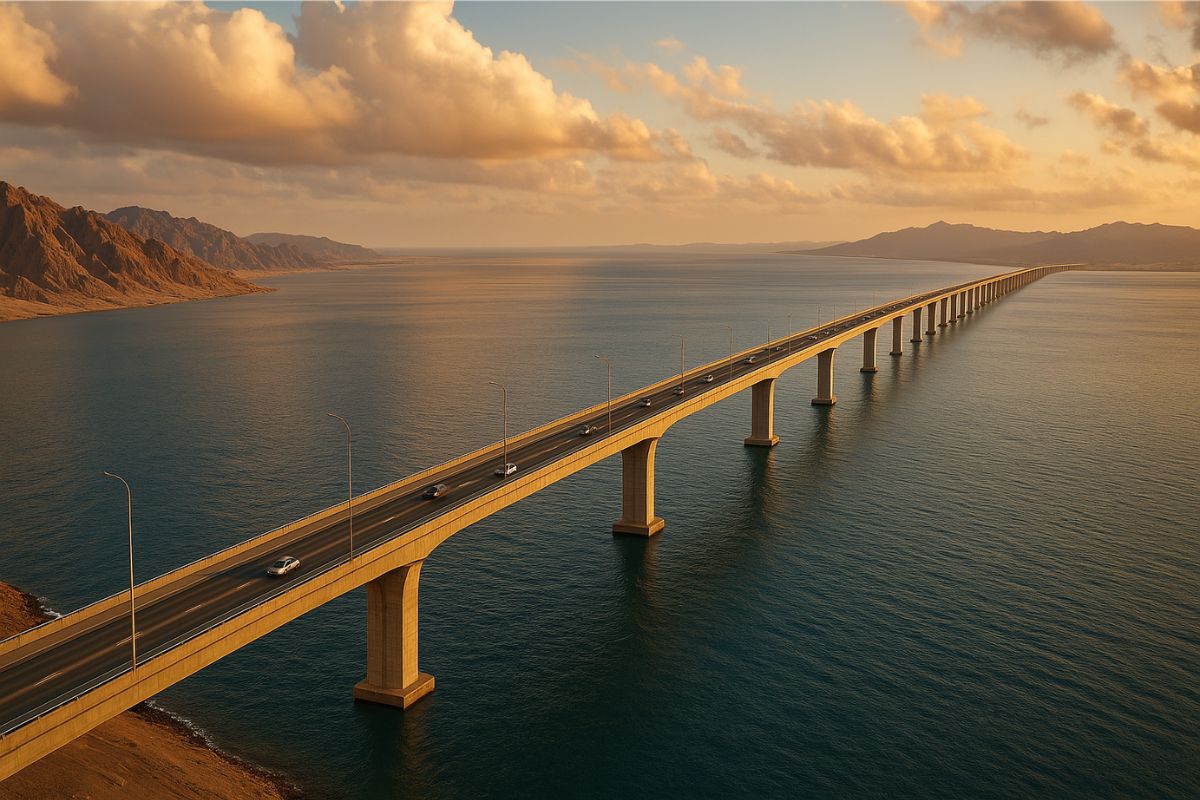
With US$ 4 Billion and 30 km in Length, Saudi Arabia Builds Bridge That Will Connect Africa and Asia for the First Time in Modern History
A monumental bridge set to cross the Red Sea promises to physically link Africa to Asia for the first time in modern history. More than an engineering feat, the project — officially named King Salman bin Abdulaziz Bridge, but popularly known as “Moses Bridge” — is part of an ambitious geopolitical strategy that involves mobility, tourism, religion, urban innovation, and, above all, the future of Saudi Arabia.
A Billion-Dollar Project to Connect Civilizations
Confirmed by authorities from Egypt and Saudi Arabia in the first half of 2025, the project will cross the Tiran Strait, a strategic point in the Red Sea. Fully funded by the Saudi monarchy, the estimated cost of the construction is US$ 4 billion. The structure will measure between 14 and 32 kilometers, depending on the final design approved by the environmental and diplomatic agencies of both countries.
The bridge will depart from Sharm el-Sheikh in Egypt and flow into the western sector of Neom, the futuristic Saudi megacity being built in the northwest of the country. This is a highly sensitive region: the strait has been the scene of tensions between Egypt and Israel and currently is part of a demilitarization agreement mediated by the United Nations.
-
Hershey admitted that it was replacing real chocolate with palm kernel oil in its most famous candies and now, after a flood of complaints, promised to return to the original recipes with real cocoa.

-
The Brazilian army gets to work and sends a convoy to set up a temporary bridge over an important river after a heavy storm.

-
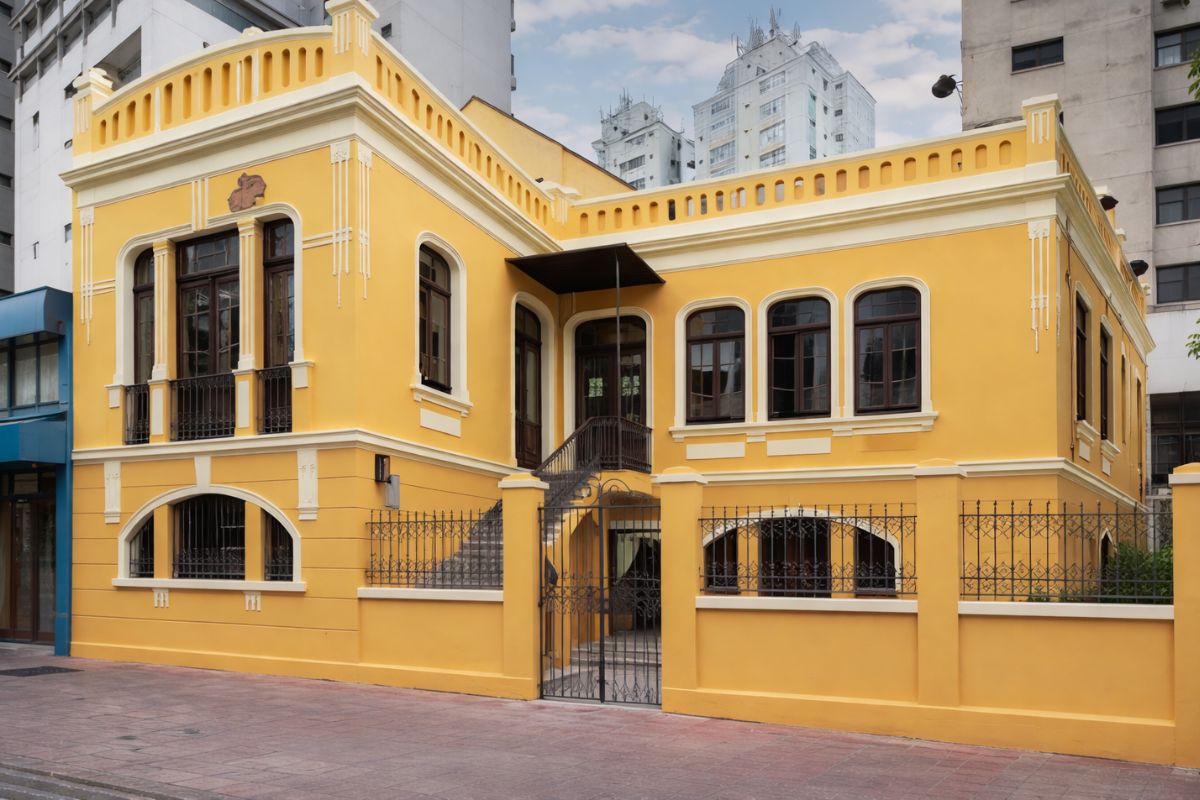
From ruin to digital culture center, the 1920 mansion on Riachuelo Street is now open and has become a showcase of the revitalization of downtown Curitiba, attracting commerce, tourists, and projects.
-
The valley that looks like another planet: fairy chimneys, churches carved into the rock, and underground cities form the labyrinth of Cappadocia in Göreme, where erosion has created a unique landscape since the 4th century AD.
In June 2025, the Egyptian Minister of Transport, Kamel al-Wazir, announced to Al Arabiya that technical and logistical studies are completed: “The route has been designed, the environmental impacts assessed, and the funding secured. We are ready to start construction as soon as the governments give the green light.”
According to him, the project has a strategic nature: “It will transform tourism, facilitate pilgrimages, and boost bilateral trade between the continents.”
The Bridge to the City of the Future: Neom as a Destination
The main beneficiary of this new route will be Neom, a fully planned city based on renewable energy, artificial intelligence, and radical urbanism. Within Neom is The Line, a linear project spanning 170 kilometers that will do away with cars and highways, promoting underground transport and zero carbon emissions.
With a partial inauguration scheduled for 2030, Neom relies on efficient access infrastructure to meet its economic goals. Currently, the only way to reach the region from Africa is via slow ferries operated by Arab Bridge Maritime Co.. The bridge will allow direct vehicle crossings and could eventually even accommodate railway tracks, although this decision is still under review.
The urban planning advisor for the Saudi project, Fahd Al-Harbi, told The National: “This is not just a mobility project. It is a bridge between civilizations. We are reactivating a historical axis, connecting Egypt to the Arabian Peninsula, now with 21st-century technology.”
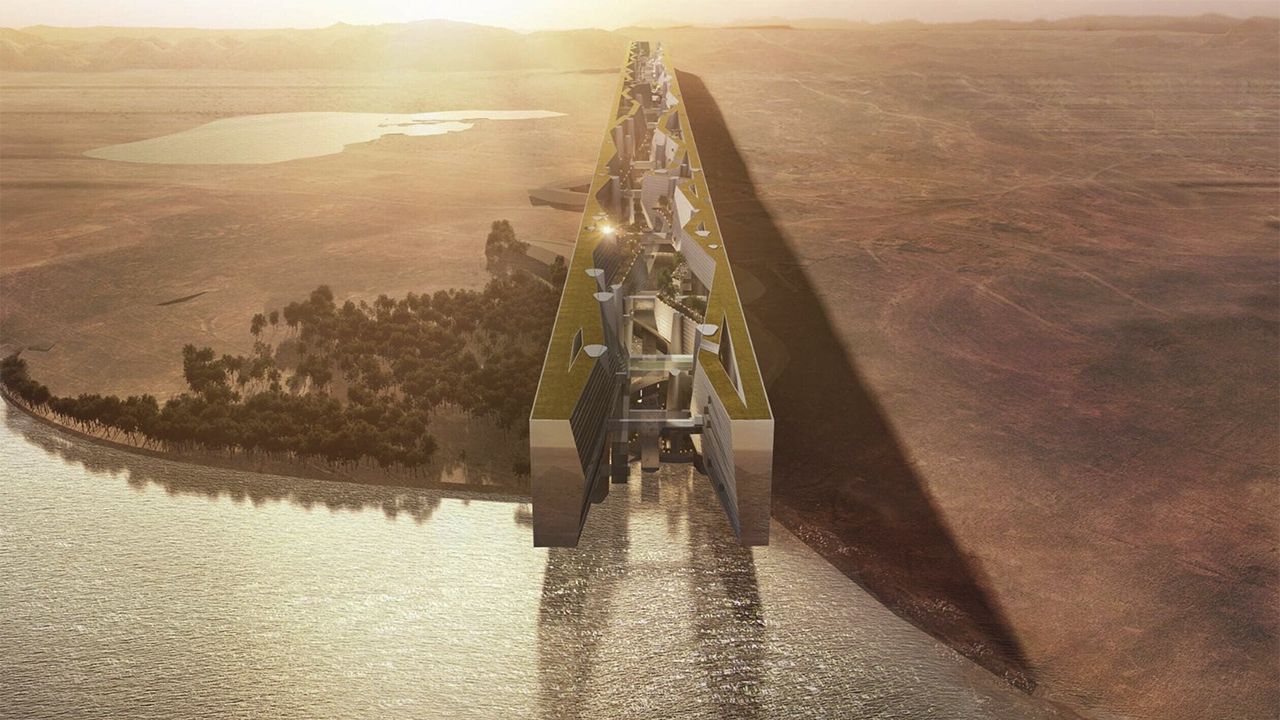
Religious Symbolism, Diplomatic Challenges, and Environmental Concerns
The informal name “Moses Bridge” is not without reason. The region through which the structure will pass corresponds to the area mentioned in biblical tradition as the place where Moses parted the sea to guide his people to freedom. This association has been used by Saudi authorities to promote the project, linking it to the idea of rebirth, crossing, and spiritual connection.
Despite the enthusiasm, the project still faces delicate obstacles. From an environmental perspective, the Tiran Strait houses one of the most sensitive areas of the Red Sea ecosystem, with coral reefs protected by international conventions. Construction will therefore require low-impact engineering methods and ongoing oversight.
In the diplomatic field, the bridge must respect the Camp David Accords, which guarantee freedom of navigation in the strait for Israel and impose military limitations on the islands of Tiran and Sanafir, which will be bordered by the structure. Sources linked to the Israeli government, according to reports from Haaretz and Jerusalem Post, indicate that the country does not oppose the project but demands formal guarantees that maritime traffic will not be restricted.
When asked about this point, the Saudi ambassador to the United Nations, Abdallah Al-Mouallimi, stated: “We are fully committed to respecting international laws and regional agreements. This bridge will be a symbol of stability, not tension.”






Seja o primeiro a reagir!