





 Portuguese
  English
  Spanish
  5 min of reading
  0 comments


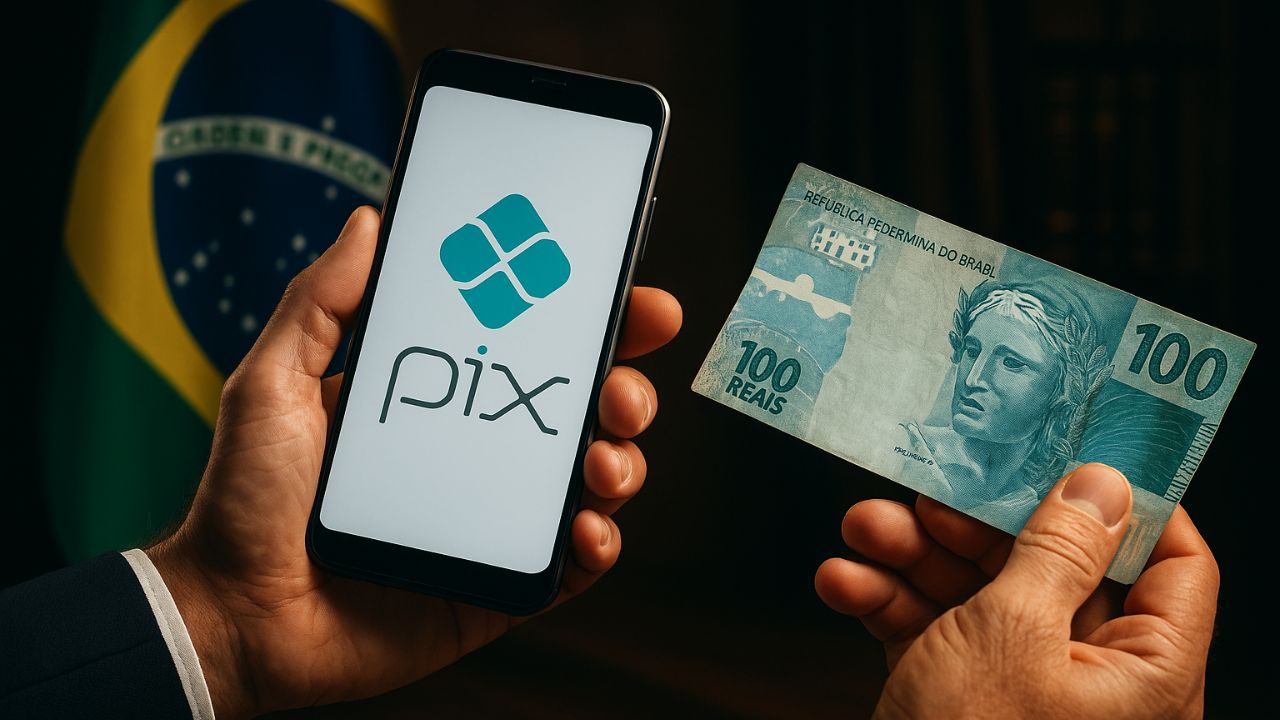
Lawyer Explains The Legal Consequences And What To Do If Someone Deposited The Wrong Amount Via Pix Or Transfer Into Your Account.
Receiving a Pix or any unexpected money in your account might seem like a stroke of luck, but the decision to spend it can turn a simple mistake into a serious legal issue. The uncertainty about the legality of using an amount that was deposited incorrectly is common, and according to the analysis by lawyer Sergio Andrade from Rosas Advocacia, the answer is clear: the act of receiving is not a crime, but refusing to return it is. This action can lead to lawsuits in both civil and criminal spheres, with consequences ranging from asset blocking to formal condemnation.
The central point that transforms a banking error into a crime is the intention (dolo) to appropriate something that does not belong to you. From the moment a person becomes aware that the amount was credited incorrectly, either through contact from the sender or obvious deduction, and opts not to return it, they assume significant legal risk. As explained by the specialist from Rosas Advocacia, Brazilian legislation is specific about this situation, treating it not as a “gift”, but as the appropriation of someone else’s property.
Appropriation Of Found Property: The Crime Foreseen In The Penal Code
Many are unaware, but the Brazilian Penal Code foresees a punishment for those who decide to keep money received by mistake. The conduct falls under Article 169, which addresses the “appropriation of found property”. The text of the law states that it is a crime to appropriate “someone else’s property that has come into your possession by mistake, chance, or force of nature”. The prescribed penalty is detention for one month to one year, or a fine. Although money is not a physical object that can be “found”, the legal interpretation is that the principle applies perfectly to amounts credited by mistake.
-
The noise law will no longer be in effect at 10 PM starting in June with a new rule valid during the 2026 World Cup.

-
The Chamber opens a debate on driver’s licenses at 16 years old as part of a reform that includes around 270 proposals to change the Brazilian Traffic Code and may redesign rules for licensing, enforcement, and circulation in the country.

-
The new Civil Code could revolutionize marriages in Brazil with “express divorce” and changes that could exclude spouses from inheritance.

-
Banco do Brasil sues famous influencer for million-dollar debt and intensifies debate on delinquency, risks of seizure, and direct impact on Gkay’s credibility.

For the crime to be established, it is essential that the person is aware of the incorrect origin of the money and yet decides to keep it for themselves. According to lawyer Sergio Andrade from Rosas Advocacia, the mere presence of the amount in the account does not create guilt. The problem begins when the account holder is notified about the error and refuses to cooperate or, worse, acts quickly to spend the amount. Bad faith is what transforms a third-party error into a crime committed by the recipient.
What Is The Correct Procedure When Receiving A Deposit By Mistake?
The first and most important advice upon noticing an unknown credit is: do not spend the money. The correct attitude, recommended by experts like the lawyer from Rosas Advocacia, is to act prudently and seek to return it. The first step is to check the statement to try to identify the origin of the transfer. In many cases, especially in transactions via Pix, the name and part of the sender’s CPF are visible. If it is not possible to identify, the best course of action is to contact your bank and inform them of the situation.
If even after contacting the bank it is not possible to locate the owner of the money, the recommendation is to keep the amount intact in the account for a reasonable period, waiting for the sender or the financial institution to reach out. Always act transparently and document your attempts to resolve the situation. Keeping the money and waiting is not a crime; the problem is using it as if it were yours. This proactive stance not only resolves the issue but also provides legal protection, demonstrating your good faith should the situation escalate into a legal dispute.
The Case Of TV Globo: A Real Example Of The Consequences
A notorious case that perfectly illustrates the risks of spending money that was deposited incorrectly in an account involved TV Globo. The broadcaster mistakenly transferred the amount of R$ 318 thousand to a man who, upon seeing the balance, did not hesitate to buy a house. When contacted by the company to return the amount, the person refused, claiming the money had already been spent. The situation, however, did not end well for him, serving as a clear warning about the legal implications.
Following the refusal, Globo turned to the courts and consequently succeeded in obtaining the blocking of the newly purchased house and the recipient’s bank accounts. According to lawyer Sergio Andrade from Rosas Advocacia, the individual faced a civil lawsuit for damages (the return of the corrected amount) and was also subject to a criminal case for embezzlement. This real example shows that ignoring the obligation to return can lead to loss of property and a severe headache with the law.
Facilities Of Pix: How To Return Amounts Received By Mistake


With the popularization of Pix, errors in transfers have become more common, but fortunately, technology has also brought simpler solutions to correct them. Most banking apps today have a “Return Amount” or “Reversal” function directly in the transaction statement. This tool allows the recipient to return the entire or partial amount immediately and without bureaucracy.
Utilizing this feature is the safest and most efficient way to resolve the impasse, as highlighted by the guidance from Rosas Advocacia. If someone mistakenly transferred R$ 60 to you when the correct amount should have been R$ 10, for example, you can use the partial return option to reverse the excess R$ 50. This action creates an electronic record of the return, protecting you and proving your honesty. Therefore, when faced with a situation where someone deposited the wrong amount into your account via Pix, the first action should be to check the possibility of an immediate reversal through the app.
The rule is clear: money received by mistake has an owner and must be returned. Spending it, knowing of the error, is not a stroke of luck but conduct classified as a crime, with serious judicial consequences. The best way to act is with transparency and responsibility, using the available tools to return the amount to its rightful owner and prevent a mistake from turning into a lawsuit.
And you, have you ever been in a similar situation or know someone who received a Pix by mistake? Share your experience in the comments and tell how the problem was resolved.









-

-

-

-

-

9 pessoas reagiram a isso.