





 Portuguese
  English
  Spanish
  5 min of reading
  0 comments


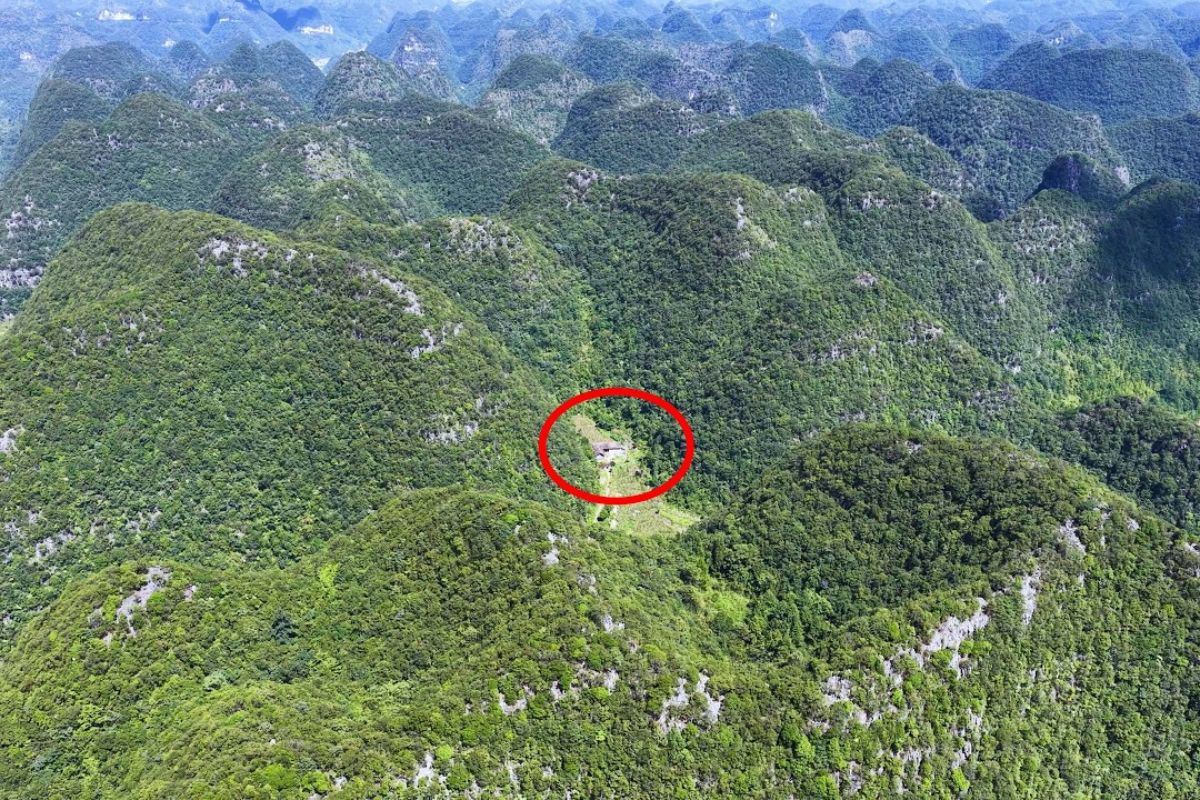
In The Mountains Of Guizhou, A Couple Maintains A Self-Sufficient Refuge, Accessible By Dirt Road, Where The Routine Mixes Agriculture, Timber And More Than Ten Dogs.
The setting is Guizhou, in the mountainous interior of southwest China. Guizhou here is not a tourist destination; it is the address of a deliberately simple and resilient life, maintained for over 40 years in a valley surrounded by hills and silence. The original house, built in 1982, sits in an area cultivated with corn, millet, and rice; access is by an narrow, muddy road, the final stretch of about 2 km that the car does not always conquer.
The isolation is not abandonment. It is choice and adaptation. The couple last name Deng lives with the essentials: land, water, timber, and dogs. The nearest “neighbor” is Changba, about 6 km away, where their new house is being prepared, at the pace of those who know how to build their own path: tree by tree, board by board.
Where It Is And How To Get There
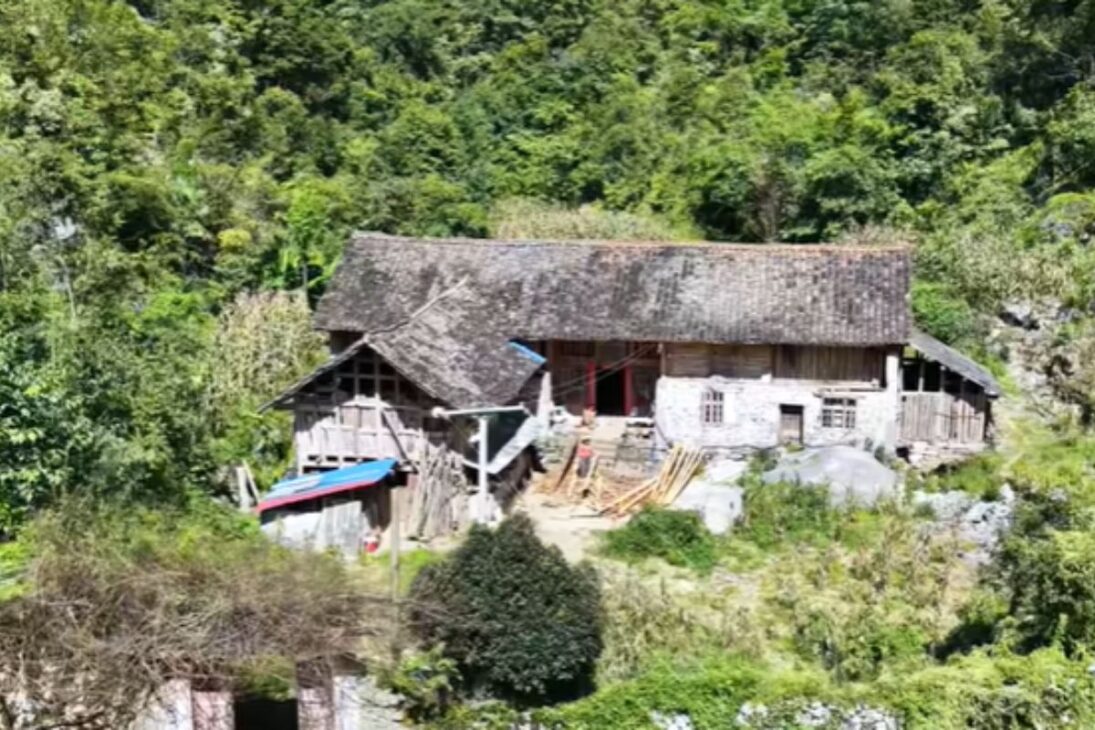
The property is nestled in a valley in Guizhou, surrounded by rolling hills and low vegetation. The final access is by dirt road, with potholes and puddles after the rain, which turns the arrival into a small expedition.
-
Italian researchers have detected what appears to be a second Sphinx buried under the sands of Egypt, and satellite scans reveal a gigantic underground megastructure hidden beneath the Giza Plateau for over 3,000 years.

-
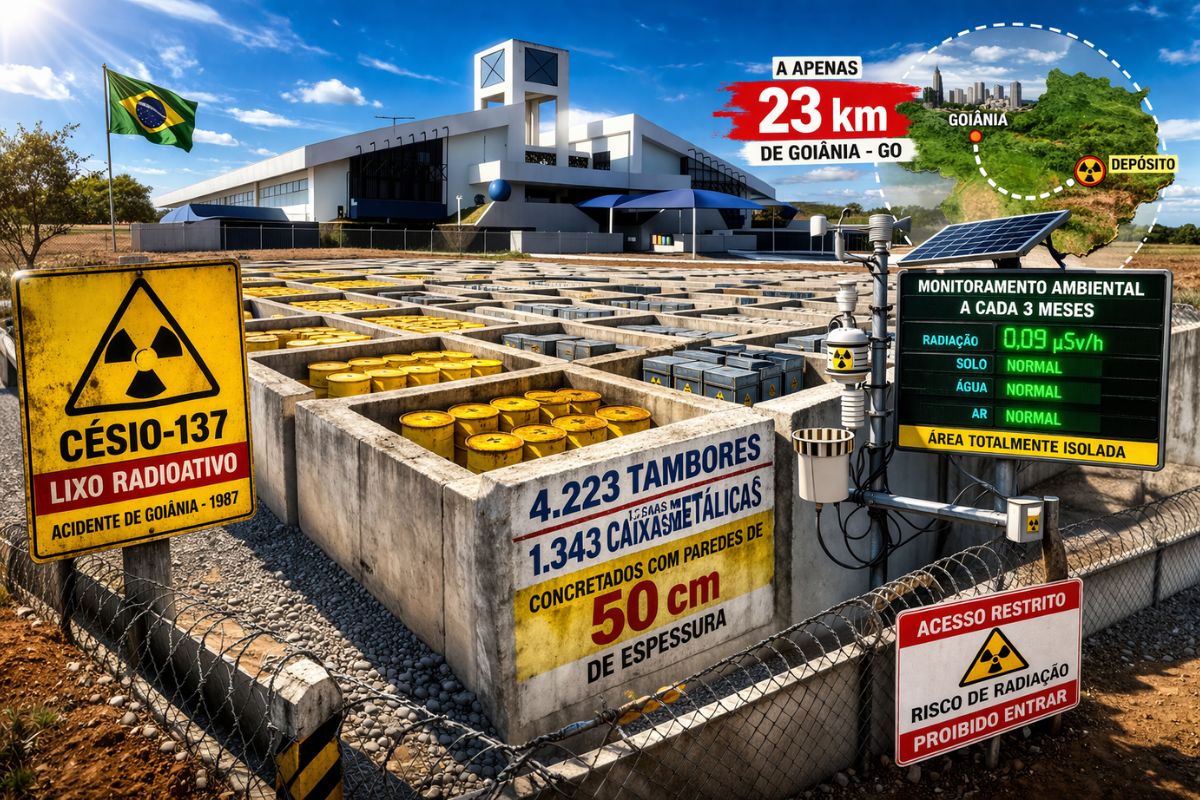
There are 4,223 drums and 1,343 metal boxes concreted with 50-centimeter walls that store the radioactive waste from Cesium-137 in the worst radiological accident in Brazil, just 23 kilometers from Goiânia, with environmental monitoring every three months.
-
Giant Roman treasure found at the bottom of Lake Neuchâtel in Switzerland reveals an advanced trade system, circulation of goods, and armed escort in the Roman Empire about two thousand years ago.

-
He buried 1,200 old tires in the walls to build his own self-sufficient house in the mountains with glass bottles, rainwater, and an integrated greenhouse.

If it weren’t for the drone, you wouldn’t even see that there are people living here, say visitors.
The signs of human presence appear before the house: wheel tracks on a wider stretch of ground a combustion tricycle goes up and down the hill and the geometric layout of the plots.
The short distance in kilometers contrasts with the real distance imposed by the terrain and climate, which helps explain why this point in Guizhou remains “forgotten” by time.
Who They Are And How They Live
The couple Deng manages everything together. Their three children work outside, which is common in mountainous rural areas.
We manage here, says the uncle, laughing, while pointing to the corn stalks and the area where they grow vegetables for personal consumption. More than ten dogs guard the yard, acting as barriers against monkeys and wild boars, which come down to the crops.
The cool night air, the silence broken by birds and insects, and the tank water compose the daily life. It’s cold, but it’s a good place to live, the aunt summarizes. Guizhou, here, is agricultural routine, not showcase.
Subsistence Economy: Corn, Millet, Rice, And Pigs
The corn is the base: part goes to the table, part feeds four, five, or even six pigs, depending on the cycle. Millet (Xiaomi) has made a strong entry this year; rice is planted where water is plentiful.
We plant as much as we can; what we can’t grow, we buy, says the uncle, reinforcing that the mix between self-production and complementary purchases is what sustains the household.
The oil tricycle is essential: it carries wood, transports the harvest, conquers the slope in about 18 minutes per trip.
The self-maintenance of the land and infrastructure reduces costs and increases autonomy, a pillar of any isolated household economy.
Timber, Tools, And The New House In Changba
In the shade of the porch, pine logs are peeled with a knife. Without the bark, the wood dries faster, the uncle explains.
These pieces become slats, frames to dry corn and structures for the new house in Changba. The project is simple and straightforward: to bring part of their life closer to services and purchases, while keeping the garden active in the valley.
Between the old and the new lies a lesson in vernacular engineering: local stone wall reinforcing the wooden base; stone hammers still in use; old wall restored that inherited the function of containing pests and delineating the yard.
Dogs, Monkeys, And Wild Boars: Permanent Surveillance
More than ten dogs are not extravagance; they are management tools. Monkeys attack cornfields, breaking ears upon seeing the ripe grain; wild boars root and knock down fences.
If we don’t feed (the dogs), the monkeys break everything, says the uncle.
Living with the wildlife requires a routine of vigilance, especially at dusk, when the animals come closer.
This balance protect without devastating is part of the local knowledge. Guizhou, with its valleys and slopes, demands quick response and patient management.
House From 1982, Inherited Walls, And Water At The Door
The original house, built in 1982, maintains wood, stone, and a high roof that cools in the summer and warms in the winter. A large tank collects and stores water.
The back surprises with a vast plot, where corn and vegetables continue to grow. The spacious yard accommodates fruit trees, clotheslines, and platforms for drying.
The wall, they say, was built by the previous generation and redone afterward.
It’s not an ornament: it delineates, protects, and organizes serving a practical function in an area where nature pushes fences and doors.
Why The Isolation Persists And Why Change Part Of The Routine Now
The isolation is historical and functional: the family planted, raised, built, and cared for the space for decades. Guizhou offers possible self-sufficiency, but imposes limits of age and health.
At over 50 years old, the uncle takes on the pace of active retirement: planting, caring for pigs and dogs without the pressure of external work.
The new house in Changba (6 km away) is a bridge: it brings closer to markets, services, and logistics, without breaking away from the homestead. It is a strategy of continuity, not abandonment.
Challenges: Access, Climate, And Manual Labor
The rain turns the path into mud, which difficults the transport of harvests and timber. The terrain demands physical preparation to go up and down the hill with tools and loads.
Aging arrives earlier in the fields; therefore, planning displacements and dividing life between valley and village is a pragmatic response.
Still, the domestic system holds up: self-production of grains and vegetables, animal husbandry, managed timber, and a network of dogs for defense.
It is the living manual of how to remain where one wants to live.
What This Story Reveals About Guizhou


The landscape of Guizhou houses microcosms like that of the Deng family: islands of autonomy amid mountains, valleys, and unevenness.
Children who migrate to work, parents who safeguard the land, two houses to balance farm and services a affective and economic logistics that explains permanence.
It is not romanticization: it is continuous work, rational decisions, and a simple yet effective technical repertoire. Guizhou, in this framing, is less “secret” and more “constant”.
The Deng family shows that living isolated in Guizhou is not disappearing; it is drawing a possible routine, with autonomy, guard dogs, corn in the garden, and timber in the saw.
The new house in Changba does not end the story it extends. That’s how time passes without taking everything away.
And you: does this life between the valley and the village seem like freedom or renunciation to you? What else catches your attention in this routine: the dogs, the self-sufficiency, or the decision to remain?










-

Uma pessoa reagiu a isso.