





 Portuguese
  English
  Spanish
  3 min of reading
  0 comments



With Temperatures of Up to 1,220 °C, Winds Seven Times Faster Than the Speed of Sound, and Melted Glass Rain, the Alien Planet HD 189733 b, Discovered by NASA, Is a True Blue Hell Located 64.5 Light-Years from Earth.
A place where winds howl at unimaginable speeds and the rain is not of water, but of melted glass that cuts everything in its path. This is HD 189733 b, a giant exoplanet discovered by NASA, located 64.5 light-years from Earth, which scientists have nicknamed the “nightmare world.”
What Is the Planet HD 189733 b and Why Is It So Scary?
HD 189733 b was discovered in 2005 and is one of the most studied exoplanets by NASA. Despite its bright blue appearance reminiscent of Earth’s skies, the similarities end there. This planet is 11% larger than Jupiter, has an extremely rapid orbit of just 2.2 days, and conditions that defy any possibility of life.
The planet orbits so close to its parent star that its temperatures range from 919 to 1,220 °C. Additionally, scientists believe it is locked in sync with its star, meaning one side is permanently facing the scorching heat while the other remains in eternal darkness.
-
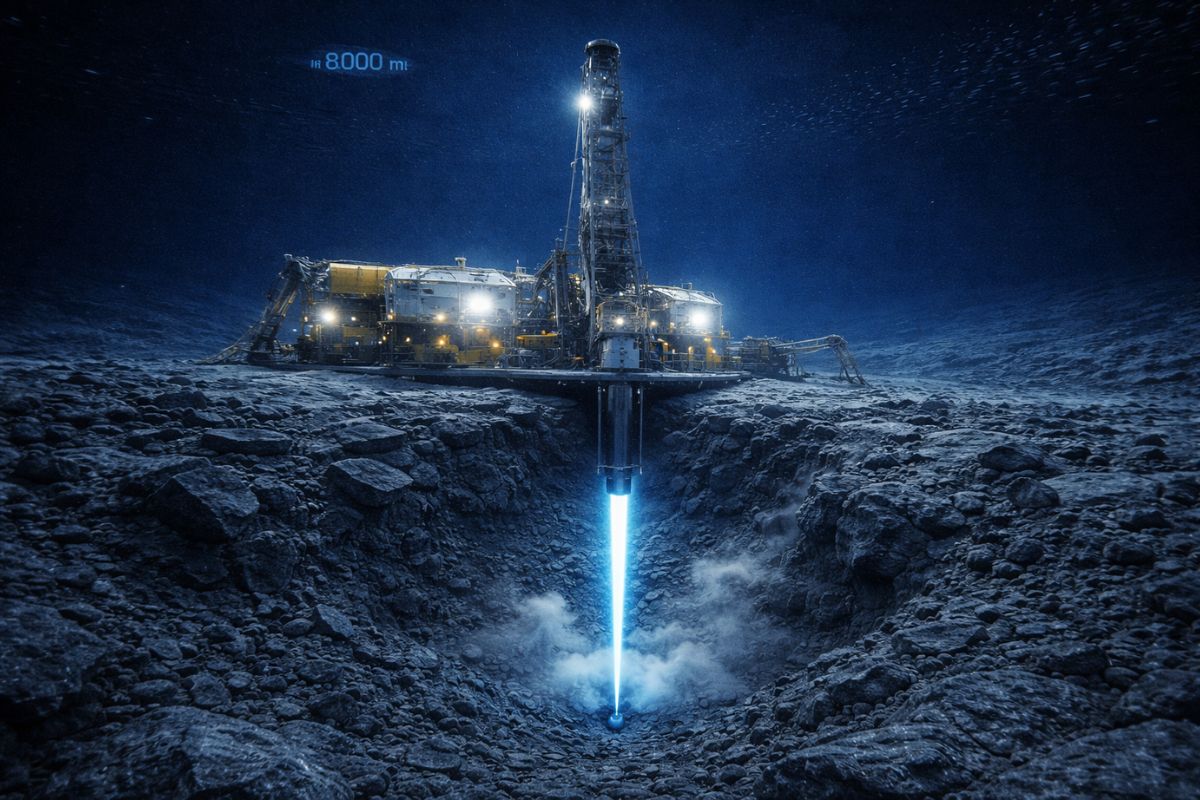
Scientists drilled nearly 8,000 meters into the ocean floor above the fault that caused the 2011 tsunami in Japan and discovered that a layer of clay 130 million years old was responsible for making the wave much worse than any model had predicted.
-
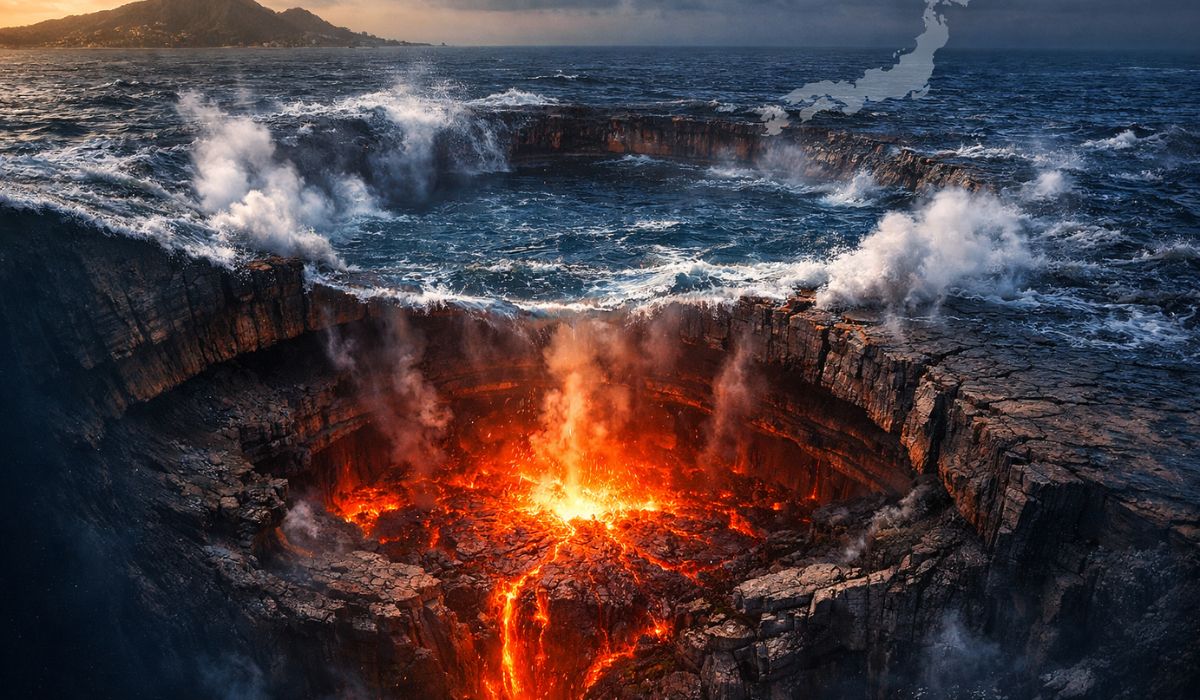
Thousands of years after causing the largest eruption of the Holocene, one of the world’s largest supervolcanoes is rebuilding itself beneath the sea south of Japan, receiving new magma and alarming scientists with its transformation.
-
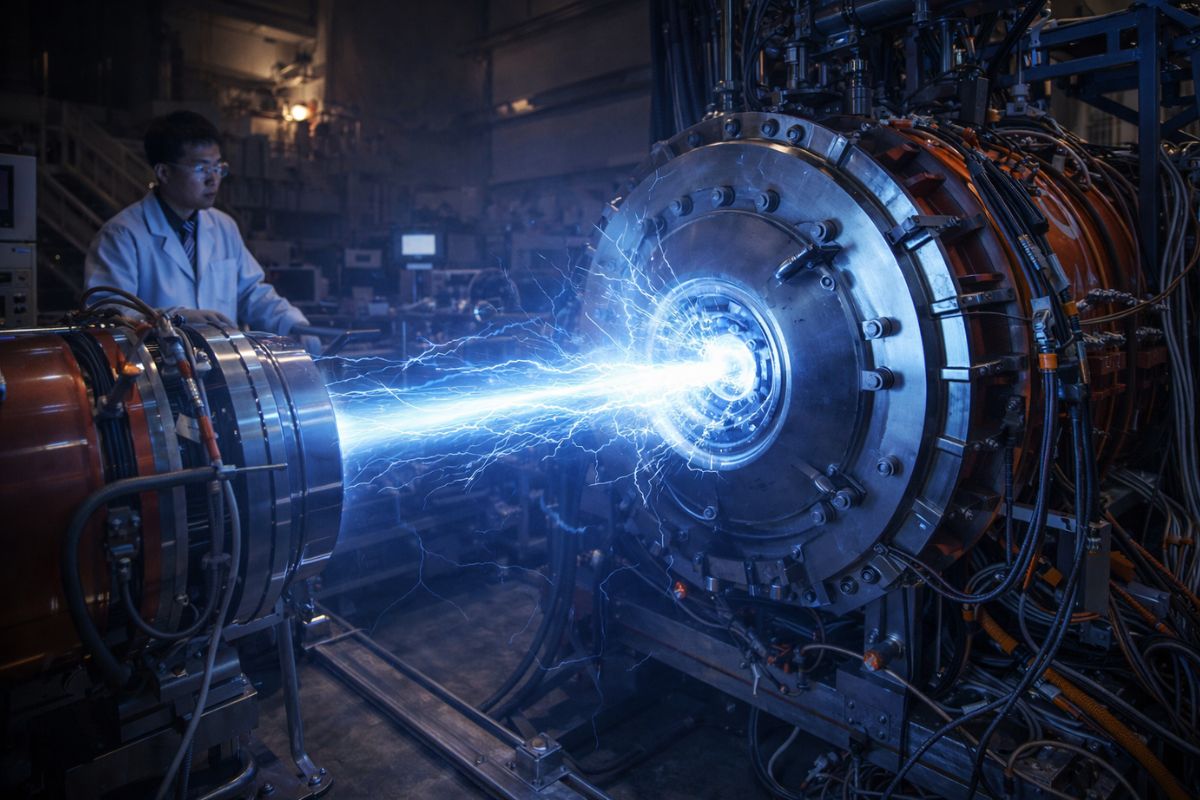
China has activated a magnet 700,000 times more powerful than the Earth’s magnetic field that operates for over 200 consecutive hours while consuming little energy, and now the world wants to know what Beijing plans to do with this technology in 2026.
-
Mercado Livre has started selling medications in Brazil with delivery in up to 3 hours, and the project that launches in São Paulo may expand to the entire country, transforming the way millions of Brazilians buy medicines.


Lethal Winds and Glass Rain: What Is the Climate Like on This Alien World?

The climatic conditions of HD 189733 b are extreme. With winds reaching an impressive 8,650 km/h – seven times the speed of sound – being on the surface of this planet would be like facing an eternal hurricane. And if that wasn’t enough, the rain that falls there is made up of melted glass particles that move laterally due to the force of the winds.
For NASA, “being caught in the rain on this planet is death by a thousand cuts.” It is such a hostile environment that the nickname “invisible killer” seems almost modest to describe its lethality.
The Characteristics That Make HD 189733 b Look Like a Nightmare
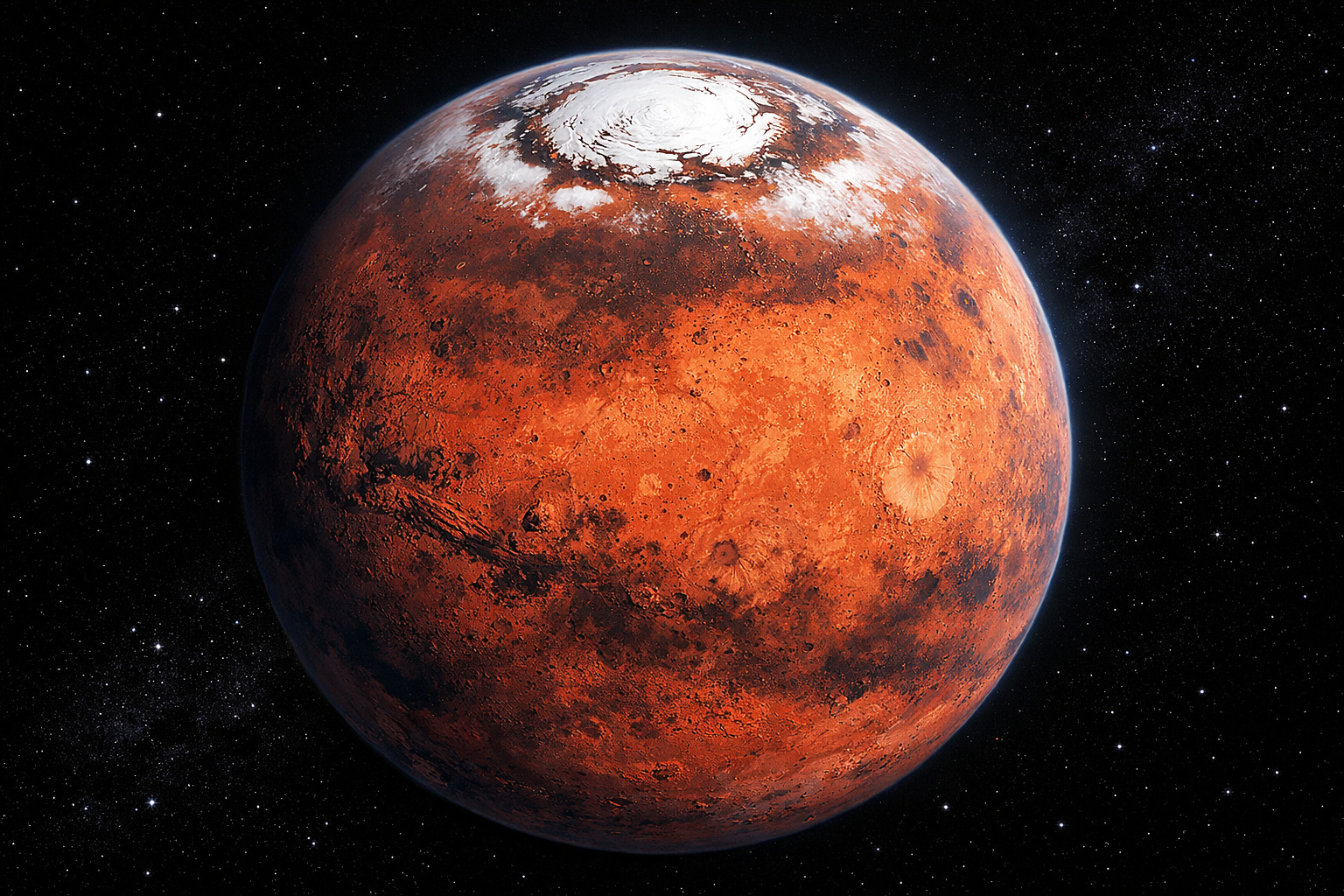
Despite its brutal climate, HD 189733 b is one of the few exoplanets whose atmosphere has been studied in detail. Its blue color, which deceives the human eye, does not come from oceans like those of Earth but from a mix of silicate clouds and high-temperature particles.
Observations made with the Spitzer and Hubble telescopes have revealed the presence of water vapor, neutral oxygen, carbon monoxide, and methane in the atmosphere. The latter element, in particular, has intrigued scientists, as it should react quickly with water under high temperatures but continues to be present in significant amounts.
How NASA Studies Exoplanets and the Role of the Kepler Telescope
Detecting exoplanets like HD 189733 b is a true challenge. Being located outside our Solar System, they are often obscured by the brightness of their stars. The Kepler telescope, launched by NASA, was designed to identify potentially habitable planets, and its mission has already resulted in the discovery of over 5,500 exoplanets.
The study of HD 189733 b began with its identification by the transit method, when it passed in front of its star. Since then, it has been the target of detailed observations, which include spectroscopic analyses – a process that reveals the chemical composition of its atmosphere.
Why HD 189733 b Continues to Intrigue Scientists
Although the conditions of HD 189733 b make any form of life as we know it impossible, it remains a fascinating object for scientists. The presence of methane and other compounds in its atmosphere raises questions about the chemical processes occurring under such extreme conditions.
Each new piece of data about exoplanets like this helps NASA to improve its observation technologies and gain a better understanding of the limits of habitability on other worlds.






-

-

2 pessoas reagiram a isso.