





 Portuguese
  English
  Spanish
  4 min of reading
  12 comments


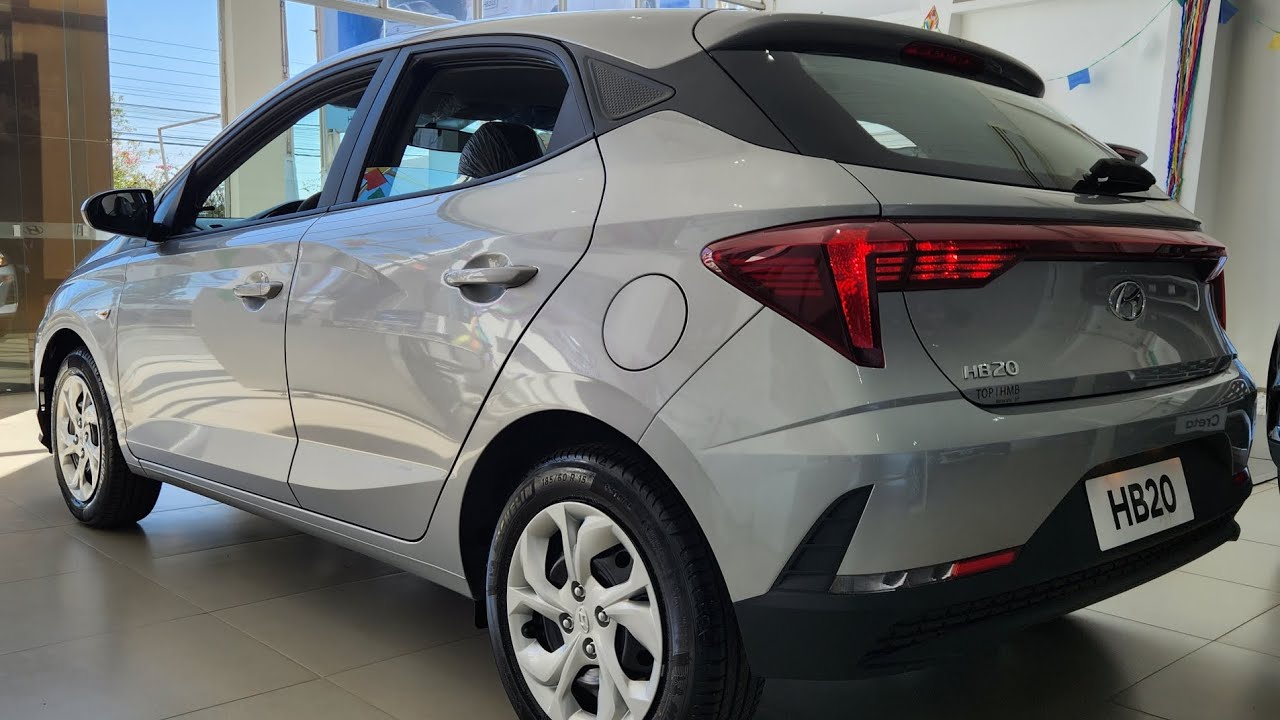


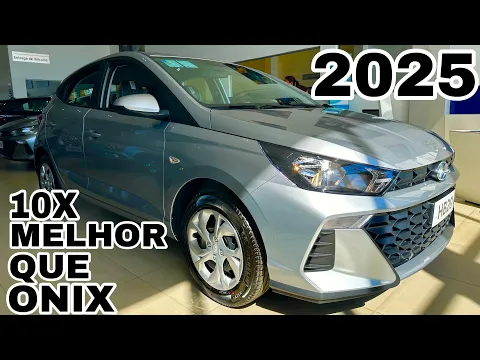
Hyundai HB20 2025 Arrives with 1.0 Flex Engine with 75 HP, Fuel Economy of 14.6 km/l and Updated Multimedia, but Still Lacks Space Compared to the Onix.
The Hyundai HB20 2025 maintains the brand’s strategy of offering one of the best-selling compacts in Brazil in different versions, but strengthens its presence in the market with targeted updates in internal design and new technological features.
In the entry-level configuration Sense 1.0 aspirated, the hatch continues with the flex engine of 75 HP paired to a five-speed manual transmission, focusing on those seeking low fuel consumption and affordable maintenance costs. The version is aimed at consumers who prioritize economy without giving up an updated package.
1.0 Flex Engine with 75 HP: Focus on Efficiency
Under the hood, the HB20 Sense features the Kappa 1.0 aspirated engine, capable of delivering 75 HP with gasoline and 80 HP with ethanol, with torque of up to 10.2 kgfm. It is a set recognized for its durability and requiring little maintenance, a characteristic that contributes to the success of the model among fleets and app drivers.
-
A French brand placed a car on four huge red balloons to prove that its suspension made the vehicle “float,” and the surreal scene became one of the most iconic and unusual images in automotive history.

-
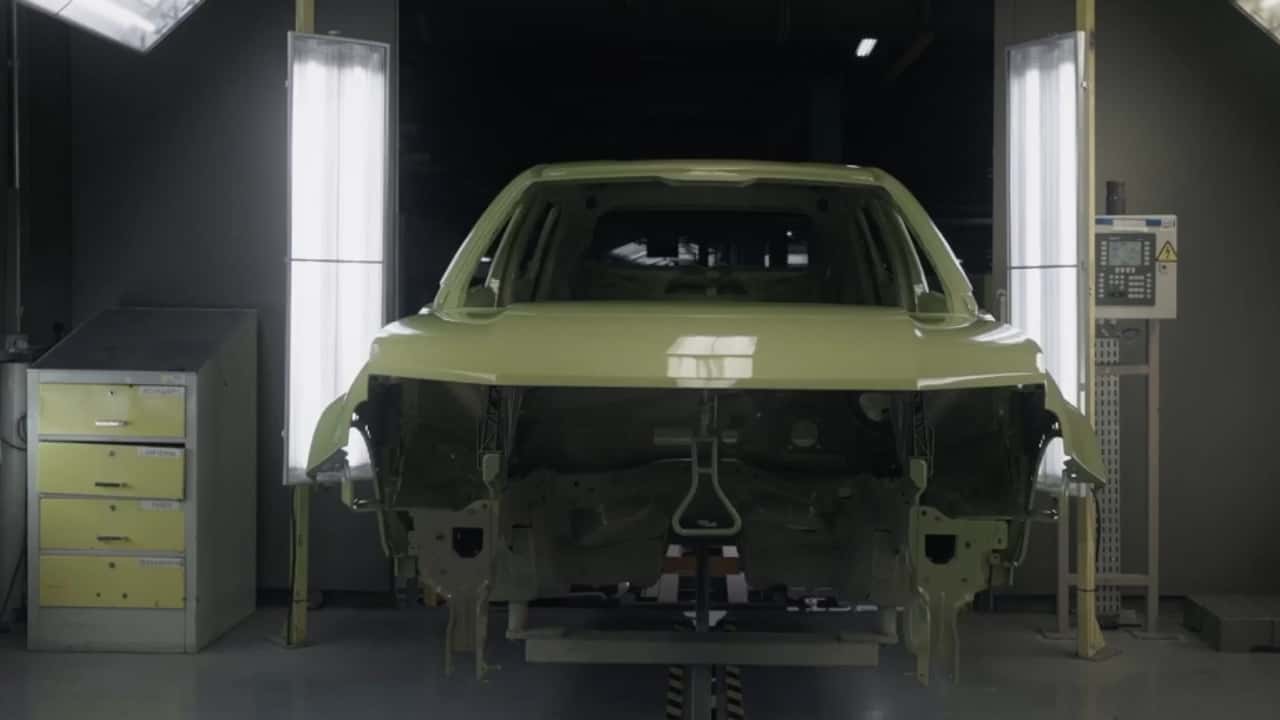
Jeep Avenger begins production in Brazil, debuting as the brand’s new entry-level SUV and inaugurating an unprecedented phase by becoming the first national Jeep manufactured outside of Goiana, as part of a R$ 3 billion plan.
-
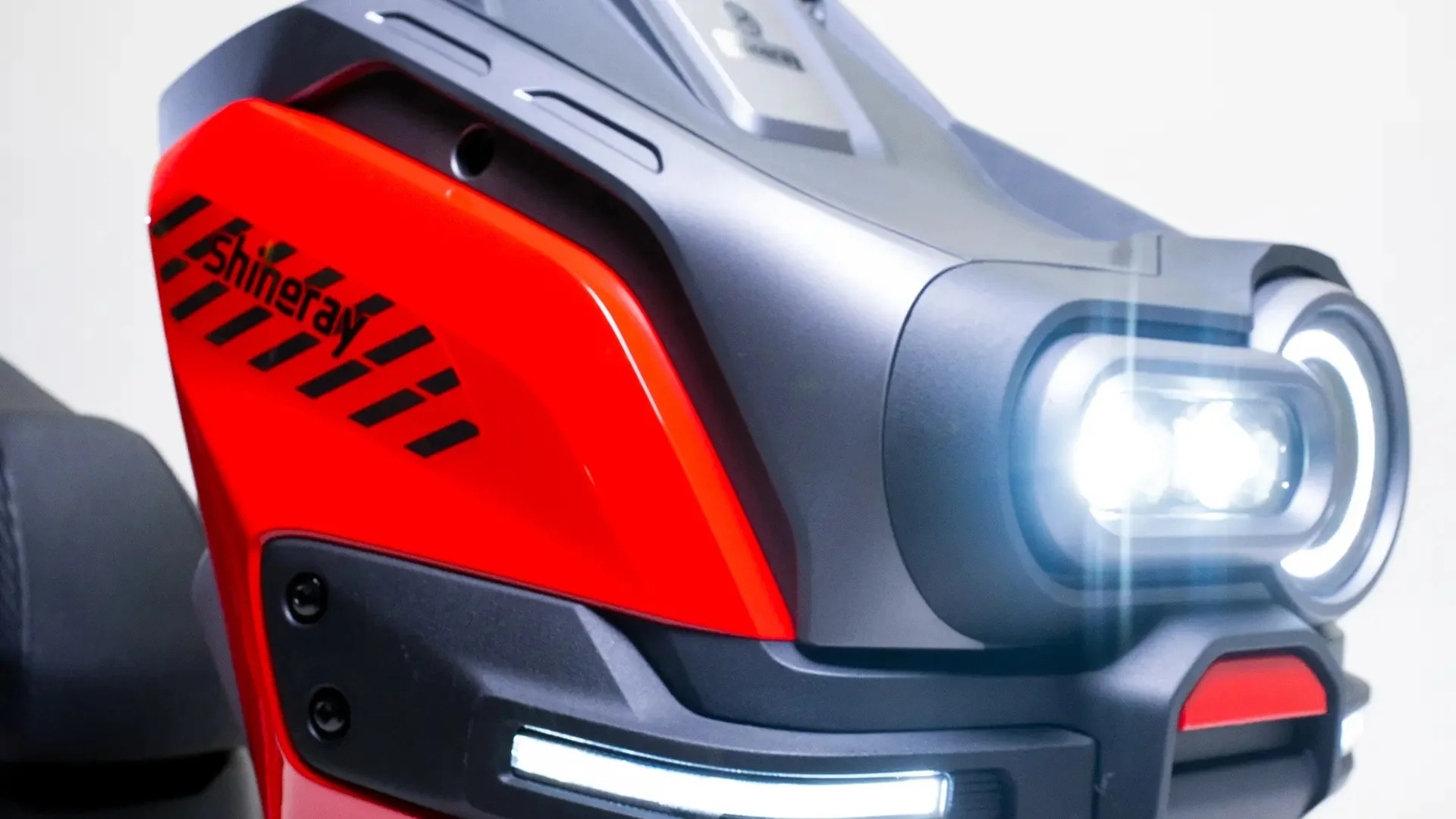
Costing R$ 12,490, the new Shineray Urban Lite 150 “cheap one” arrives in Brazil with a CVT transmission, digital dashboard, and LED lights, making it more affordable than the Biz and targeting those who want to abandon the bus.
-
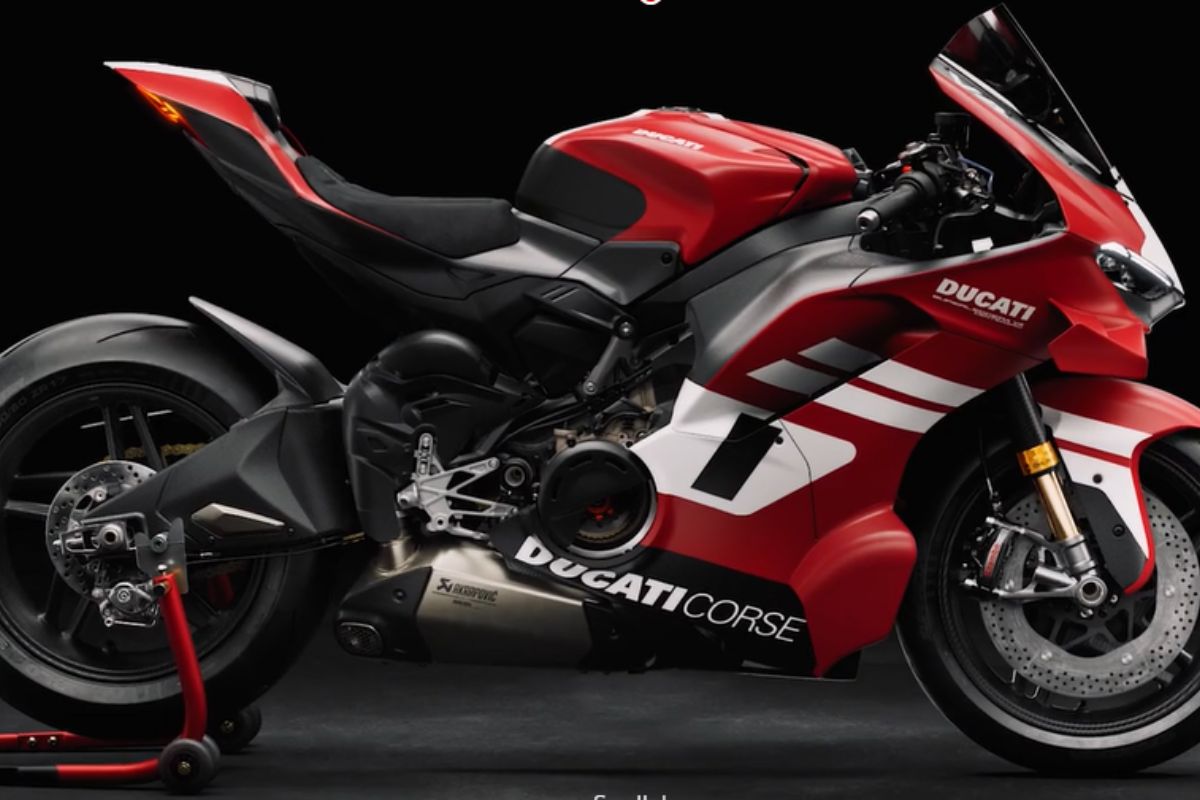
Ducati brings to Brazil the Superleggera V4 Centenario: 228 hp that become 247 with a track kit, carbon fiber and carbon-ceramic brakes, estimated price between R$ 1.5 and 2 million, deliveries only in 2027.


Despite the modest power, the hatch performs well in urban use, where linear performance and fuel economy are more valued than rapid accelerations. On the road, it requires more from the driver during overtaking, but fulfills its role within the entry category.
Fuel Economy: Up to 14.6 km/l on the Road
The standout feature of the HB20 Sense 2025 continues to be its energy efficiency. According to fuel consumption data with gasoline, the compact achieves 14.6 km/l on highways and about 13 km/l in urban use, figures that place it among the most economical in its category.
With ethanol, the numbers drop to 10.1 km/l on the road and 9.5 km/l in the city, still within what is expected for aspirated 1.0 compact vehicles. This performance helps to reduce the cost per kilometer driven, one of the main purchase criteria in the segment.
Design and Technology: Minor Updates
Although Hyundai has not promoted a major redesign, the HB20 2025 received internal adjustments. The main novelty in the entry-level version is the new multimedia center with a touchscreen, now compatible with Android Auto and Apple CarPlay wirelessly.
Additionally, the hatch offers features such as:
- Progressive electric steering;
- Air conditioning;
- Power front windows;
- Integrated sound system with Bluetooth and USB;
- On-board computer.
The equipment list is basic but consistent with the Sense version’s proposal, which aims to offer essential technology at a competitive price.
Safety: Package Aligned with the Segment
In terms of safety, the HB20 Sense 2025 maintains the minimum standard required by law and some additional features. It comes with:
- 4 airbags (frontal and side);
- Stability control (ESP) and traction control (TCS);
- Hill start assist (HSA);
- ABS brakes with EBD.
These features align the model with competitors such as Chevrolet Onix and Fiat Argo, although higher versions of these rivals offer more advanced driver assistance packages.
Comparison with the Chevrolet Onix
The main rival of the HB20 Sense 2025 is the Chevrolet Onix 1.0 aspirated, which delivers 78 HP and 9.6 kgfm of torque, in addition to slightly larger internal dimensions. The Onix offers more space for passengers and a trunk with 275 liters, compared to 300 liters of the HB20, but with better internal utilization.
In practice, the HB20 has an advantage in fuel consumption—especially with gasoline—while the Onix excels in interior space and connectivity in more complete versions.
This historical rivalry between the two models explains the ongoing battle for sales leadership in the segment, which is expected to continue in 2025.
Maintenance and Costs
Another attraction of the HB20 Sense is its low maintenance costs. Scheduled revisions have competitive prices, and the 1.0 aspirated engine is known for its robustness.
The average price of the entry-level version hovers around R$ 86 thousand (based on São Paulo, in 2025), positioning itself as a more accessible alternative compared to turbocharged versions or those with automatic transmission.
The Market Impact in 2025
With targeted updates and a focus on efficiency, the HB20 2025 continues its strategy of being one of the most sensible compact hatches on the market. The 1.0 aspirated engine, combined with fuel economy of up to 14.6 km/l on the road, reinforces the model’s image as an option for low operational costs.
Still, the model continues to face limitations in interior space and more advanced technological packages, areas where rivals like the Chevrolet Onix and Fiat Argo manage to offer differentiators.
The Hyundai HB20 Sense 2025 arrives in the Brazilian market as a balanced entry option, maintaining the 1.0 flex engine with 75 HP, five-speed manual transmission, and consumption among the best in its category.
With minor improvements in connectivity and features, the hatch remains competitive, although it still loses points in space and sophistication compared to direct rivals. For those seeking economy and practicality in daily life, it remains a solid choice in the compact segment.









O hb20 sense possui 6 airbags, assistente de rampa, piloto automático, controle de estabilidade, ajuste de altura dos faróis, farol de rodagem diurna com acendimento automático, controle multifuncional e além de ser muito confortável, nenhum carro da categoria tem essa quantidade de acessórios.
Precisa conferir as informações antes de publicar, pois o HB20 vem com motor de 80cv, 6 airbags. E já que é pra comparar com o Onix, ele vem com corrente de comando, sem nenhum problema crônico de correia dentada banhada em óleo.
Eu não entendi… Esse não seria o HB20 20″26″? Nós já estamos no final de 2025…
De qualquer forma, essa seta traseira continua no parachoque… Grande e acho que único erro da Hyundai.