





 Portuguese
  English
  Spanish
  3 min of reading


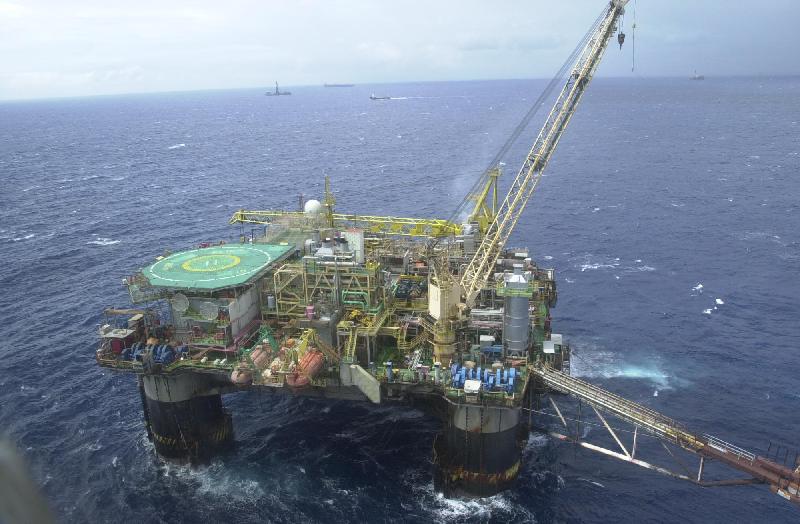
Areas of Onerous Assignment and One of Sharing, Operated by 28 Companies, Were Responsible for This Milestone in National Production
In September 2018, Brazil’s oil and gas production was approximately 3.196 million barrels of oil equivalent per day (boe/d). A total of 2.486 million barrels of oil per day (bbl/d) were produced, a decrease of 1.4% compared to the previous month and a decrease of 5.9% compared to September 2017. Natural gas production totaled 113 million cubic meters per day, an increase of 6.1% compared to the previous month and a decrease of 0.9% compared to the same month in 2017. The production data for September is available on the Monthly Bulletin of Oil and Natural Gas Production.
Pre-Salt
Pre-salt production in September totaled 1.783 million boe/d, an increase of 3.7% compared to the previous month. A total of 1.419 million barrels of oil per day and 58 million cubic meters of natural gas per day were produced through 85 wells. The pre-salt’s share of total national production in September, 55.8%, is the highest recorded to date. The pre-salt wells are those whose production is carried out in the geological horizon known as pre-salt, in fields located in the area defined in item IV of the caput of Article 2 of Law No. 12.351/2010.
-
Brazil surprises the world by cloning a pig with human genes in an attempt to save humans with transplants, a technique with only 1% to 5% success rate, editing 3 genes, inserting 7 human genes, and impacting 48,000 patients on the waiting list.
-
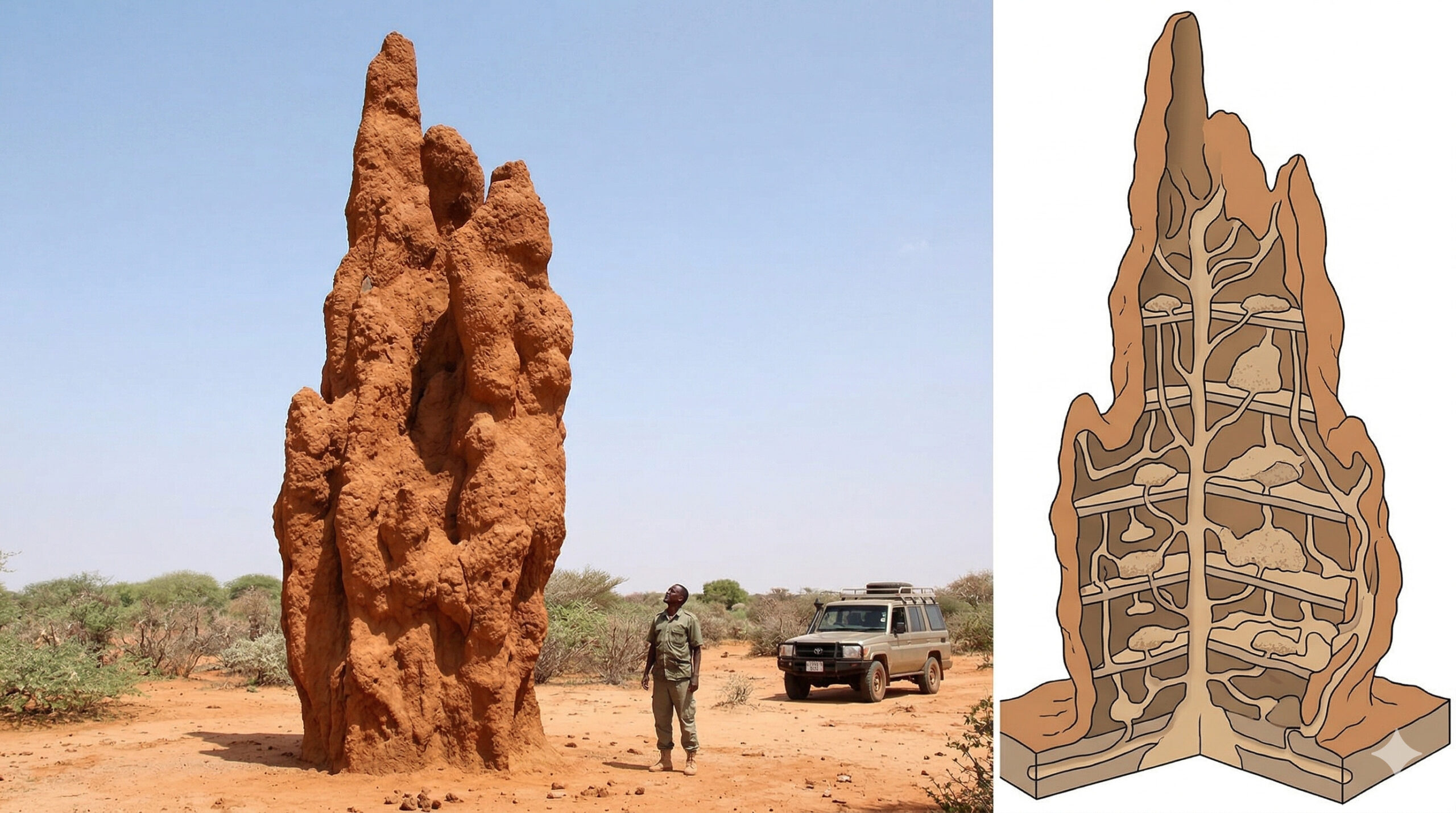
With a height of 8.7 meters, the giant termite mound found in Somalia has entered history as the largest ever recorded and reveals how insects just a few millimeters tall build three-story structures.
-
Measuring about 50 cm in wingspan, the merlin, the smallest bird of prey in the world, is at risk of extinction and could disappear by 2050, according to research published in Nature.
-
With 96 rooms, 37 bathrooms, and five kitchens, the mansion of the heir to Pernambucanas is worth R$ 50 million, has a pool, two terraces, and has become the target of a legal dispute after the owner fell into a coma in 2016.

Natural Gas Utilization
The utilization of natural gas in Brazil in September reached 97.2% of the total volume produced. A total of 56.4 million cubic meters per day were made available to the market.
The flaring of gas totaled 3.1 million cubic meters per day, a decrease of 0.6% compared to the previous month and a decrease of 7.7% compared to the same month in 2017.
Producing Fields
The Lula field, in the Santos Basin, was the largest producer of oil and natural gas. It produced an average of 851 thousand bbl/d of oil and 35.5 million m³/d of natural gas. The offshore fields produced 95.7% of the oil and 76.5% of the natural gas. Production occurred in 7,456 wells, including 712 offshore and 6,744 onshore. The fields operated by Petrobras produced 92.2% of the oil and natural gas.
Estreito, in the Potiguar Basin, had the largest number of producing wells: 1,129. Marlim Sul, in the Campos Basin, was the offshore field with the highest number of producing wells: 94.
The Petrobras 66 platform, producing in the Lula field through seven interconnected wells, produced 148 thousand barrels per day and was the installation with the highest oil production. The Polo Arara installation, producing in the Arara Azul, Araracanga, Carapanaúba, Cupiúba, Rio Urucu, and Sudoeste Urucu fields, through 41 interconnected wells, produced 8.4 million m³/d and was the installation with the highest natural gas production.
Other Information
In September 2018, 304 granted areas, one onerous assignment area, and one sharing area, operated by 28 companies, were responsible for national production. Of these, 74 are offshore and 232 onshore. Of the total producing areas, one is in exploratory activity and producing through Long Duration Testing (LDT) and another 9 are related to contracts for areas with marginal accumulations.
The average API grade was 27.3, with 38.6% of the production considered light oil (>=31°API), 46.4% medium oil (>=22 API and <31 API), and 14.9% heavy oil (<22 API).
The mature onshore basins (long-duration fields/tests from the Espírito Santo, Potiguar, Recôncavo, Sergipe, and Alagoas basins) produced 110.0 thousand boe/d, consisting of 87.2 thousand bbl/d of oil and 3.6 million m³/d of natural gas. Of this total, 105.5 thousand barrels of oil equivalent per day were produced by Petrobras and 4.5 thousand boe/d by concessions not operated by Petrobras, with 311 boe/d in Alagoas, 2,380 boe/d in Bahia, 19 boe/d in Espírito Santo, 1,548 boe/d in Rio Grande do Norte, and 205 boe/d in Sergipe. Source ANP








Seja o primeiro a reagir!