





 Portuguese
  English
  Spanish
  5 min of reading


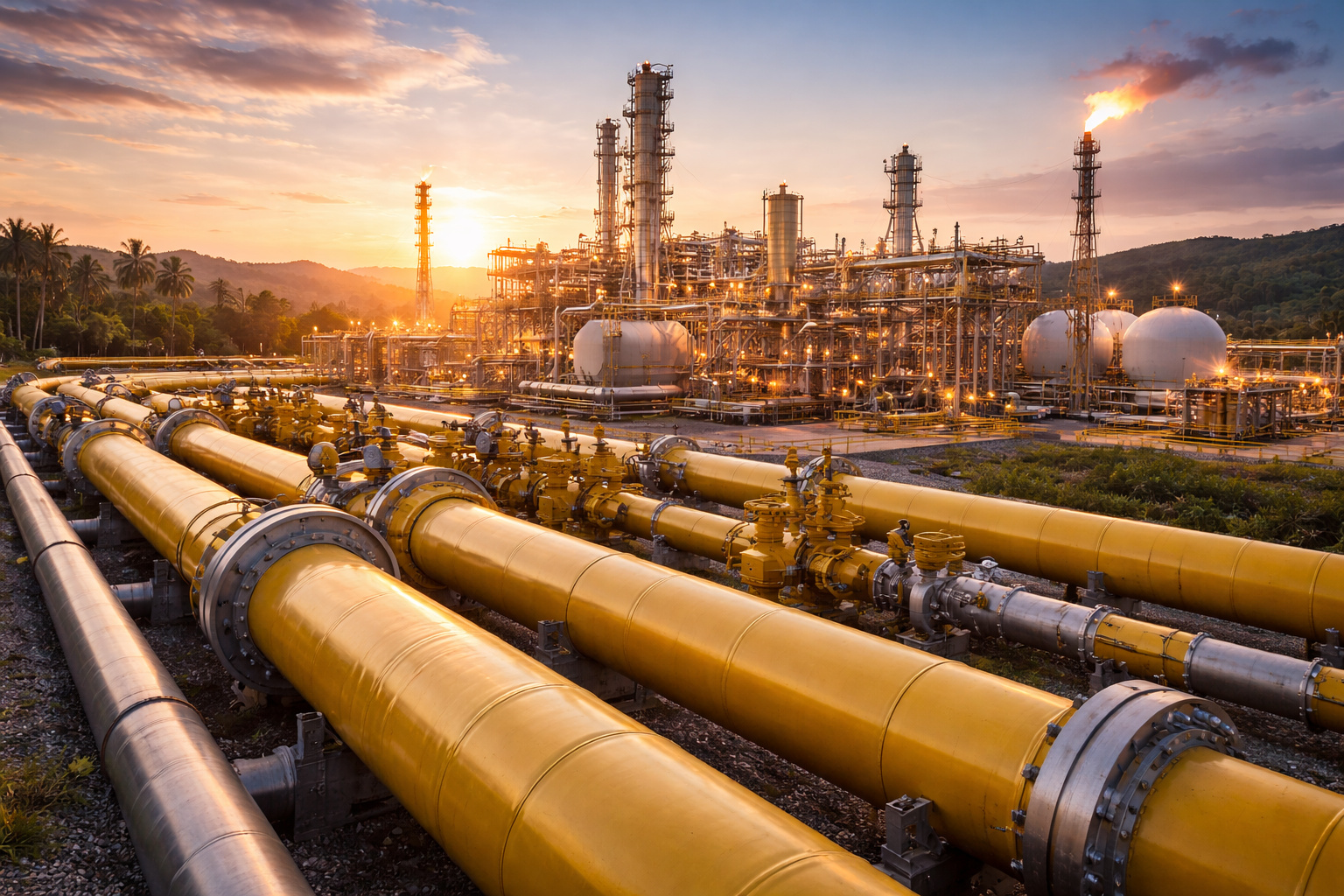
The natural gas has returned to the center of the Brazilian energy debate. In recent months, the increase in the price of the input has raised concerns among the government, industry, and consumers. Given this scenario, the Ministry of Mines and Energy has publicly positioned itself, criticizing the prices being charged and advocating for a reduction that preserves the competitiveness of the economy.
According to a statement released by the Ministry of Mines and Energy in 2025, the rise in natural gas prices results from a combination of factors. These include the increase in oil prices in the international market, exchange rate fluctuations, and pricing policies adopted throughout the chain. Still, the government believes that these factors do not justify excessive increases for the end consumer.
In this context, Minister Alexandre Silveira was direct. “It is unacceptable that efficiency gains achieved with market liberalization be appropriated by excessive increases in the local gas service margins,” he stated. The declaration reinforces the view that natural gas should play a strategic role in national development.
-
The rise in oil prices could ensure an extra revenue of R$ 100 billion for the Federal Government, indicates a recent economic study.

-
Naturgy begins an investment of R$ 1.6 million to expand the gas network in Niterói and benefit thousands of new residences and businesses.

-
A major turn in the Justice system suspends tax increases and directly impacts oil and gas companies in Brazil by affecting costs, contracts, and financial planning, leaving uncertain what could happen to the sector if these costs had increased.

-
Brava Energia begins drilling in Papa-Terra and Atlanta and could change the game by reducing costs in oil while increasing production and strengthening competitiveness in the offshore market.
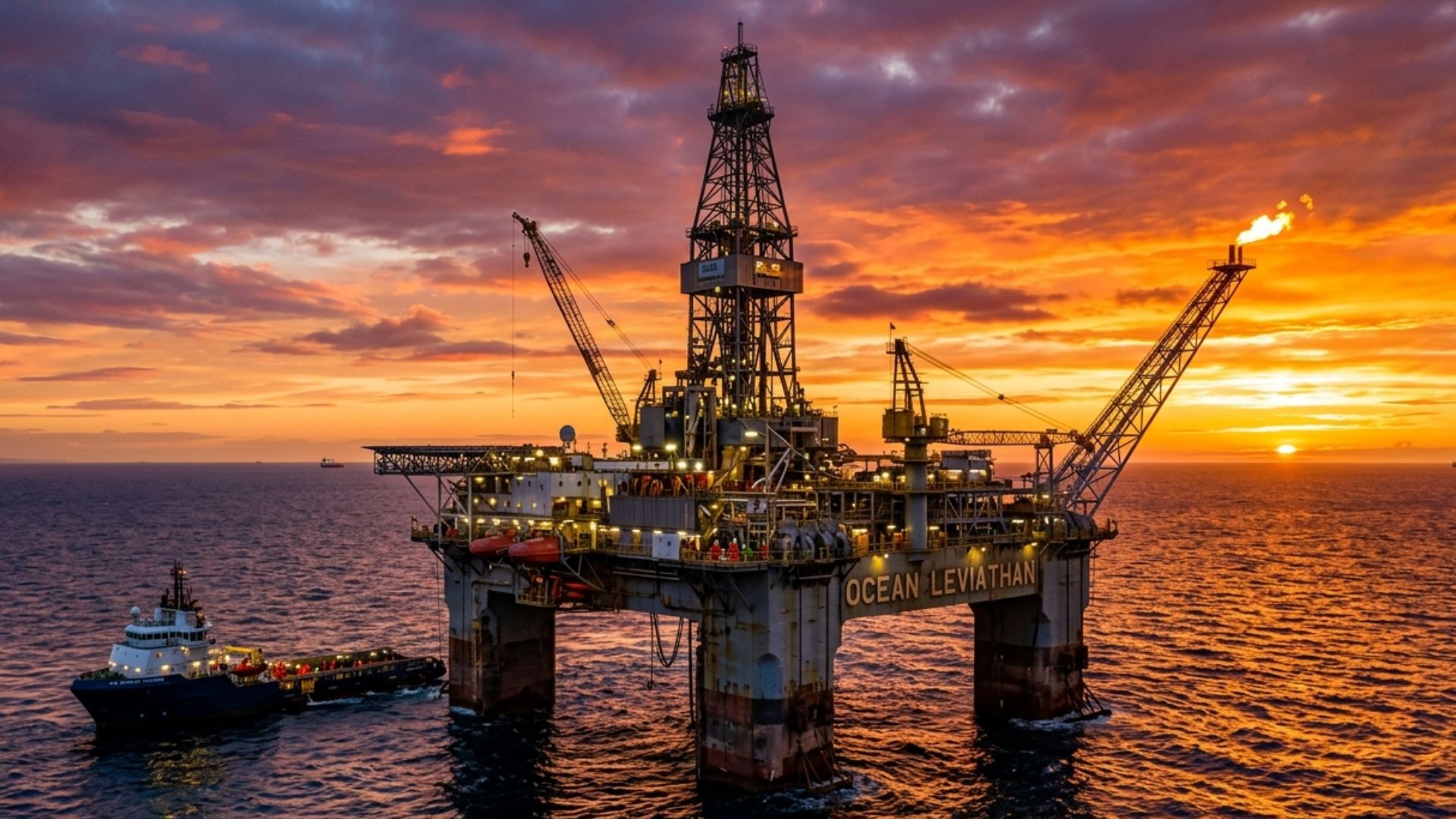

Natural Gas and Its Historical Trajectory in Brazil
To understand the current debate, it is necessary to look at the history of natural gas in Brazil. Until the 1990s, the country treated the input as a byproduct of oil production. At that time, the infrastructure was limited and consumption was restricted.
From the 2000s onward, especially with the discovery of the pre-salt, the scenario began to change. Natural gas gained relevance as a cleaner, more flexible, and efficient energy source. Moreover, it started to be seen as an alternative to reduce industrial costs and diversify the energy matrix.
However, even with advancements, structural bottlenecks persisted. Regulatory failures, market concentration, and limitations in transportation infrastructure hindered the formation of more competitive prices. As a result, Brazilian natural gas remained more expensive than in other producing countries.
Market Liberalization and Expectations of Price Reduction
In recent years, the government has bet on market liberalization as a solution. Starting in 2021, regulatory measures sought to stimulate competition, attract new suppliers, and expand access to transportation networks. At this moment, the expectation was created that prices would consistently fall.
Indeed, efficiency gains began to appear. However, according to the Ministry of Mines and Energy, these gains did not fully reach the end consumer. Part of the cost reduction remained concentrated in intermediate stages of the chain.
Therefore, the current debate is not limited to the recent increase. It involves how the natural gas market distributes gains and costs, a central theme for Brazilian energy policy.
Natural Gas, Industry, and Competitiveness
The impact of natural gas prices on industry is direct. Sectors such as steel, chemicals, ceramics, paper, and pulp heavily depend on the input. When prices rise, production costs increase and competitiveness decreases.
According to data from the federal government released in 2024, states with more expensive gas face greater difficulty attracting industrial investments. For this reason, Minister Alexandre Silveira highlighted that “the consumer cannot pay for the costs of regulatory inefficiencies.”
Additionally, natural gas influences long-term decisions. Industries planning new plants evaluate energy costs before investing. If prices are unstable or high, projects may move to other countries.
Natural Gas and Its Relationship with Oil
Another central factor involves the relationship between natural gas and oil. Historically, gas supply contracts have been linked to oil prices in the international market. This indexing helped explain frequent price fluctuations.
In recent years, the government has tried to reduce this dependence. Nevertheless, the recent rise in oil prices has once again pressured natural gas. According to the Ministry of Mines and Energy, this automatic pass-through needs to be reviewed, especially in a more open market.
Moreover, exchange rate fluctuations amplify the problem. As part of the contracts is dollarized, any devaluation of the real increases domestic prices. This effect directly affects consumers and companies, even when production occurs within the national territory.
Natural Gas as a Vector of Development
Despite current tensions, the government maintains a strategic view of natural gas. According to the MME, the input should function as a vector for economic development, job creation, and investment attraction.
This perspective appears in official documents published between 2023 and 2025. Natural gas, being less polluting than other fossil sources, plays an important role in the energy transition. It helps ensure supply security while renewables advance.
Additionally, gas allows greater flexibility in the electric system. Gas-fired power plants can come online quickly, complementing intermittent sources like solar and wind. For this reason, maintaining competitive prices becomes even more relevant.
Regulation and the Role of the States
Another sensitive point involves the role of state distributors. According to the federal government, high margins in the local gas service contribute to the increase in final prices. This issue gained prominence in the MME statement.
In Brazil, states hold distribution concessions. Thus, local regulatory decisions directly impact the amount paid by consumers. For the government, it is necessary to align state rules with the logic of a more efficient market.
This debate, although complex, reflects a historical concern. Since the 1990s, experts have pointed out the need to harmonize federal and state regulation in the natural gas sector. Without this alignment, distortions persist.
Natural Gas and the Energy Transition
In the global scenario, natural gas occupies an intermediate position in the energy transition. According to the International Energy Agency, in reports published between 2022 and 2024, gas remains relevant in the coming decades, especially in emerging countries.
In Brazil, this logic is repeated. Natural gas helps reduce emissions by replacing more polluting sources. At the same time, it supports the reliability of the energy system.
For this reason, the government argues that the input should not become an obstacle to growth. High prices undermine this strategic role, hindering both economic development and the transition to a cleaner matrix.
A Debate That Repeats, but Gains Urgency
By observing the history of the sector, it is clear that the debate over the price of natural gas is not new. However, it gains urgency at a moment of market liberalization and pursuit of competitiveness.
The statement from the Ministry of Mines and Energy signals a more active government stance. By demanding price reductions, the ministry reinforces that efficiency gains need to reach the consumer.
Thus, natural gas returns to the center of attention. It presents itself as a key element for economic growth, industry, and energy security. At the same time, it exposes historical regulatory challenges that the country still needs to address to transform potential into concrete development.









-

Uma pessoa reagiu a isso.