





 Portuguese
  English
  Spanish
  3 min of reading


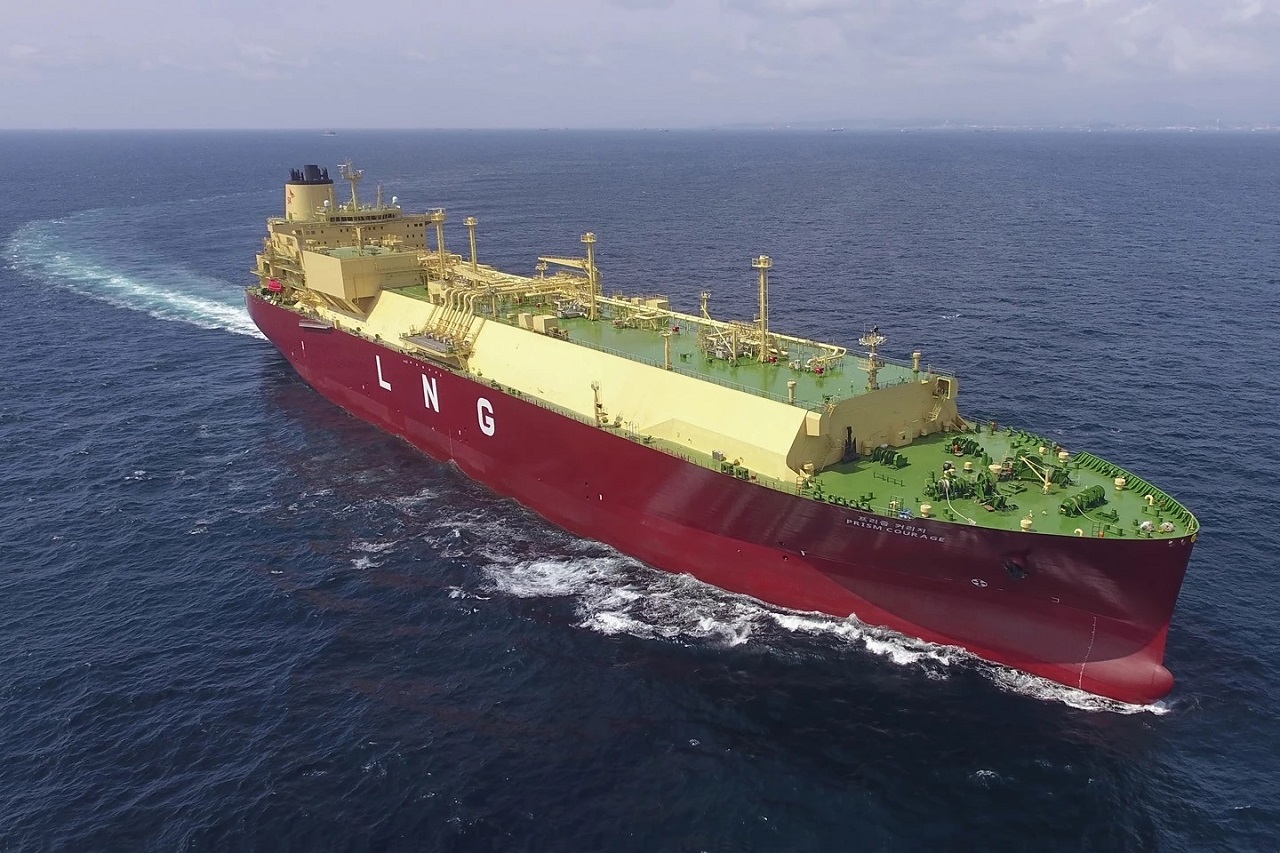
Hyundai, Alongside Other Companies, Developed an Autonomous Ship That Has Already Traveled Over 10,000 Kilometers Using Artificial Intelligence Technologies. The Vessel Also Avoided CO2 Emissions on 5% of Its Route.
The giant autonomous ship named Prism Courage, built by Avikus, a subsidiary of Hyundai Industries Group and operated by SK Shipping, successfully completed a long journey autonomously across the waters of the Pacific Ocean. In total, it traveled over 10,000 kilometers using navigation technologies without human intervention. To give you an idea of the size of the vessel from Hyundai, it is a cargo ship weighing 122 tons. Its composition spread over 180,000 square meters was developed for the transportation of liquefied natural gas (LNG).
Ship Departed from Texas and Reached the South Korean Province of Chungcheong
The main technology for this achievement is the innovative autonomous navigation HiNAS 2.0, developed by Avikus itself. Of a total distance of 20,000 km, completed in 33 days of travel across the Pacific Ocean, about half was accomplished using this technology.
The Hyundai autonomous ship departed on May 1 from Freeport, Texas, passed through the Panama Canal, and arrived in the South Korean province called Chungcheong. During the journey, HiNAS 2.0 developed optimal routes and, according to Hyundai, improved fuel efficiency by 7%, avoided over 100 collisions with other ships, and reduced greenhouse gas emissions by 5%.
-
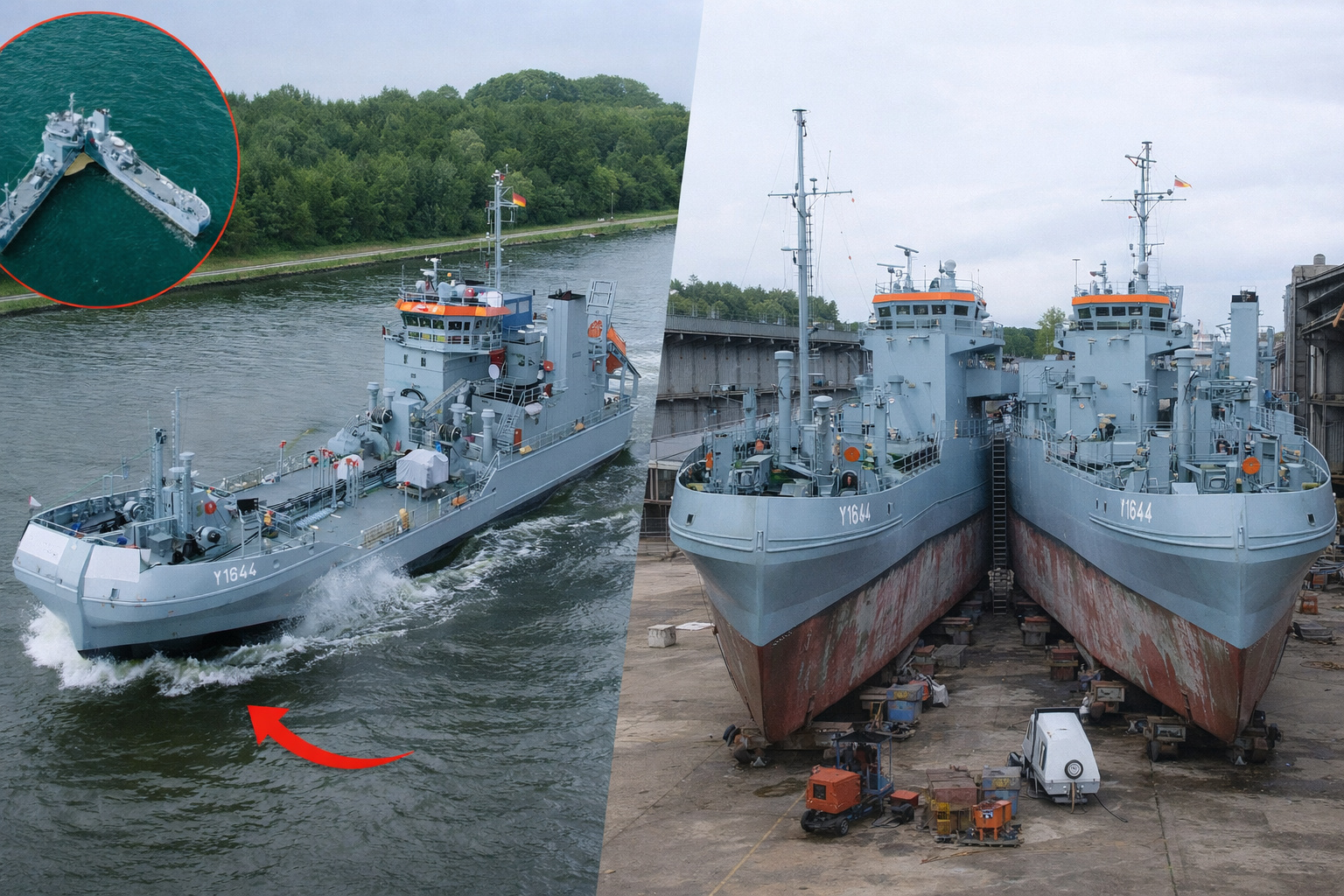
The German ship Bottsand splits its hull in two halves in the middle of the ocean to swallow spilled oil on the surface, separating the oil from the water inside a 790 cubic meter tank and then closing again. It is the only ship in the world factory-designed to split in half as part of normal operations, and the crew of six people who operate everything is civilian.
-
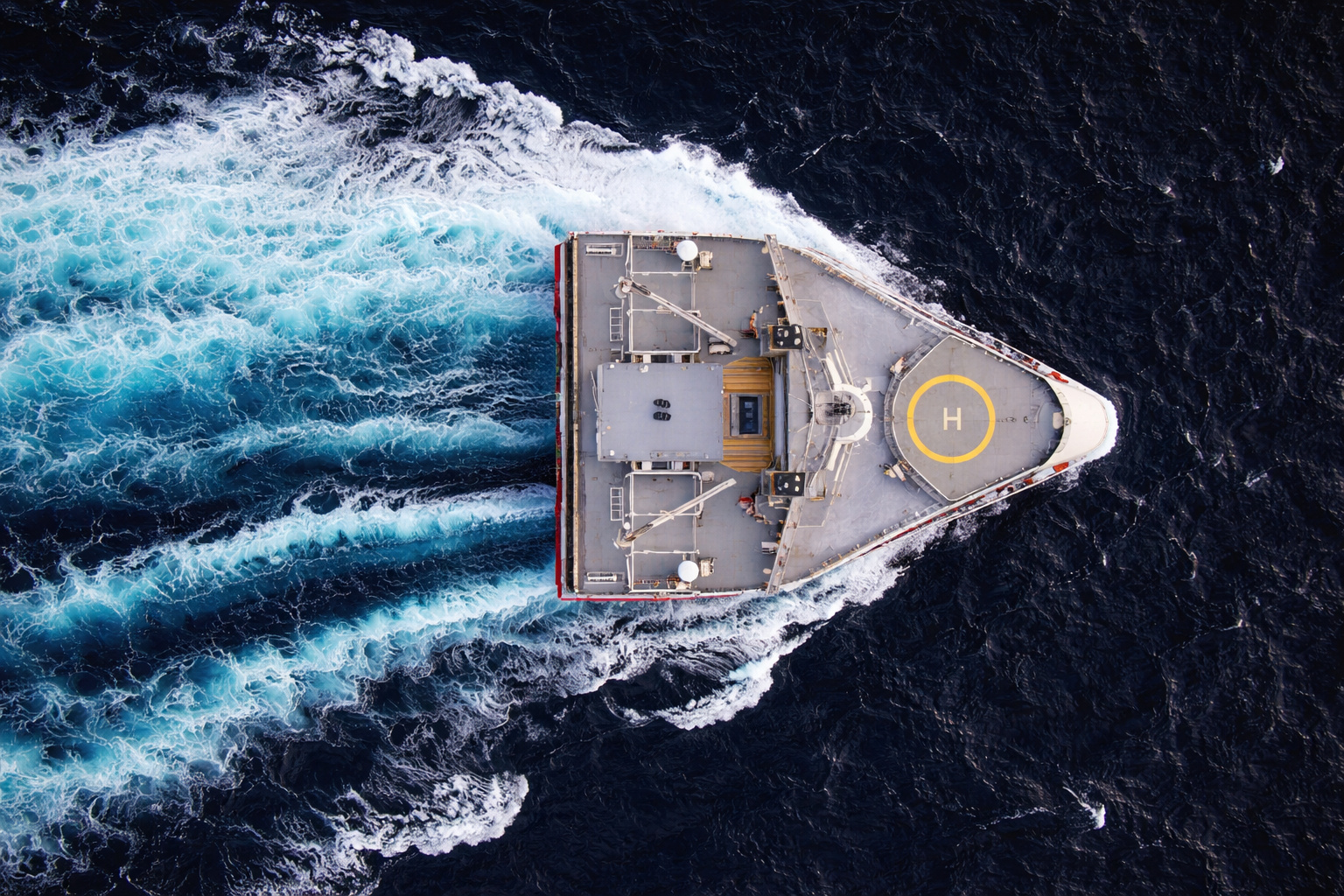
With almost 70 meters in width at the stern and a shape resembling a “giant slice of cheese,” the Ramform Titan tows up to 24 seismic cables to sweep the ocean floor in 3D and reveal oil reserves hidden beneath kilometers of sediment.
-
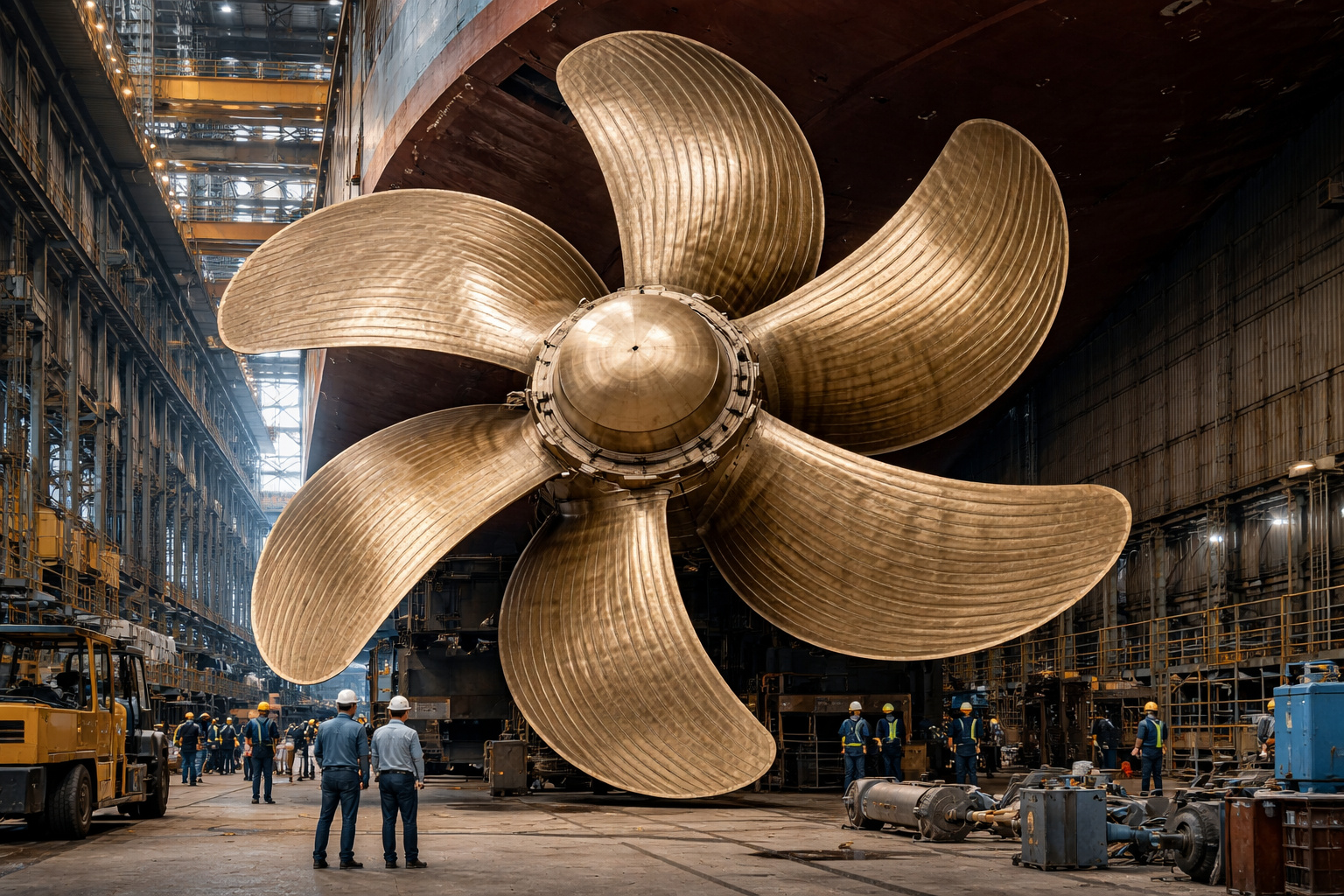
How a 131-ton, 11-meter propeller supports 90% of global trade and transforms the largest container ships on the planet.
-
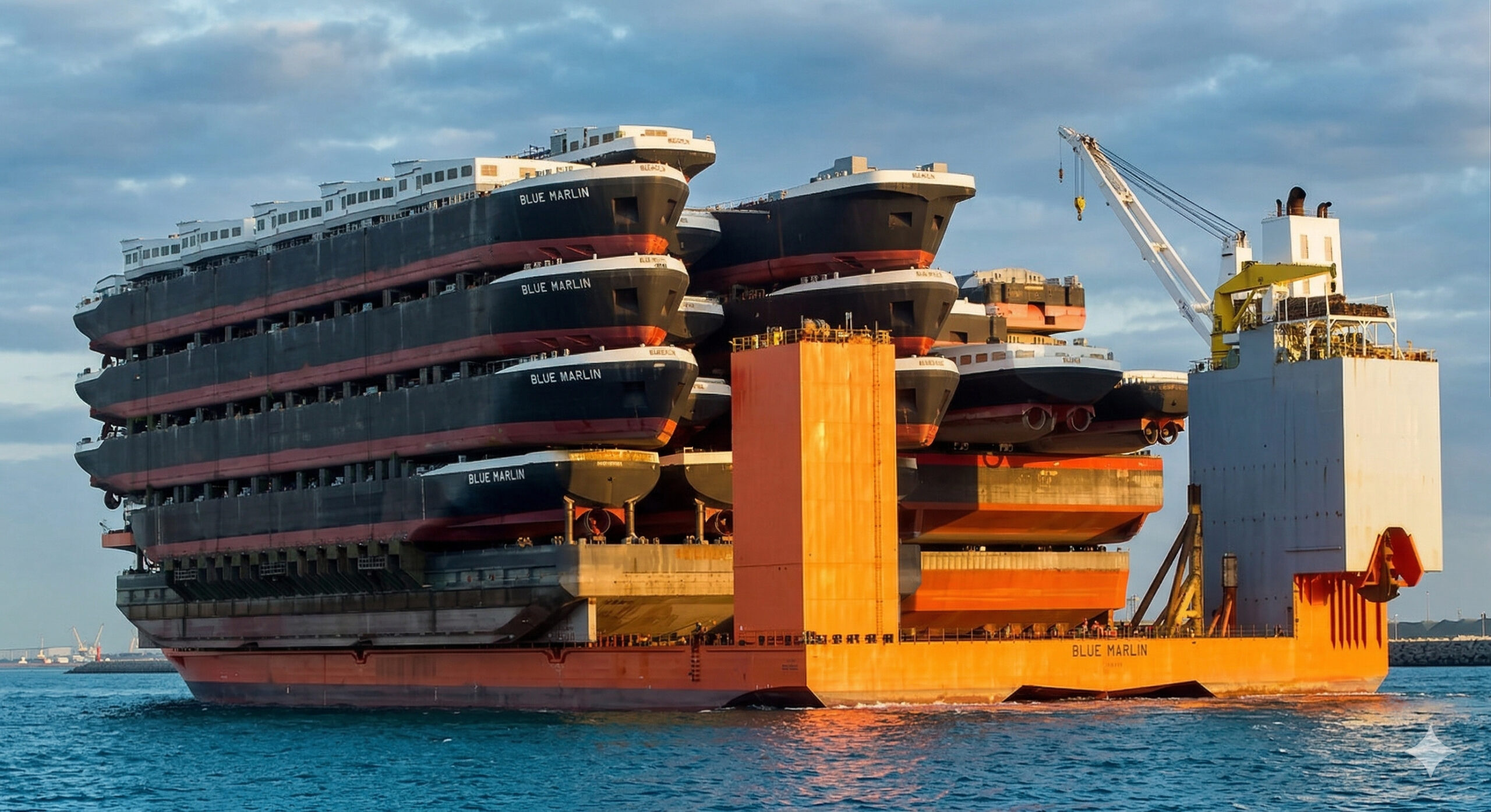
With a length of 225 meters and a capacity of 76 thousand tons, this ship “sinks” its own deck down to 28 meters deep to accommodate war destroyers, oil platforms, and giant radars floating above, and then emerges with everything intact on top like a colossal tray crossing oceans.

The technology of Hyundai’s autonomous ship also provided information and real-time guidance on the best speeds and routes based on the Integrated Smartship Solution (ISS) artificial intelligence from Hyundai Global Service.
The Objective of the Journey Is Total Electrification and Certification of HiNAS 2.0
Based on a Level 2 maritime transport automation set, analogous to the same level of autonomy defined by the Society of Automotive Engineers (SAE) for cars, HiNAS 2.0 requires human monitoring but allows for a certain level of operation without intervention.
In the case of Hyundai’s autonomous ship, the technology allows for automated navigation taking into account the weather, nearby maritime traffic, and wave heights.
It is important to emphasize that one of the main focuses of Hyundai’s vessel journey is the certification of HiNAS 2.0 with the certifying body American Bureau of Shipping (ABS), which will make it possible to sell the system. The recorded emission reductions are also significant since maritime transport is an important source of atmospheric pollution.
Technologies Involving Autonomous Vessels Are Also Advancing in Brazil
The online travel platform Hurb Labs Has Partnered with TideWise, a Brazilian technology-based company providing maritime solutions, in April. The goal of the partnership is to develop an innovative project using the technologies of an autonomous and sustainable ship.
The new transportation, which will operate in the transit of passengers through the waterways of Rio de Janeiro, is expected to start operations in December of this year. The new partnership between the companies focuses on exploring and also some waterways in the city to connect tourist attractions and important hubs, such as downtown Rio, the Peninsula in Barra da Tijuca, Sugarloaf Mountain, and the Jardim Oceânico subway station.
The vessel is named Arya and uses laser sensors, radars, and camera systems to navigate safely, sharing the same routes as conventional ships in RJ.









Seja o primeiro a reagir!