





 Portuguese
  English
  Spanish
  4 min of reading
  0 comments


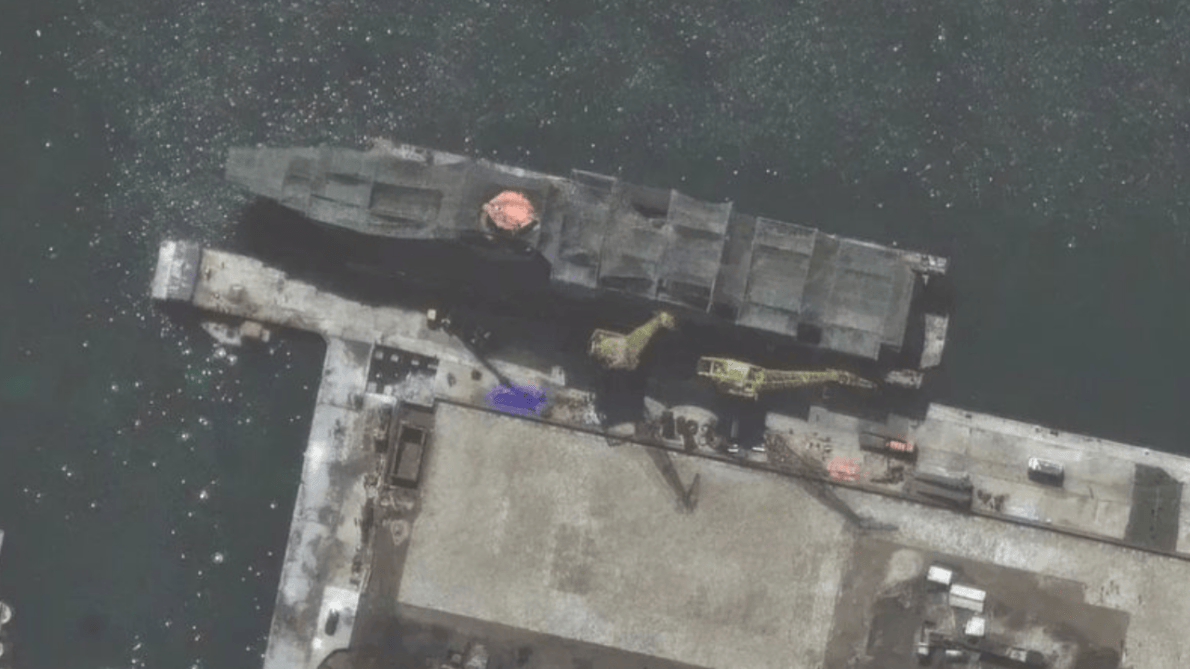
Satellite Images Reveal That North Korea May Be Building The Largest Warship In Its History.
New satellite images captured by companies like Maxar Technologies and Planet Labs have revealed something surprising: the construction of the largest warship ever built by North Korea. The project, which is underway at the shipyard in Nampo, southwest of the capital Pyongyang, has caught the attention of international analysts due to its size, onboard technology, and what it may represent for regional security.
The vessel, which is expected to be a guided missile frigate, is estimated to be approximately 140 meters long — double the size of most existing ships in the North Korean navy. For comparison, this dimension rivals modern destroyers like those of the Arleigh Burke class of the U.S. Navy.
A Technological Leap Or Just Appearance?
According to an analysis by the Center for Strategic and International Studies (CSIS), the new ship appears to have been designed to carry missiles in vertical launch tubes — a technology typical of more advanced navies, used for attacks against land and maritime targets.
-
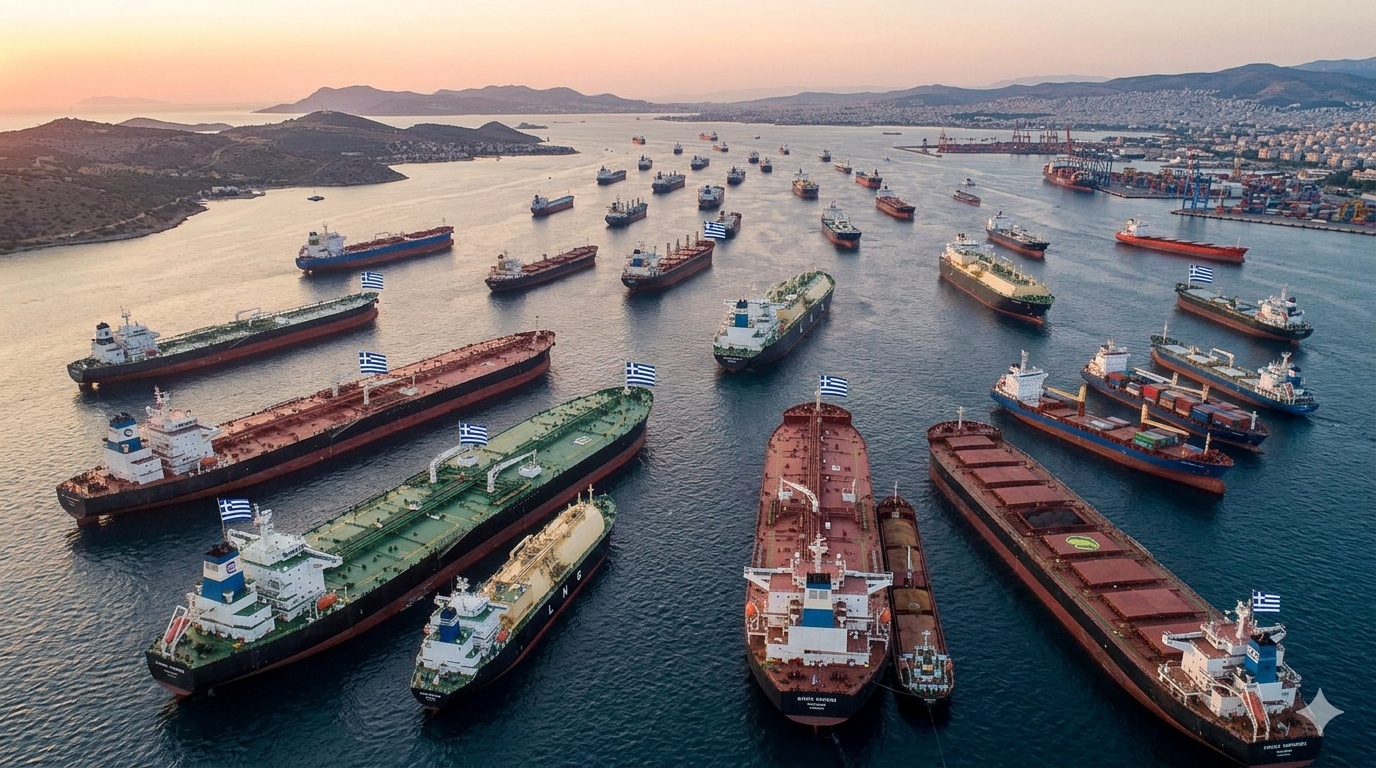
Neither the USA nor China: a small European nation has become one of the largest maritime powers on the planet, controlling one of the largest merchant fleets in the world with thousands of ships and dominating the global transportation of oil and strategic cargo.
-
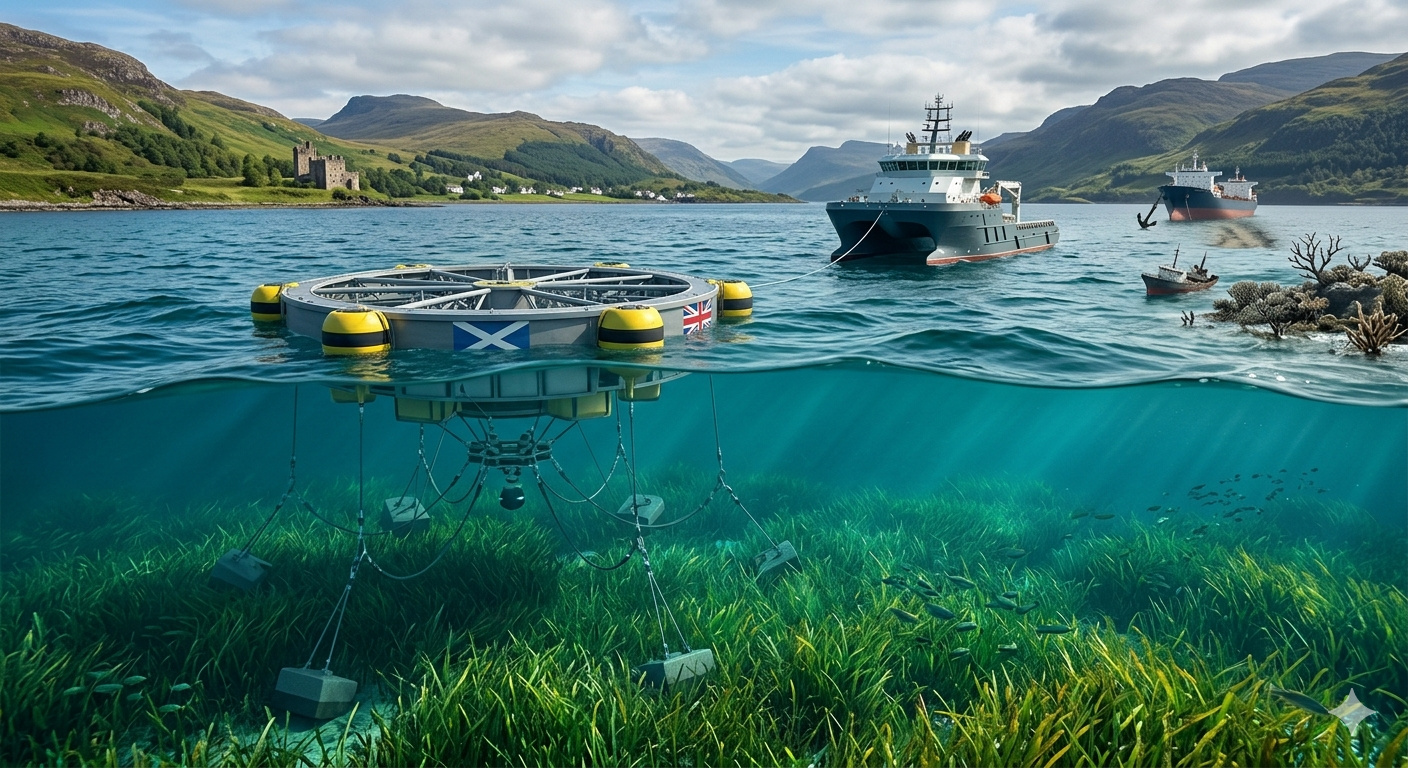
Scotland and the United Kingdom have created a new anchoring system that floats in the water without touching the seabed, after discovering that the current from a conventional anchor destroys up to 50 m² of seagrass meadow per event and that ship-damaged reefs showed no signs of recovery even ten years later.
-
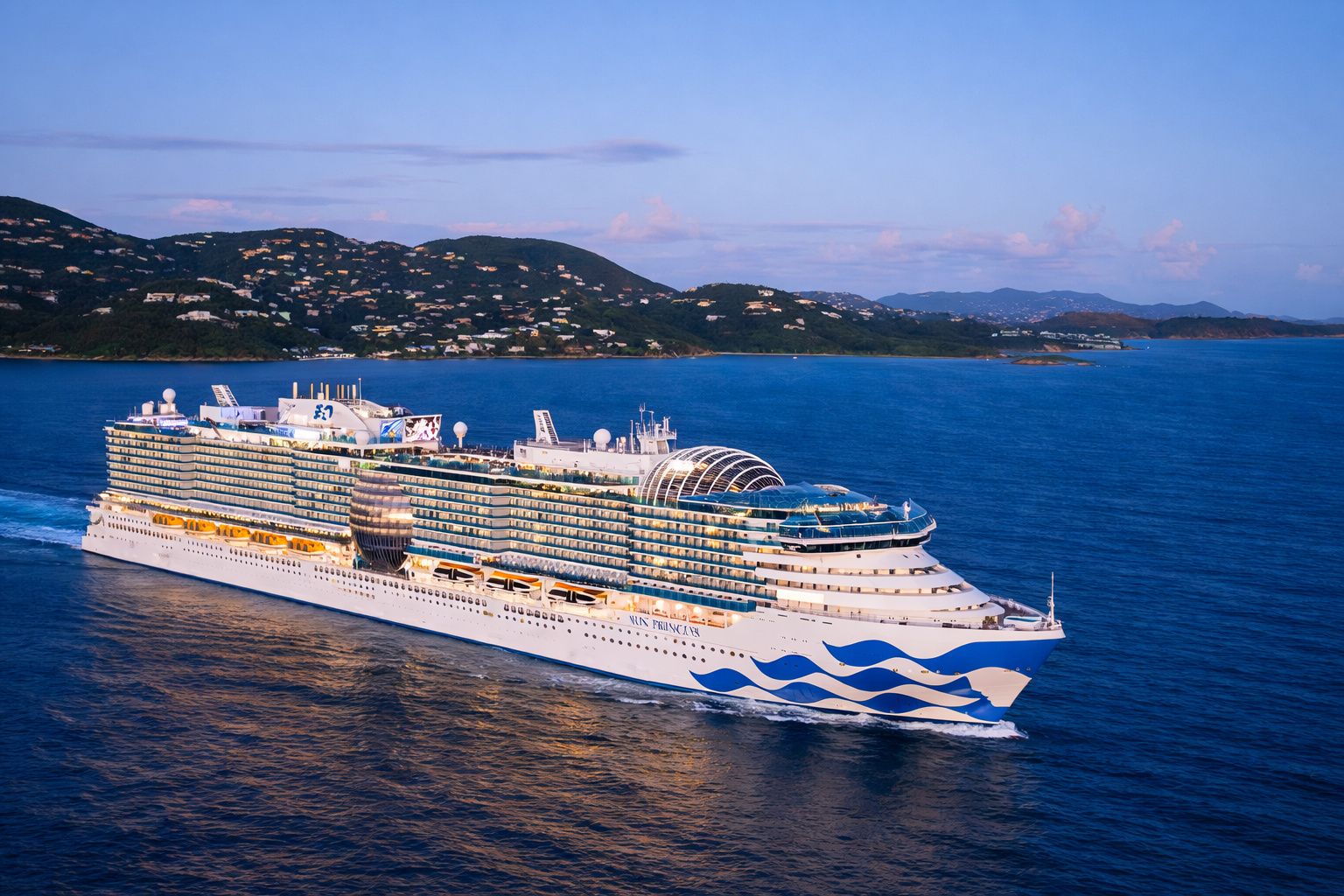
Weighing 175,500 Tons, Measuring 345 Meters Long, and With Capacity for Over 4,300 Passengers, the Sun Princess Becomes the Largest Ship Ever Built by Princess Cruises and Attracts Global Attention for Its Huge Glass Dome Inspired by Santorini’s Architecture Installed on Top of the Vessel
-
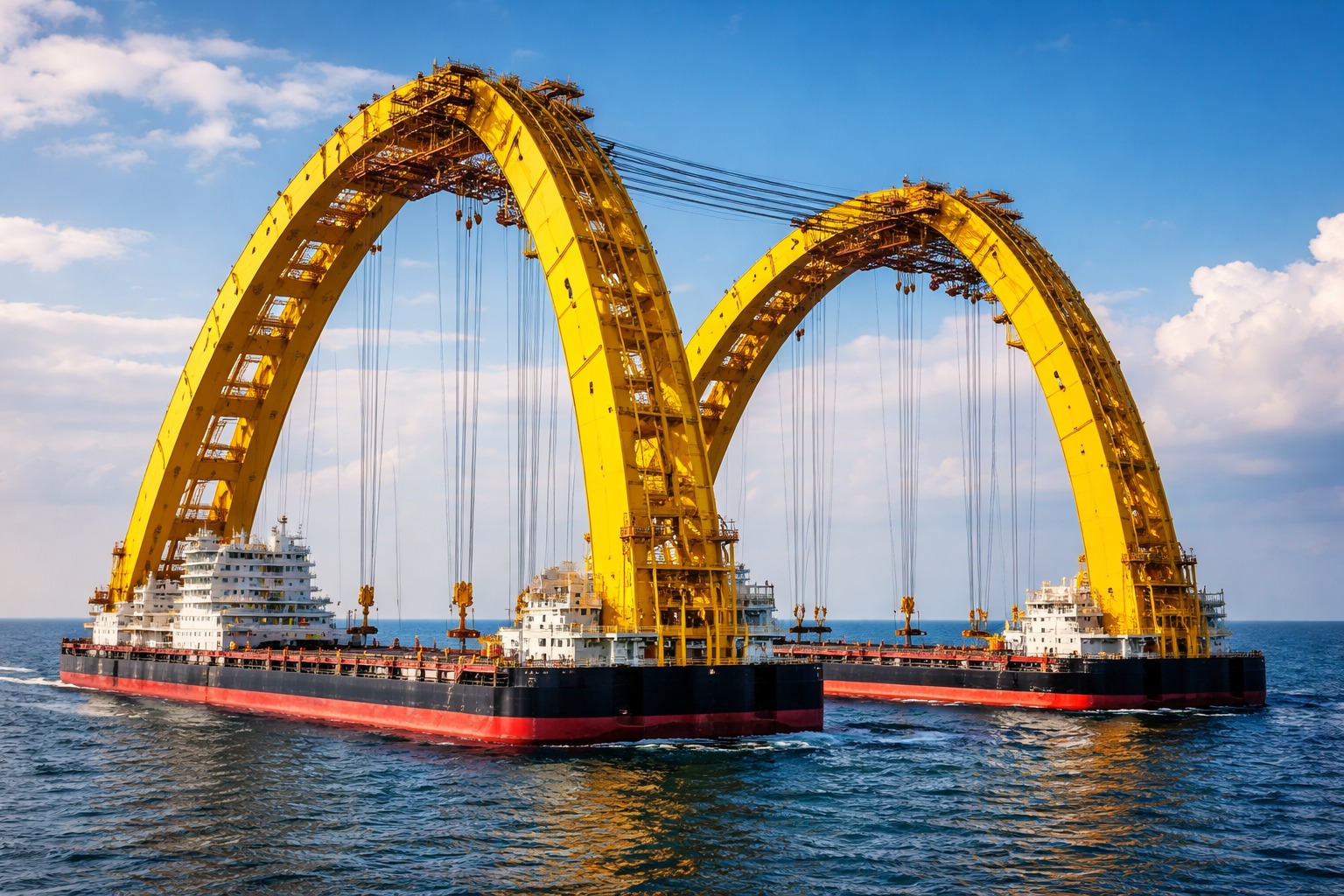
TX-10, The Colossus of The Sea: Largest Lifter Ship in The U.S., With Two Giant Barges, 73-Meter Tall Structure, and Strength to Raise 7,500 Tons of Sunken Oil Rigs

Moreover, images reveal that the ship may be equipped with phased array radars, capable of detecting and tracking threats with precision and agility.
But the central question remains: does North Korea really have the technical capability to build such a sophisticated warship?
For Carl Schuster, a former U.S. Navy officer, building the hull is one thing — integrating advanced systems for communication, sensors, weapons, and propulsion is a far greater challenge.
Can North Korea Finance The Project For The Largest Warship?
The cost of building, maintaining, and operating North Korea’s largest warship is not small. In addition to the physical structure, crew training, fuel consumption, and ongoing maintenance must be considered.
Kim Byung-kee, a member of the National Assembly’s Intelligence Committee of South Korea, questioned whether the neighboring country has the necessary financial and logistical resources to keep this type of vessel operational in the long term.
“Operating such a large military warship requires a significant budget. They not only need to build a warship, but also train a crew to operate it, and the cost includes equipment and fuel. Moreover, a huge warship cannot navigate alone. So the question is: can North Korea bear the cost?” he questioned.
Russian Help Behind The Modernization
One of the most debated theories among international analysts is the possibility of military collaboration between North Korea and Russia.
Since the start of the war in Ukraine, the ties between the two countries have tightened. This raises the hypothesis that Moscow is helping Pyongyang to overcome UN sanctions by supplying military technology.
Kim Duk-ki, a retired South Korean admiral, stated that he believes it is possible that Russia is providing know-how for missile systems to be used on the new North Korean frigate. If true, this would represent a significant threat to regional security, reveals the former Navy officer.
Kim Jong Un Personally Inspects The Warship Construction
It is not only through satellites that the world has seen the progress of the construction. The North Korean state television (KCTV) itself aired images of leader Kim Jong Un visiting the Nampo shipyard and inspecting the project’s progress.

The release of the images could have a double effect: reinforcing Kim’s internal prestige and sending a message to the West about the country’s growing military capability.
If the ship is completed with the promised capabilities, including the use of hypersonic ballistic missiles (such as those tested by North Korea in January), this could change the military balance in Asia.
A ship with such firepower would be able to carry out precision attacks at long distances, and could represent a challenge even for forces like the U.S. Navy or the South Korean Navy.
North Korean Navy: Large In Number, Limited In Capability
According to the U.S. Defense Intelligence Agency (DIA), North Korea has about 400 patrol boats and 70 submarines, most of which are old and small. The current fleet is considered adequate only for coastal defense.
Only two surface combat ships are considered “main,” being from the Najin class, which have been in use for over 50 years, reports the analyst from the International Institute for Strategic Studies, Joseph Dempsey.
The arrival of a modern frigate could represent a real attempt at renewal, but there are still doubts about the sustainability of this modernization in the long term.
Naval Expansion: New Ports And Submarines
The construction of North Korea’s largest warship is part of a larger project. Kim Jong Un announced, back in 2024, the creation of a new naval base to accommodate large vessels and nuclear submarines.
“Now that we will soon have large surface warships and submarines that cannot be docked at the existing facilities for warship berthing, the construction of a naval base to operate the latest large warships has become an urgent task,” he explained.
Additionally, the country is developing nuclear-powered submarines at the Sinpo shipyard and another warship, possibly a destroyer, in Chongjin. The goal is clear: to transform the North Korean navy into a modern deterrent force.
The emergence of North Korea’s largest warship represents much more than a military advance: it is a symbol of Kim Jong Un’s strategic ambitions.
With international support (possibly from Russia) and a focus on modern technology, the country appears determined to join the ranks of nations with long-range naval capabilities.
It is still early to know if the ship will fulfill all the promises — or if it will actually be able to operate effectively.
With information from CNN









Seja o primeiro a reagir!