





 Portuguese
  English
  Spanish
  3 min of reading
  0 comments


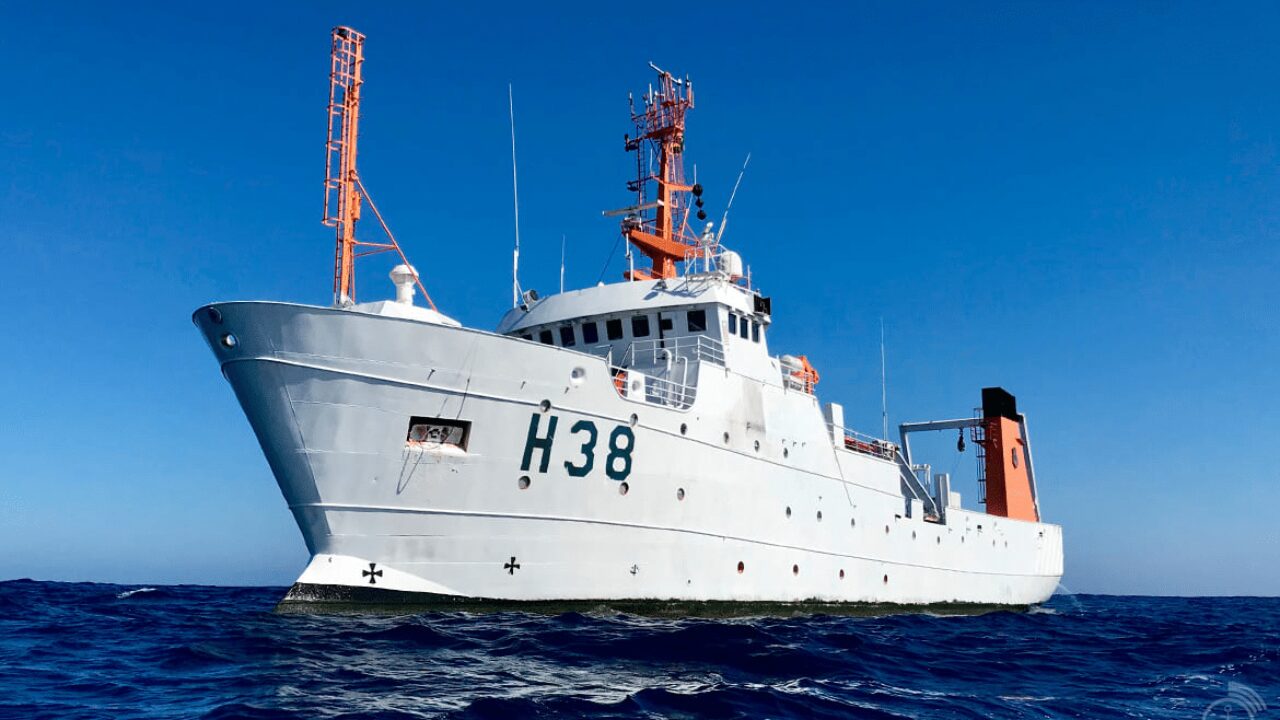
Know The Cruzeiro do Sul: An Oceanographic Vessel of The Navy That Strengthens Science And Sovereignty In Brazilian Seas.
With cutting-edge technology and a strategic mission, the oceanographic vessel Cruzeiro do Sul has strengthened Brazil’s presence at sea through scientific research, support for maritime security, and international collaboration. Operated by the Brazilian Navy, the vessel is preparing for a new mission in Cameroon and will soon head to the Bahia coast focusing on environmental studies.
Equipped to operate across various fields—from hydrography to oceanography—the Cruzeiro do Sul is one of the main floating research platforms in the country and integrates national efforts to protect and study the so-called Blue Amazon, a strategic area of over 4.5 million km² of waters under Brazilian jurisdiction.
Cruzeiro do Sul Vessel Will Carry Out An International Mission And Environmental Project In Abrolhos
In June 2025, the oceanographic vessel Cruzeiro do Sul will be in Douala, on the coast of Cameroon, as part of a cooperation mission with the Cameroonian National Navy.
-
Europe is trying to create an ammonia-powered marine engine without auxiliary fuel, which could unlock the race for giant emission-free ships. The technology aims to eliminate one of the biggest obstacles to clean maritime propulsion.

-
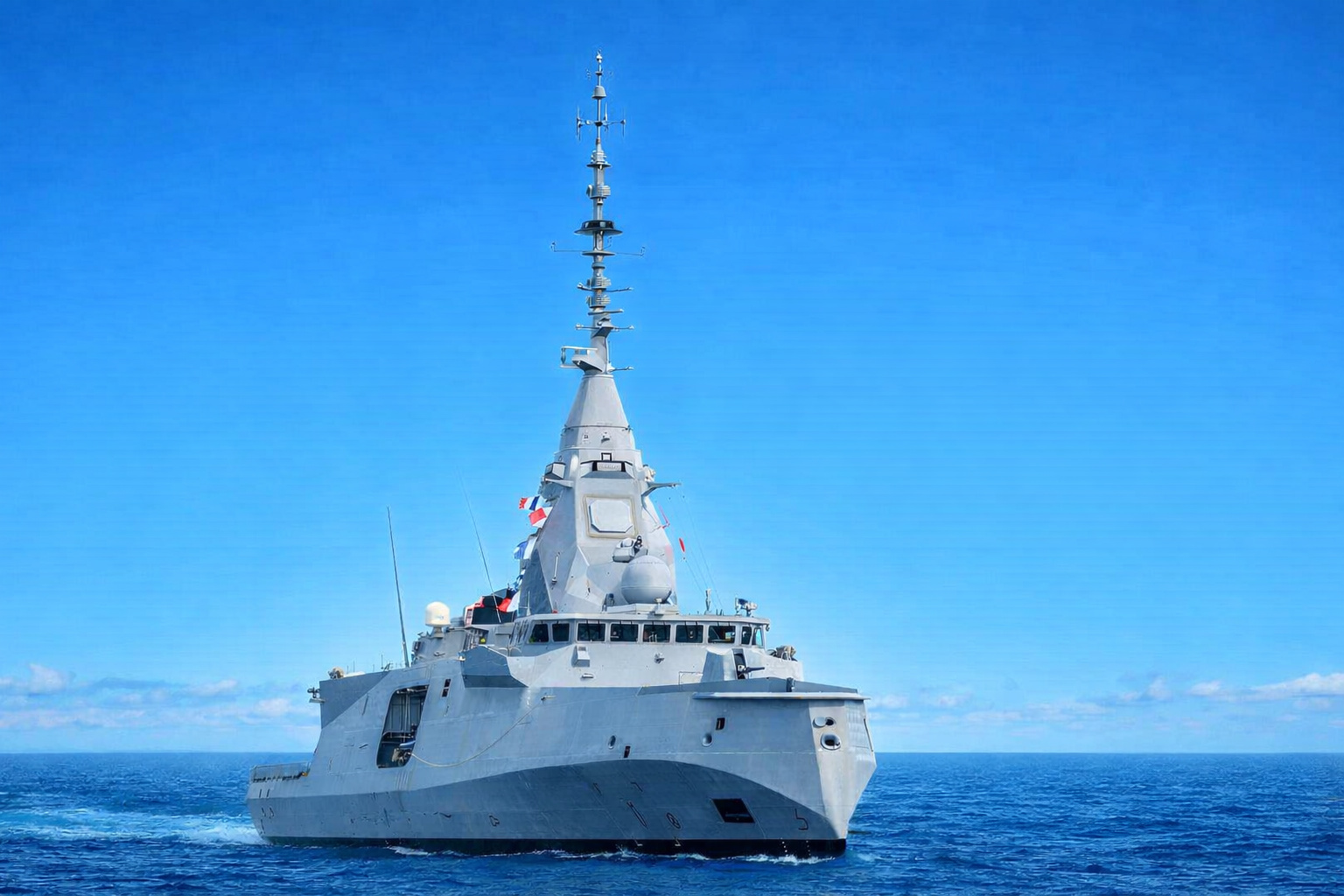
A 4,500-ton frigate with just over 100 crew members, state-of-the-art radar, and cruise missiles is being touted as the new standard of naval warfare in the 21st century.
-
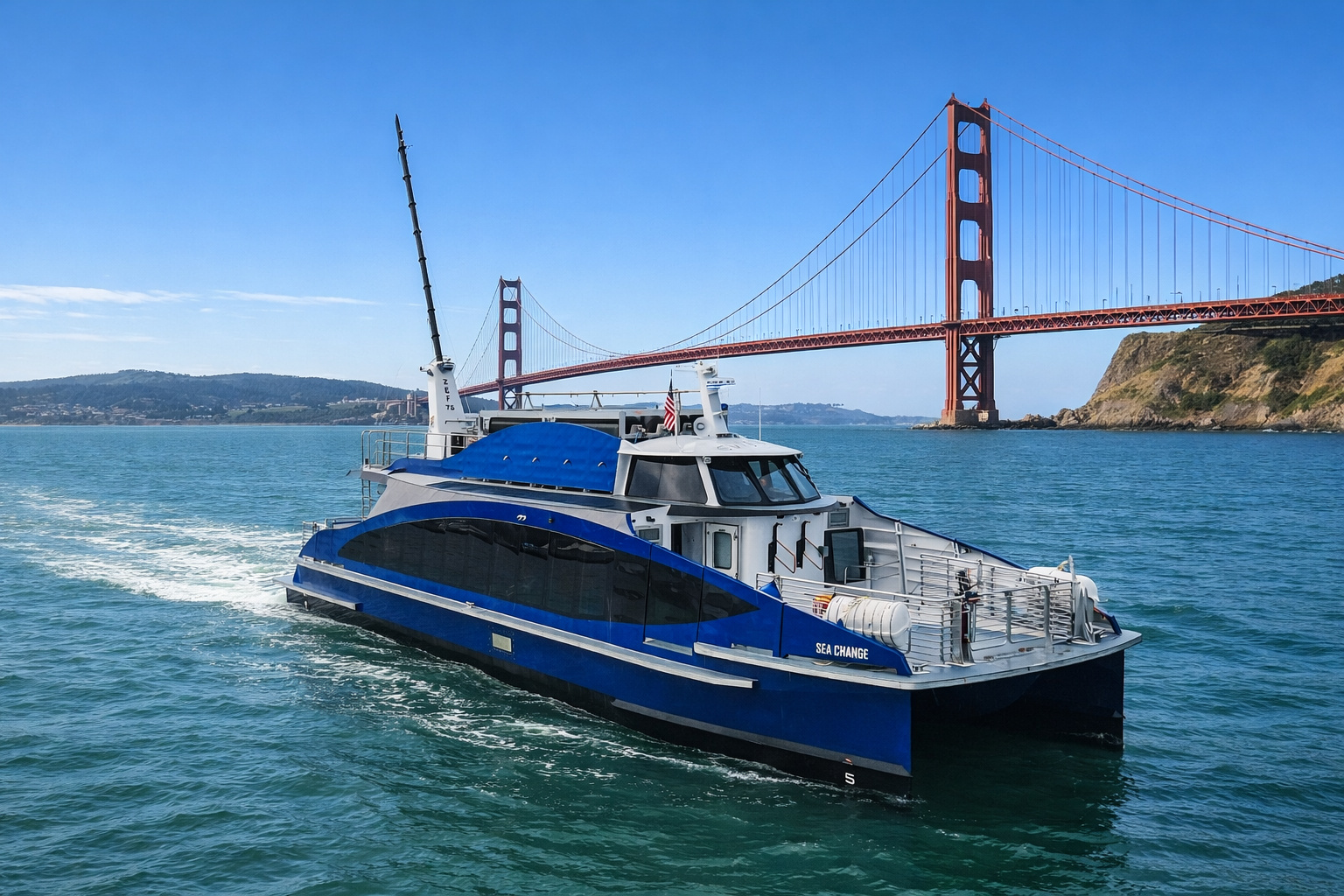
The first commercial hydrogen-powered ferry enters operation in the U.S., eliminates the use of diesel, uses fuel cells to generate clean energy on board, and transforms San Francisco Bay into a landmark of the new era of emission-free navigation.
-
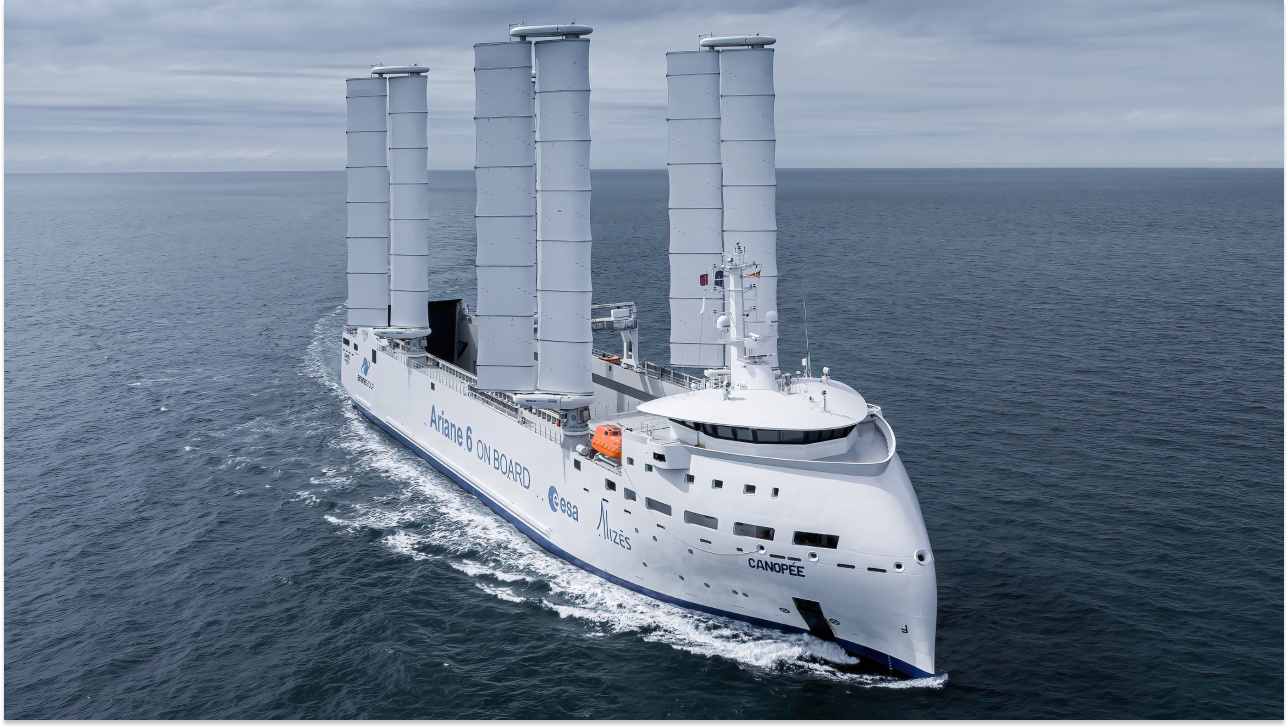
With a length of 121 meters and four rigid sails of 36 meters that automatically rotate to capture the wind, Canopée is the world’s first hybrid industrial cargo ship powered by wind, used to transport rockets and reduce fuel consumption by up to 30% on transoceanic routes.

The mission will take place between the 16th and 23rd and aims to strengthen diplomatic ties and promote the exchange of technical knowledge between the two naval forces.
“It will be an excellent opportunity to strengthen relations between the two navies, as well as the possibility for the Brazilian Navy to present to the Cameroonian Navy some of its legacy and activities in the areas of Hydrography, Meteorology, Oceanography, and Marine Geology,” stated the Brazilian Navy.
Right after returning to national territory, the Cruzeiro do Sul will be mobilized for the launch of a spotter wave buoy in the Abrolhos region (BA), contributing to the National Buoy Program (PNBOIA), which monitors climatic and maritime conditions in real-time.
High Technology And Scientific Vocation
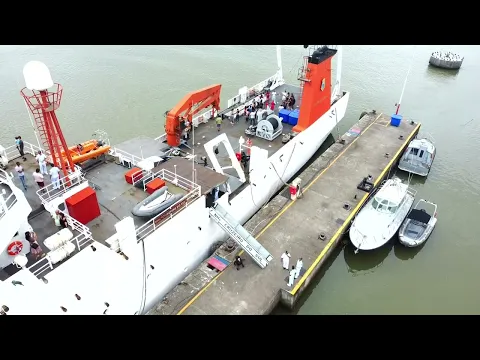
The oceanographic vessel Cruzeiro do Sul has modern infrastructure dedicated exclusively to research.
Onboard, there are equipment such as echo sounders, meteorological systems, radars, DGPS, and navigation sensors.
Additionally, the vessel has a support boat and a crane with a capacity of six tons, allowing the manipulation of loads and scientific instruments at sea.
The 300-square-meter deck facilitates activities such as buoy launches, seafloor surveys, current modeling, environmental data collection, and biodiversity studies.
All these resources are essential for the development of public policies for the preservation and sustainable use of Brazilian seas.
International Origin And Incorporation Into The Navy
Before being incorporated into the Brazilian Navy, the Vessel Cruzeiro do Sul had a long trajectory in international waters.
Built in Norway in 1986, initially as a fishing vessel, it was later converted into a seismic research vessel.
Its structure underwent modifications, including an increase in length to 65.7 meters.
In 2007, the vessel was acquired by the Brazilian Navy with the support of FINEP (Funding Agency for Studies and Projects), linked to the Ministry of Science, Technology, and Innovation.
The purchase was part of a strategic effort to provide the scientific community with a robust platform, within the scope of the National Embedded Laboratory Project (LNE).
The vessel was officially incorporated into the Fleet on February 28, 2008, and has since been operated by the Directorate of Hydrography and Navigation (DHN), being part of the Group of Oceanographic Vessels (GNHo) under the guidance of the Navy Hydrography Center (CHM).

Commitment To Knowledge And National Sovereignty
In addition to being an important pillar of scientific research at sea, the oceanographic vessel Cruzeiro do Sul plays a strategic role in defending Brazil’s maritime sovereignty.
Its operations are part of the Sectoral Plan for Marine Resources (PSRM), coordinated by the Interministerial Commission for Marine Resources (CIRM).
By collecting and analyzing data from marine environments, the vessel directly contributes to the protection of the Brazilian coast, the training of new specialists, and the planning of sustainable actions in the oceans.
Defense in Focus and Brazilian Navy









Seja o primeiro a reagir!