





 Português
  Inglês
  Espanhol
  5 min de leitura
  2 comentários


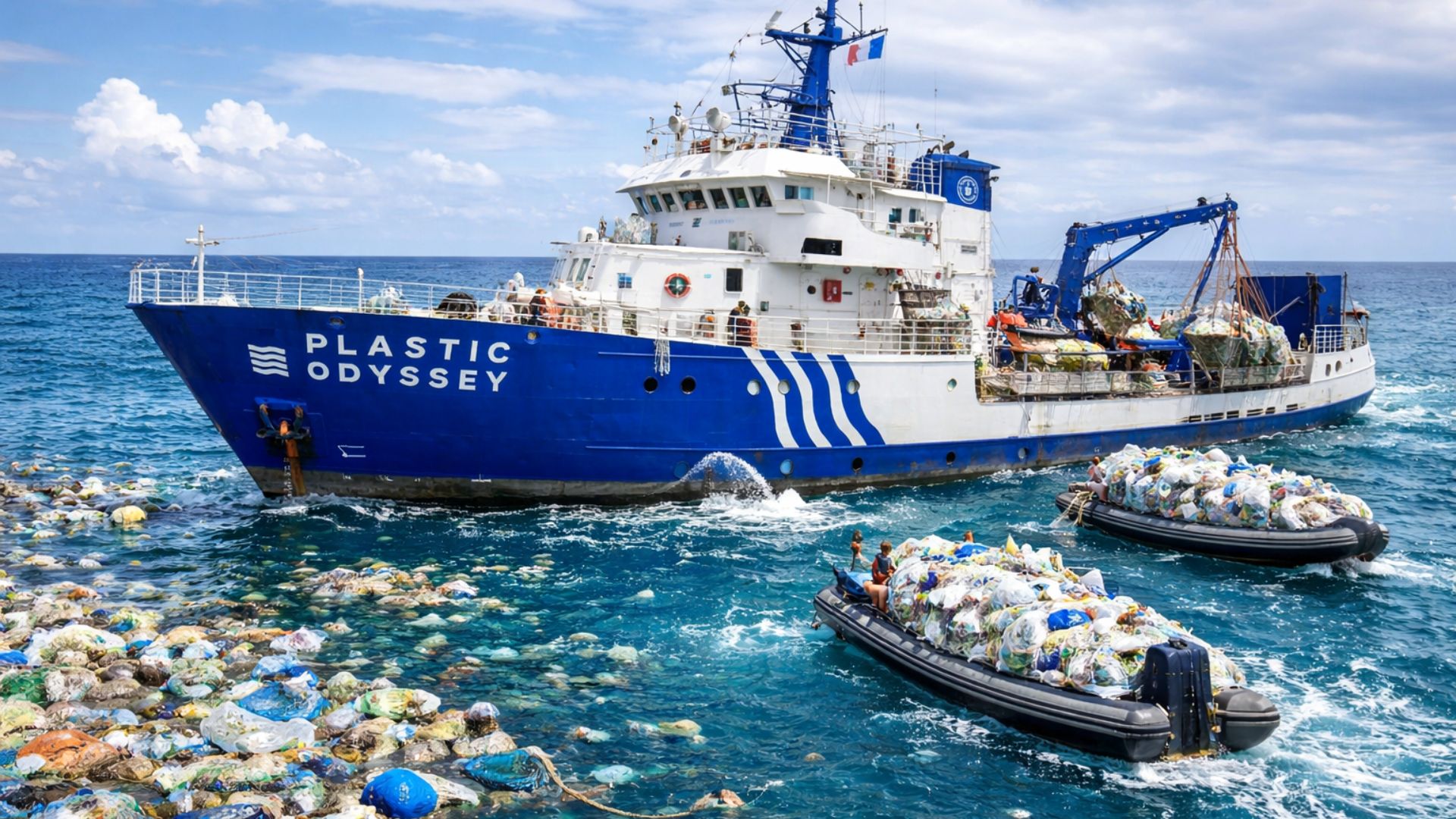


Ship-Laboratory Adapted As Mobile Recycling Center Removes Tons Of Waste On One Of The Most Isolated Islands In The Pacific And Inspires New International Strategy To Combat Ocean Trash In Protected Areas And Maritime Sanctuaries Recognized As Natural Heritage.
A 40-meter ship-laboratory transformed into a mobile recycling platform has moved beyond technological demonstrations to take a central role in high-complexity marine clean-up operations.
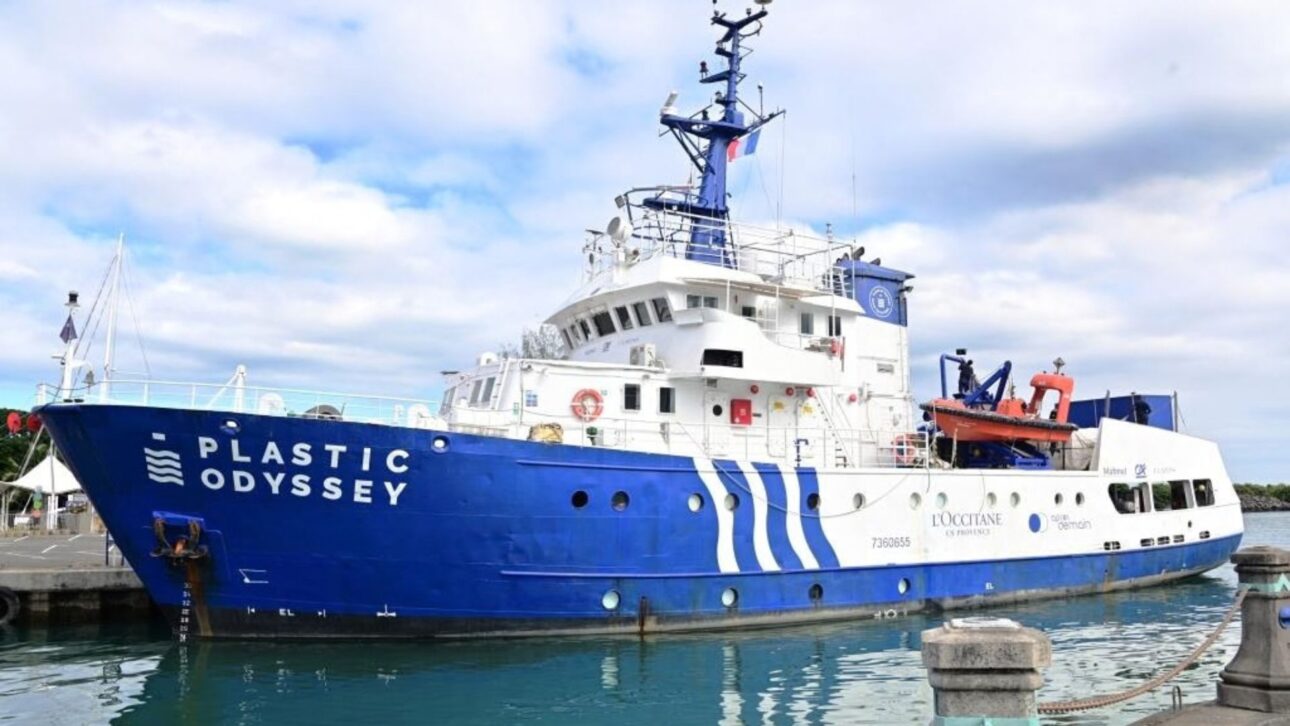
The vessel Plastic Odyssey was used to collect and separate 9.3 tons of waste on Henderson, an isolated island in the South Pacific, and the experience served as the basis for a UNESCO partnership focused on protecting marine World Heritage sites affected by plastic pollution.
Henderson Island: Natural Sanctuary Became Symbol Of Global Plastic Crisis
The case gained international relevance because Henderson combines two rare conditions in the same territory: exceptional ecological value and increasing pressure from waste arriving from afar, carried by ocean currents.
-
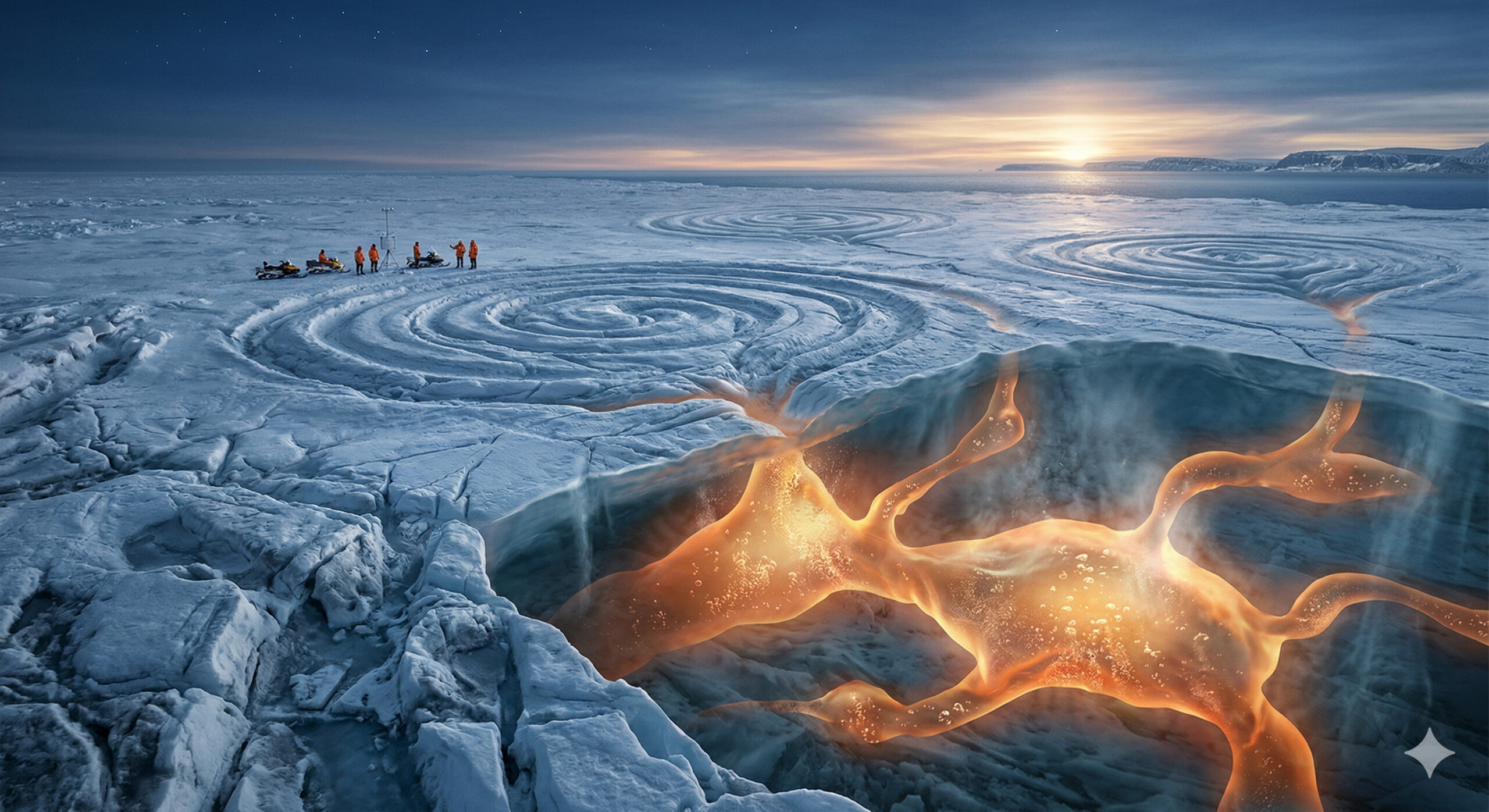
For more than 10 years, scientists have observed the ice of Greenland deforming into giant spirals without explanation; they have now discovered that solid ice can “boil” from within like magma, an invisible phenomenon that could alter climate predictions and involves a mass capable of raising sea levels by up to 7 meters.
-
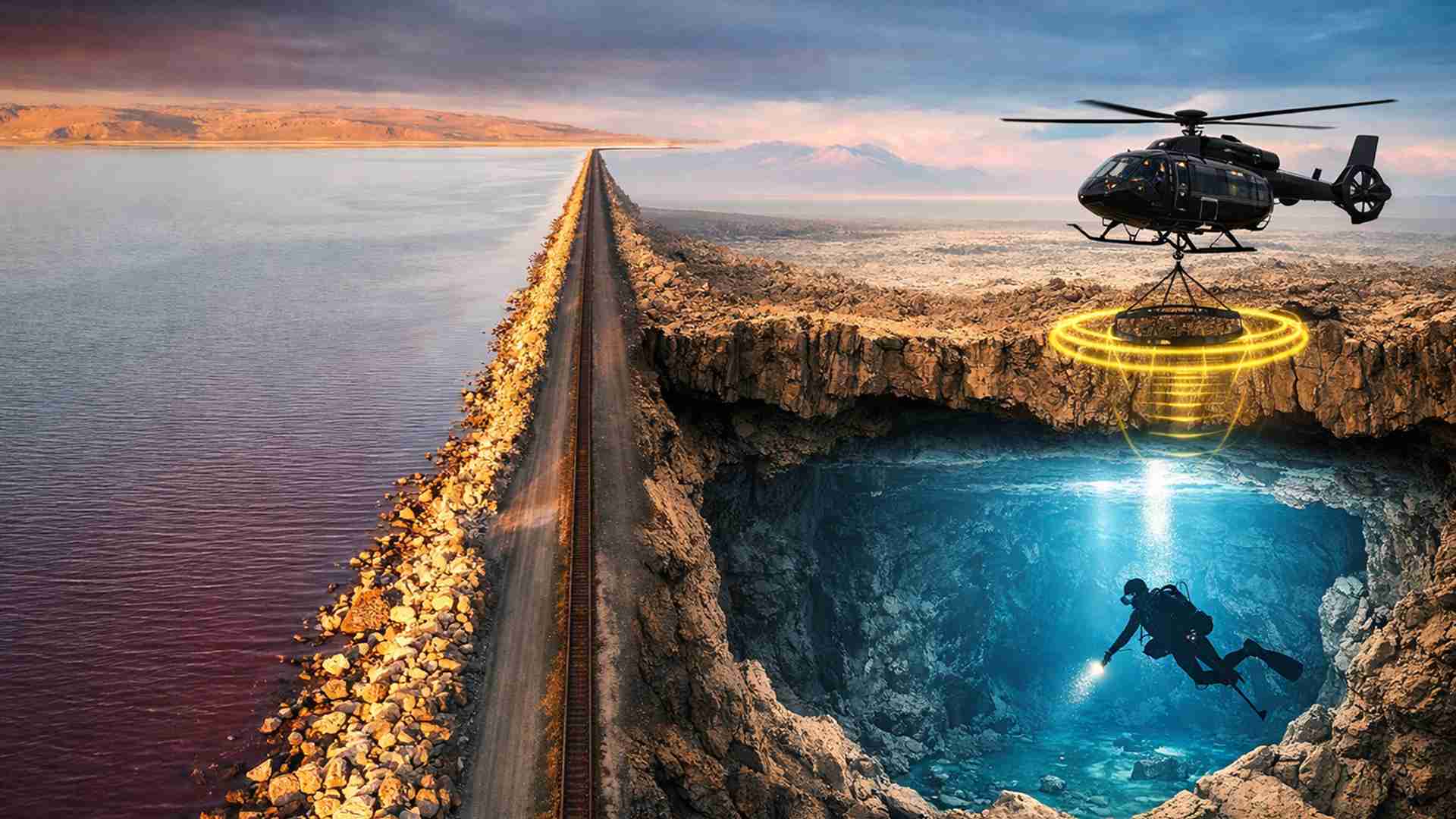
A gigantic freshwater reservoir appears beneath the Great Salt Lake, between 3 and 4 kilometers deep, surprising scientists with an unexpected flow towards the interior of the lake.
-
At over 8,800 meters above sea level, the summit of Mount Everest is made up of rocks that originated at the bottom of an ocean about 500 million years ago and were pushed to the highest point on Earth by the collision of tectonic plates.

-
Japan targets a remote island in the Pacific measuring only 1.51 square kilometers, located 1,900 kilometers from Tokyo, to store nuclear waste for up to 100,000 years, raising alarms at sea.
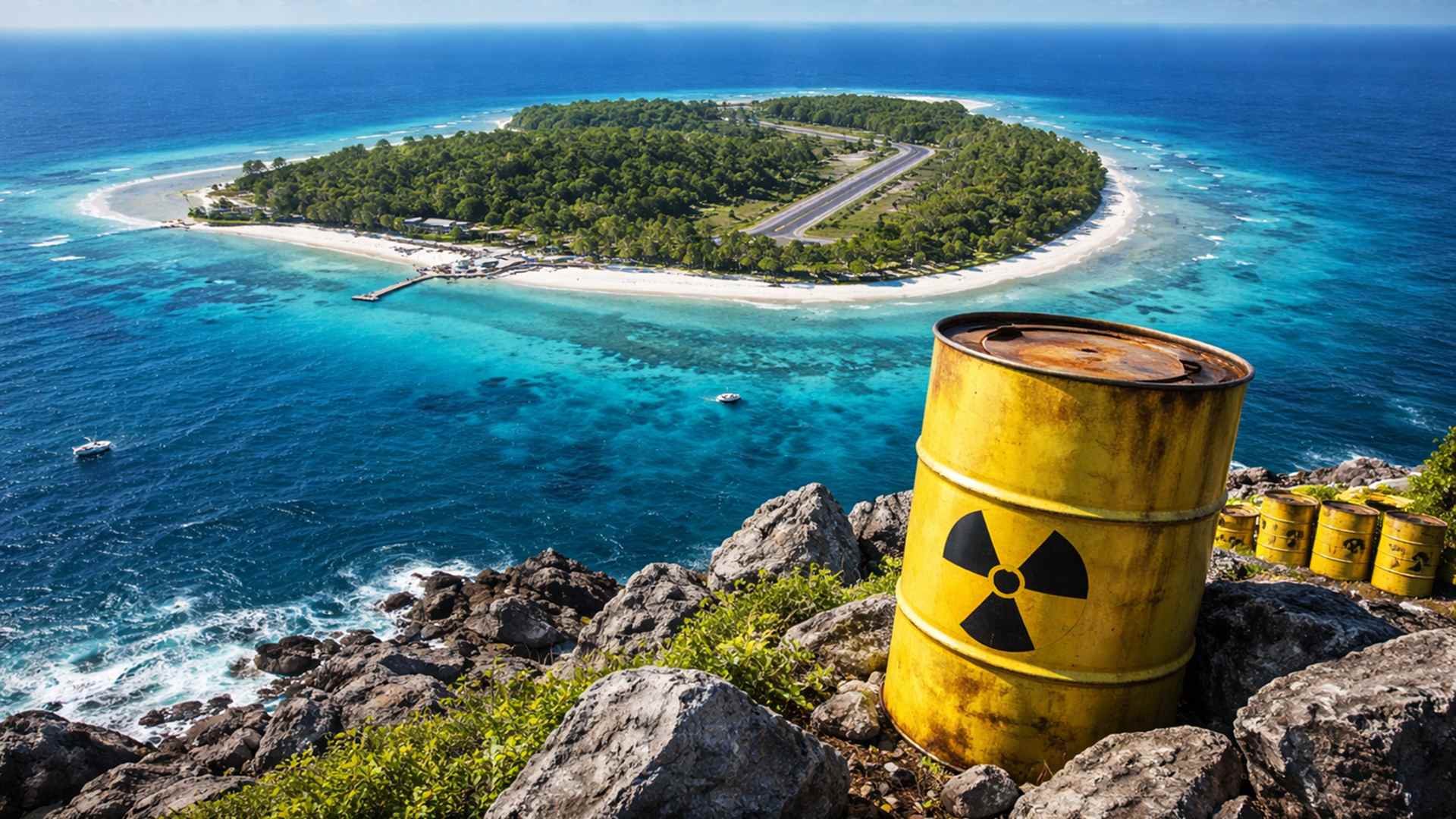

The island is uninhabited, part of the Pitcairn Islands group, and has been listed as a UNESCO World Heritage site since 1988, precisely because it retains natural attributes considered unique on a global scale.
Even without a permanent population, Henderson has become one of the most striking portraits of the global plastic crisis.
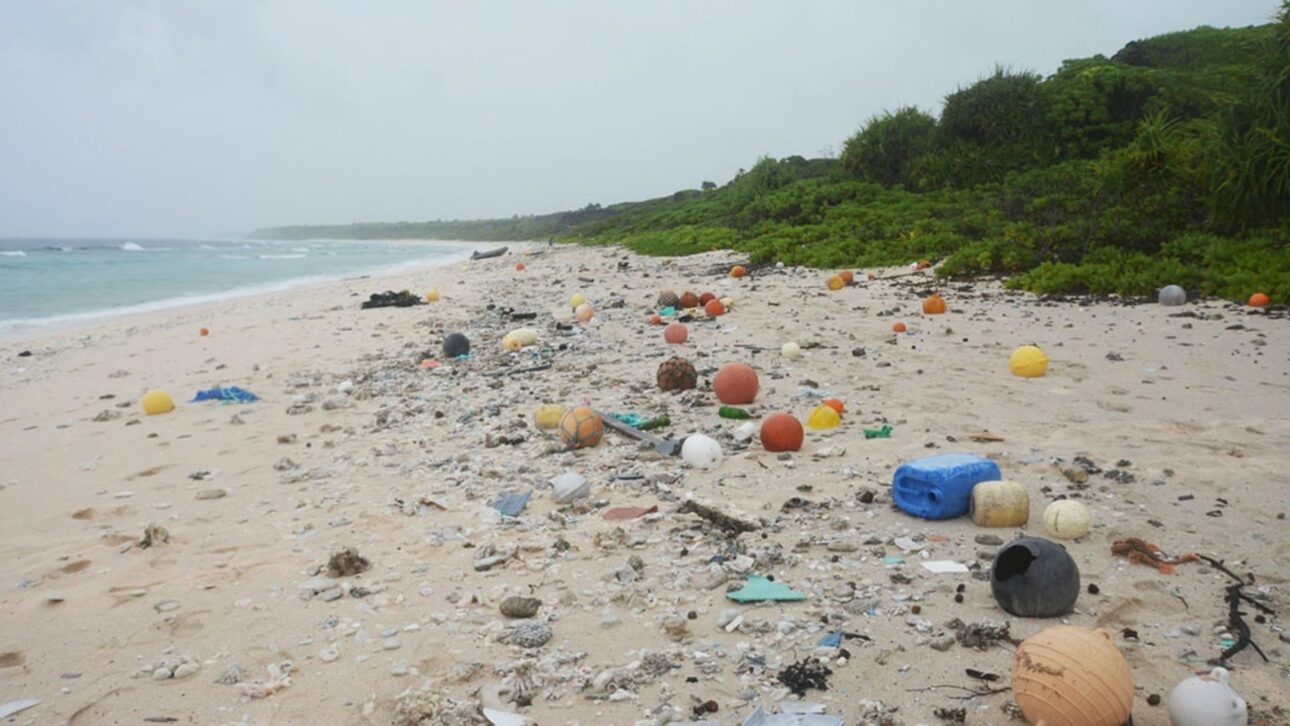
A study published in the Proceedings of the National Academy of Sciences of the United States estimated the presence of 37.7 million items of debris, with a total mass of 17.6 tons, and classified the site as the highest density of plastic waste ever recorded on the planet.
Ocean Currents Transformed The Island Into A Waste Accumulation Point
The explanation for this accumulation lies less in local human activity and more in ocean geography.
Located in a remote area of the South Pacific, the island acts as a deposition point for waste transported over long distances, and the expedition’s own documentation points out that thousands of new items continue to arrive daily on the beaches.
This constant flow of waste creates a permanent challenge even after clean-up operations.
The magnitude of the problem had already been highlighted years earlier when a mission managed to collect six tons of waste, but was unable to remove it from the beach.
The coral reef, surf, and access limitations prevented the removal of the large bags, which remained trapped on the island, showing that collecting waste on Henderson was just part of a much more delicate operation.
Cleanup Mission Succeeded In Removing Trash Trapped Since 2019
It was at this point that Plastic Odyssey changed the scale of the response.
After arriving on the island in February 2024, the team adopted low-tech solutions adapted to the terrain, using a raft on favorable sea days and a parasailing aerial system employed when waves prevented safe crossing over the water without additional risk to the coastal ecosystem.
The operation mobilized 25 people over seven days of work in Henderson.
The team managed to remove the six tons that had been trapped since 2019.
Additionally, the researchers collected about three more tons of waste that had accumulated later, raising the processed volume to just over nine tons.
The figure was later confirmed by the initiative and UNESCO as 9.3 tons of plastic removed and sent for processing.
Plastic Odyssey Ship Functions As Floating Recycling Laboratory
Data from the expedition indicates that the result was not limited to the physical removal of trash.
The mission also gathered scientific information on the effects of plastic pollution in one of the planet’s most isolated environments.
This work increased UNESCO’s interest in the adopted model and reinforced the idea that cleaning remote areas can simultaneously generate local mitigation and knowledge production.
The vessel used in the mission helps explain why the initiative has garnered more attention from international organizations.
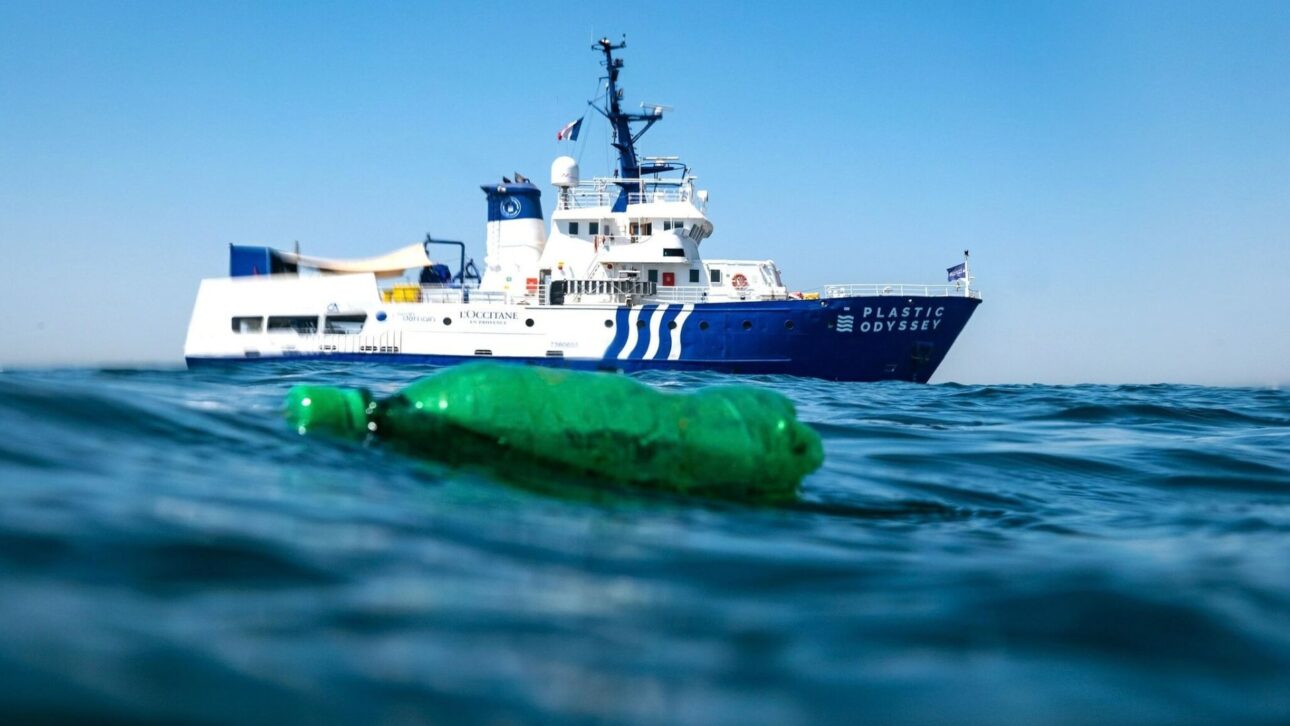
Plastic Odyssey describes the ship as an old oceanographic research vessel completely renovated, equipped with an onboard laboratory and recycling workshop.
This structure allows for testing, sorting, shredding, and transforming part of the waste without relying on industrial infrastructure on land.
Plastic Recycling Occurred On The Ship Itself
This operational capacity altered the logic of the work on Henderson.
Instead of limiting the mission to collection and transportation to an uncertain later destination, the team managed to process much of the material aboard the ship, reducing one of the most frequent bottlenecks in ultra-remote areas.
According to Plastic Odyssey’s official documentation, most of the collected plastic was shredded and extruded on board.
The recycled material was transformed into plastic profiles used in the manufacturing of furniture intended for the Pitcairn community.
The balance reported by the organization also states that 2.3 tons were recycled directly on-site with the support of the onboard workshop.
This model connected removal, sorting, recycling, and community use.
Partnership With UNESCO Expands Combat Against Plastic In Protected Areas
The impact of the experience extended beyond Henderson the following year.
In June 2025, during the UN Ocean Conference in Nice, UNESCO announced a partnership with Plastic Odyssey to reduce plastic pollution in marine World Heritage sites.
The organization cited the results obtained in Henderson as a reference to expand similar missions.
The cooperation aims to combine waste removal, scientific data collection, educational programs, and the development of local recycling systems.
These initiatives can also generate income for indigenous communities and local populations.
UNESCO reports maintaining 51 marine sites on the World Heritage List, responsible for protecting a significant portion of the planet’s blue carbon ecosystems.
Pollution Reaches Even Uninhabited Islands
The story of Henderson reinforces a contrast that helps measure the gravity of the problem.
Even isolated, without urban centers, industry, or permanent human occupation, the island has started to concentrate extreme levels of waste carried by the sea.
The scenario shows how plastic pollution breaks borders and reaches environments recognized precisely for their ecological integrity and distance from the most densely populated areas.
For this reason, the ship has ceased to be seen merely as a symbol of environmental innovation and has begun to function as a real infrastructure response to marine pollution in remote regions.
Henderson has become concrete proof that, with adequate logistics, simple technology, and local reuse capacity, missions deemed unfeasible can be carried out even in extremely isolated ocean sanctuaries.






Atitudes como esta que fazem o nosso planeta melhorar, minimizando a poluição nos mares. Parabéns.
“Navio gigante de 40 metros” ???