





 Portuguese
  English
  Spanish
  3 min of reading


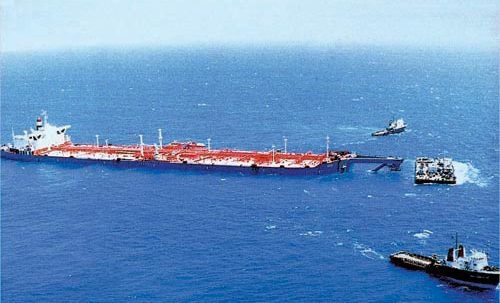
UN Fears That Oil-Laden Shipwreck Could Cause Environmental Disaster and Destruction of Entire Ecosystems
Everything that is bad can indeed get worse. The UN draws the world’s attention to the situation of the oil-laden ship, the “FSO Safer,” which was hijacked in 2015 seven kilometers off the coast of Yemen in the Red Sea by the Houthi rebel group. The vessel could sink at any moment due to lack of maintenance since then. Resumption of Shipbuilding! Petrobras Will Resume Manufacturing Its Own FPSOs and Shipyard EBR Is One of the Pre-Qualified
Read Also
- Port of Açu: The Largest Port Complex in Rio de Janeiro May Become One of the Most Important Ports in Brazil
- Eletronuclear Receives Advance of 2.5 Billion Reais to Resume Work on the Angra 3 Nuclear Power Plant in 2020
- Ecovix Shipyard Will Generate Around 5,000 Jobs in the Construction of the POLAR Ship for the Brazilian Navy
- Brasfels Shipyard Gains Another Contract from Modec, and Naval Construction in RJ Survives
- Enseada Shipyard in Bahia Will Generate Many Jobs for the Construction of Two Large Ships
- The Brazilian Navy Inaugurated Today at Itaguaí Naval Complex (CNI) in Rio de Janeiro the Submarine Base of Ilha da Madeira (BSIM)
The 44-year-old oil tanker is decomposing with 1.1 million barrels of oil on board, has been anchored and left without maintenance. The FSO belonged to the Yemeni government but was seized by the Houthis in 2015.
-
Brazilian giant expands borders in the Southeast: Petrobras confirms new oil discovery in ultra-deep waters in the pre-salt of the Campos Basin.
-
Alert in the global energy market: Severe tropical cyclone hits the coast and disrupts gas production at major plants in Australia, threatening global supply.
-
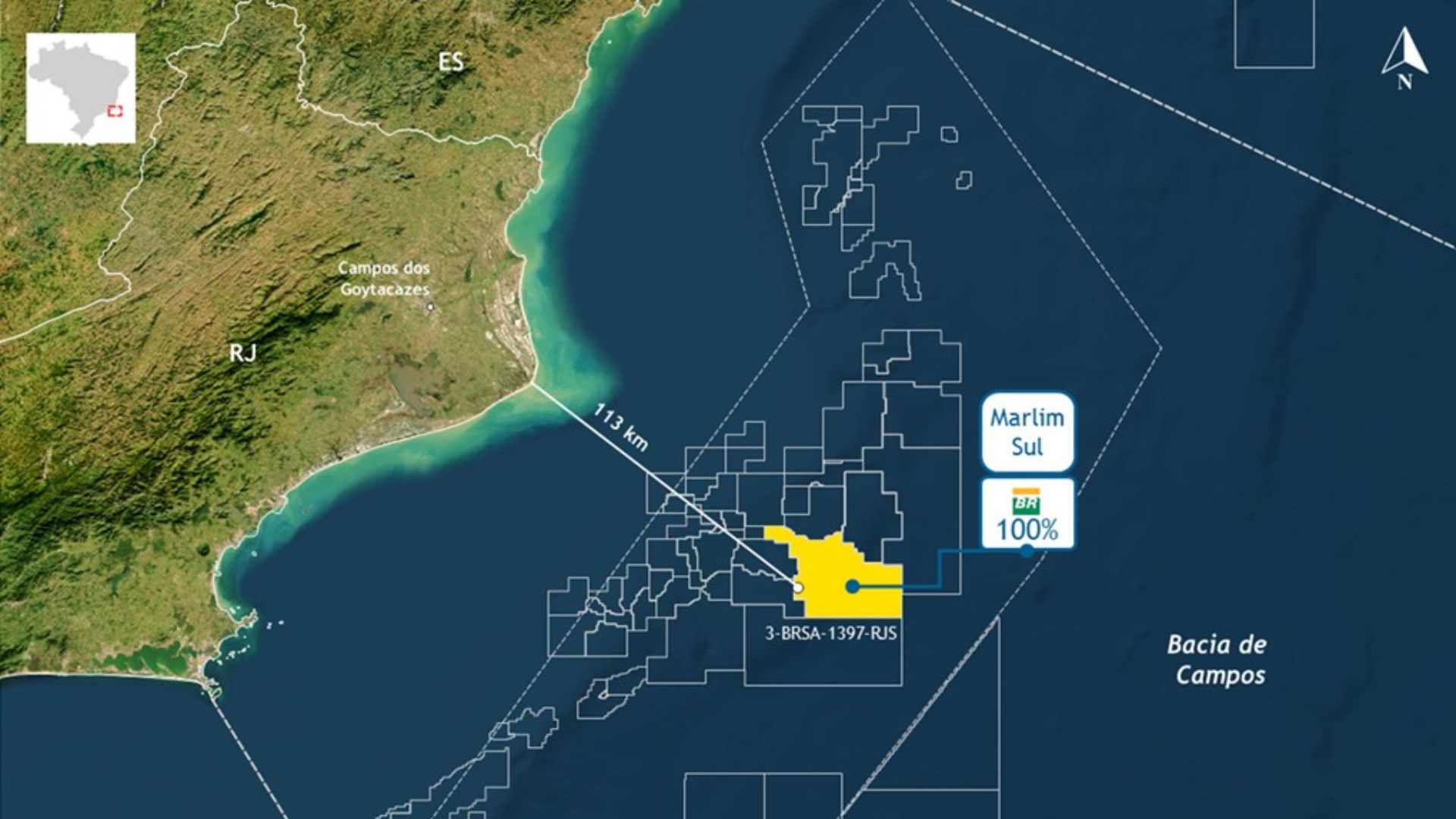
Petrobras finds high-quality oil in the pre-salt at 113 km from RJ and reignites expectations about strategic reserves in the Campos Basin.
-
Ocyan opens registrations for startups focused on innovation in the oil and gas sector and will select projects for Innovation Day with the support of Nexio.


During a meeting of the UN Security Council, the director of the United Nations Environment Program, Inger Andersen warned everyone about the critical situation of the ship, which is loaded with 1 million barrels of oil and has just now received permission from the rebel group leader for the vessel to be inspected.
The state of the hull is highly dangerous according to the UN, and with the machines not functioning, the ship is at risk of explosion, as the inert gas system that supplies the tanks and keeps them safe no longer works, not to mention the water ingress in the engine room in May of this year, which was controlled after 5 days of intense work.
Arm-Wrestling
According to the UN, the situation is worrying, as the Houthi rebel group demands permission to sell the ship’s oil and would be using the “risk of environmental disaster” that the ship’s sinking would cause as a bargaining chip.
The UN also highlights the inability of the Yemeni government and the governments of neighboring countries to manage an environmental disaster of this scale.
The ship, capable of storing and exporting 3 million barrels of oil, was built in Japan in 1976, is 24 meters long, has 36 storage tanks, and was sold to the Yemeni government in the 1980s.









Seja o primeiro a reagir!