





 English
  Francês
  Alemão
  Italiano
  Japonês
  Norueguês
  Portuguese
  Spanish
  3 min of reading


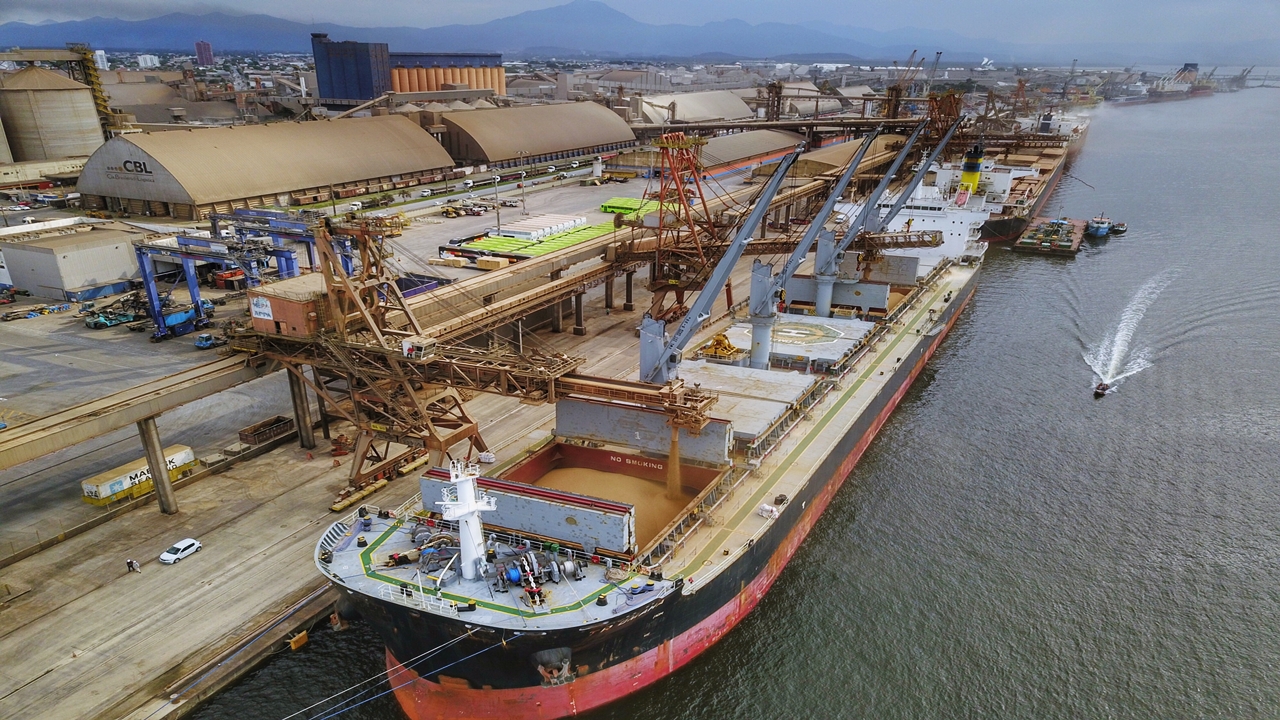
New Orders For Bulk Carriers Represent 6.8% Of The Deadweight Tonnage Of The Total Fleet Of The Multinational Genco Which Has 41 Ships
Due to strong demand to transport commodities, there are shifts in the supply of bulk carriers in Brazil, and the solution for the shipments of wood and grains has been to load them onto a larger type of ship typically used for transporting coal and iron ore. More offshore oil fields have been put up for sale by Petrobras in the Campos Basin – RJ, on this day (03/23)
Read Also
- Nestlé is calling candidates with and without experience for positions in RJ, MG, SP, and other regions of Brazil
- 517 job openings, internships, and apprenticeships to work at the multinational Ambev, the largest beverage company in the world, today March 24
- 73 job openings to work at the factory of the multinational General Electric Renewable today, March 24
- Billion-dollar investment in the Northeast: the largest green hydrogen plant in the world will be built in Ceará, and thousands of jobs will be generated in the state
Capesize bulk carriers will be used this month or next to transport wood from Uruguay and grains from Brazil, according to shipping data from S&P Global Platts.
These large ships are typically used to transport coal and iron ore, while wood is usually transported on smaller vessels, according to Genco Shipping & Trading’s CEO, John Wobensmith.
-
New shoe factory in Ceará is expected to create 400 jobs and strengthen the local economy.
-
No one imagined it, but a mixture of sawdust with a mineral that fights fires surprises scientists with a result that changes the course of fire-resistant construction.

-
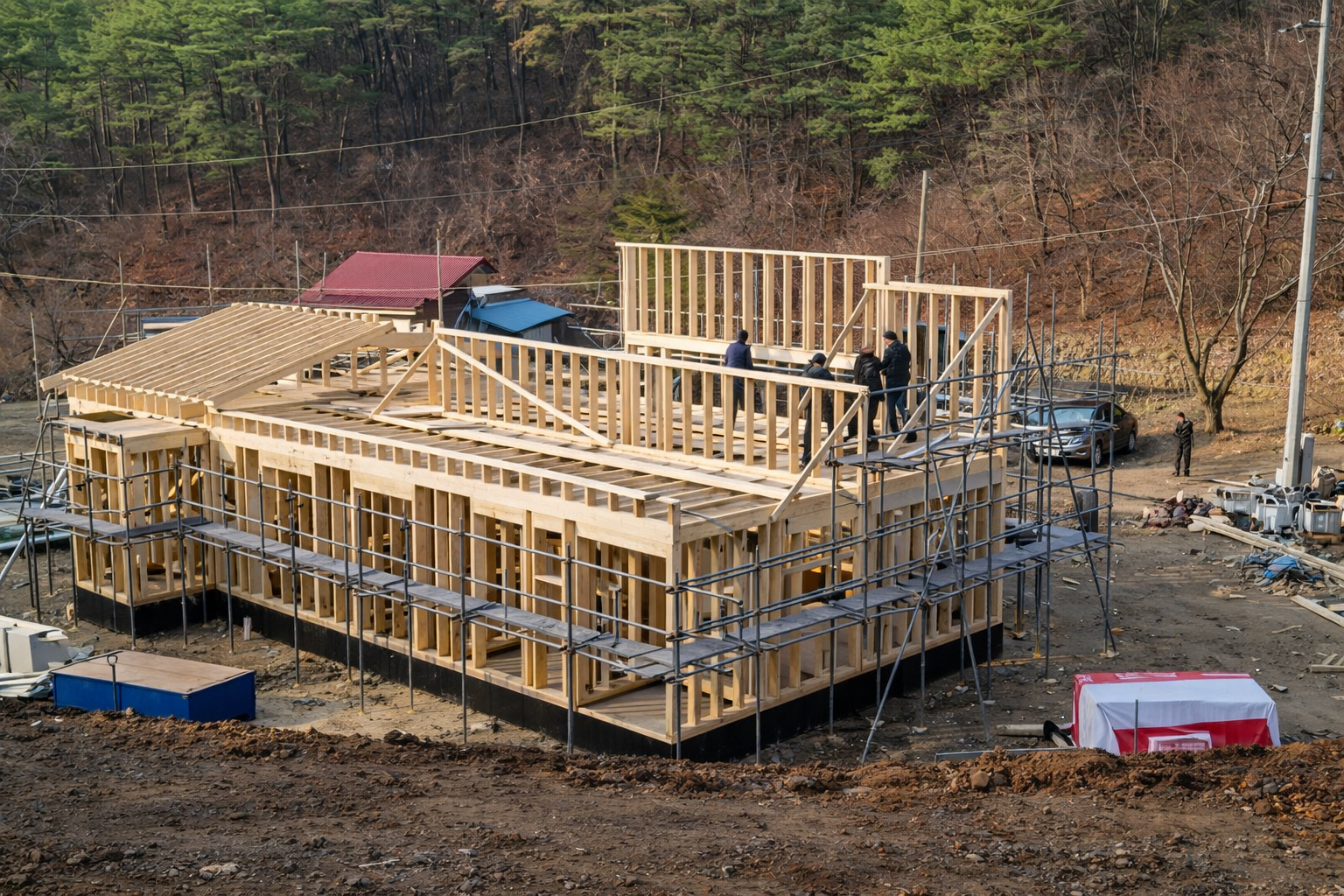
From empty land to a high-end house, wooden construction uses a lightweight system, metal structure for the foundation, ventilated ceramic cladding, and special windows to create an efficient and comfortable living space throughout the year.
-
From vacant land to a high-end house, wooden construction uses a lightweight system, a metal structure for support, ventilated ceramic cladding, and special windows to create an efficient and comfortable living space throughout the year.

“This just shows how tight the market for bulk commodities in general is, which should remain tight,” Wobensmith said in an interview on Thursday. The high freight rates “are not just something for the next three months,” the executive stated, noting that the trend is expected to persist throughout 2022 due to the reduced availability of ships.
This year, Capesize freight rates are costing around US$ 18,000 per day, which represents an increase of nearly 40% from the average in 2020, Wobensmith said.
Freight Rates For Ships Are Expected To Rise Even Further In 2021 Due To The Increase In Imports And Exports In Brazil
And it doesn’t stop there; tariffs are expected to rise even further due to the increase in coal imports from India and Vietnam and the growing exports of grains and iron ore from Brazil.
In normal times, niche cargoes, such as wood, tend to be delivered on smaller ships, like Panamax, which have the maximum size allowed for the Panama Canal. But the costs of these vessels have risen so much that they now exceed the rates of Capesizes.
New orders for bulk carriers represent 6.8% of the deadweight tonnage of the total fleet of the multinational Genco, which has 41 ships, according to the company’s website.
There is reluctance to purchase new vessels due to changing environmental regulations and uncertainty about the scenario with clean fuel dominance, Wobensmith said. Genco believes that ammonia will be used by the industry in the future, he added.
Supply Of Bulk Carriers Was Already Under Pressure Due To Covid-19 Restrictions
According to Gerry Craggs, managing director of Stemcor S.E.A, the supply of bulk carriers was already under pressure, as Covid-19-related restrictions on maritime and port workers slowed cargo deliveries. The government’s stimulus to recover economies shaken by Covid-19 also drives demand for raw materials, he said.
“We are in a phase of fiscal stimuli practically all over the world,” Craggs said in an interview on Friday. “Demand has increased for practically everything, and we see this effect in the steel sector and in commodities.”
Bulk commodities started 2021 on the right foot, said Lee Klaskow, Bloomberg Intelligence analyst, in a report last week. “China and the expected global economic recovery have set one of the strongest starts to a quarter for the demand for bulk commodities in a decade.”










Seja o primeiro a reagir!