





 English
  Francês
  Alemão
  Italiano
  Japonês
  Norueguês
  Portuguese
  Spanish
 2 min of reading


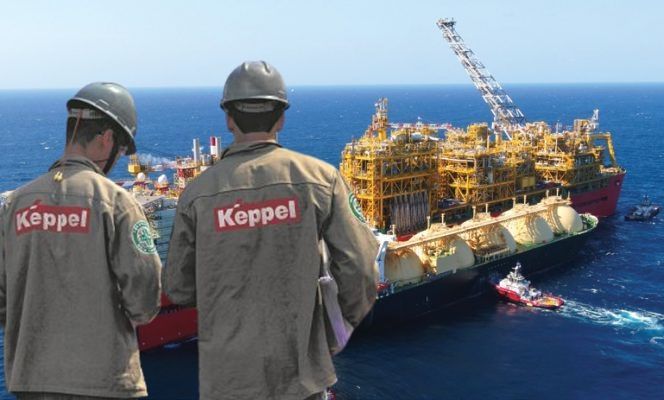
Keppel Develops Ship Conversion Technology for Natural Gas and Represents a Good Opportunity for Its Brazilian Headquarters, the Brasfels Shipyard (RJ), to Compete for the Construction of This Type of Vessel
The bet on the construction of gas carriers, at the giant Brasfels shipyard (Angra dos Reis – RJ), the Brazilian headquarters of Keppel O&M from Singapore, emerges as a good opportunity for the powerful Asian conglomerate.
Keppel O&M (Brasfels) and Golar LNG Limited (Golar) have completed a successful project converting a liquefied natural gas carrier (LNGC) into a floating liquefaction vessel (FLNG) that will save approximately 33% in greenhouse gas emissions compared to a new FLNG construction, which is equivalent to removing about 13,500 cars from the roads for a year. National shipyards have already been consulted.
It is estimated that, with the creation of the new gas market by the current government, there will be a high demand for this type of vessel in the next 3 to 4 years aimed at meeting the flow of natural gas from the pre-salt.
-
New shoe factory in Ceará is expected to create 400 jobs and strengthen the local economy.

-
No one imagined it, but a mixture of sawdust with a mineral that fights fires surprises scientists with a result that changes the course of fire-resistant construction.

-
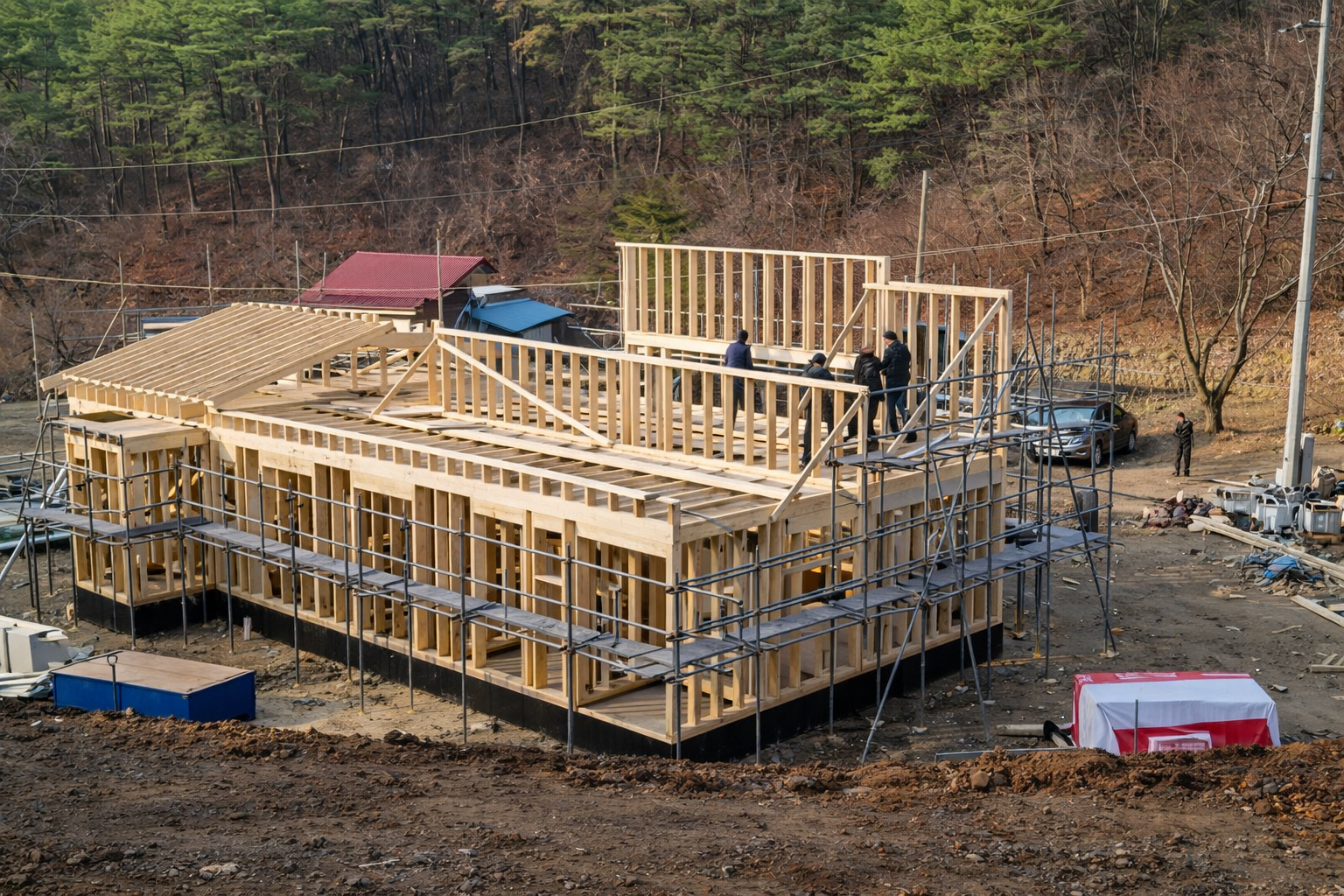
From empty land to a high-end house, wooden construction uses a lightweight system, metal structure for the foundation, ventilated ceramic cladding, and special windows to create an efficient and comfortable living space throughout the year.
-
From vacant land to a high-end house, wooden construction uses a lightweight system, a metal structure for support, ventilated ceramic cladding, and special windows to create an efficient and comfortable living space throughout the year.

An Alternative That Would Generate Jobs in Brazil’s Shipbuilding Industry
The construction of these vessels in Brazil would be an alternative to the insufficient pipeline network for transporting natural gas in the country, which is 9,500 km. These are gas pipelines that transport natural gas from natural gas processing units, UPGNs, to storage facilities.
For context, Argentina, for example, has a transportation pipeline network of 16,000 km, almost double that of Brazil, even though it has a territory one-third smaller.
The Keppel O&M has an extensive history in ship conversion. In addition to converting the world’s first FLNG in 2017, Keppel O&M converted the world’s first floating production storage and offloading vessel (FPSO) in 1981 and the first floating storage regasification unit (FSRU) in 2008. In total, it has converted 134 production ships, including FPSOs, FLNGs, and FSRUs.
By Renato Oliveira
Instagram: @Renatonavalnews
YouTube: Renatonavalnews







Seja o primeiro a reagir!