






 Portuguese
  Spanish


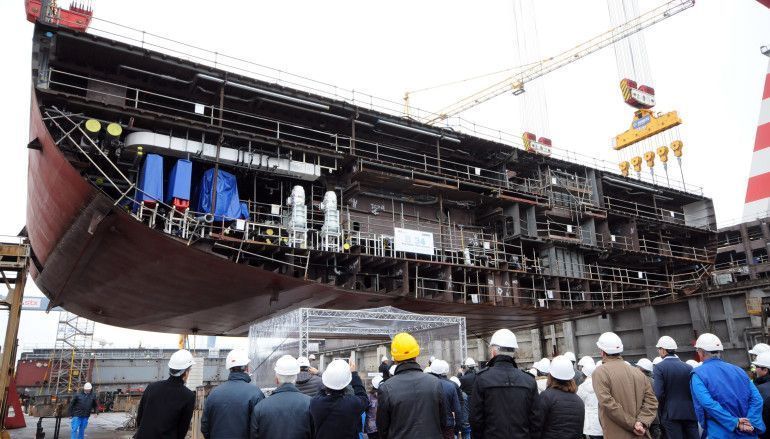

Expectations Are High for the Shipbuilding Sector in Northern Brazil, Which Expects a Significant Increase in Demand for Gas Carriers in Three to Four Years.
As widely reported by the government, which has already launched the New Gas Market, the expectation of achieving a more affordable price for consumers will trigger a chain reaction that will benefit shipbuilding and shipping companies in Northern Brazil. Detroit Shipyard in Itajaí, Santa Catarina, Launches Unprecedented Ship to Transport Live Fish.
Read Also
- Odebrecht Achieves the Largest Judicial Recovery in Brazilian History
- Petrobras Puts Up for Sale Exploratory Stake in the Tayrona Oil Block, Located in the Guajira Basin, Colombia
- GE Starts Selection Process at Its Wind Blade Factory for Inexperienced Professionals Seeking Their First Job
The liquefied natural gas (LNG) market continues to be one of the most talked-about topics in the energy sector. The demand for ships to transport gas and for regasification units, which despite being imported, will generate demand for assembly in the country.
As such, some shipyards in Northern Brazil have already started receiving inquiries from shipping agencies regarding their production capacity and know-how for building this type of ship.
-
Abandoned Factory in Rio’s North Zone Becomes Urban Hazard with Standing Water and Debris

-
The U.S. Navy Conducts Submarine Tests in Idaho Lake to Detect Underwater Noises Hidden by the Ocean

-
British Factory Transitions from Mechanical Parts to Producing 420,000 Electric Power Units Annually, Supplying 70% of Ford’s Electric Cars Sold in Europe
-
France Launches Network to Recycle 20 Million Cookware Pieces by 2027, Accepting All Brands for Aluminum and Coating Separation


Know-How
The shipbuilding industry in the north of the country has extensive experience in manufacturing tankers designed for specific purposes or “gas tank containers” (containers specifically for the transport of gas).
According to the shipyards, their workforce already has the expertise in building the tankers, and only larger shipyards should handle the construction of large regasification units.
Shipyards like Beconal Bertolini Construções and Rio Maguari were among those consulted. They expect to further prepare to meet the demand that, according to their executives, should occur in three to four years.
Shipping agencies such as Elcano, which already operates LNG ships and LPG (LNG carriers), are eyeing the upcoming opportunities with the changes in the Brazilian energy matrix and expect more stable and lasting legal and regulatory frameworks from the authorities.
The expectation of the shipbuilding industry is that with the increase in demand for gas transport, shipyards in the northern region will be able to deliver towboats and river ships with gas propulsion to shipowners, as the technology for even small vessels is already widely spread among designers and engine builders.


