





 Portuguese
  English
  Spanish
  4 min of reading
  1 comment


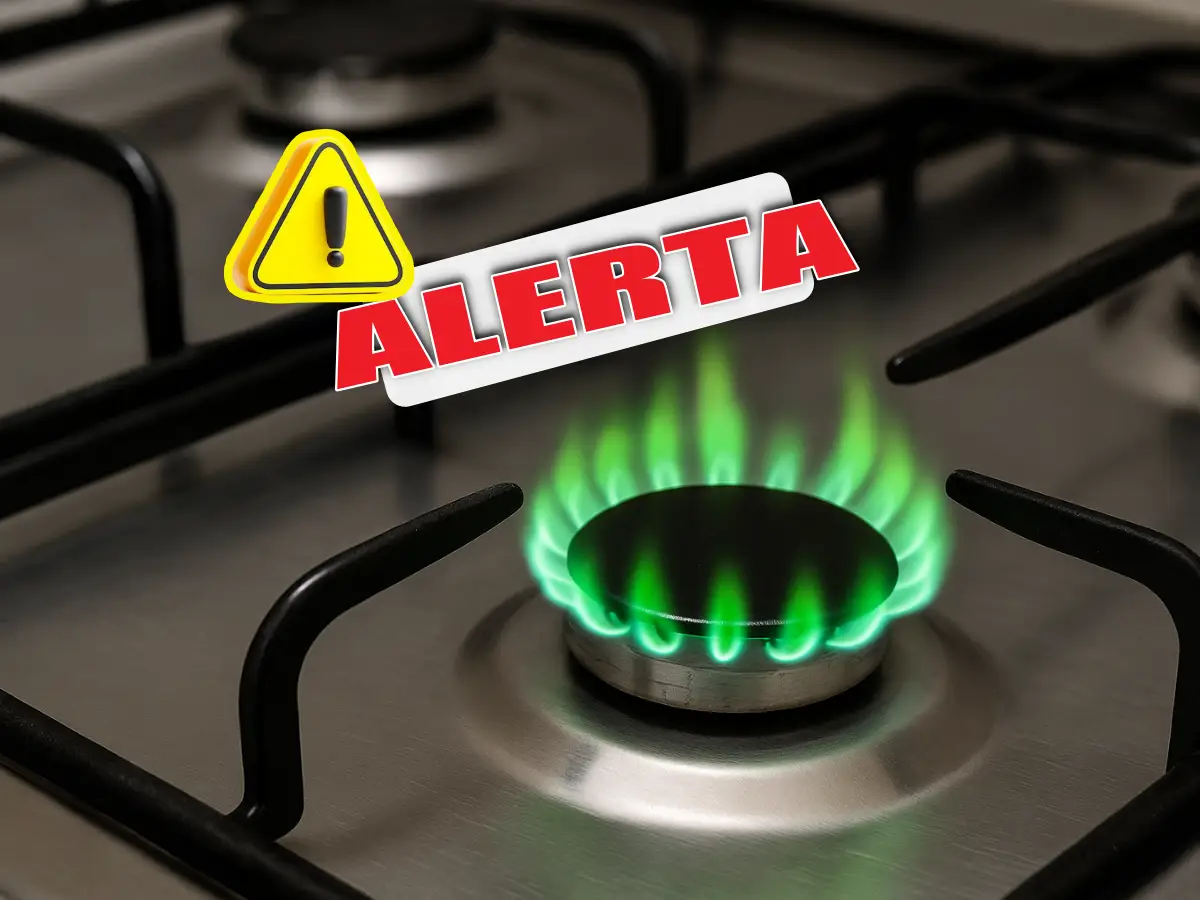


Did The Color Of Your Stove Flame Change? Understand What The Blue, Yellow, Or Green Flame Indicates About Gas Combustion And Avoid Accidents.
You are cooking, everything seems normal… until you notice that the stove flame is green. Yes, green — and we are not talking about a soft light or strange reflection. If this has happened to you, know that it is not something to ignore. This curious detail may hide a serious problem, and understanding what each flame color on your stove means could be the difference between safety and accident risk.
Why Does The Color Of The Stove Flame Change?
The flame coming from the stove burners is not just meant for cooking. It is, in fact, a direct signal of what is happening during the gas combustion. The color of this flame reveals how combustion is doing: whether it is functioning well or if there are interfering strange elements.
According to experts in the installation and maintenance field, such as those from the Brazilian Association of Technical Standards (ABNT), a change in flame color can indicate serious problems with the oxygen intake, accumulation of residues, or even the presence of unwanted metals. The National Institute of Metrology, Quality and Technology (Inmetro) emphasizes that any alteration in the flame pattern should be investigated immediately.
-
Friends have been building a small “town” for 30 years to grow old together, with compact houses, a common area, nature surrounding it, and a collective life project designed for friendship, coexistence, and simplicity.

-
This small town in Germany created its own currency 24 years ago, today it circulates millions per year, is accepted in over 300 stores, and the German government allowed all of this to happen under one condition.

-
Curitiba is shrinking and is expected to lose 97,000 residents by 2050, while inland cities in Paraná such as Sarandi, Araucária, and Toledo are experiencing accelerated growth that is changing the entire state’s map.

-
Tourists were poisoned on Everest in a million-dollar fraud scheme involving helicopters that diverted over $19 million and shocked international authorities.


Blue Flame: The Ideal Scenario
If your stove has a blue flame, you can rest easy. This is the classic sign that the gas combustion is occurring in the most efficient and safe way possible. In this condition, oxygen enters correctly and the gas is burned completely, generating a stable temperature without toxic residues.
This color is the desired standard. If it remains constant, your appliance is functioning as it should.
Yellow Flame: Time To Raise The Alert
Now, if the flame turned yellow, it is a sign that something is not right. This hue generally indicates that the gas is not being burned as it should due to insufficient oxygen. The reason is almost always the accumulation of dirt — such as ash, grease, or soot — that blocks the air intake.
Allowing this situation to continue can cause the formation of carbon monoxide, a toxic and invisible gas. To resolve this, it is recommended to call a licensed professional who can properly clean the system. Specialized sites like Climatizar Brasil explain in detail the impact of these variations.
Red Flame: Risk Ahead
Less common, but equally important, is when the flame turns red. This color typically appears when there is rust or oxidation in the stove’s internal piping or in the gas supply system. The danger here lies in the accumulation of metallic particles during combustion, which can also cause incomplete combustion and put your health at risk.
If you notice this type of color, don’t delay: turn off the appliance immediately and seek a trusted technician.
And The Green Flame? What Does It Mean?
Now let’s get to the central question: what happens when the flame turns green? This phenomenon is less frequent but no less concerning. The green flame generally appears when there is the presence of metals such as copper, bronze, or zinc being burned along with the gas. This can happen due to metallic residues accumulated in the stove burners, on the grill, or even in pots with worn coatings.
According to chemical engineer Carlos Felício from the UaiTec portal, this shade indicates that “there are impurities or non-combustible materials being burned, which completely alters the system’s efficiency and represents a warning for air contamination in the domestic environment.”
If the green color appears, it is advised to stop using the stove immediately and call a licensed gas installer. Only a professional can disassemble, clean, and identify if there is something more serious compromising the safety of your appliance.
What To Do If The Flame Changes Color?
Regardless of the color — green, red, or yellow — the most important thing is to not ignore the change. Follow these basic steps:
- Turn off the stove.
- Check for visible dirt on the burners.
- Avoid using chemical products for deep cleaning, unless they are recommended by the manufacturer.
- Call a specialized technician who is registered with your local gas utility.
Sites like Procon-SP also advise consumers to keep their appliances well-maintained to avoid problems related to irregular combustion.
Keeping An Eye On The Flame Coming From Your Gas Stove Is An Act Of Safety
We barely notice, but that blue fire from the stove says a lot. Ignoring when it changes to yellow, red, or green can put the entire house at risk. The good news is that, with attention and the help of a professional, it is possible to quickly correct the problem and maintain your family’s safety.
Now It’s Your Turn! Have You Ever Had An Experience With A Green Flame Or Another Similar Problem With Your Stove? Tell Us Here In The Comments Or Share This Article With Friends And Family. This Information Can Prevent Accidents And Help Many People!










#SuperInteressante