





 Portuguese
  English
  Spanish
  4 min of reading
  0 comments


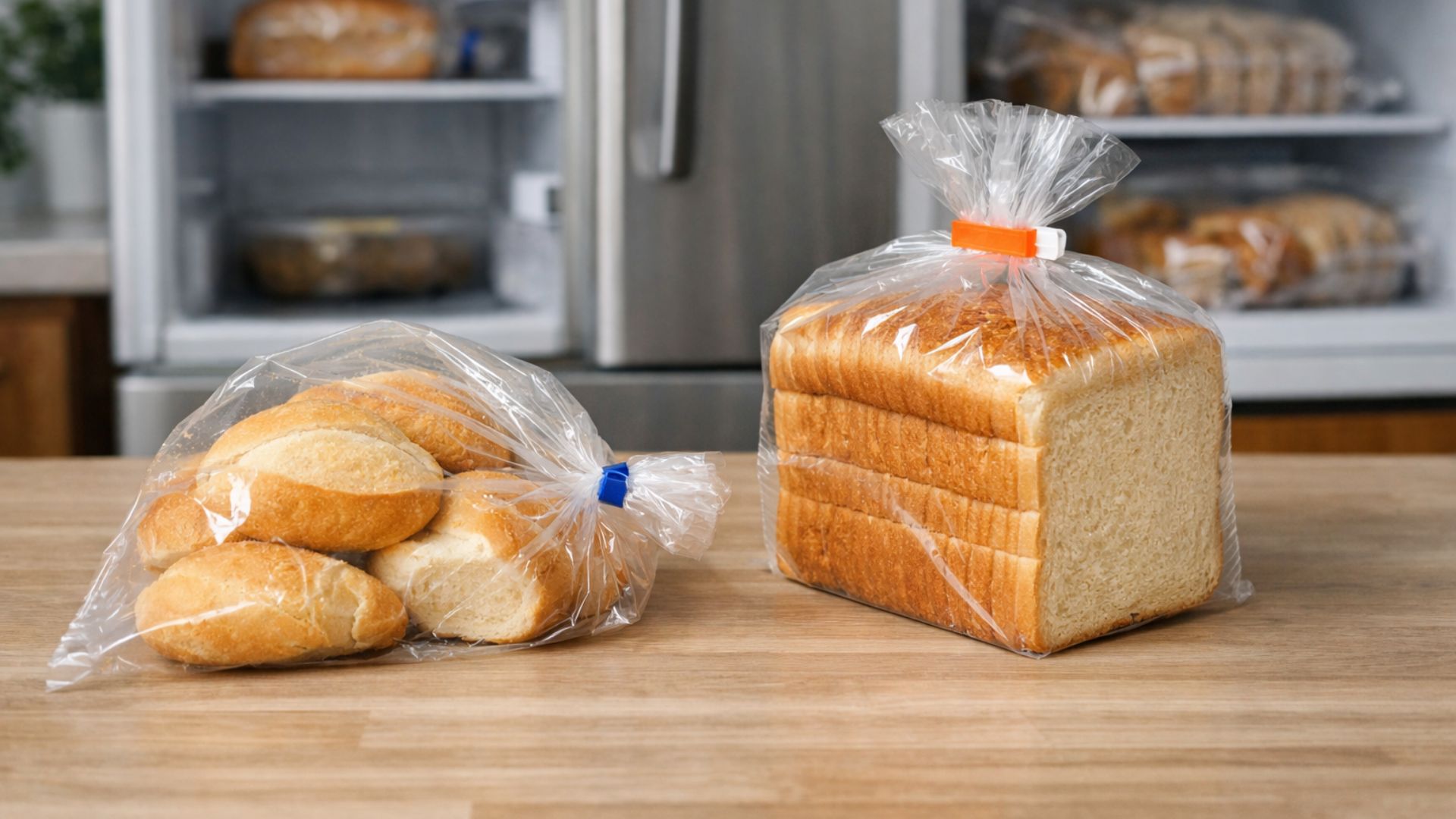
The correct way to store bread influences texture, freshness, and durability in daily life, requiring simple care with temperature, sealing, and location choice to avoid early drying or mold and better preserve the quality of the food at home.
Storing bread incorrectly accelerates the loss of softness, compromises texture, and shortens the consumption period at home.
For most breads consumed daily, the most consistent guidance is to keep the product at room temperature, in a cool and dry place, with the packaging tightly closed to reduce contact with air.
When the idea is to preserve for a longer time, freezing usually offers better results than refrigeration.
-
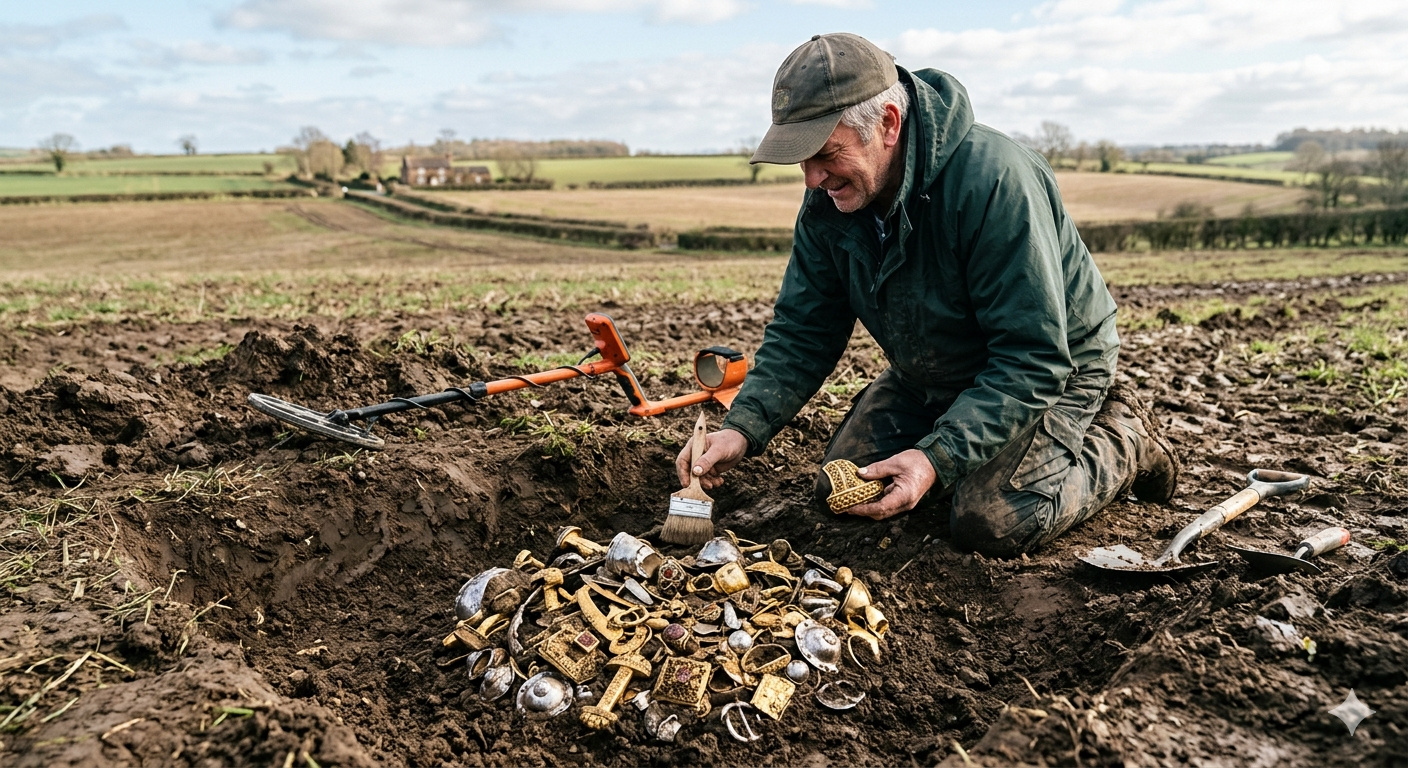
The largest Anglo-Saxon treasure ever found was discovered by a worker with a metal detector in a field in England and revealed more than 4,600 pieces of gold and silver from the 7th century, a collection with 5 kg of gold valued at £3.285 million.
-
Man transforms old bus into a house on wheels with wooden furniture, rooftop terrace, and solar power system.

-
Since the Aztecs, farmers in Mexico have built artificial islands surrounded by canals and maintain a highly productive system that still challenges the logic of conventional agriculture today.

-
Scientists are looking for volunteers to live for free for a month in a refuge in the Italian Alps at an altitude of 2,300 meters, with accommodation, food, and a payment of 400 euros to participate in a health study.


Refrigerator accelerates the hardening of bread
The association between the refrigerator and greater durability seems intuitive, but it does not solve the main quality problem.
Although cold can slow down the appearance of mold in some situations, it also accelerates the aging process of bread, making the crumb firmer and the consumption experience less pleasant.
Technical materials indicate that refrigeration promotes faster drying and hardening.
How to store bread outside the refrigerator
Therefore, the most stable domestic recommendation remains simple: keep the bread outside the refrigerator, as long as it is protected from heat, excessive humidity, and air circulation.
In practice, this helps explain why a poorly closed bag shortens shelf life: the bread loses water, hardens sooner, and reaches consumption with inferior quality.
How long does bread last at home
The time of good quality varies according to the type of bread, formulation, climate, and the kitchen itself.
Estimates indicate a range of three to seven days at room temperature, depending on storage conditions.
This fluctuation shows that there is no single deadline applicable to all versions, especially when more moist breads, recipes with milk, artisanal products, and different sealing packaging come into play.
Difference between types of bread influences preservation
The type of bread taken home also weighs heavily.
Hard-crusted breads, like French bread, tend to dry out quickly and should be consumed within one or two days when kept at room temperature.
On the other hand, items with higher moisture may require refrigeration in specific contexts.
The general rule works for most common breads, but does not eliminate the need to observe the characteristics of each product.
Homemade bread requires extra care before storing
Those who make bread at home need to pay attention to a detail that often goes unnoticed: do not package while still warm.
The ideal is to let the product cool completely before storing. This care prevents steam from being trapped inside the packaging and altering the texture.
Where to store bread in the kitchen makes a difference
Besides the packaging, the chosen location within the kitchen affects the result.
Cabinets above the stove, near the dishwasher, or next to heat sources are not good candidates for storing bread for a few days.
In a humid environment, poor sealing exacerbates the problem and reduces the quality of the food.
When the refrigerator can be used
In very hot and humid houses, however, the refrigerator may appear as a compromise solution.
In this situation, the gain is less related to freshness and more to delaying mold.
Still, the trade-off has a clear cost: the texture deteriorates faster and softness decreases.
Freezer is the best option for storing bread for longer
When the goal is to prolong durability without sacrificing quality too much, the freezer tends to be the best choice.
Freezing can keep bread in good quality for up to three months, as long as it is well packaged.
The process does not recover bread that has already aged, but helps preserve the state in which it was frozen. In practice, this translates into a practical criterion.
For consumption in a few days, the most coherent strategy for most breads is to leave them outside the refrigerator, in a well-sealed package and away from heat sources.
For larger purchases or spaced use, freezing usually works better.
The refrigerator should be seen more as a useful exception in very humid kitchens or for specific products with higher moisture, and not as an automatic destination for any bread as soon as it enters the house.






Seja o primeiro a reagir!