





 Portuguese
  English
  Spanish
  5 min of reading
  0 comments


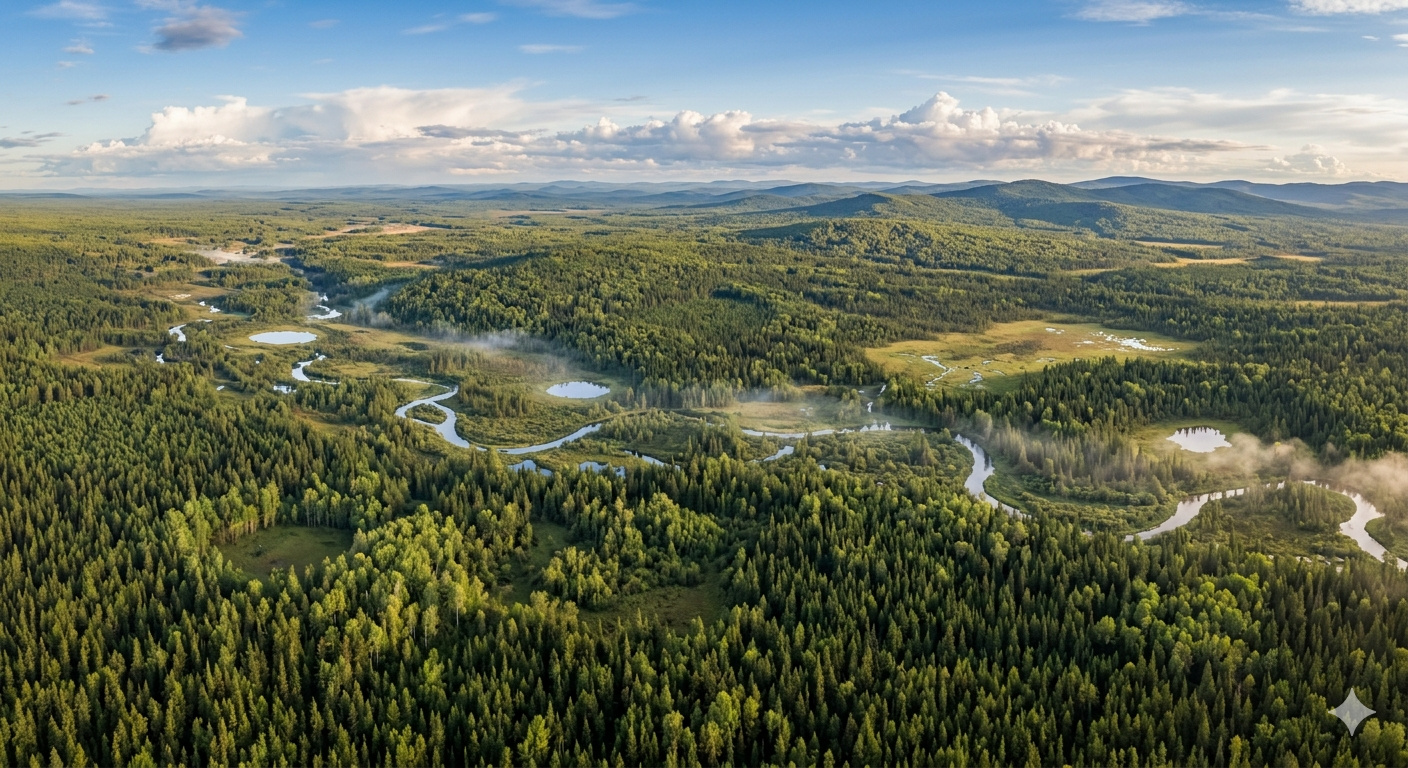
Russia houses the largest forest on the planet with more than 800 million hectares of taiga that regulates global climate and stores billions of tons of carbon.
Consolidated surveys by international institutions confirm that Russia houses the largest continuous forest area on the planet. Data from the Food and Agriculture Organization of the United Nations (FAO), in the report Global Forest Resources Assessment 2020, indicate that the country has about 815 million hectares of forests, the largest volume in the world. This total represents approximately 20% of global forest cover, concentrated mainly in the biome known as taiga, or boreal forest.
This immense expanse, which stretches across Siberia from west to east for thousands of kilometers, constitutes the largest continuous forest on the planet and is part of the boreal belt of the northern hemisphere. According to the FAO, Russia concentrates the largest share of global boreal forests, an ecosystem that plays an essential role as a carbon sink and climate regulator on a planetary scale.
What is taiga and why is it the largest forest on the planet
Taiga is the largest continuous terrestrial biome in the world and covers an extensive area of the northern hemisphere, especially in Russia. It is a forest adapted to cold climates, dominated by coniferous trees such as pines, firs, and larches, which can survive in extreme temperature conditions and low light for long periods of the year.
-
Italian researchers have detected what appears to be a second Sphinx buried under the sands of Egypt, and satellite scans reveal a gigantic underground megastructure hidden beneath the Giza Plateau for over 3,000 years.

-
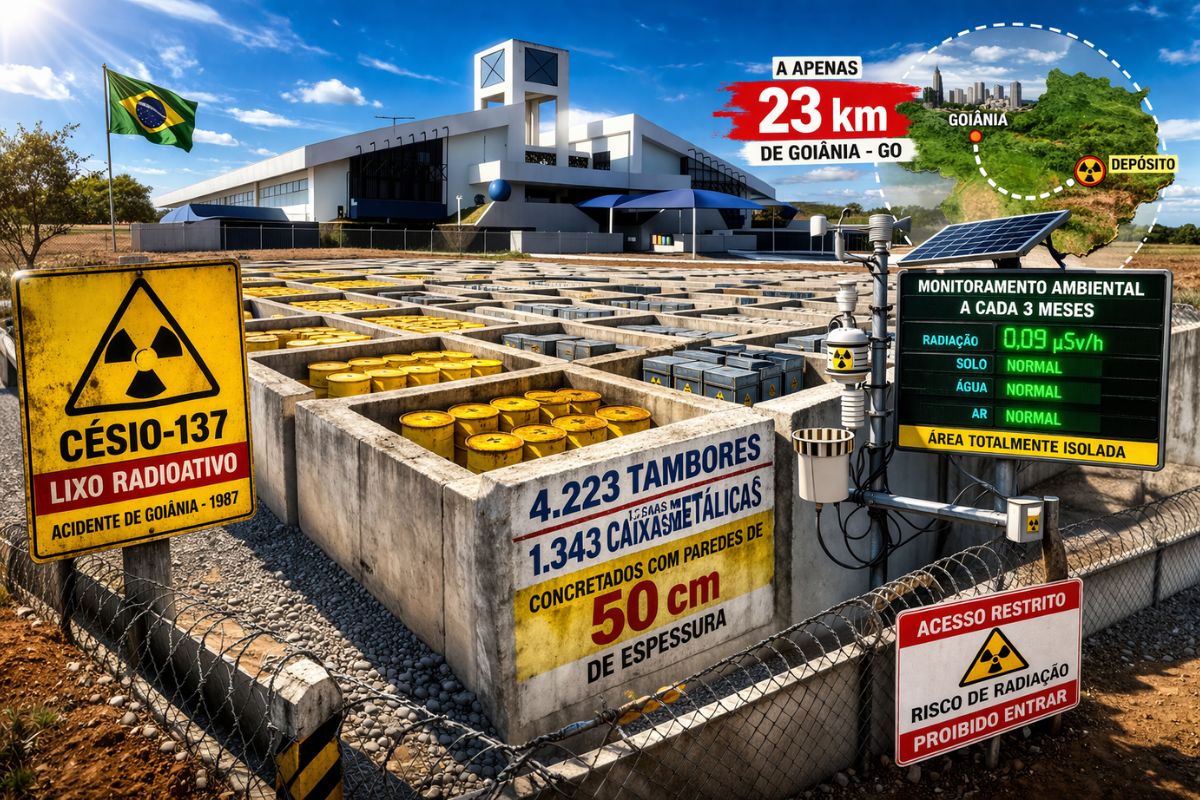
There are 4,223 drums and 1,343 metal boxes concreted with 50-centimeter walls that store the radioactive waste from Cesium-137 in the worst radiological accident in Brazil, just 23 kilometers from Goiânia, with environmental monitoring every three months.
-
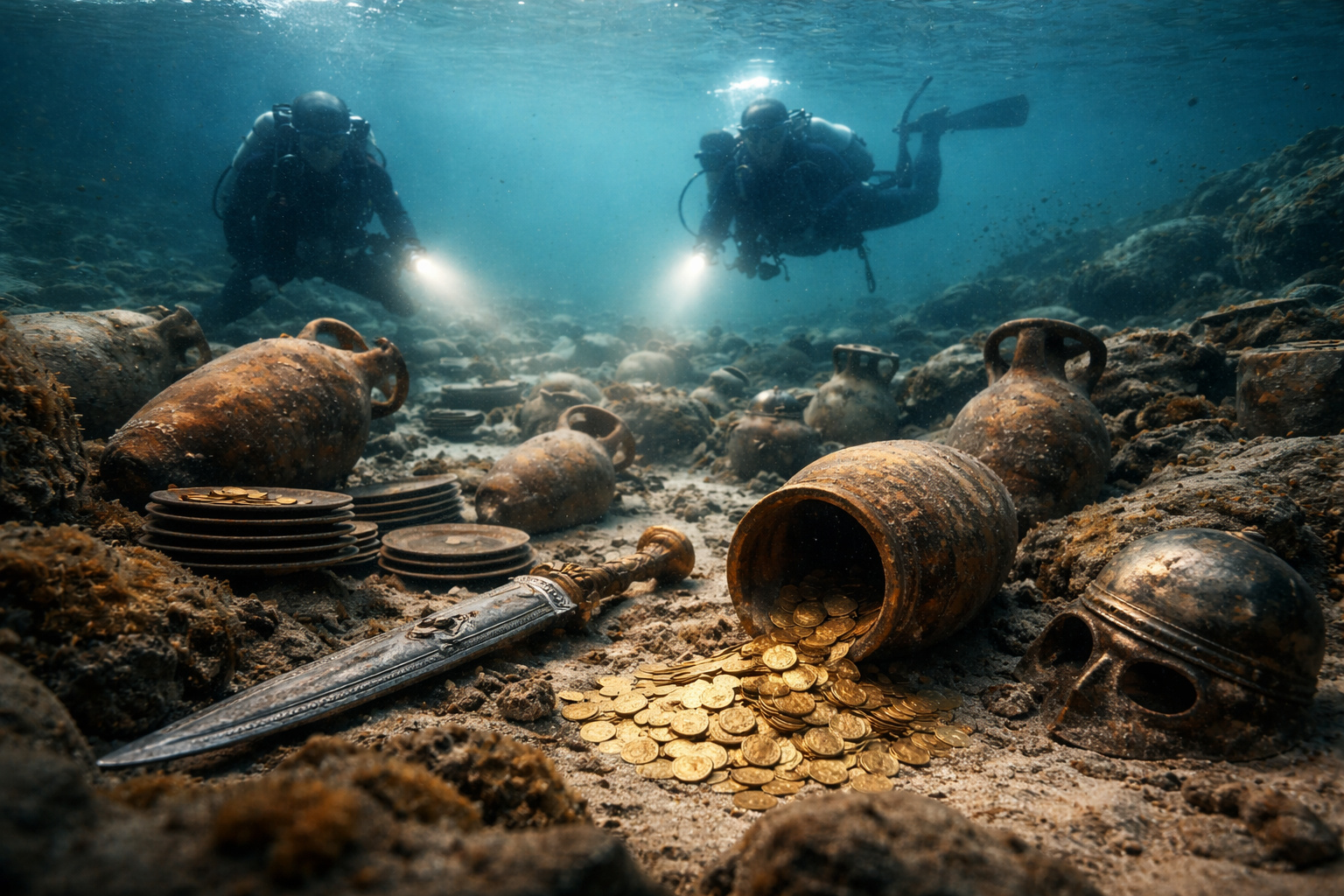
Giant Roman treasure found at the bottom of Lake Neuchâtel in Switzerland reveals an advanced trade system, circulation of goods, and armed escort in the Roman Empire about two thousand years ago.
-
He buried 1,200 old tires in the walls to build his own self-sufficient house in the mountains with glass bottles, rainwater, and an integrated greenhouse.


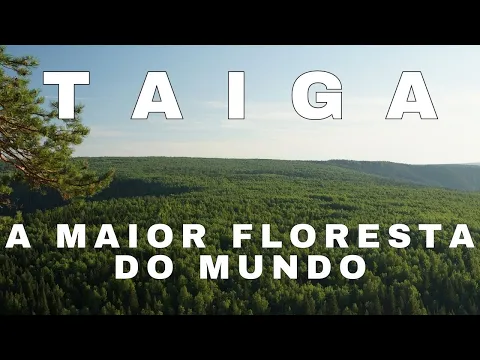

Unlike tropical forests, taiga has extremely harsh winters, slower plant growth, and lower species diversity. In contrast, it has an enormous capacity for carbon storage, both in biomass and in the soil.
In the case of Russia, this forest covers a gigantic area that stretches from Eastern Europe to the far Pacific, forming a virtually uninterrupted green belt on a continental scale.
Why does Russia concentrate the largest forest in the world
Russia’s leadership in forest area is a direct result of geographical, climatic, and historical factors. The country has the largest territory on the planet, with vast areas that are sparsely urbanized and environmental conditions that favored the formation and preservation of taiga over millions of years.
Much of these regions remain difficult to access, with limited infrastructure and low population density, which reduces anthropogenic pressure on the biome. This set of characteristics has allowed for the maintenance of a continuous forest expanse without global equivalent, something that does not occur in more densely populated regions of the planet.
Difference between taiga and tropical forests like Amazon and Congo
One of the central points to understand the dimension of taiga is the distinction between biomes. The Amazon and the Congo forest are tropical systems, while taiga is a boreal forest, with a completely different ecological dynamic.
In tropical forests, the climate is warm and humid, with high biodiversity and accelerated plant growth. In taiga, low temperatures, slower biological cycles, and lower species diversity prevail. Despite this, taiga compensates for this lower biodiversity with territorial scale and volume of stored carbon, making it equally relevant in the global climate system.

The Russian taiga is one of the largest natural carbon reservoirs on the planet, playing a strategic role in climate regulation. Much of this carbon is not only in the trees but also in the frozen soil known as permafrost, which acts as a gigantic deposit of organic matter accumulated over thousands of years.
This system functions as a true climate vault, storing billions of tons of carbon, regulating atmospheric cycles, and influencing global temperature patterns. The stability of this balance is essential to contain the intensification of global warming.
Permafrost: the invisible climate risk beneath the taiga
Permafrost is a layer of permanently frozen soil that covers extensive areas of Siberia and supports much of the ecological structure of taiga. This soil contains organic matter accumulated over millennia that remains stable while frozen.
When thawing occurs, this material begins to decompose and releases greenhouse gases, such as carbon dioxide and methane. This process can accelerate global warming, creating a feedback loop in which rising temperatures cause more thawing, which in turn releases more gases.
Fires in Siberia and increasing impacts on the boreal forest
In recent years, the Russian taiga has faced a significant increase in the frequency and intensity of wildfires. These events are associated with higher temperatures, prolonged dry periods, and climate changes that alter the behavior of the biome.
The fires release large amounts of carbon stored over decades or centuries, reducing the forest’s capacity to act as a climate regulator. In addition, they compromise natural regeneration and alter the ecological dynamics of entire regions of Siberia.
In addition to its environmental relevance, taiga has significant economic and strategic importance for Russia. The biome houses vast reserves of timber, mineral resources, and potentially exploitable areas that can support different productive chains.
However, the exploration of these regions faces complex logistical and environmental challenges, including limited access, extreme weather conditions, and the need for a balance between economic development and environmental preservation.
Why is taiga less known than the Amazon
Despite its impressive scale, taiga receives less global attention than the Amazon. This is due to factors such as lower visible biodiversity, remote location, lesser presence in popular environmental debates, and reduced media coverage.
Still, its climatic role is as relevant as that of tropical forests, especially due to the volume of carbon stored and its influence on global systems.
The Russian taiga represents one of the most important natural structures on Earth. Its continental expanse, carbon storage capacity, and influence on global climate systems place it at the center of contemporary environmental discussions.
Even distant from major urban centers and less present in the collective imagination, it is one of the invisible pillars that sustain the planet’s climate balance.
The largest forest in the world is outside the tropics and redefines the global environmental map
The idea that the largest forests on the planet are only in the tropics does not fully correspond to reality. Russia houses the largest continuous forest area in the world, with a biome that spans continents and plays a fundamental role in the global climate balance.
Taiga may not have the visibility of the Amazon, but its scale and ecological function make it a key piece of the Earth’s environmental system, and its future is directly linked to the future of the global climate.










Seja o primeiro a reagir!