





 English
  Francês
  Alemão
  Italiano
  Japonês
  Norueguês
  Portuguese
  Spanish
  5 min of reading
  0 comments


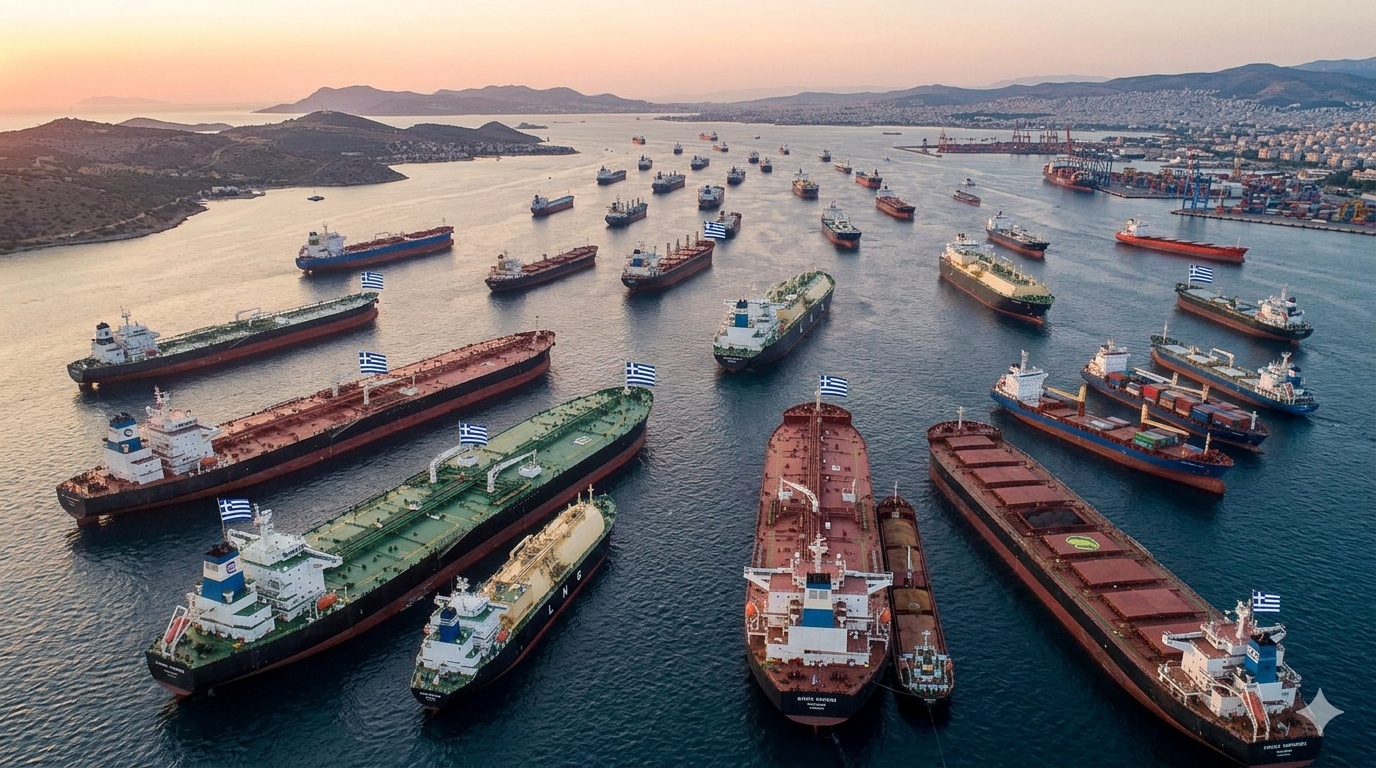
Greek shipowners control one of the largest merchant fleets in the world and dominate the global transport of oil, gas, and strategic commodities.
In 2024 and 2025, international maritime industry reports confirmed that Greek shipowners continue to be among the largest controllers of merchant fleets on the planet, with a strong presence in the global transport of oil, gas, and strategic commodities. Data published by the UNCTAD – Review of Maritime Transport 2024 shows that Greece remains the largest owner of merchant fleets in the world in terms of capacity (deadweight tonnage), consolidating its leadership in segments such as tankers and bulk carriers. Industry analyses released by specialized outlets such as Lloyd’s List reinforce that Greek shipowners dominate strategic routes and maintain strong influence over global energy and raw materials transport.
The data shows that, although the country is not the largest in absolute number of registered ships, it maintains one of the largest maritime transport capacities in the world, especially in critical segments such as tankers and bulk carriers. According to the same UNCTAD report, Greek leadership is based on control of tonnage and not necessarily on flag registration, reflecting a highly internationalized model of ship ownership. This position does not depend on military power or territory, but on a more discreet and strategic structural factor: the logistical control of global flows that sustain the world economy.
How Greece became a global power in maritime transport
Greece’s position in the maritime sector did not arise recently, but is the result of a historical process consolidated over decades. With a strong naval tradition and strategic location between Europe, Asia, and Africa, the country developed a solid foundation in international maritime transport, expanding its operations throughout the 20th century.
-
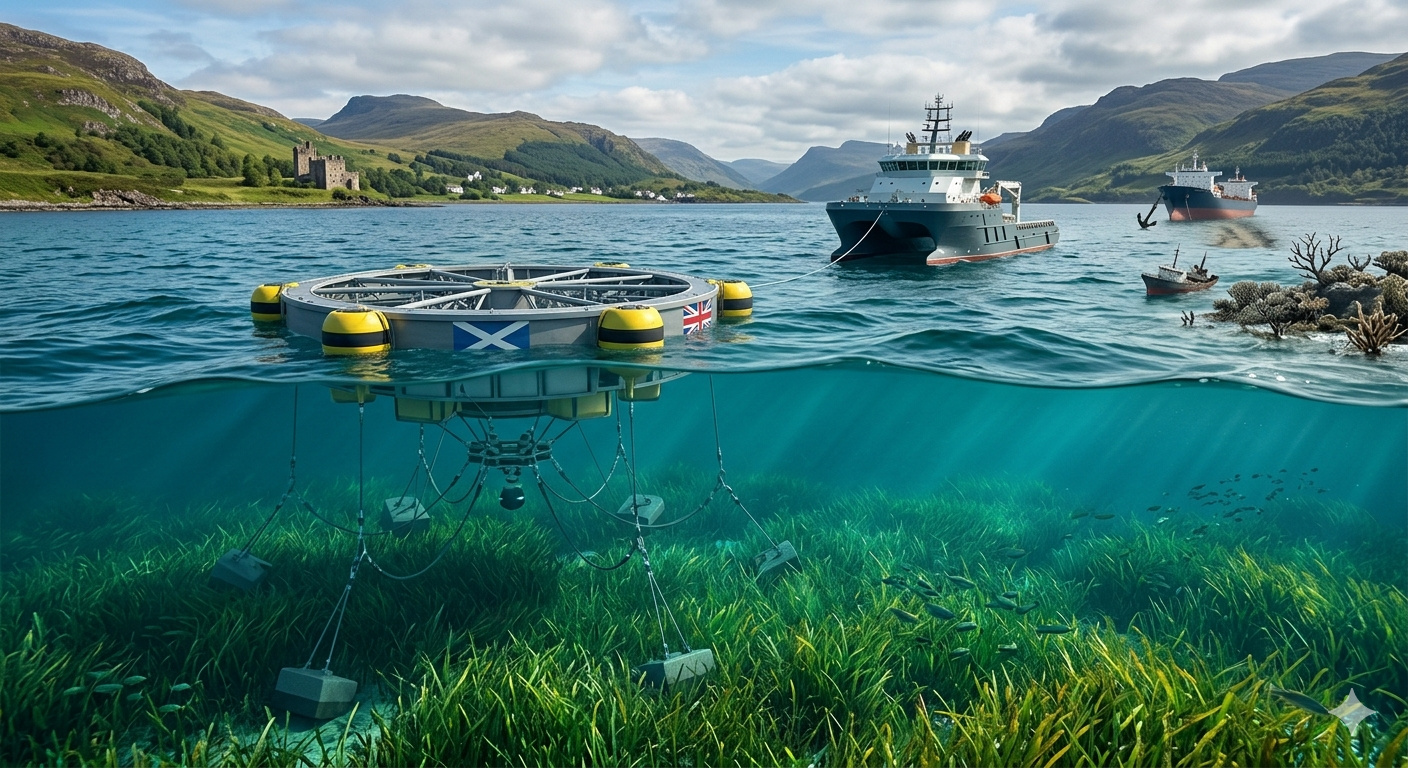
Scotland and the United Kingdom have created a new anchoring system that floats in the water without touching the seabed, after discovering that the current from a conventional anchor destroys up to 50 m² of seagrass meadow per event and that ship-damaged reefs showed no signs of recovery even ten years later.
-
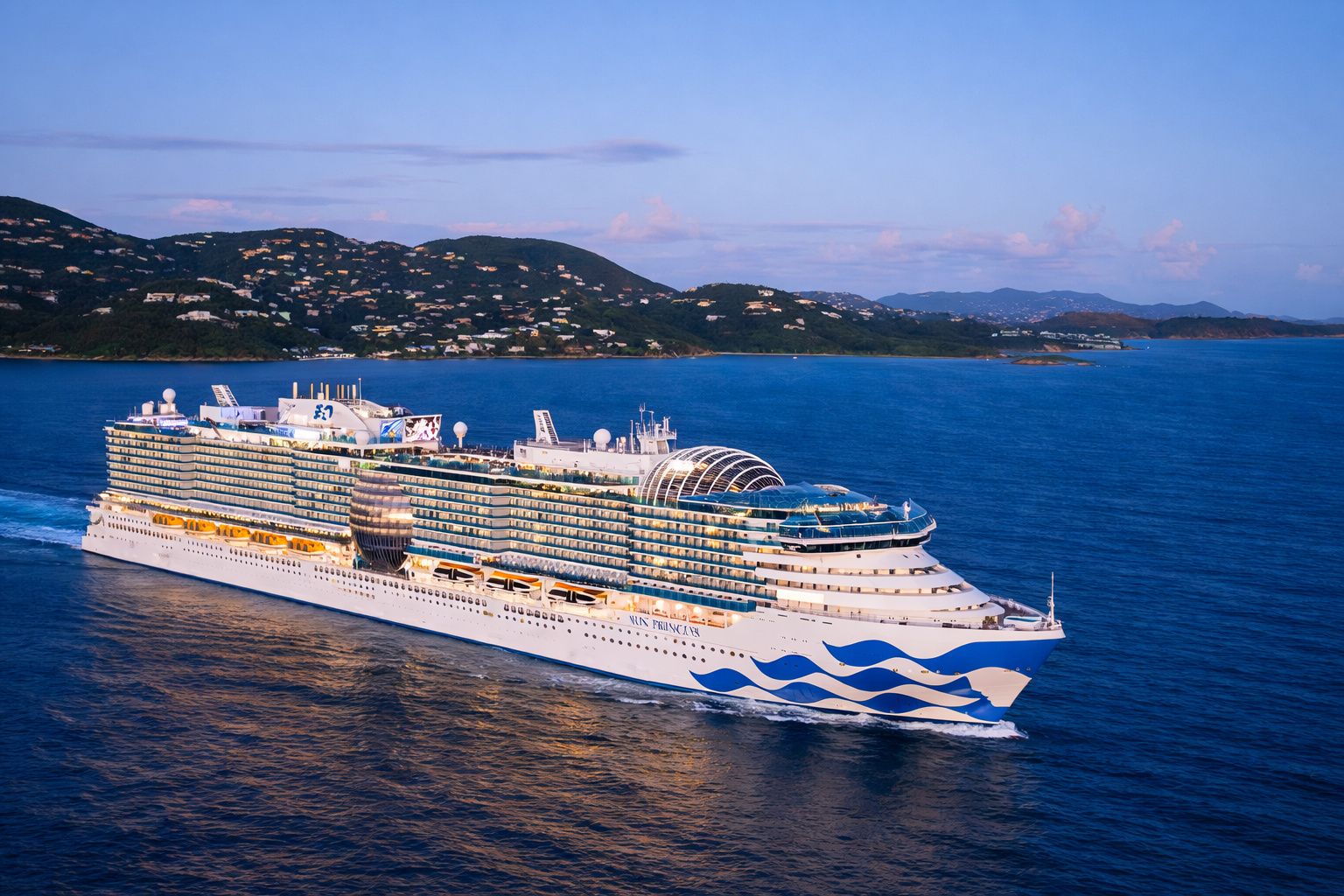
Weighing 175,500 Tons, Measuring 345 Meters Long, and With Capacity for Over 4,300 Passengers, the Sun Princess Becomes the Largest Ship Ever Built by Princess Cruises and Attracts Global Attention for Its Huge Glass Dome Inspired by Santorini’s Architecture Installed on Top of the Vessel
-
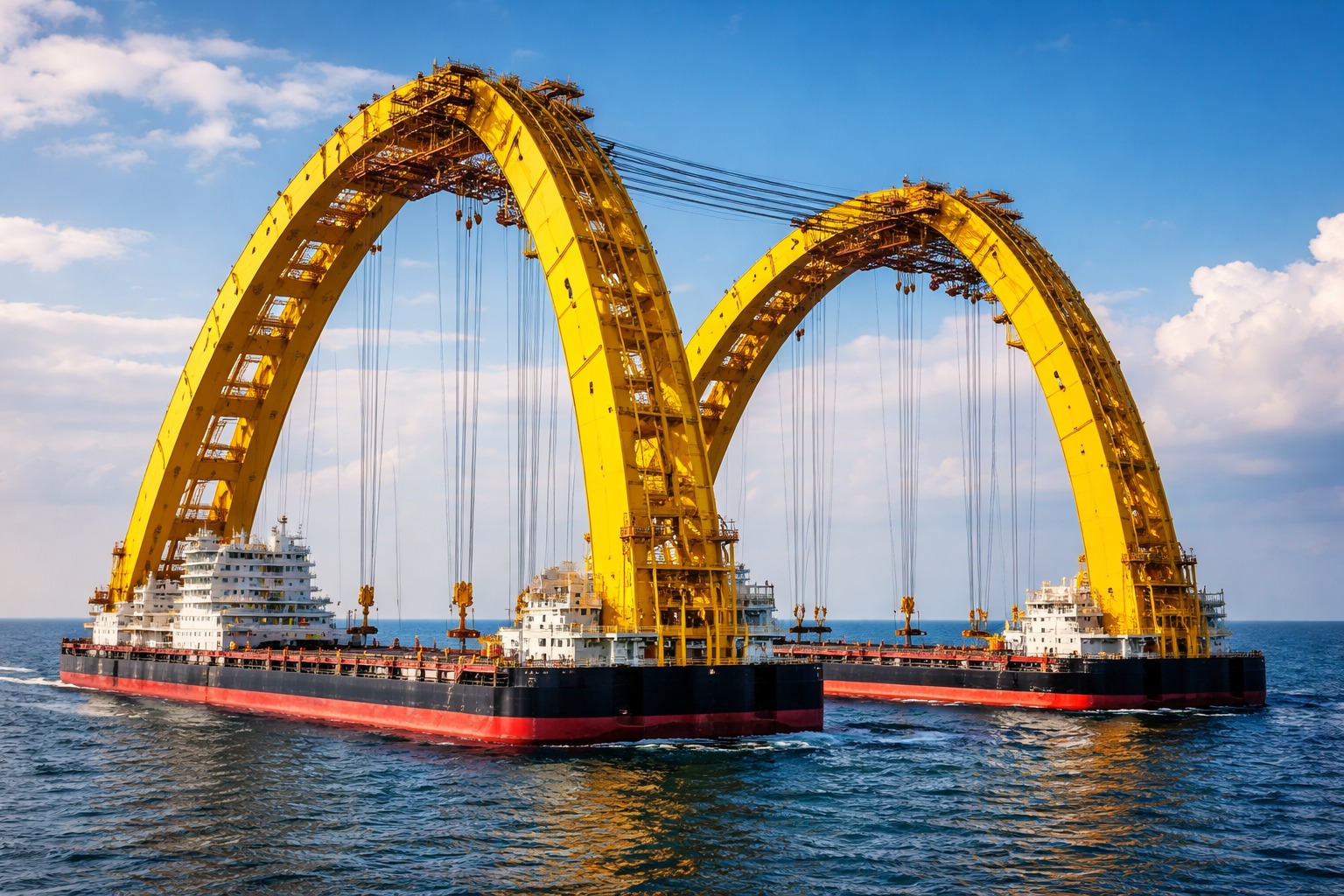
TX-10, The Colossus of The Sea: Largest Lifter Ship in The U.S., With Two Giant Barges, 73-Meter Tall Structure, and Strength to Raise 7,500 Tons of Sunken Oil Rigs
-
S 80 Submarines Get Technological Boost With AIP System Catalytic Reactors

Greek shipowners began to operate beyond territorial limitations, building fleets that now operate on a global scale.

This growth was driven by consistent strategic decisions, such as continuous investment in large vessels, focusing on high-volume international routes, and globalized operations, independent of national ports. The result was the formation of a highly distributed and resilient maritime presence.
The Greek merchant fleet is among the largest in the world in transport capacity
Greece frequently ranks among the countries with the highest control of global maritime transport capacity. The difference lies not only in the number of vessels but mainly in the profile of the fleet, concentrated in critical segments of the global economy.
Greek shipowners have a significant share in the large-scale transport of oil, the shipment of liquefied natural gas, and the export of commodities such as ore and grains.
These segments are responsible for moving a large part of international trade, which significantly enhances the strategic relevance of the Greek fleet in the global economic system.
Dominance in oil transport places Greece at the center of global energy logistics
One of the most relevant points of Greece’s maritime activity is in oil transport. A large portion of the oil tankers operating in the oceans is controlled by Greek companies, including vessels of very high capacity capable of transporting millions of barrels in a single trip.
This positioning places the country in a strategic position within the global energy chain, allowing direct influence over international energy flows and connection between major producers and consumer markets.
Even without possessing large oil reserves, Greece has become a key player in the global logistics of the energy sector.
The technical detail that explains the dominance: ownership is not the same as flag
One of the most important points to understand Greece’s strength in maritime transport is the difference between the country of registration of the ship and the country that economically controls the vessel.
Many ships operated by Greek shipowners are registered in countries such as Liberia, Panama, or the Marshall Islands, for regulatory and tax reasons. This means that the flag of the vessel does not necessarily reflect who exercises real control over the asset.
In practice, the influence lies in the ownership and operation of the ships, not in the place of registration. This technical detail explains why Greece appears as a global maritime power even without leading formal flag statistics.
An ‘invisible power’ that sustains global trade
The Greek activity in maritime transport is little visible to the general public but is essential for the functioning of the world economy. Every day, ships controlled by Greek shipowners transport oil, gas, ore, grains, and industrial products between continents.
Without this logistical infrastructure, global supply chains would be directly impacted, affecting everything from industry to final consumption. Greece, in this context, plays a silent but structural role in the machinery of international trade.
Unlike major powers such as China and the United States, Greece does not base its economic strength on industrial production, commodity volume, or military power. Its model is essentially logistical.
The strategy consists of controlling the means of transport that connect production and consumption on a global scale. This positioning allows the country to exert a disproportionate influence relative to its economic size, directly impacting the flows that sustain world trade.
Maritime transport accounts for 80% of global trade
About 80% of all global trade is conducted by sea, making maritime transport one of the pillars of the modern economy. In this scenario, those who control the fleet largely control the flow of goods on the planet.
Greece’s position, therefore, goes beyond the number of vessels. It ensures presence on strategic routes, active participation in global energy logistics, and direct influence on international supply chains.
Recent reports indicate that Greek shipowners continue to invest in fleet renewal, seeking to maintain competitiveness in an increasingly regulated sector. Trends include more energy-efficient ships, adaptation to new environmental requirements, and expansion in the transport of natural gas.
This movement demonstrates a long-term strategy aimed at maintaining leadership in a transforming global market.
Greece exerts a silent power that sustains international trade
Greece represents a different type of global power. Without a large territory or significant population, the country has built a central position in the world economic system by controlling one of the largest merchant fleets on the planet.
This dominance does not appear in military or industrial rankings but is fundamental to the functioning of international trade.
While major powers compete for political and technological influence, Greece exerts a more discreet power — one that keeps the oceans moving and the global economy functioning.









Seja o primeiro a reagir!