





 Portuguese
  English
  Spanish
  6 min of reading
  1 comment


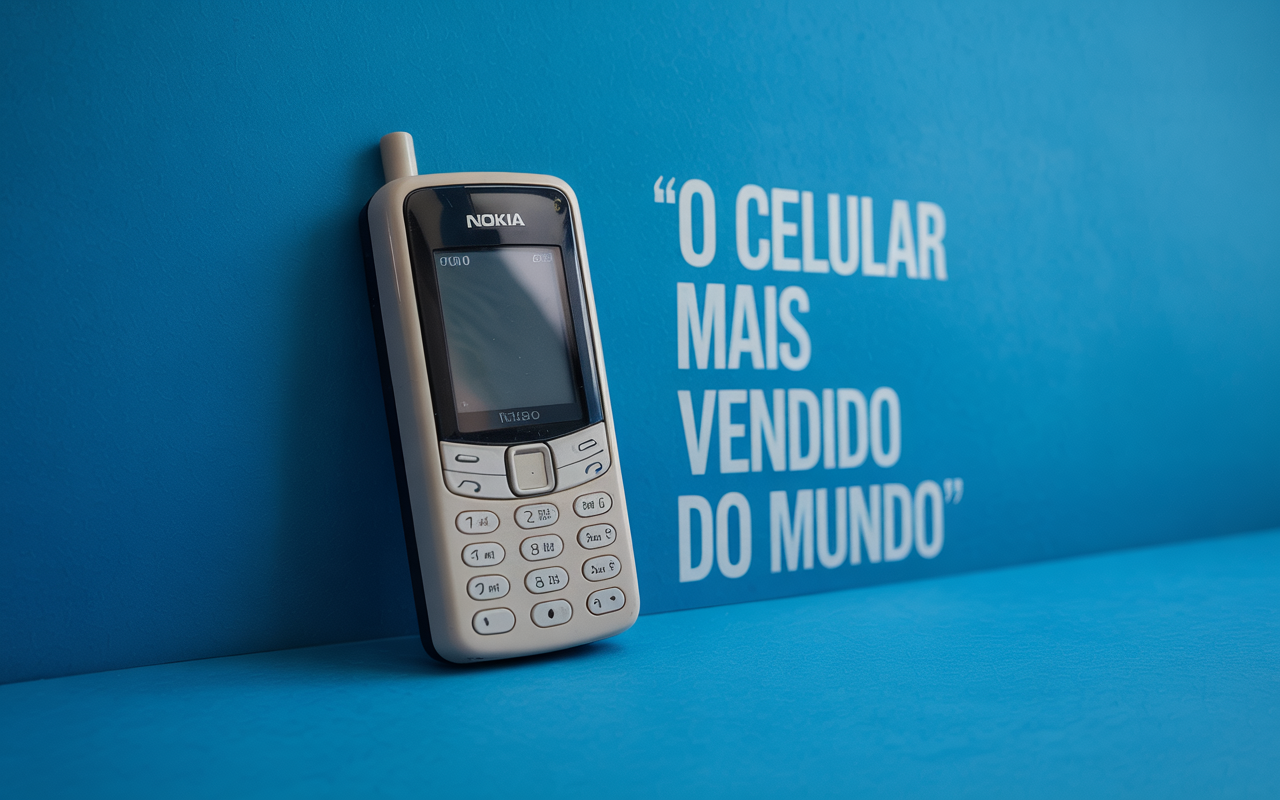


The Best-Selling Mobile Phone In The World Is Not From Apple, Samsung, Or Xiaomi. Discover How The Nokia 1100 Reached 250 Million Units Sold And Became A Global Phenomenon In Telephony.
When it comes to leadership in the smartphone market, names like Apple, Samsung, and Xiaomi dominate popular imagination. However, if we go back a few decades, the title of the best-selling mobile phone in the world belongs to a model that didn’t even have a camera, color screen, or internet access. We are talking about the legendary Nokia 1100, a true icon of mobile telephony, which surpassed the mark of 250 million units sold, according to Nokia Corporation and Statista data.
Officially launched in 2003, the Nokia 1100 conquered the world with a simple yet effective proposal: to offer a durable, cheap, and reliable phone for the global audience, especially in emerging markets. The model became a landmark in the history of telephony, consolidating the success of Nokia as the absolute leader in the sector during the 2000s.
How The Nokia 1100 Became The Best-Selling Mobile Phone In The World
The success of the Nokia 1100 was not a result of chance. On the contrary: it was a strategic combination of accessibility, robust engineering, and a deep understanding of developing markets.
-
These are the drivers who may stop paying tolls on highways in a project that promises to reduce costs for those who live from transportation in Brazil.

-
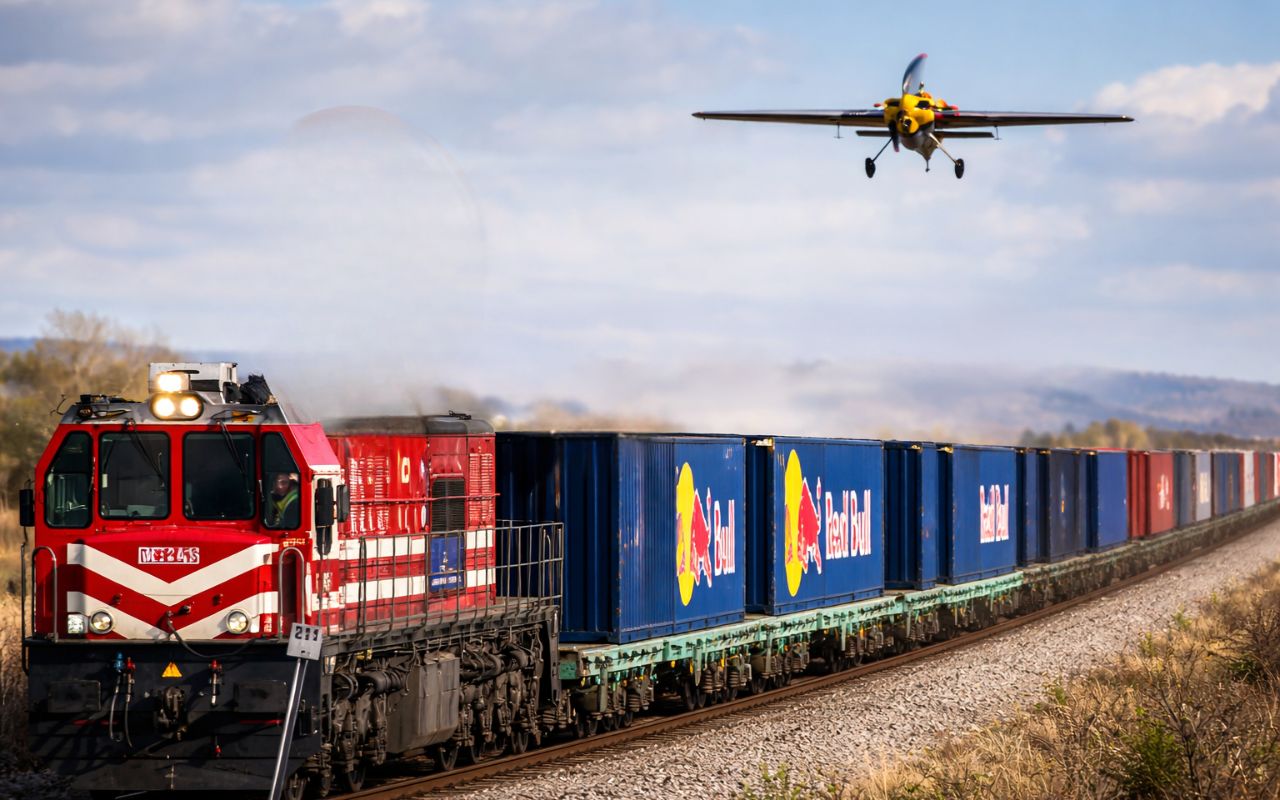
(Video): Italian pilot lands plane on moving train at 120 km/h and achieves unprecedented feat in aviation, even with a narrow runway and without direct visual contact.
-
It seems to have come out of a science fiction movie: A Brazilian city where it rains almost every day, recording over 4,000 mm per year, driven by climatic factors — a direct result of its strategic location in the Amazon.

-
The water crisis that could change everything this year has already begun; it’s not just about the climate, it affects technology, raises product prices, and can halt entire companies without warning.


The Finnish company invested in a basic design, with a simplified interface, long-lasting battery, and resistance to dust and drops. Focusing on essential communication, the Nokia 1100 delivered exactly what it promised: calls and messages with extreme efficiency.
The model was also one of the first from the brand specifically aimed at regions with limited telecommunications infrastructure, such as rural areas in Asia, Africa, and Latin America. Its low energy consumption and ease of use allowed it to become one of the main means of digital inclusion in the early 2000s.
Technical Specifications That Marked An Era


Although it may seem simple in today’s eyes, the Nokia 1100 was revolutionary in its proposal. Here are some features that defined this classic:
- Monochromatic screen of 96 x 65 pixels
- Built-in flashlight, useful in regions with frequent power outages
- Polyphonic ringtones and vibration alert
- Removable BL-5C battery of 850 mAh, with a standby time of up to a week
- Rubberized keypad, resistant to dust and wear
- Pre-installed games, like the classic Snake II
These elements, although rudimentary compared to today’s smartphones, were determinants for its global popularity, especially in countries still in the process of digitization.
Why The Nokia 1100 Sold More Than iPhones And Galaxys?
Today, Apple’s iPhone and Samsung’s Galaxy line lead the smartphone sales rankings. However, no single model from either brand has managed to reach the impressive mark of the Nokia 1100. Even the iPhone 6, considered one of the best-selling in modern history, reached about 220 million units — a number lower than the Finnish device.
This difference can be explained by several factors:
- Affordable price: the Nokia 1100 was cheap enough to be sold on a large scale in countries with low purchasing power.
- Extreme durability: it became known for its physical resistance, which extended its lifespan.
- Focus on basic functionality: it was ideal for users who wanted only calls and SMS.
- Global distribution: Nokia operated with a presence in over 150 countries, with strong distribution networks in emerging markets.
- Very low maintenance cost: even in case of damage, it was easy and cheap to repair.
The Role Of The Nokia 1100 In Nokia’s Rise
The success of the Nokia 1100 had a profound impact on the expansion of the Nokia brand. In 2003, the year of the model’s launch, the company was already a global leader in mobile telephony. However, it was with the explosion of sales of the 1100 that the Finnish brand consolidated a hegemony that is hard to imagine today.
According to the BBC and market analyses published by Gartner, Nokia held over 40% of global market share between 2004 and 2007. No other manufacturer has reached such impressive numbers to this day, not even during the height of Android.
The popularity of the 1100 also allowed Nokia to strengthen its ecosystem of basic and mid-range devices, such as the 1110, 1200, and 1600, all derived from the success of the platform used in the 1100.
The Decline Of Nokia: How The Giant Fell After Dominating The World
Despite producing the best-selling mobile phone in the world, Nokia did not manage to adapt to the smartphone revolution. In 2007, Apple launched the first iPhone. In 2008, Android emerged as an open operating system, giving manufacturers the freedom to innovate.
Nokia, on the other hand, insisted on using the Symbian operating system, which was already showing signs of obsolescence. Later attempts to adapt, such as the partnership with Microsoft and the launch of smartphones with Windows Phone, were not enough to stop the decline.
According to a report from The Verge, the absence of a robust application ecosystem, slow decision-making, and underestimating the competition were some of the strategic errors that led the brand to near extinction in the premium sector.
Where Is Nokia Today?
After selling its mobile division to Microsoft in 2014, the Nokia brand began focusing on telecommunications infrastructure and 5G networks. However, in 2016, HMD Global — a company formed by former executives of Nokia itself — licensed the brand and began manufacturing Android smartphones under the Nokia name.
Since then, the company has been launching mid-range and entry-level models, primarily aimed at markets in Asia and Africa. Some of its nostalgic devices, like the very Nokia 1100, have even been relaunched in modernized versions, but focused on collectors and enthusiasts.
Even amid foldable screens, artificial intelligence, and cameras with over 200 megapixels, the Nokia 1100 remains a symbol of simplicity and efficiency. It proved that, often, the success of a product does not lie in complexity, but in deeply understanding the audience one aims to reach.
Today, the model is often remembered in lists of greatest successes in technology history, being compared to the Sony Walkman, the Nintendo Game Boy, and the Apple iPod, all products that defined generations and transformed entire industries.
Facts About The Nokia 1100
- In 2009, a modified version of the Nokia 1100 was sold for up to US$ 32,000 in the European black market for being considered “bug-proof”.
- It is possible to find units of the model still functioning more than 20 years after launch.
- The game Snake II, embedded in the device, still has a legion of fans and informal online championships.
- The phone is so durable that it became a meme on the internet, compared to the “indestructible Nokia”.
Why The Title Of “Best-Selling Mobile Phone In The World” Still Belongs To Nokia?
Although modern smartphones surpass the Nokia 1100 in absolutely every technological aspect, none of them has managed to replicate its universal reach with the same consistency. The Finnish model was a success on all fronts: price, durability, simplicity, and, above all, timing.
The pre-smartphone era required basic connectivity, and the 1100 delivered this with mastery. In a world where billions of people still did not have access to the internet or even knew what a touchscreen was, the 1100 offered a reliable first contact with mobile telephony.
For this reason, the record of 250 million units remains intact — and is likely to remain for a long time, as the current trend is the segmentation of the market into specific niches, rather than universal products like the Nokia 1100.







Where to buy, I want Nokia