





 Portuguese
  English
  Spanish
 3 min of reading
  7 comments


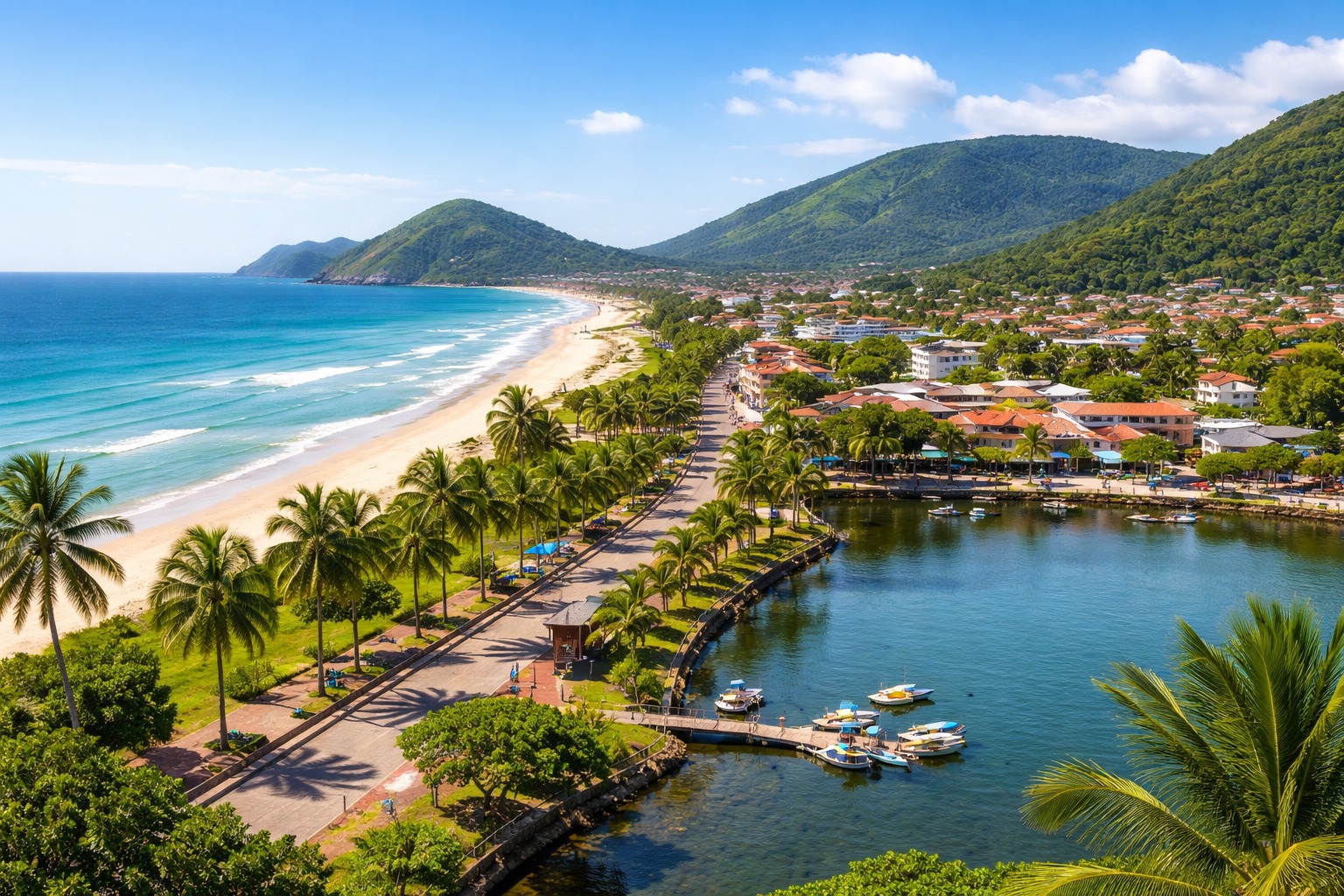


Maricá Consolidates Free Transportation Model, Social Currency Mumbuca, and Modern Urban Infrastructure While Attracting New Residents to Preserved Beaches and Lagoons on the Fluminense Coast
The city of Maricá has established itself as a destination for those seeking quality of life on the Fluminense coast, combining free public transportation, its own social currency, and urban infrastructure expansion, factors that drive the interest of new families and reinforce the municipality’s growth.
The city features open sea beaches, preserved lagoons, and neighborhoods with revitalized communal areas.
The movement of residents leaving the capital for Maricá occurs amidst the expansion of schools, modern health clinics, and continuous investments in public safety.
-
Friends have been building a small “town” for 30 years to grow old together, with compact houses, a common area, nature surrounding it, and a collective life project designed for friendship, coexistence, and simplicity.

-
This small town in Germany created its own currency 24 years ago, today it circulates millions per year, is accepted in over 300 stores, and the German government allowed all of this to happen under one condition.

-
Curitiba is shrinking and is expected to lose 97,000 residents by 2050, while inland cities in Paraná such as Sarandi, Araucária, and Toledo are experiencing accelerated growth that is changing the entire state’s map.

-
Tourists were poisoned on Everest in a million-dollar fraud scheme involving helicopters that diverted over $19 million and shocked international authorities.


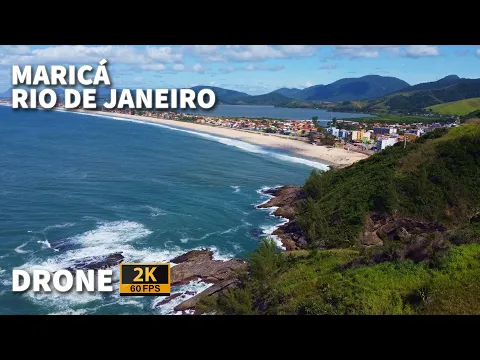

Quality of Life in Maricá Boosts Demand for Preserved Beaches and Lagoons
The coastline is known for its rustic landscape and environmental preservation that withstands urban advancement. Itaipuaçu Beach and Ponta Negra attract surfers and families seeking leisure during the weekends.
In addition to the sandy stretches, the lagoon system expands activity options. Water sports and sunset walks are part of the local routine, creating scenes valued by residents and visitors alike.
The combination of nature and urban structure is cited as one of the factors that differentiate Maricá from neighboring cities in Rio de Janeiro, consolidating the municipality’s image as an alternative to the intense pace of the capital.
Revitalized Squares and Social Interaction Strengthen Neighborhoods Like Centro and Inoã
Social life mostly takes place outdoors. Revitalized squares remain occupied by children and elderly people who enjoy the mild weather, reinforcing community interaction.
Investment in public areas has transformed daily life in neighborhoods like Centro and Inoã. The constant presence of residents in these spaces strengthens the sense of belonging and increases the use of available urban structures.
Among the most sought-after spots are the Araçatiba promenade, which is ideal for biking and picnicking by the lagoon, and the Lighthouse Trail, an easy hike in Ponta Negra that leads to a panoramic view of the ocean.
Free Transportation and Social Currency Mumbuca Differentiate the Local Model
Free public transportation is one of the main differentiators. The buses known as Vermelhinhos operate without a fare, facilitating movement to commercial and tourist areas.
The local economy is also impacted by the social currency Mumbuca, created by the city hall. The system allows exclusive circulation within the city’s commerce, keeping stores busy and increasing internal consumption.
The initiative has become a global reference by establishing a model that integrates social benefits and strengthens neighborhood commerce, solidifying Maricá‘s economic role in the region.
Ordered Urban Expansion Attracts New Families to the Coast
In recent years, urban infrastructure has expanded with the arrival of new schools and modern health units.
The growth occurs in a planned manner, maintaining urban cleanliness and bolstering public safety.
The proximity to Rio de Janeiro and Niterói allows residents to maintain professional ties outside the municipality while enjoying a routine more focused on well-being.
This factor has contributed to the increase in housing demand.
The local gastronomy, particularly restaurants specializing in seafood and homemade seasoning, complements the leisure offerings.
The set of measures reinforces the movement of families that see Maricá as a stable alternative for permanent residence.
The constant growth indicates that the municipality has ceased to be just a vacation destination.
The consolidation of services, fare-free transportation, and the circulation of Mumbuca reinforce the transition to a structured city, focused on quality of life and community integration.
With information from BMC News.









Moro no bairro Itaipuaçu e realmente a cidade mudou 100%. A facilidade de subir a serrinha e já estar em Niterói tornou a cidade interessante. A praia é um problema por conta das ondas, bate muito forte mas o resto, perto da minha casa fica o posto de saúde que foi totalmente reformado, tem um campo de futebol social e praça com material para atividade física, o calçadao é maravilhosos uma grande parte com área para caminhada e ciclismo, bem iluminada e sempre quando caminho a todos momentos passa a todos momento. Aqui onde moro não falta água e a luz raramente falta, eu amo Itaipuaçu , tenho maior orgulho da minha cidade.
*na orla passa carro da polícia.
Como morador da cidade de Cordeirinho em Maricá, DISCORDO completamente da obra de ficção acima apresentada pelo sr. Romário Pereira de Carvalho. Meu bairro não tem saneamento básico, a empresa águas do rio fornece água quando quer, falta luz com frequência o que ocasiona problemas nos eletrodomésticos, asfalto afunda após as chuvas pois as ruas não tem bueiros, comércio com preços absurdos e a grande maioria dos moradores são dependentes dos programas sociais da prefeitura. Apesar da cidade receber royalties altíssimos provenientes do petróleo não possui um hospital decente e o prefeito tem a postura de ser o dono da cidade. Quando a farra dos royalties terminar teremos uma triste realidade pela frente.
Concordo plenamente, moro em São José de Imbassaí, não temos saneamento básico, água potável tênho quê comprar carro Pipa todo mês,o posto de saúde não têm médico, tanto dinheiro más mal distribuído…
Não é bem assim não. Enfeitou demais esse texto e isso não corresponde à realidade de Maricá. Praias são bonitas mas a maior parte da extensão litorânea é perigosa para banho. Lagoas preservadas?! Essa eu tive que rir de nervoso! Não há quase nenhum saneamento urbano e o esgoto da cidade vai praticamente em natura sendo despejado nas lagoas e rios. O solo é contaminado e onde não há abastecimento da águas rio ou vc tem um poço artesiano com água ruim e insalubre e se tem abastecimento da aguas rio vc passa mais tempo sem água na bica e pagando horrores de conta.Energia elétrica? Outro caos que o Maricaense tem que enfrentar com um fornecimento caótico, luz que falta sempre e tensão Elétrica absurdamente intermitente variando e prejudicando aparelhos. Ahhh o vermelhinho o ônibus de todos.. inclusive de vandalos e cracudos e moadores de rua que multiplicam em todos os distritos da cidade. Muitas melhorias que foram feitas pelo prefeito anterior hj estão sucateadas pois não existe manutenção, parquinhos e os decks que a pouco tempo eram atrações agora são estruturas que oferecem riscos aos frequentadores. Não acreditem nessas ” utopias” referentes a Maricá , a cidade que deveria ser o modelo por ser a cidade mais rica do Brasil ainda falta muuito para isso. Não há estrutura suficiente para o morador quem dirá para o visitante e quem acha que vindo morar aqui vai encontrar o paraíso. Ahh antes que esqueça:Não tem emprego!!