





 Portuguese
  English
  Spanish
  4 min of reading
  0 comments


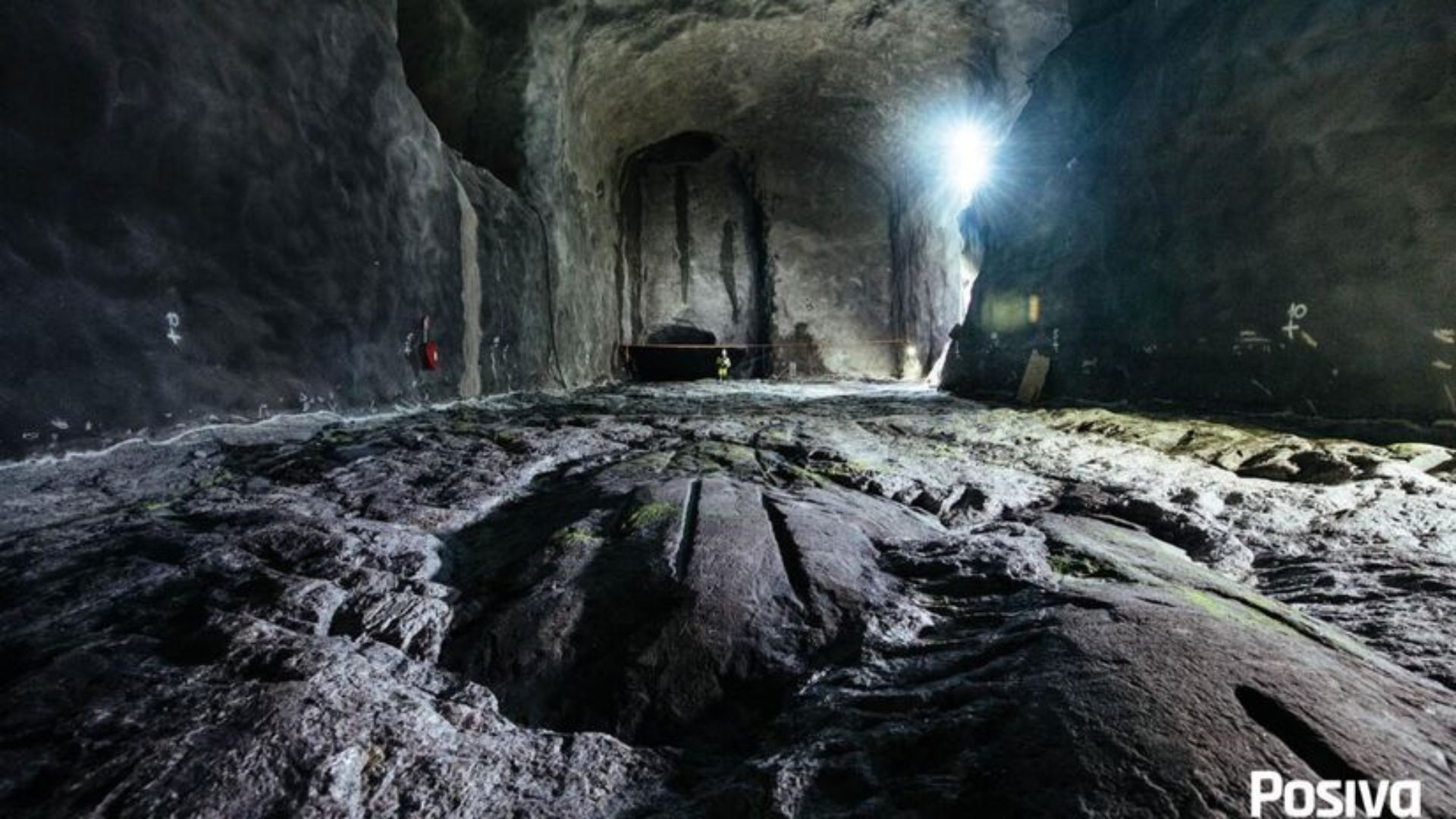
Finland Develops The World’s First Deep Geological Repository For Used Nuclear Fuel, Designed To Keep Radioactive Waste Isolated From The Surface For Up To 100,000 Years In Crystalline Rocks Hundreds Of Meters Deep.
Finland is preparing to operate the first deep geological repository for used nuclear fuel, designed to keep highly radioactive material isolated for up to 100,000 years.
The complex, known as Onkalo, is located in Olkiluoto, in the municipality of Eurajoki, southwest of the country, and represents a turning point in nuclear waste management by taking permanent disposal to a depth of between 400 and 430 meters in the bedrock.
The Nuclear Cave of Onkalo
Onkalo is the Finnish word for “small cavity,” but here it designates the entire final deposition system: the encapsulation plant on the surface and the network of tunnels and underground chambers where the waste will be accommodated.
-
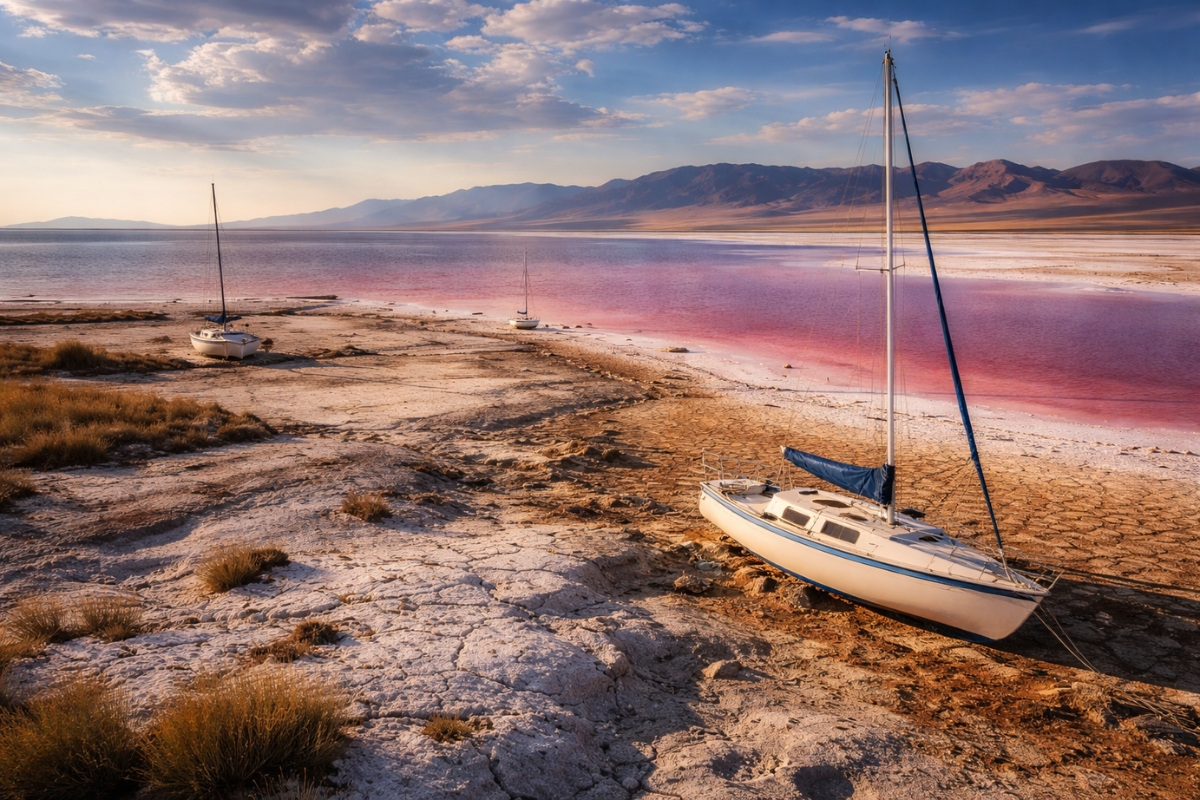
One of the most important lakes in the United States for birds, the balance of nature, and the climate has dried to historic levels, leaving boats stranded, revealing salt flats, and showing how the lack of water can transform an entire landscape.
-
It’s not Cristiano Ronaldo or Messi: the richest football player in the world is only 27 years old, has a fortune of 100 billion reais, and is the nephew of a sultan from an Asian country that few people know about.

-
At 77, the king of one of the most famous and powerful crowns on the planet is said to be under pressure to leave the throne, while behind the scenes there are already talks of a new coronation that could cost R$ 260 million.

-
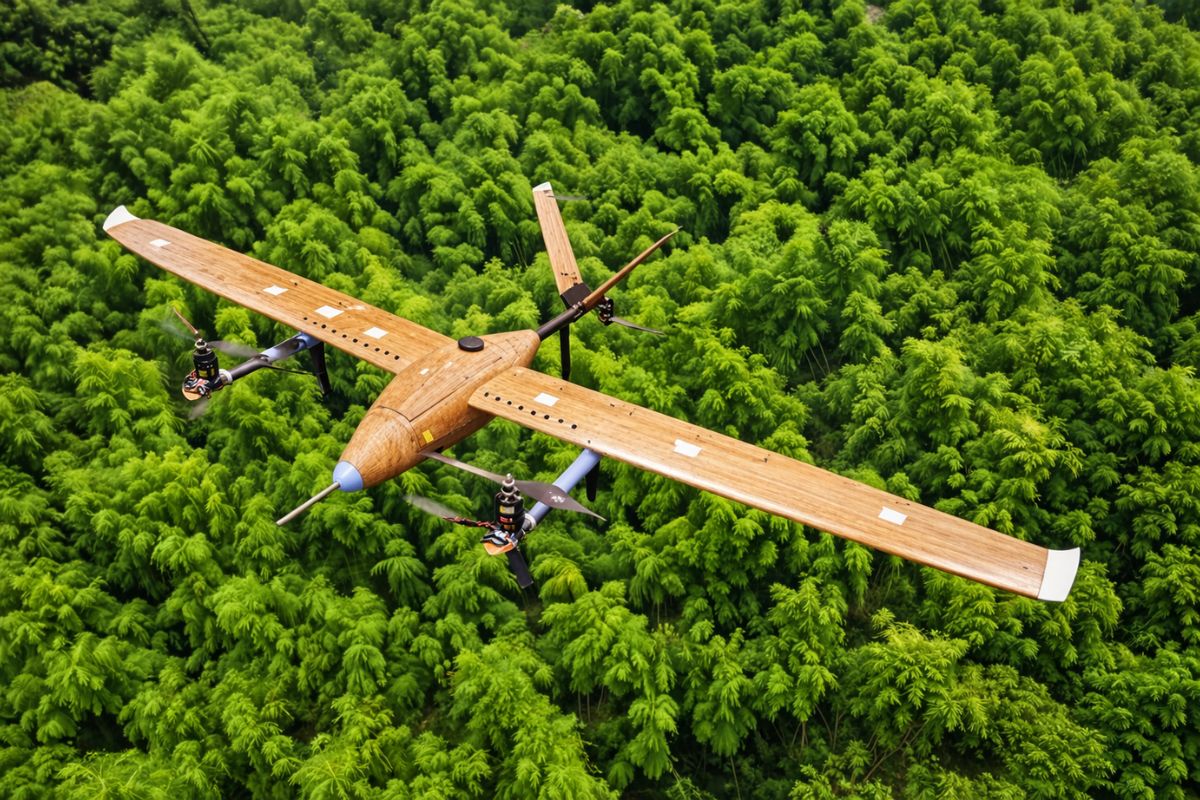
Chinese researchers have created bamboo drones that fly with the same precision as conventional models and have released the flight control software for free to the entire world in a technology that could revolutionize sustainable aviation.

The company Posiva Oy, formed by operators of the Finnish electricity sector, is leading the project based on the KBS-3 method, which combines multiple safety barriers to contain radiation for timeframes that exceed many human eras.
How Nuclear Waste Storage Works
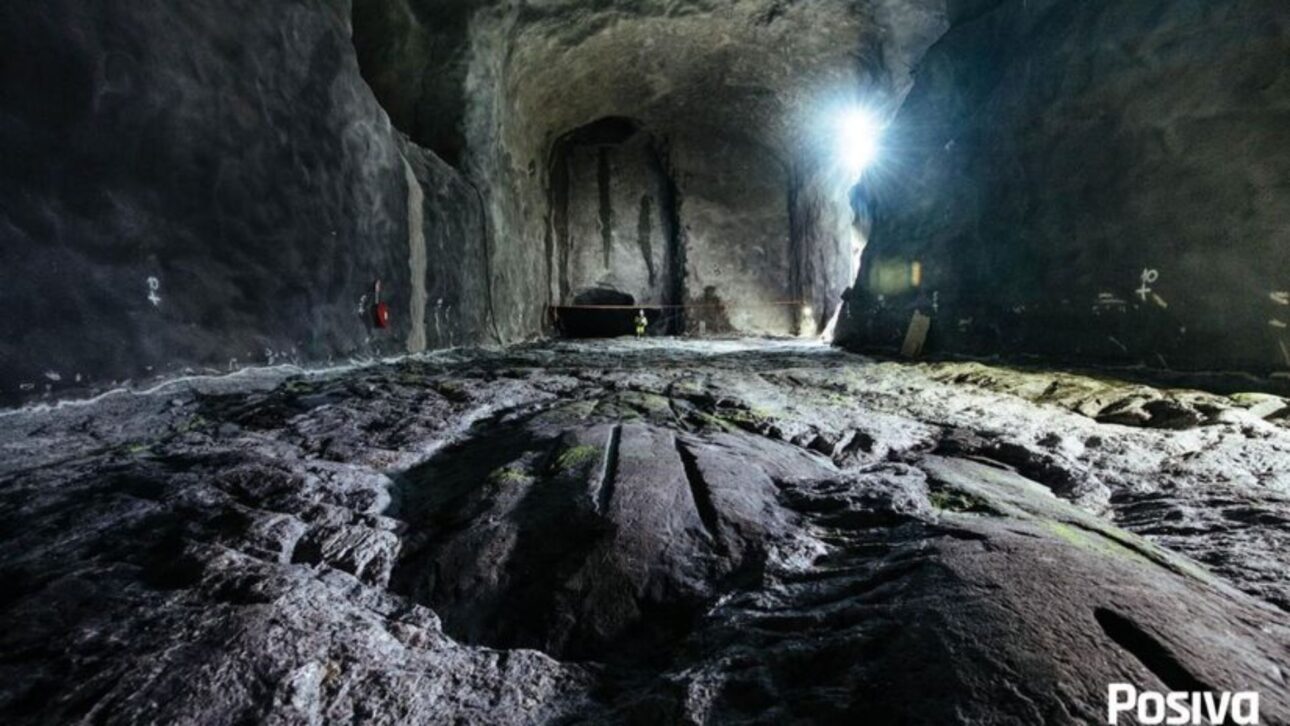
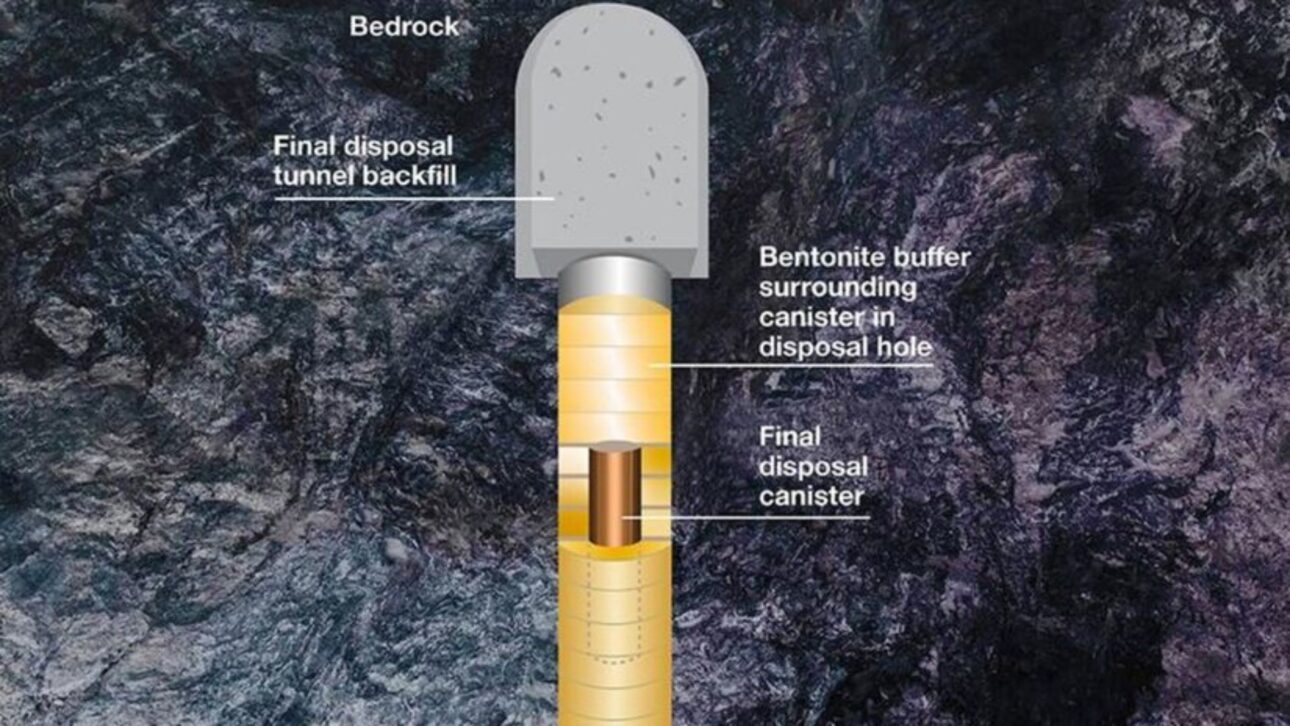
Spent fuel, after decades in interim storage, will be placed in copper capsules with iron inserts and lowered by a dedicated elevator to the deposition level.
Each capsule will remain in an individual shaft and will be surrounded by bentonite clay, which swells upon contact with water, helping to keep the assembly stable and away from cracks in the granite.
Finally, the tunnels will be filled and sealed in order to minimize interaction with the surface over thousands of years.
The depth of about 430 meters was chosen to balance the least fracturing above and the higher rock stresses below.
The Timeline And Necessary Permits
Although international media have presented the project as a historic milestone, full operation depends on permits.
Posiva submitted the application for an operating license to the Finnish government on December 30, 2021.
In January 2025, the regulator (STUK) indicated it was in the final stages of technical analysis and expected to deliver its opinion to the Ministry of Economy “well before the end of the year.”
In other words, commercial operation is contingent upon the completion of this process.
Trials With Capsules Underground
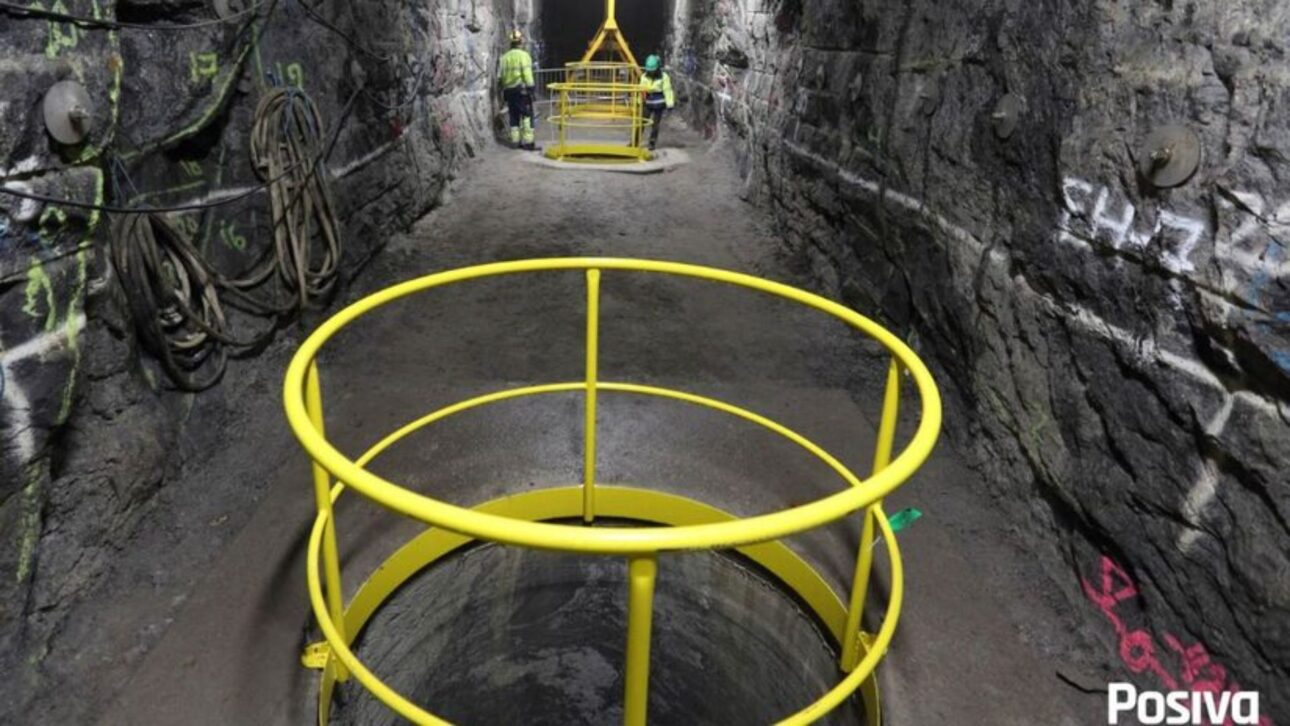
While awaiting the regulatory decision, Posiva completed the Trial Run of Final Disposal in March 2025, a series of tests with five capsules that went through inspections, were transferred underground, and positioned at a depth of 430 meters.
The procedure demonstrated the functionality of the industrial flow — from encapsulation to transport and deposition — and allowed validation of quality routines and sealing and filling materials.
These trials do not equate to the start of permanent disposal, but are a relevant technical step.
Why Deep Burial Is The Chosen Solution
Sectoral organizations have considered for decades that the most robust solution for high-level waste is deep geological storage, where confinement does not depend on constant human intervention.
The reasoning is simple: combine highly resilient artificial barriers with an extremely stable natural barrier.
In the Finnish case, the choice of Eurajoki resulted from geological studies initiated in the 1980s and local and national approval of the project’s layout.
How Other Countries Handle Nuclear Waste
In the United States, spent fuel mostly remains in dry storage at the plants’ own sites, in sealed metal cylinders protected by concrete.
The long-term plan at Yucca Mountain, in Nevada, has never materialized, and discussions regarding interim facilities returned to the agenda in 2025 in the judiciary and regulatory agencies.
In parallel, the country operates the WIPP, in New Mexico, a repository in salt formations over 600 meters deep — but dedicated to transuranic defense waste, not spent nuclear fuel.
The comparison helps to illustrate the pioneering nature of the Finnish model for irradiated fuel from civilian plants.
The Meaning of One Hundred Thousand Years
The figure of 100,000 years is often cited as a safety horizon, but it does not mean that the capsule solely depends on this timeframe.
The KBS-3 concept takes into account the slow degradation of materials, isolation by clay, and the stability of billion-year-old granite.
Even so, the analysis of copper corrosion in underground environments remains a topic of research and regulatory assessment, explaining the caution around the final release of operations.
This scrutiny is part of the project’s institutional design, intended to withstand long-term scenarios without requiring continuous human maintenance.
International Interest In The Project
International attention has grown with reports and videos about the “geological tomb,” including from outlets like CNBC, which highlighted the scale of the endeavor and the ambition to make it an external reference.
This interest does not alter the licensing routine, but projects Onkalo as a case study for countries assessing similar routes, such as Sweden, Canada, and Switzerland, at various stages of decision and construction.





Seja o primeiro a reagir!