





 Português
  Inglês
  Espanhol
  4 min de leitura
  1 comentário


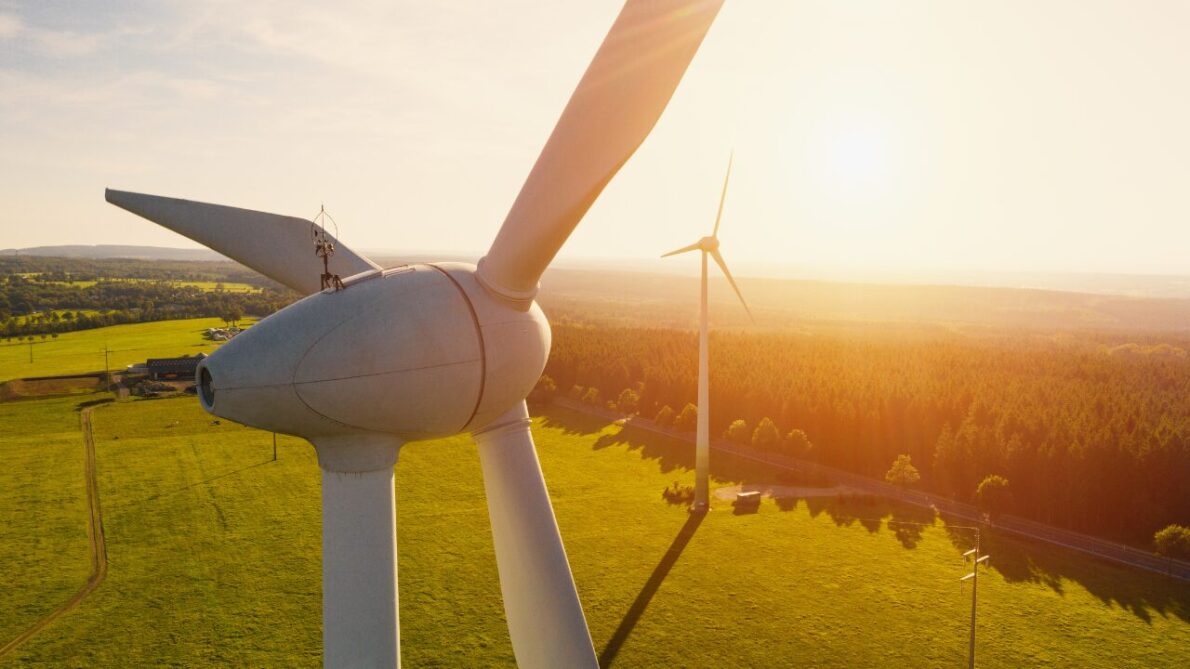

Brazilian Chocolate Factory Invests in Self-Supply with Own Renewable Energy.
Nestlé Brazil and Enel Green Power announced an important step toward sustainability last Thursday (19). The two companies formalized an agreement to create three wind energy self-production consortia, which will supply five factories of Nestlé in Brazil. Among the benefited units is the Garoto chocolate factory, located in Vila Velha, Espírito Santo. The agreement aims to ensure that these factories are supplied with energy generated from renewable sources, specifically by wind farms located in the Cumaru complex in Rio Grande do Norte.
Factory Agreement Involves Wind Energy from Complex in Rio Grande do Norte
The wind farms that will supply the factories of Nestlé are already operating in the Cumaru complex in Rio Grande do Norte.
This complex consists of several wind generation units that convert wind power into clean and efficient electricity.
-
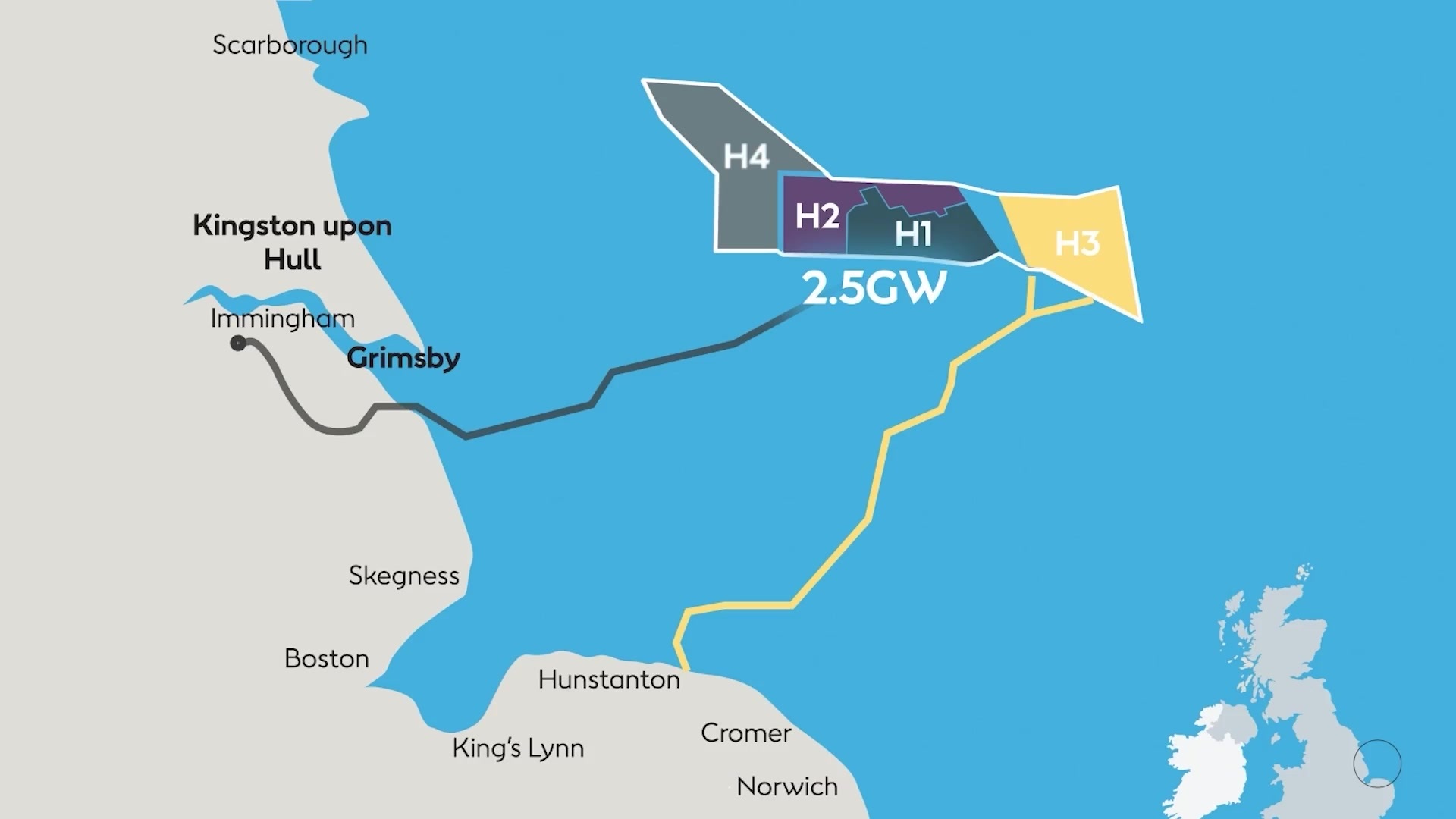
231 turbines of 260 meters at 160 km from the coast, monopiles weighing as much as nine blue whales embedded in the North Sea, and a crane ship taller than the Eiffel Tower: Hornsea 3 will be the largest offshore wind farm on the planet by 2027, and its first components have already arrived in England.
-
International Certification Puts Senai Norte on the Renewable Energy Map and Expands Access to Essential Training for Qualified Wind Power Professionals

-
The Winds of the Northeast Are in Foreign Hands: Nearly 70% of the Region’s Wind Farms Are Owned by International Companies, with France, China, and Italy Leading Investments in Wind Energy in Brazil
-
Echoenergia’s Wind Farms Receive Diamond and Platinum Seals and Boost Carbon Credits with Projects that Prevent Large Volumes of Annual Emissions
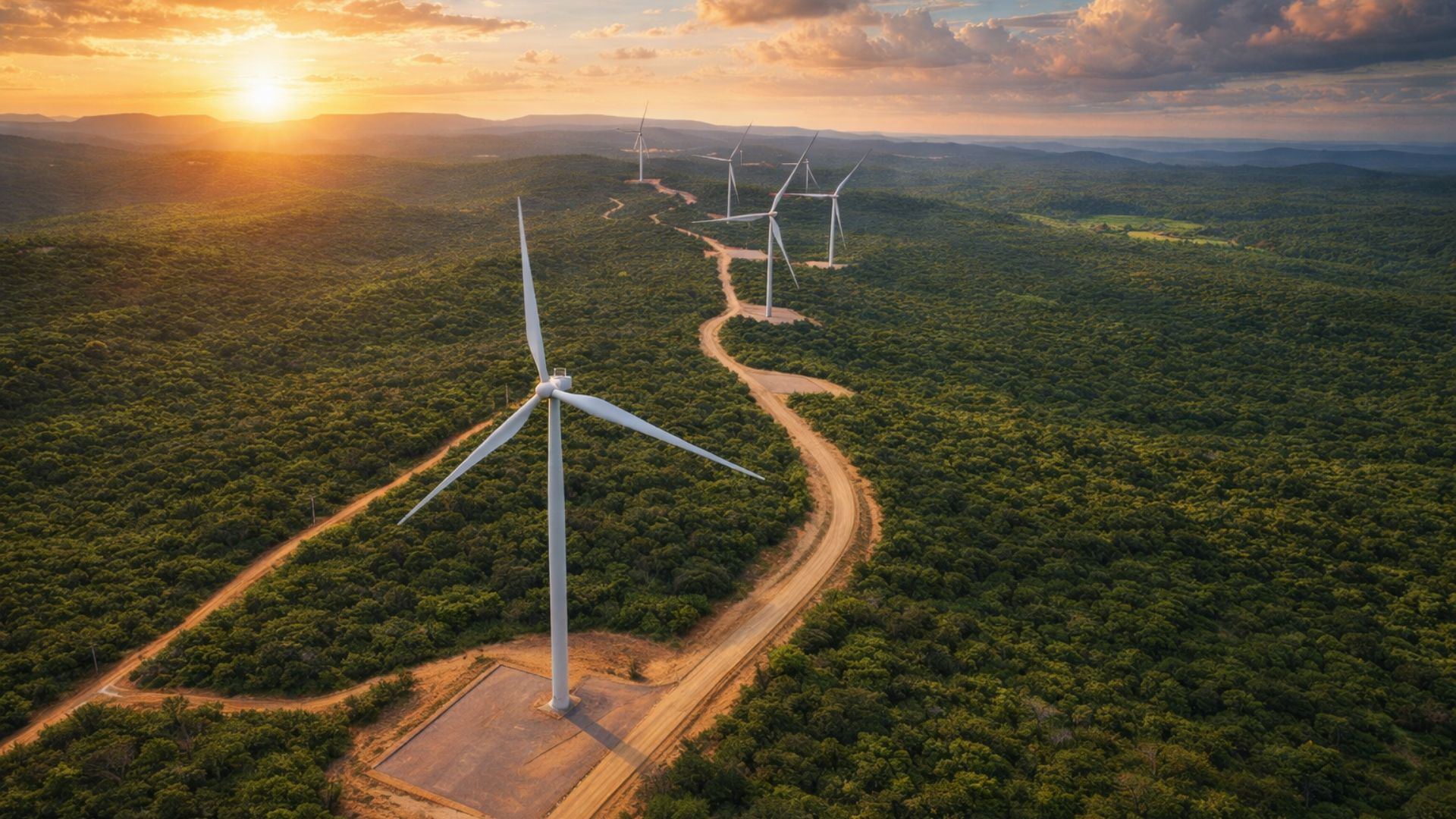

The plants were built and are operated by Enel Green Power, which has great expertise in the renewable energy sector and a strong presence in the Brazilian market.
The partnership between Nestlé and Enel aims not only to meet the energy needs of the factories but also to advance the energy transition to more sustainable sources.
Wind energy generation will be a key component for Nestlé to achieve its goal of becoming a Net Zero company by 2050, which means neutralizing its carbon emissions across its entire production chain.
Marcelo Melchior, CEO of Nestlé Brazil, emphasized the importance of this transition for the company, noting that the firm has been using renewable energy in its operations since the 1980s.
According to him, Nestlé was a pioneer in the use of biomass, such as coffee grounds, to generate steam in its factories, and since 2017 all of its units have been powered exclusively with renewable electricity.
Self-Production of Energy at the Factory: Savings and Technology
Self-energy production is an increasingly utilized contracting modality by large consumers, such as industries, seeking to reduce their costs and increase predictability regarding electricity tariffs.
This practice allows companies to produce their own energy, either through their own plants or through consortia, as in the case of Nestlé and Enel.
In addition to environmental benefits, self-production provides financial incentives.
Industries that choose this modality often have rights to discounts on the use of energy transmission and distribution systems, as well as exemption from sectoral charges.
These factors help reduce final energy costs, which is fundamental for energy-intensive companies that rely on high electricity consumption to maintain their operations.
For Nestlé, cost stability is a decisive factor. According to Melchior, energy tariffs from renewable sources, such as wind, tend to be more predictable compared to fluctuations in the conventional energy market.
This provides greater financial security for the factory while contributing to reducing its carbon footprint.
Antonio Scala, CEO of Enel Brazil, also commented on the importance of this partnership to accelerate the energy transition in Brazil.
According to him, the partnership with Nestlé demonstrates how collaboration between large companies can contribute to the expansion of clean energy use in the country, strengthening the commitment to a more sustainable future.
Energy Transition and Innovative Future
The energy transition to renewable sources has been a priority for many companies around the world, and Nestlé is at the forefront of this movement in Brazil.
The agreement with Enel Green Power reinforces the company’s commitment to sustainability and reducing carbon emissions, which is increasingly demanded by consumers and society at large.
In addition to supplying Nestlé’s factories, the energy generated by the Cumaru complex also contributes to increasing the renewable energy production capacity in Brazil, a country with one of the largest potentials in the world for generating energy from sources like wind and solar.
Enel Green Power, as the leader of the consortia formed for self-production, will continue to manage the operations of the wind farms, ensuring that energy is supplied efficiently and safely.
The agreement’s operation has already been approved by the Administrative Council for Economic Defense (Cade) and is proceeding to evaluation by the National Electric Energy Agency (Aneel).
With this initiative, Nestlé and Enel Green Power reaffirm their prominent role in promoting sustainability in Brazil.
The expectation is that the partnership will not only benefit the involved factories but also serve as a model for other companies seeking to advance the transition to a greener and low-carbon economy.










Outra excelente materia parabéns
https://www.rcwtv.com.br/