





 Portuguese
  English
  Spanish
  3 min of reading
  0 comments


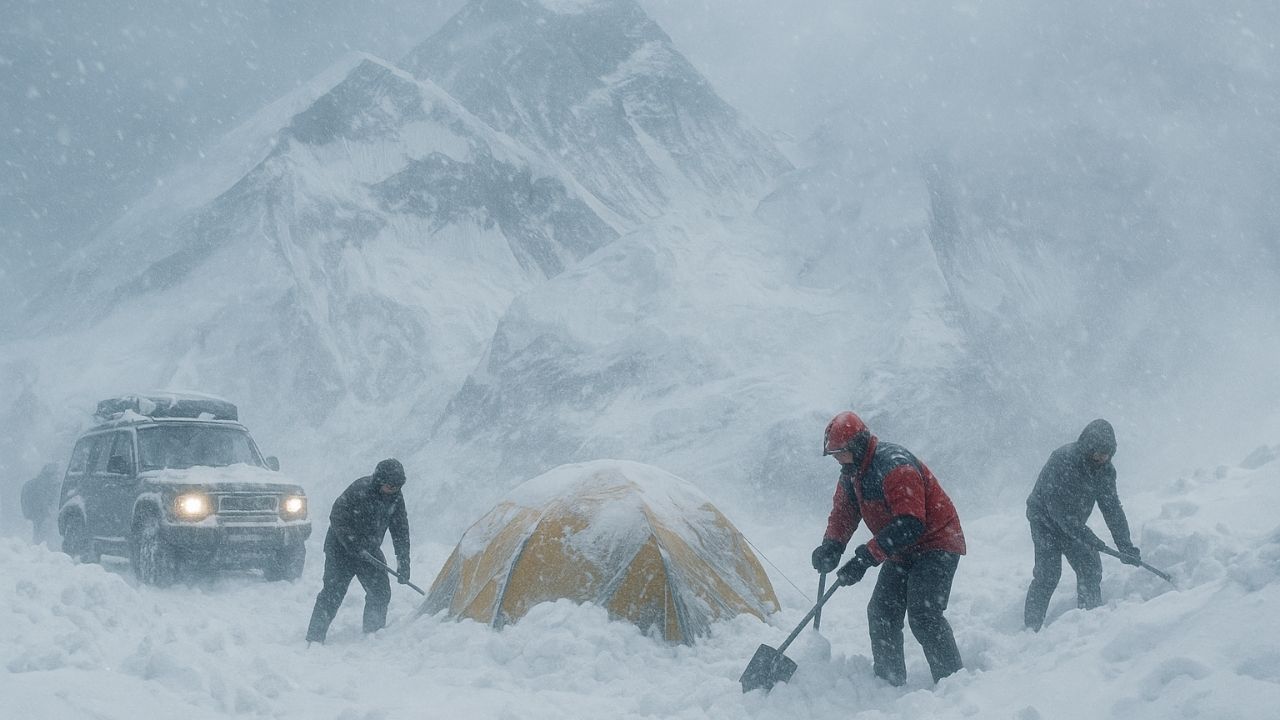
Intense Blizzard on Mount Everest Leaves Around a Thousand People Trapped in Tibet. Rescue Teams Face Dense Snow and Blocked Roads.
An intense blizzard on Mount Everest has left around a thousand people stranded in camps on the eastern slope of the mountain, in Tibet, according to information released by Chinese state media this Sunday (10/05/25).
The snowstorm, which began on Friday night (10/03) and intensified on Saturday (10/04), blocked major access roads and halted tourist activities in the region.
Rescue teams and hundreds of local residents have been mobilized to clear the snow-covered roads and ensure the rescue of affected tourists and workers.
-
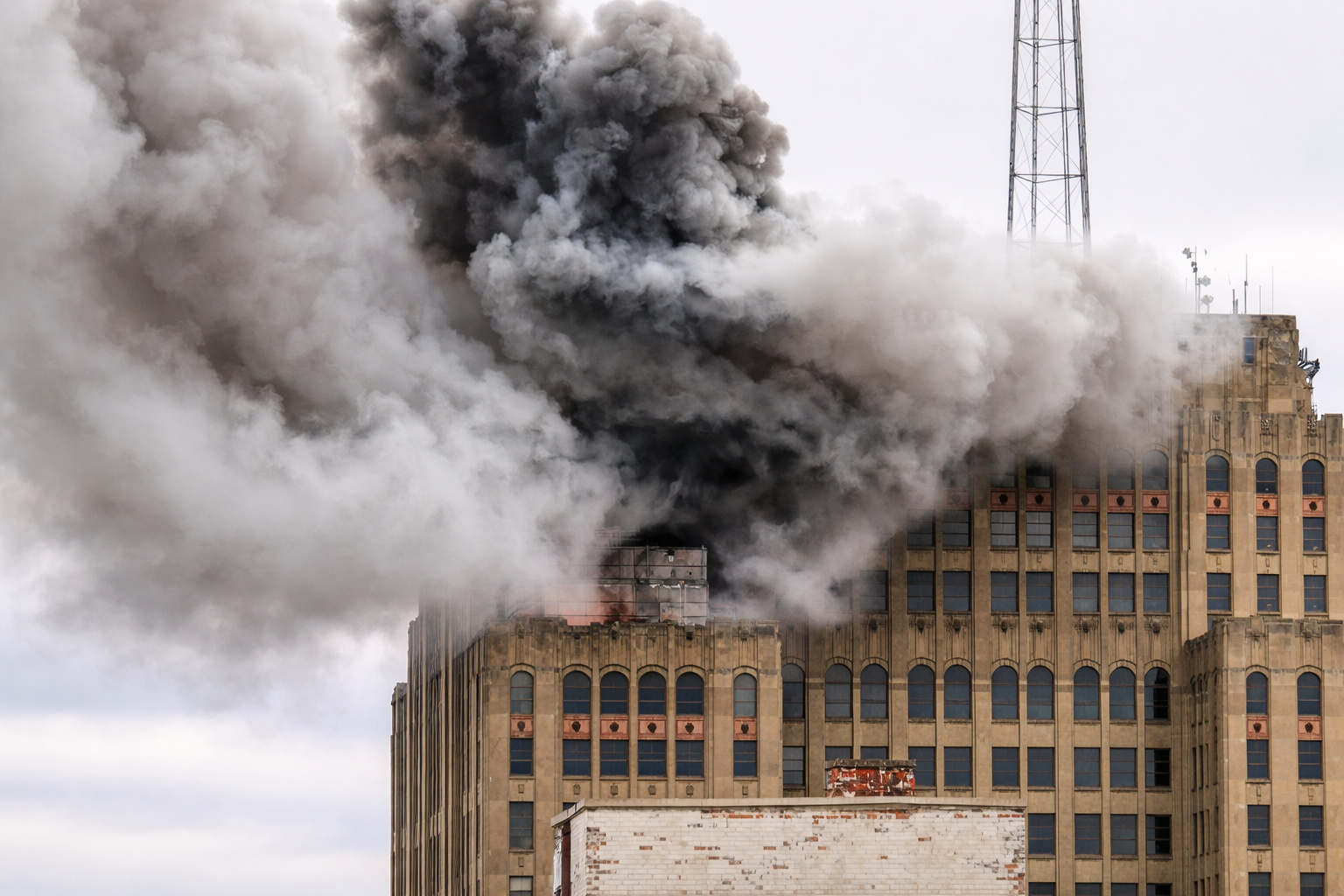
Historic building in the United States reports electrical fire, calls firefighters, and exposes an issue with an appliance that most Brazilians also have at home.
-
Elevator Plummets From Tenth Floor in Commercial Building in Recife, Raising Concerns About Safety and Engineering of Vertical Transport Systems Used Daily in Urban Buildings

-
Cyclist Hit by Car in Sobradinho, DF Is Rescued After Traffic Accident This Sunday

-
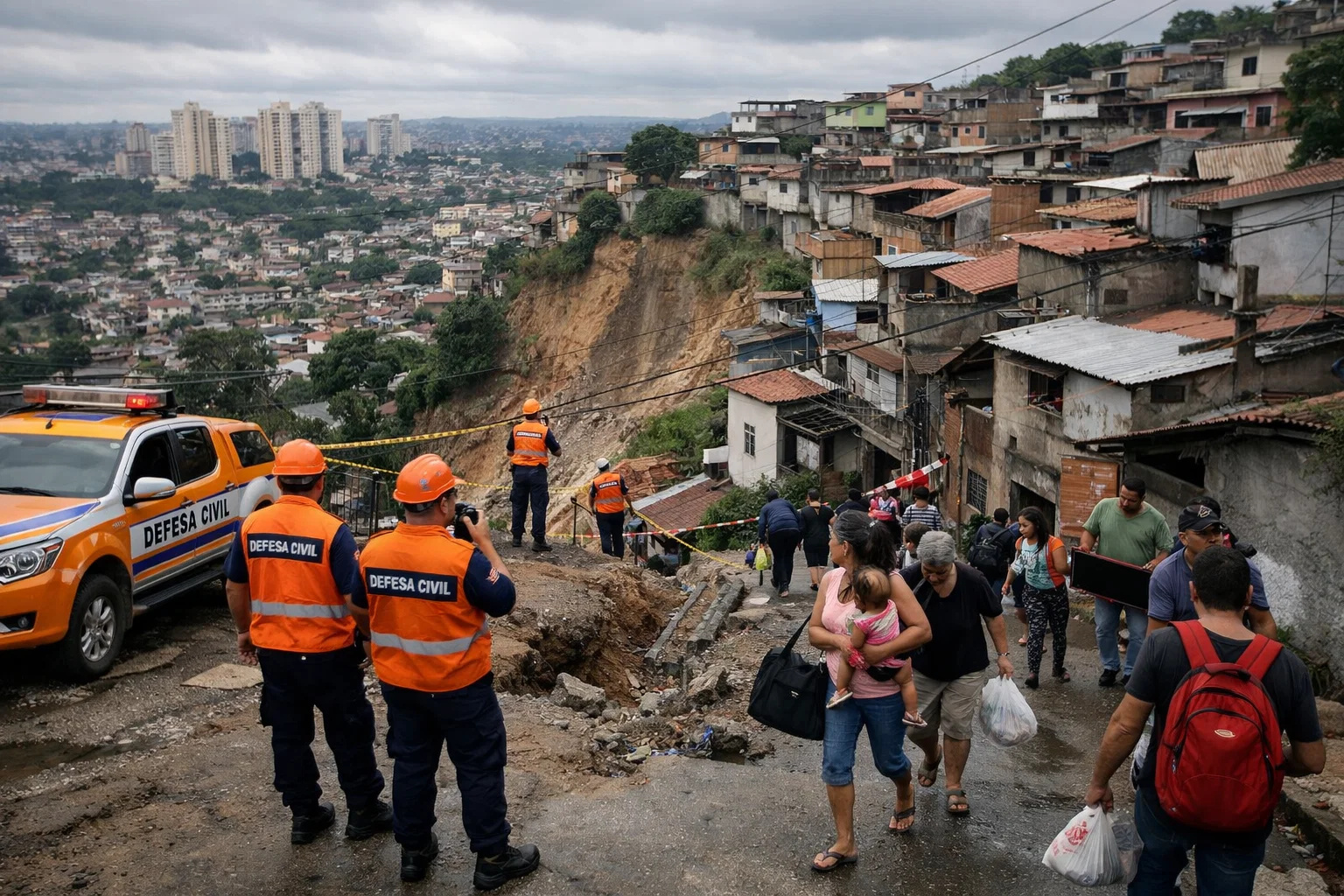
Civil Defense Issues Alert and Advises Evacuation in 51 Streets of Juiz de Fora After Risk of Instability; See the Complete List of Affected Neighborhoods

Authorities reported that some visitors have already been safely evacuated, but the effort remains complicated due to the extreme altitude conditions — above 4,900 meters.
Rescue Operation Faces Challenges Amid Snow and Strong Winds
According to the Chinese portal Jimu News, rescue teams are working tirelessly to remove the thick layer of snow that covers the slopes of Everest.
The freezing winds and reduced visibility are complicating the operation, making access to the camps a significant challenge.
The Tingri County Tourism Company, responsible for managing the area, announced via WeChat that ticket sales and tourist entry to view Everest have been suspended since late Saturday (10/04).
The decision was made for safety reasons, as weather conditions remain unpredictable.
Meanwhile, local authorities are monitoring the situation to prevent further incidents. There is a warning that the accumulation of snow may continue to block secondary roads, which could further hinder the arrival of supplies and support teams.
Tourists and Locals Struggle Against Extreme Cold
Reports from those on the mountain describe a situation of apprehension and uncertainty. With temperatures plummeting rapidly, tourists and local guides are facing intense cold and a lack of basic resources.
<p“Some tourists on the mountain have already been rescued,” reported Jimu News, highlighting that operations are ongoing and the exact number of people still trapped may vary as teams make contact with isolated camps.
The local government urged calm and emphasized that it is making every effort to ensure the safety of those trapped in the blizzard, including sending food and thermal blankets.
Nepal Also Suffering from Disasters Caused by Extreme Weather
On the other side of the border, in Nepal, the situation is equally critical. Heavy rains affecting the country since Friday have caused landslides and flash floods, destroying bridges and blocking roads.
According to the Nepalese police, at least 47 people have died in recent days. In Ilam district, near the Indian border, 35 people lost their lives in separate landslides, while nine are missing after being swept away by the waters.
Additionally, three fatalities have been reported due to lightning in other regions of the country.
Extreme Weather Threatens Safety in the Himalayas
The storms affecting Mount Everest and Tibet reflect a climatic phenomenon that has become increasingly frequent in the Himalayan region.
Drastic temperature variations and intense precipitation put both local residents and adventurers visiting the world’s highest mountain at risk.
As teams continue to work to rescue those trapped in the blizzard, the Chinese government is assessing new safety measures for tourism on Everest.
Experts say that this episode serves as a warning about the impacts of climate change in the mountainous areas of Asia, where extreme events have been intensifying year after year.







-

2 pessoas reagiram a isso.