





 Portuguese
  English
  Spanish
  4 min of reading
  0 comments


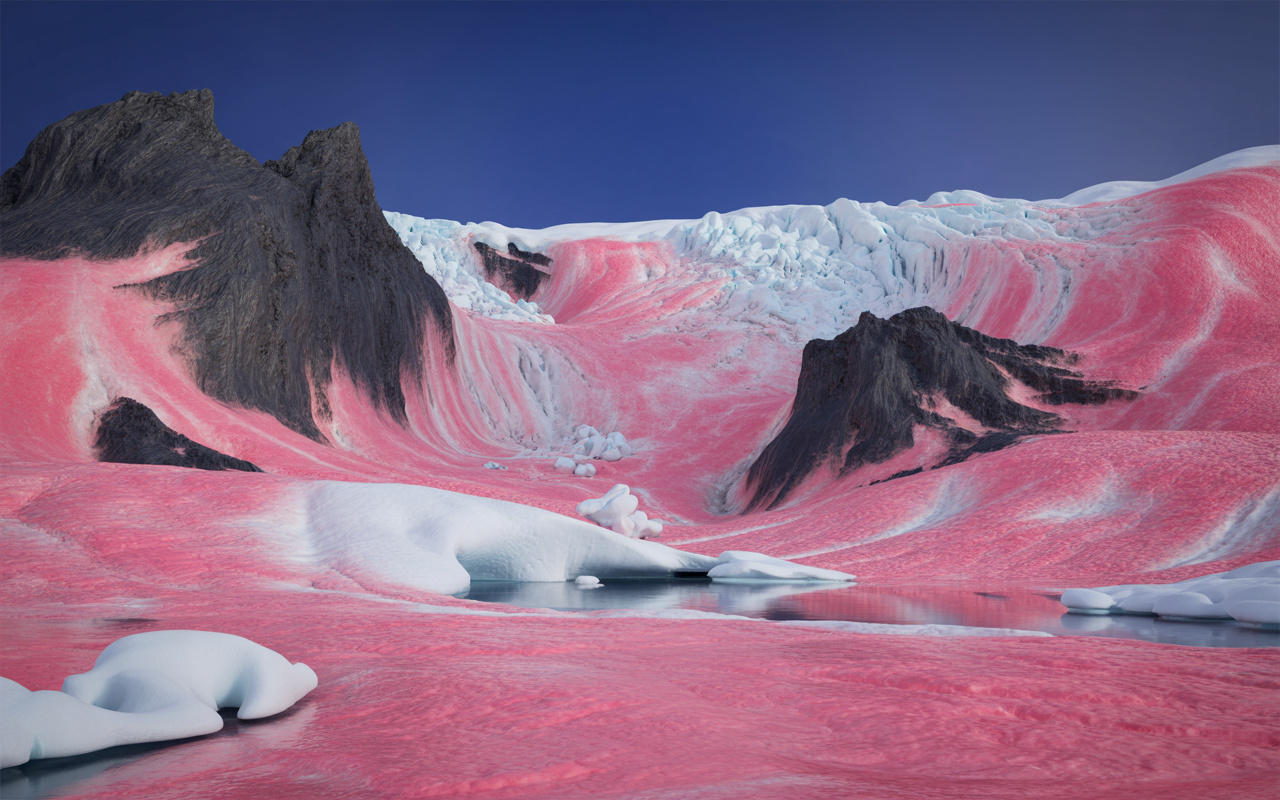
The So-Called Blood Snow Reveals How Microscopic Algae Survive Extreme Cold, Tinge Alpine Landscapes, and Influence Glacier Melting, Connecting Biology, Climate, and Ancient Global Fascinating Natural Mystery.
In different mountain ranges around the planet, a visually shocking phenomenon catches the attention of residents, tourists, and researchers: entire areas of snow cease to be white and begin to display shades of pink, salmon, or even red. At first glance, the scene seems to be the result of pollution or some type of chemical contamination. In reality, it is a natural, ancient, and scientifically well-documented process, driven by microscopic organisms capable of living in extreme conditions.
The phenomenon is known as pink snow, red snow, or watermelon snow and primarily occurs in mountainous and polar regions, where ice remains for long periods but undergoes seasonal thaw cycles.
What Transforms White Snow into Pink
The change in the color of the snow occurs due to the proliferation of cold-adapted microscopic algae, especially the species Chlamydomonas nivalis. These organisms live within the snow and ice itself, something that has puzzled scientists for decades.
-
A simple stitch in wood with nylon thread can reduce adhesives, speed up production, and make sheets up to 4 times stronger and 14 times more difficult to break.

-
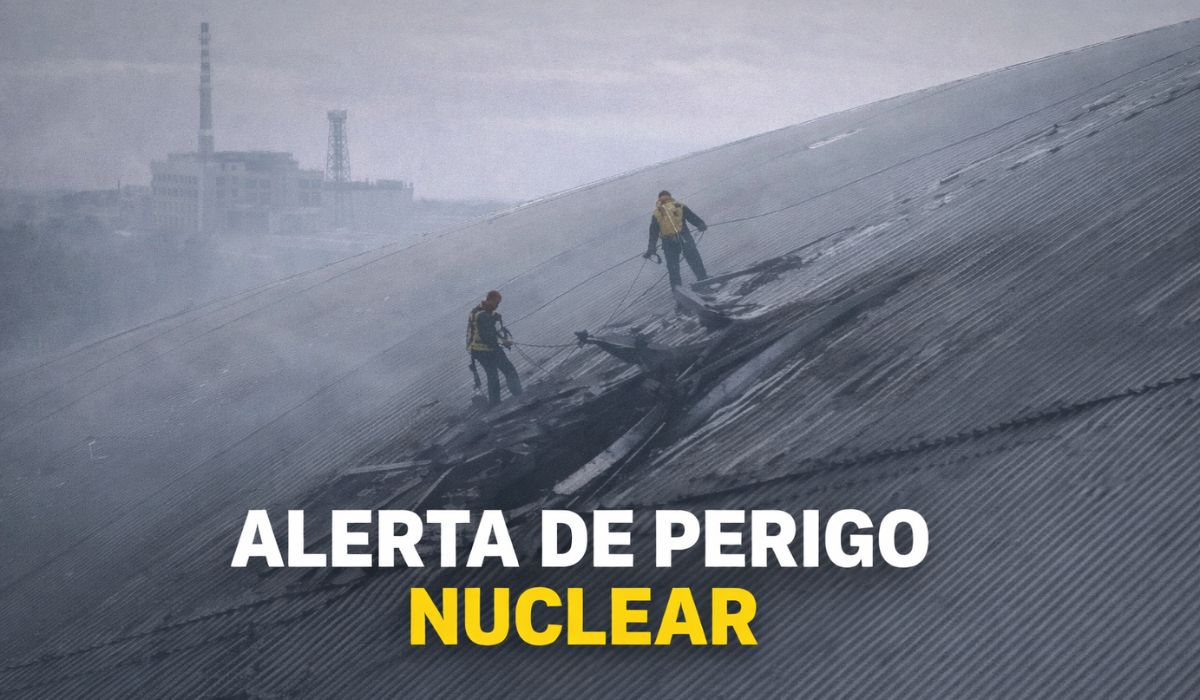
The gigantic steel shell built to contain Chernobyl for a century has been pierced by a drone, exposing a critical system and creating a hole that could cost over 500 million euros to repair.
-
Brazilian Navy reaches a new level by taking over an airport with a 1,600-meter runway used by 1,800 military personnel and autonomous attack drone testing.

-
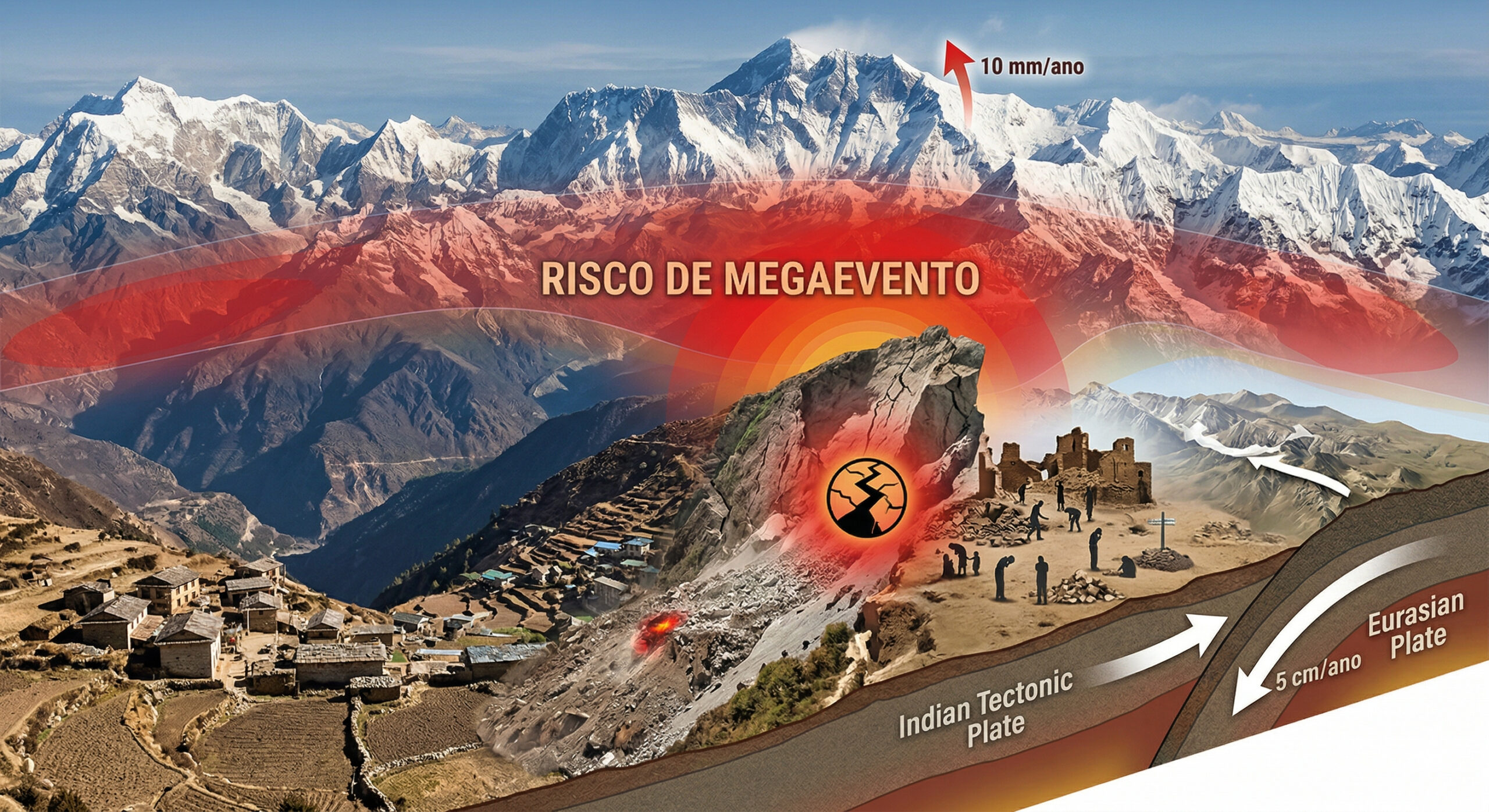
The Himalayas continue to grow to this day, with tectonic plates advancing 5 cm per year, mountains rising up to 10 mm annually, and the 2015 earthquake that killed 9,000 people may have increased the risk of an even larger seismic mega-event.

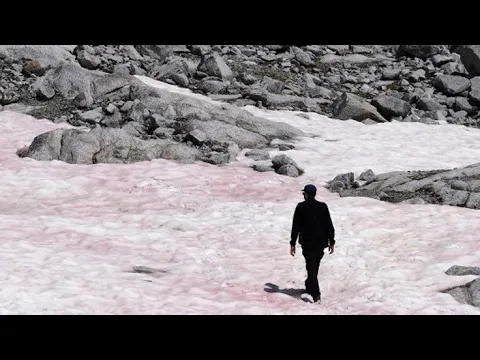

During the harshest winter, the algae remain practically dormant. When the temperature rises slightly and there is liquid water among the snow crystals, they multiply rapidly. To protect themselves from intense solar radiation at high altitudes, they produce reddish pigments rich in carotenoids. It is this pigment that gives the snow its pink coloration.
It is not paint, it is not dirt, and it is not pollution. It is microscopic life in full activity.
Where the Phenomenon Has Been Recorded
Pink snow is not rare in scientific terms, but it is still relatively unknown to the public. It has been observed and studied in locations such as the European Alps, Rocky Mountains (in the United States and Canada), Greenland, Iceland, Antarctica, and in the mountain ranges of Asia.
In some of these locations, aerial images show large expanses of snow tinged pink, creating an impressive contrast with the traditional white of the glaciers.
The Most Worrying Detail: Melting Accelerates
Besides the visual impact, pink snow draws attention for an even more relevant reason: it accelerates ice melting. This happens due to a simple yet powerful physical principle known as albedo.
White snow reflects much of the solar radiation, helping maintain lower temperatures. When the surface darkens — even slightly — it begins to absorb more heat. The algae, by coloring the snow, reduce the albedo and cause the ice to warm more quickly.
Studies show that areas with pink snow can melt significantly faster than areas of clean snow. This effect creates a worrying cycle: more melting generates more liquid water, which further fosters the proliferation of algae.
Natural Phenomenon, but Linked to Climate Change
It is important to make it clear: the algae are not caused by global warming. They have existed for thousands of years. What has changed is the scale and frequency of the phenomenon.
With longer summers and higher average temperatures, the ideal conditions for the proliferation of these algae arise more frequently. This causes pink snow to appear in larger areas and for longer periods, amplifying seasonal melting.
For this reason, the phenomenon is now studied as part of the natural feedbacks of climate change, processes that do not initiate warming but can accelerate it.
Why Pink Snow Scares Those Who See It for the First Time
For those who encounter pink snow without explanation, the impact is immediate. Many reports describe surprise, concern about contamination, and even fear that the water may be unsuitable for consumption.
In practice, the algae are not toxic to humans in small quantities, although direct ingestion of snow is never recommended. The greater impact is not sanitary, but environmental and climatic.
A Reminder That Ice Is Not a Dead Environment
For a long time, glaciers and snowfields were seen as sterile environments, practically devoid of life. Pink snow helps dismantle this idea. Even in the coldest places on the planet, there are active microscopic ecosystems capable of influencing processes on a global scale.
These algae are part of an invisible world that directly connects biology, climate, and physics.
Science, Curiosity, and Alert in a Single Phenomenon
Pink snow brings together all the elements of a phenomenon that seems impossible, but is completely real: it is visually strange, has a solid scientific explanation, and still carries important implications for the future of glaciers. It shows that, sometimes, seemingly small changes — invisible to the naked eye — can have gigantic effects on the balance of the planet.
When the snow ceases to be white, it is not just the landscape that changes. It is a sign that microscopic processes are interacting with the climate in a deep and silent way.
And you, reader: how many other natural phenomena seem impossible just because we still do not understand what happens at scales invisible to our eyes?








-

Uma pessoa reagiu a isso.