





 Portuguese
  English
  Spanish
  3 min of reading
  0 comments


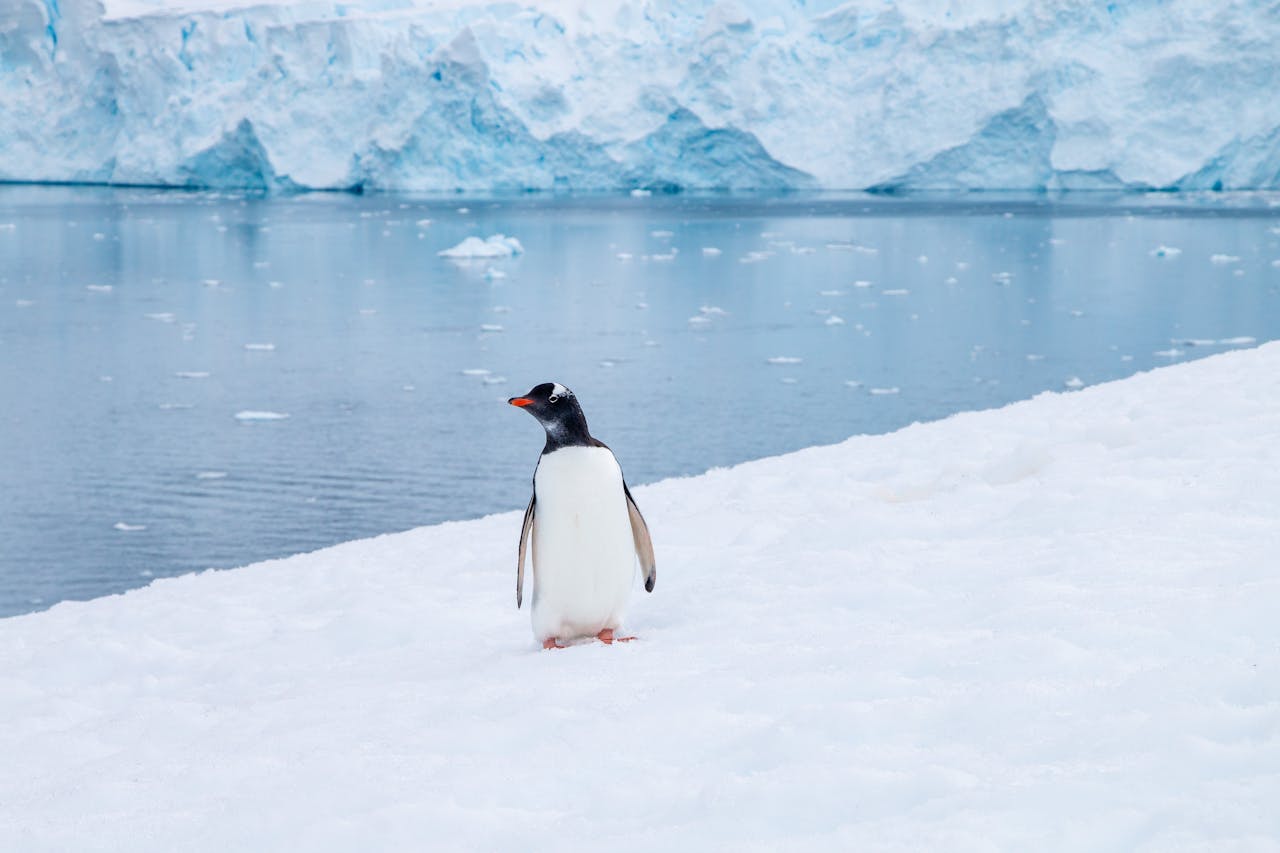
Phenomenon Known as “Glacier Blood” Turns Ice in Antarctica Pink. Scientists Worry About Environmental Impact. See What Causes It and Why It Is Concerning
In the white and silent landscape of Antarctica, a different color is drawing attention. The snow, which was once completely white, now appears tinged pink in many regions. The change is not just visual: it may be linked to the accelerated melting of ice on the planet.
What Causes Pink Snow in Antarctica
This phenomenon is caused by a microscopic alga called Chlamydomonas nivalis. Although they are green, these algae produce reddish pigments to protect themselves from ultraviolet radiation and absorb more heat.
The result is a pinkish coloration in the snow, reminiscent of watermelon shades. Hence, the phenomenon has also earned nicknames like “pink snow,” “glacial blood,” and “watermelon snow.”
-
Archaeologists find an intact tomb over 2,500 years old, with more than 100 preserved objects, weapons, jewelry, and human remains never touched.

-
Volcanic lava transforms into threads as fine as human hair that travel over 30 kilometers by wind and fall like cutting rain on roofs and backyards in Hawaii and Iceland.

-
NASA issues a warning for the feared Godzilla El Niño that could change the planet’s climate in 2026 with extreme warming of the Pacific capable of causing devastating droughts in some regions and historic floods in others simultaneously.

-
Archaeologists discover a 100-meter ship graveyard in a submerged Greek city, and what has appeared on the seabed of Libya could change what was known about this ancient port.


During the summer in Antarctica, when temperatures rise and the ice begins to melt, the algae multiply rapidly. And that is when the problem begins.
As they grow, they darken the surface of the snow, which begins to reflect less sunlight and absorb more heat. This process decreases the so-called “albedo” of the snow.

Less Reflection, More Heat, More Melting
With less albedo, more heat is retained. This accelerates the melting of the ice. According to José Ignacio García from the University of the Basque Country, “pink snow is a phenomenon that seems to be increasing, perhaps due to rising temperatures, and has global consequences because it alters the albedo of snow.”
This effect creates a dangerous cycle. Global warming favors the growth of algae. The algae darken the snow and increase heat. The heat melts more ice, creating even more water. This water serves as an ideal environment for more algae to grow. And the cycle continues.
In Antarctica, millions of tons of snow melt every summer due to this process. But the phenomenon is not limited to the South Pole. It has also been observed in the Arctic and the Alps.
Research indicates that these algae can reduce albedo by up to 13% during the melting season. This directly contributes to the warming of the planet.
Research Reveals Global Extent
A recent study from Simon Fraser University in Canada analyzed satellite images taken between 2019 and 2022. The scientists found that algae cover about 5% of glaciers in the northwestern United States.
In some areas, this coverage reaches 65%. Researchers warn that the darkening of snow caused by these algae plays a direct role in increasing solar radiation absorption, accelerating melting.
This curious phenomenon is not new. The philosopher Aristotle had already recorded the existence of colored snow over 2,300 years ago. However, it was only in the 19th century that scientists identified Chlamydomonas nivalis as the cause of the coloration.
The Pink Snow Phenomenon: Monitoring and Warning Signs
Today, the scientific community seeks to better understand what is happening. One of the most important projects is ALPALGA, which brings together biologists, ecologists, and glaciologists. They study how these algae live in such extreme conditions and how climate changes affect their growth.
In addition to the algae, other factors can also color the snow. In the Southern Alps, during the summers of 2019 and 2020, a reddish hue appeared for another reason: storms in the Tasman Sea released red dust that settled on the snow. This dust also reduced albedo, aiding in melting.
The proliferation of algae in the snow raises a warning sign. What today seems like an isolated phenomenon may become increasingly common with the advance of climate change. Pink snow, which once drew attention for its color, now worries for its effects on the planet.
Researchers continue to monitor these changes. The latest data indicates that understanding the relationship between algae, snow, and climate is essential for predicting the future of ice in the coldest regions of the Earth.
With information from Tempo.







Seja o primeiro a reagir!