





 Portuguese
  English
  Spanish
  6 min of reading
  0 comments


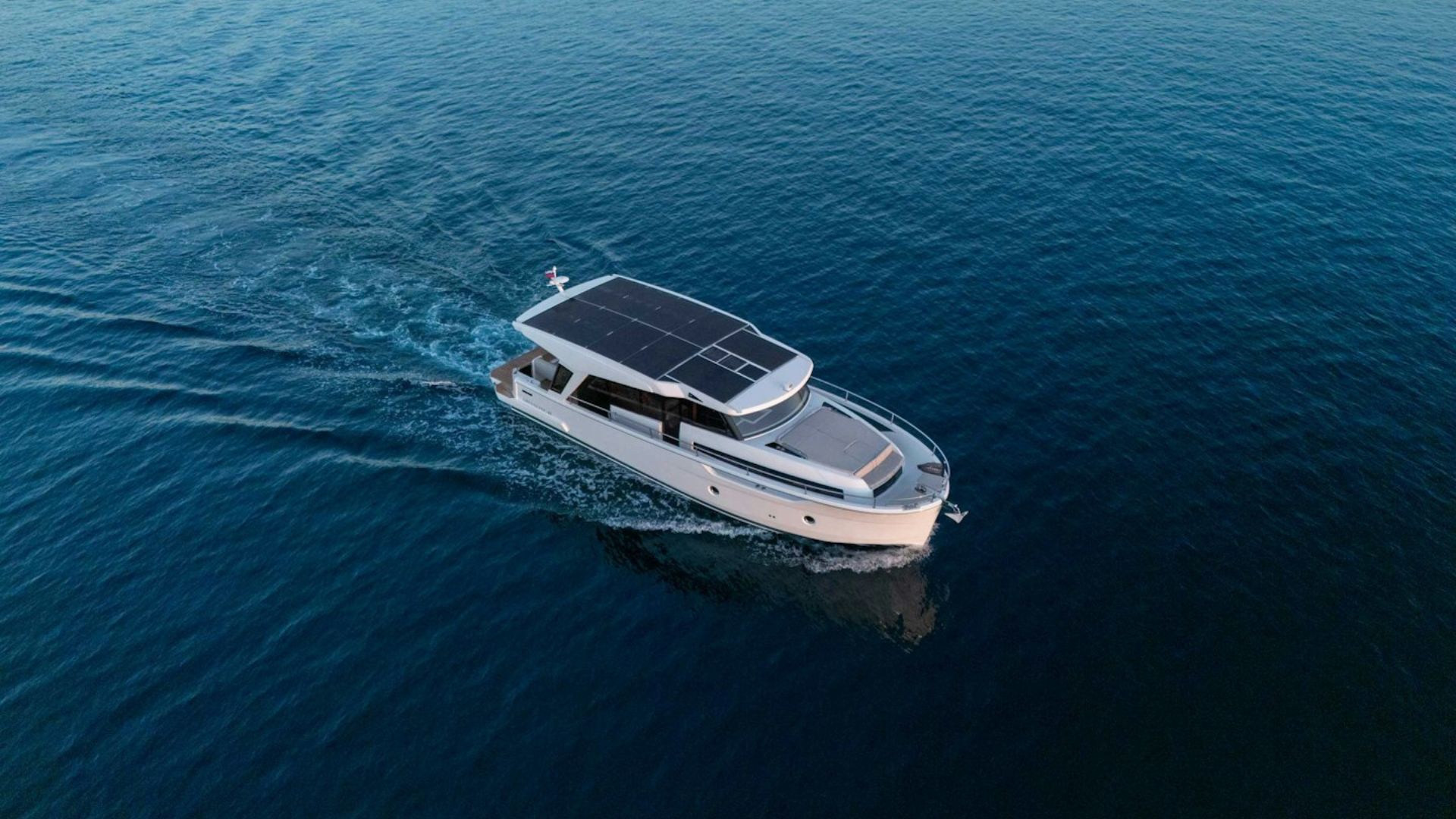
Discover how Greenline Yachts revolutionizes the industry with the Greenline 42, a new boat that combines hybrid technology and solar energy to offer more autonomy at sea and energy efficiency.
The new boat from Greenline Yachts arrives on the market with a clear proposal: to change the way vessels handle energy consumption and autonomy at sea. The Greenline 42 model combines hybrid technology and solar energy in an integrated manner, offering a solution that reduces dependence on fossil fuels and improves energy efficiency.
Right from the start, the main highlight is autonomy. The vessel has been designed to operate for long periods using clean sources, something that becomes increasingly relevant in a global scenario of environmental concern. At the same time, this approach also reduces operational costs, which directly impacts the owner’s wallet.
According to an article from Náutica, the proposal of the new boat goes beyond technical innovation. It delivers a quieter, more comfortable experience aligned with the new demands of the nautical market. With this, Greenline Yachts reinforces its position as a prominent company when it comes to sustainability applied to navigation.
-
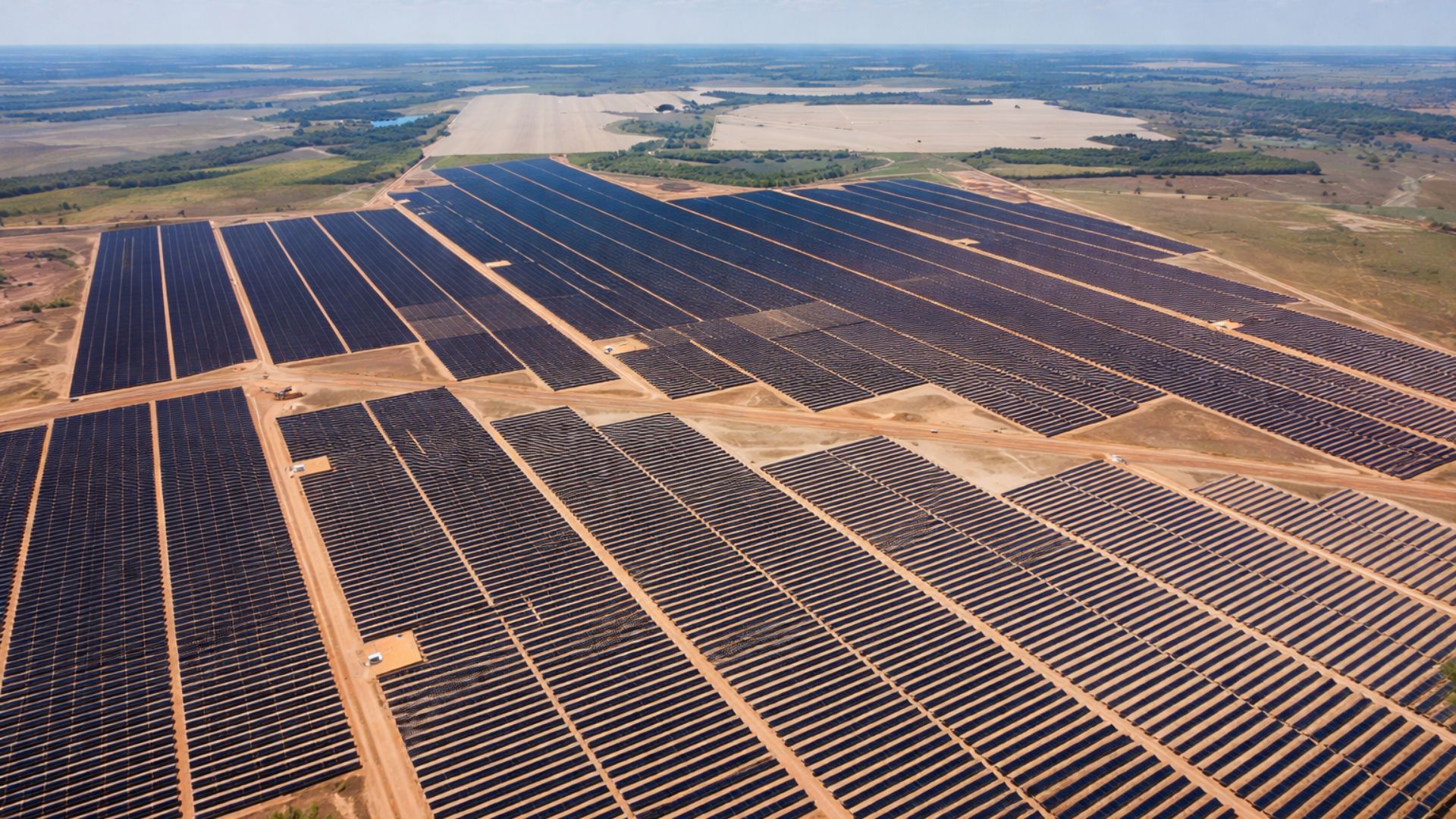
Solar energy gains strength with the Barro Alto solar complex, which increases renewable energy production in Brazil, creates jobs, strengthens the clean matrix, and transforms the electric sector with innovation and sustainability.
-
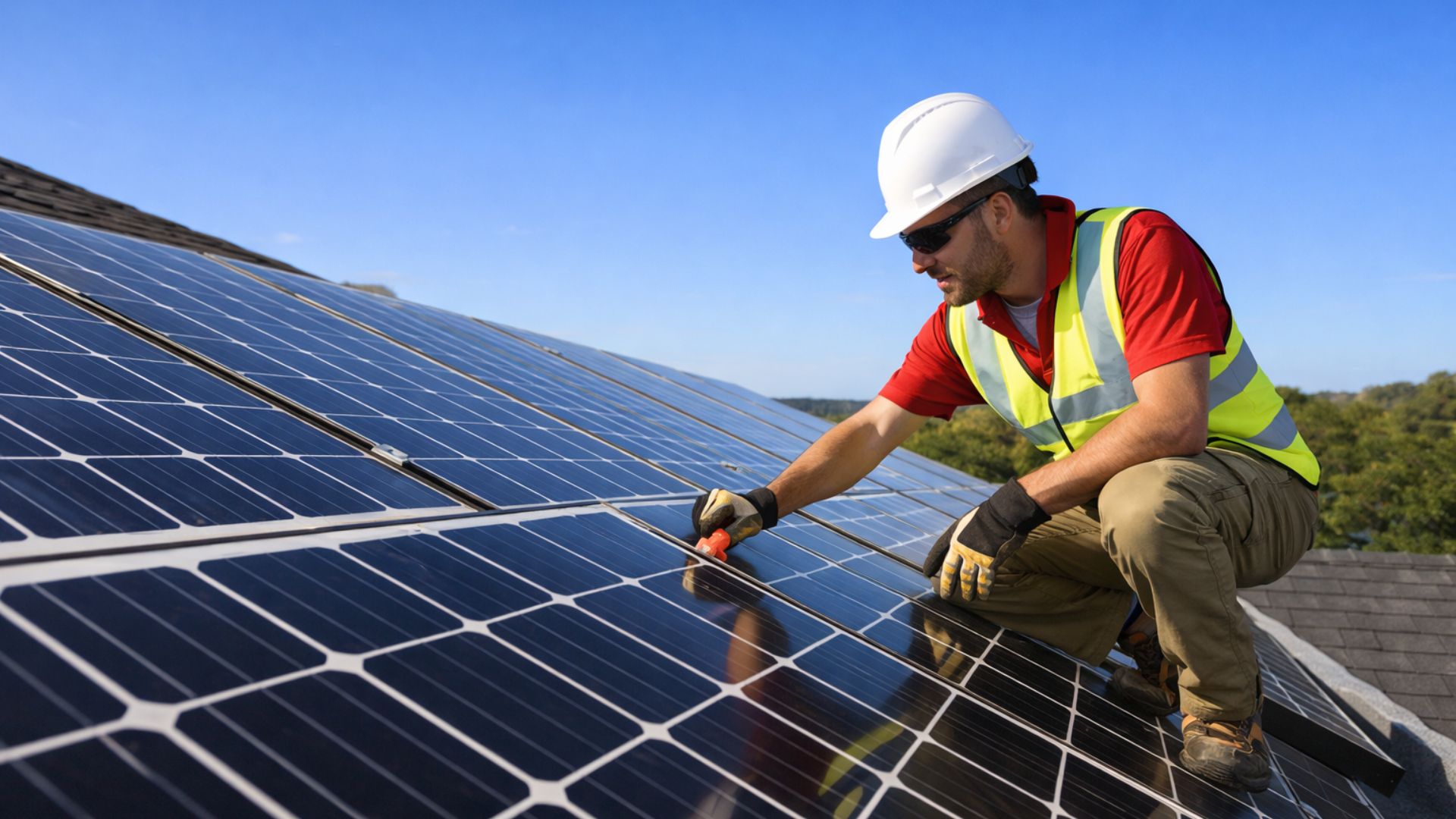
Seagri’s headquarters invests in solar energy with Neoenergia Coelba and promises to cut electricity costs, highlighting a strategic advance in sustainability and energy efficiency within state public administration.
-
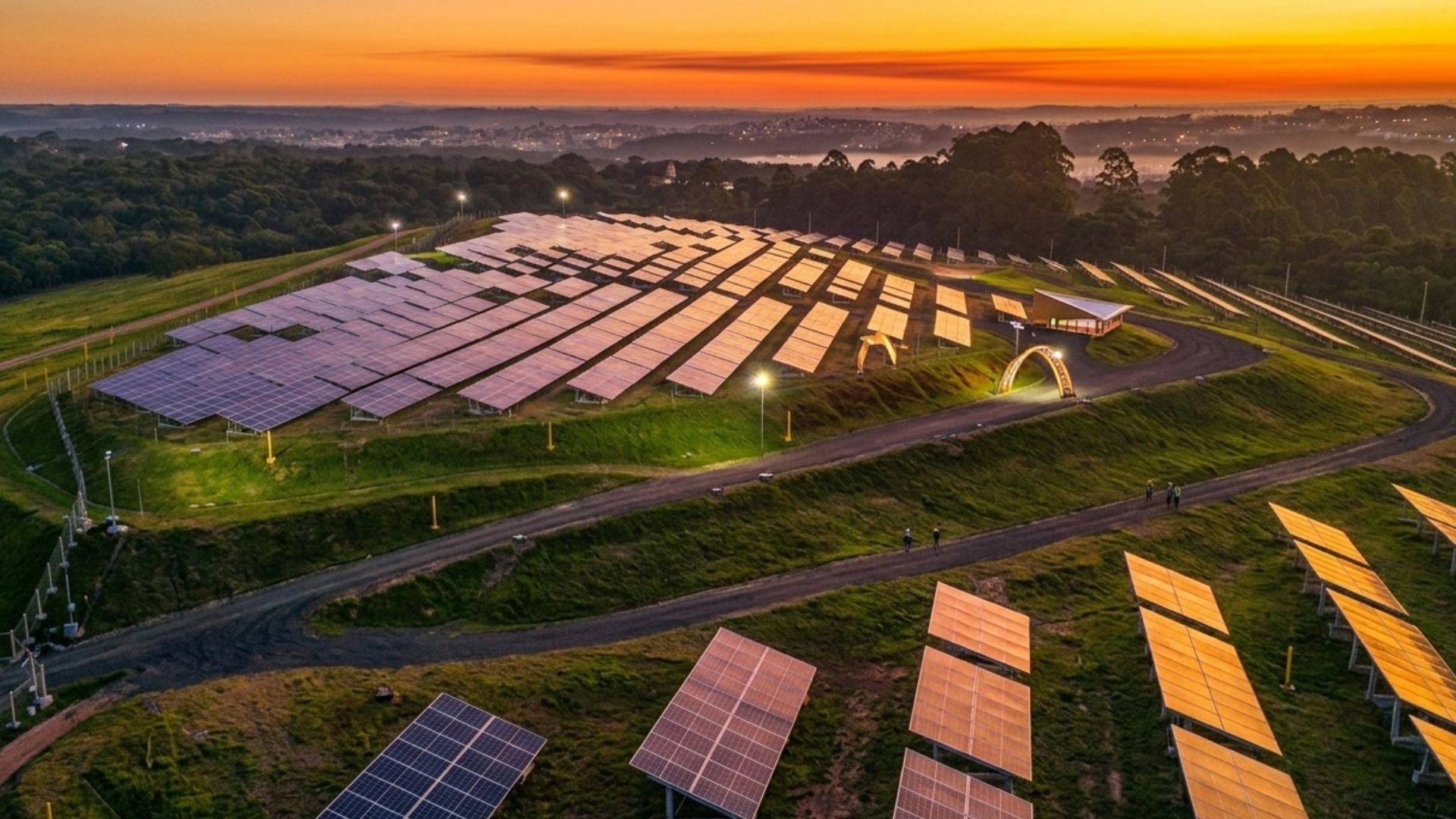
Solar Pyramid draws attention by converting solar energy into million-dollar savings and repositioning the City Hall of Curitiba as an example of innovation, sustainability, and intelligent use of public resources.
-
Europe records strong euro economy with solar energy in March and sparks curiosity about which country leads growth that redefines the energy market and reduces costs.

Hybrid technology redefines efficiency and performance in the Greenline 42
The hybrid technology system is the heart of the Greenline 42. The vessel uses two Yanmar 4LV250 engines combined with an intelligent module that acts both as a generator and as an electric motor.
This system operates in two main ways:
- As a high-efficiency generator, quickly recharging the batteries during diesel engine use
- As an independent electric motor, allowing for silent navigation with zero emissions
In practice, this offers flexibility to the user. On longer trips, the diesel engine ensures performance. For short trips or maneuvers, the electric mode provides silence and savings.
The new boat stands out by eliminating the need for a separate diesel generator. This reduces weight, maintenance, and system complexity. Additionally, it improves the overall efficiency of the vessel, one of the most valued points today.
The hybrid technology applied by Greenline Yachts in the Greenline 42 represents a consistent advancement, especially by integrating energy generation and consumption into a single intelligent system.
Solar energy in the Greenline 42 increases autonomy and reduces daily consumption
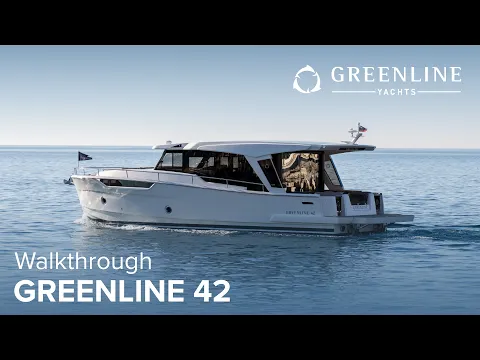
Another central point of the new boat is the expanded use of solar energy. The Greenline 42 shows a significant evolution compared to previous models of the brand.
The solar generation capacity has increased from 1.6 kW to 4.3 kW installed on the roof of the vessel. On a typical summer day, this system can generate about 22 kW of energy.
This number becomes even more relevant when compared to the average consumption on board. A family of four, which is the maximum overnight capacity for the model, consumes approximately 26 kW per day, already considering the use of air conditioning.
In practice, this means that solar energy can meet almost all the daily demand of the vessel. This balance between generation and consumption is one of the main factors that make the new boat a milestone within the industry.
Among the main benefits of this system, the following stand out:
- Significant reduction in diesel use
- Greater anchorage autonomy
- Lower environmental impact
- Decrease in operational costs
Greenline Yachts bets on solar energy as a central element of the project, and the Greenline 42 shows that this technology is already viable in real applications.

Lithium batteries increase efficiency and prolong system lifespan
The efficiency of the new boat is also directly linked to the use of lithium batteries. This type of technology allows for more energy storage in less space and with less weight, something essential in vessels.
While lead-acid batteries last between two and four years, the lithium batteries used in the Greenline 42 have an estimated lifespan of 15 to 20 years. This difference reduces the need for frequent replacements and decreases environmental impact.
Another important point is the speed of recharging. The batteries can be charged quickly, either by the diesel engine or by solar energy, ensuring a constant availability of power.
This allows the new boat to keep systems like air conditioning running throughout the night without the need for an active diesel generator. The result is more comfort and less noise.
The combination of efficient batteries, hybrid technology, and solar energy reinforces Greenline Yachts‘ position as a reference in sustainable solutions.

Silent navigation transforms the experience on board
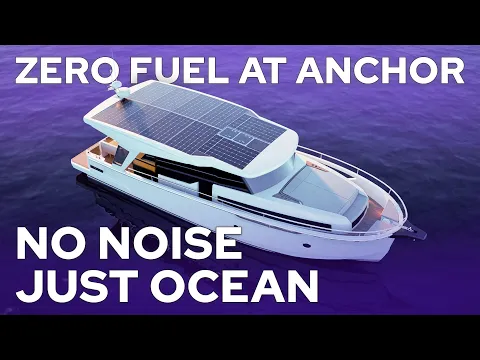
One of the most noticeable aspects of the new boat is the silent navigation. In electric mode, the Greenline 42 operates without emissions and virtually without noise, creating a completely different experience at sea.
At about 5 knots, the vessel achieves an autonomy of approximately 20 nautical miles in electric mode. This performance is ideal for short trips, maneuvers, and anchoring changes.
However, it is important to consider that consumption is exponential. As speed increases to 6.5 knots, autonomy decreases more sharply, requiring planning from the user.
Even so, the benefits are clear:
- Reduction of noise and vibration
- Elimination of fuel odors
- Greater comfort during navigation
- Lower environmental impact
The hybrid technology applied by Greenline Yachts in the Greenline 42 transforms the navigation experience, making it more enjoyable and efficient.
Smart design enhances comfort and functionality in the new boat
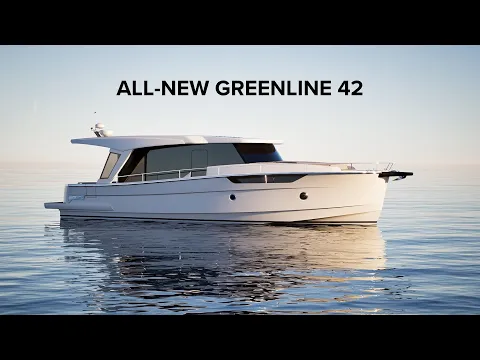
In addition to advanced engineering, the new boat also stands out for its design. The interior of the Greenline 42 was designed by architect Marco Casali, focusing on practical and comfortable use.
The main deck adopts an open concept, integrating kitchen, living room, and command post. This configuration expands space and facilitates interaction among occupants.
The vessel has been designed to comfortably accommodate up to four people. On the lower deck, the cabins are located, including a master cabin at the bow and another with two single beds.
The exterior area also offers versatility:
- Sunbathing area at the bow with spacious upholstery
- Sidewalks that facilitate circulation
- Stern with layout options, including open area or with table and benches
This attention to design reinforces Greenline Yachts‘ proposal to unite technology, comfort, and practicality in a single vessel.
Greenline Yachts consolidates new boat as a reference in sustainable innovation
The arrival of the Greenline 42 reinforces a growing trend in the nautical sector: the search for more efficient and sustainable solutions. The new boat shows that it is possible to reduce consumption, increase autonomy, and improve the onboard experience at the same time.
By integrating hybrid technology and solar energy, Greenline Yachts delivers a complete solution that meets both current needs and future market demands.
The model stands out by offering concrete benefits:
- Less dependence on fossil fuels
- Reduction of operational costs
- Greater autonomy at sea
- A quieter navigation experience
More than a technological advancement, the new boat represents a change in mindset within the industry. The Greenline 42 not only keeps pace with this transformation but helps to drive it. This movement indicates a clear path for the future of navigation, where energy efficiency and sustainability cease to be differentiators and become essential requirements.






Seja o primeiro a reagir!