





 Portuguese
  English
  Spanish
  3 min of reading
  0 comments


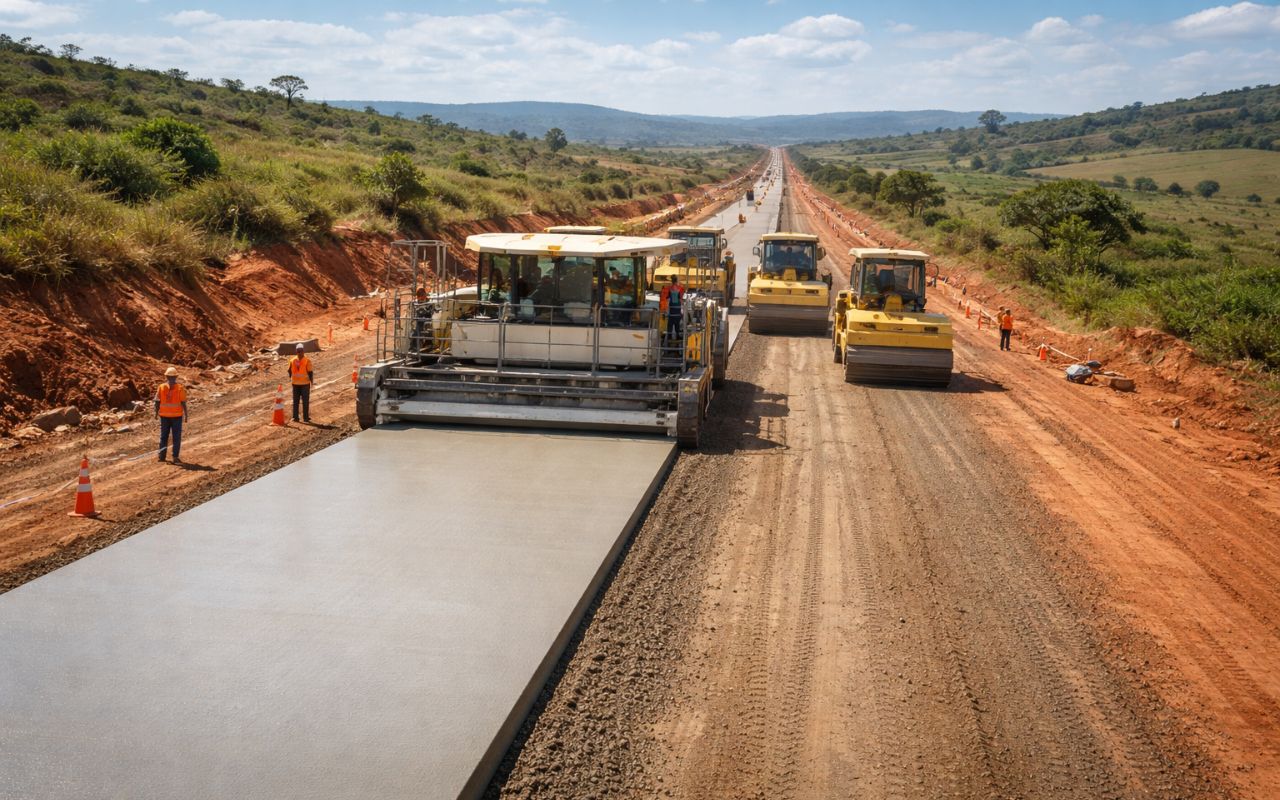
Pavement technology with compacted concrete promises greater durability, less maintenance, and more sustainability on roads.
The search for more durable solutions for Brazilian highways drives the use of a new pavement technology. Compacted Concrete with Roller (CCR) emerges as an alternative to traditional asphalt, offering a lifespan of over 20 years and potentially lasting up to three times longer.
The innovation is already applied in other countries and is now being adapted to Brazil. Companies like InterCement Brazil have been studying its application since 2024, considering technical, climatic, and economic factors.
Moreover, the proposal meets the need to reduce costs and improve the quality of roads in the country.
-
Made from recycled plastic, plastic wood is gaining space in the construction industry because it does not rot, resists moisture, and reduces maintenance costs over the years.

-
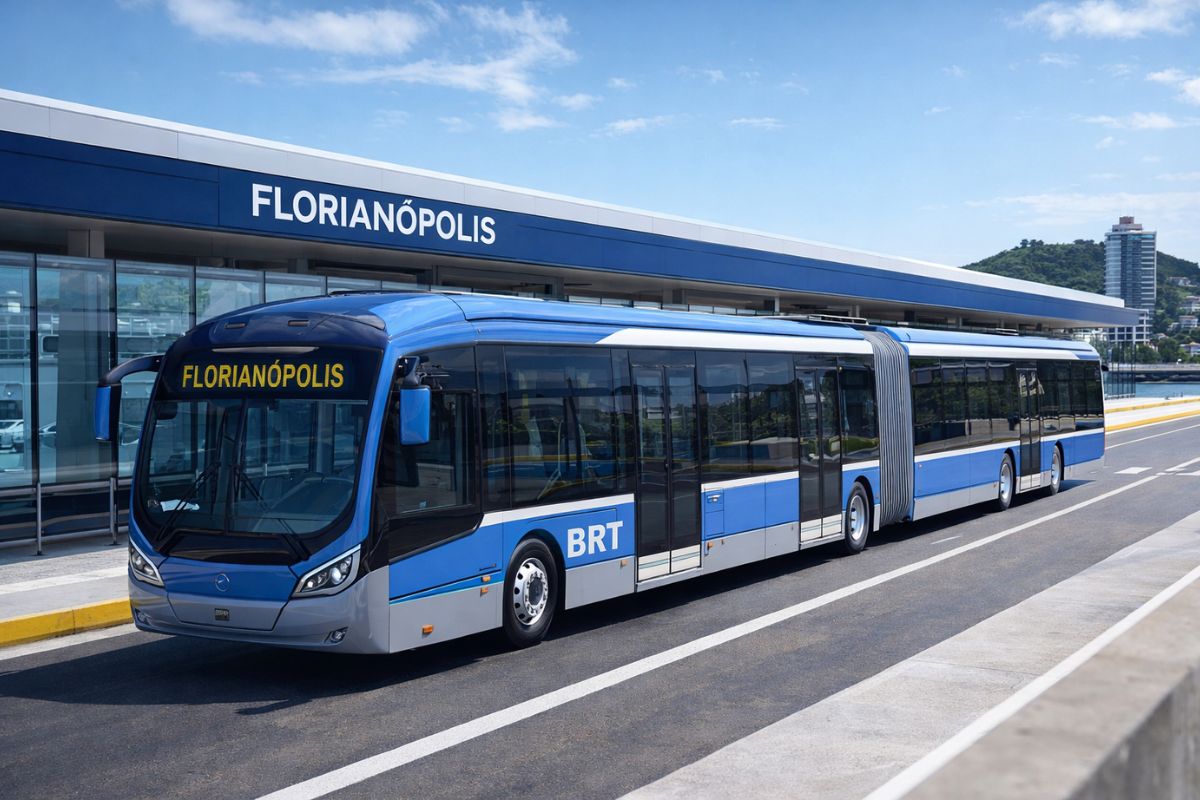
Florianópolis will receive a million-dollar BRT that will begin construction in 2026 with nearly 400 million in funding from the federal government and the Inter-American Development Bank, and the map already shows the routes for the exclusive bus corridors.
-
Without a blueprint, without an engineer, and using scrap from the dump, a father spends 15 years building an 18-room castle for his daughter, featuring tram tracks, 13 fireplaces, and over 700 m², which may now be demolished.

-
A megaproject worth R$ 89 billion is advancing in Iraq and promises to change the game in global trade by creating a new corridor between Asia and Europe, reducing traditional routes and repositioning the country as a logistics powerhouse.


Pavement technology reduces maintenance and improves performance
One of the main benefits of the pavement technology with CCR is the reduced need for maintenance. Since the material is more resistant, there are fewer interventions over time.
Additionally, the rigid pavement distributes vehicle weight better. This prevents deformations such as wheel ruts, common on highways with heavy traffic.
Another important point is the heat resistance, which prevents damage caused by high temperatures.
How does the pavement technology with compacted concrete work?
The pavement technology with CCR uses a low-flow concrete, applied directly to the road and compacted with roller compactors.
Unlike traditional concrete, there is no need for forms, which simplifies the construction process. As a result, the work becomes faster and more efficient.
Moreover, the pavement quickly reaches the necessary strength to support traffic.
“The compaction technique makes the concrete denser and more resistant from the start, allowing traffic to be released to vehicles in a shorter timeframe. Since the material has low flow, its load-bearing capacity is greater and it quickly reaches the necessary strength for use,” emphasized Adriano Gamallo, Strategy Manager of the Technical Channel, to CNN.
Pavement technology accelerates works and reduces operational costs
The pavement technology also stands out for its speed in execution. As it dispenses with complex steps, the construction time is reduced.
Additionally, there are savings on materials and labor, as the process is more straightforward.

This makes CCR a competitive solution compared to asphalt. Therefore, the technology contributes to optimizing investments in infrastructure.
Another relevant aspect of the pavement technology is the environmental impact. The reduced use of petroleum derivatives already represents an important advantage.
Furthermore, concrete absorbs carbon dioxide (CO₂) over time through a process called carbonation.
“Concrete allows for the absorption of CO₂ over time, contributing to the reduction of the project’s carbon footprint,” adds Gamallo.
This process occurs when the material comes into contact with air, helping to capture carbon from the atmosphere.
To further increase durability, the pavement technology can include reinforcements with polymeric, metallic, or aramid fibers.
These materials improve the structural resistance of the pavement. Additionally, they make the solution more efficient under adverse conditions.
Thus, CCR consolidates itself as a robust alternative for different types of roads.
Novelty can transform infrastructure in the country
The adoption of pavement technology with CCR can represent a significant advancement in Brazilian infrastructure.
With greater durability, lower cost, and reduced environmental impact, the solution meets the main demands of the sector.
Moreover, faster works minimize disruptions for the population and improve urban mobility.
Even still expanding, the technology is already emerging as one of the main bets for the future of highways in Brazil.
Source: CNN










Seja o primeiro a reagir!