





 Portuguese
  English
  Spanish
  2 min of reading
  0 comments


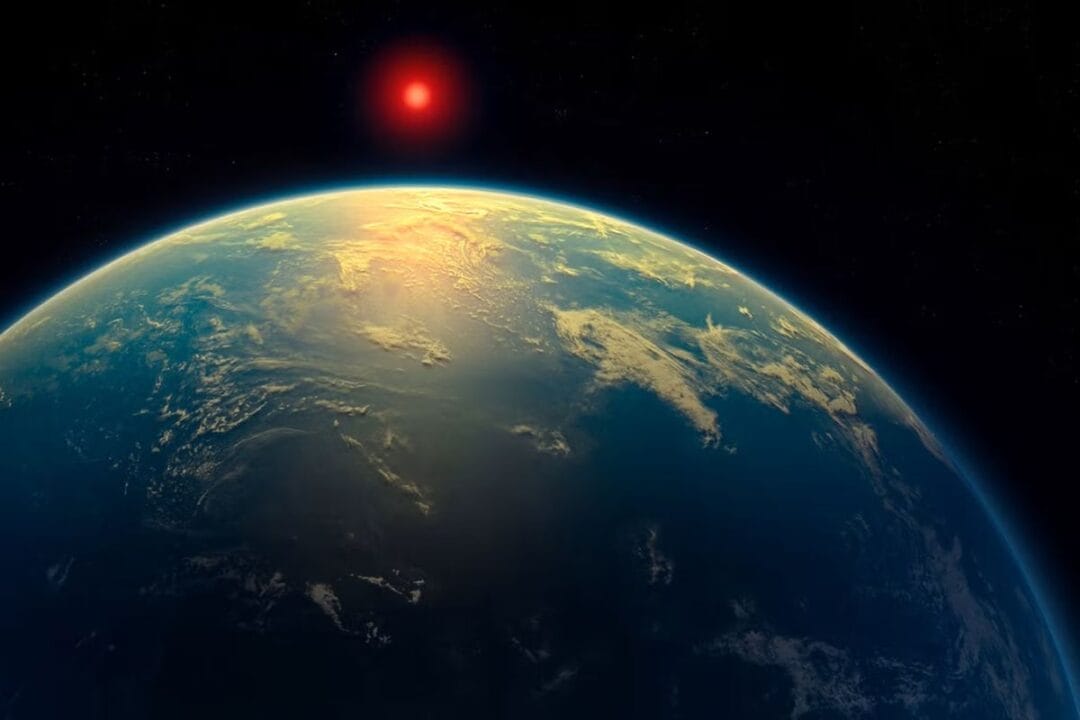
James Webb Telescope Identifies Rare Organic Compounds in the Atmosphere of Planet with Global Ocean
A new discovery made by scientists from Cambridge detected signs of possible biosignatures in the atmosphere of the exoplanet K2-18b. The data were obtained by the James Webb Space Telescope and may indicate biological activity beyond Earth.
New Discovery on Exoplanet K2-18b Could Change the Course of Astrobiology
The team led by astrophysicist Nikku Madhusudhan from the University of Cambridge made a new discovery with historic potential. For the first time, compounds such as dimethyl sulfide (DMS) and dimethyl disulfide (DMDS) were identified in the atmosphere of a planet outside the Solar System. These compounds are exclusively produced by living organisms such as marine phytoplankton on Earth.
The observations were made using the James Webb Space Telescope (JWST), aimed at the exoplanet K2-18b, located in the constellation Leo, 124 light-years from Earth. The planet is classified as “Hycean”, with a global ocean and hydrogen-rich atmosphere, orbiting its star every 33 days.
-
Mercado Livre has started selling medications in Brazil with delivery in up to 3 hours, and the project that launches in São Paulo may expand to the entire country, transforming the way millions of Brazilians buy medicines.

-
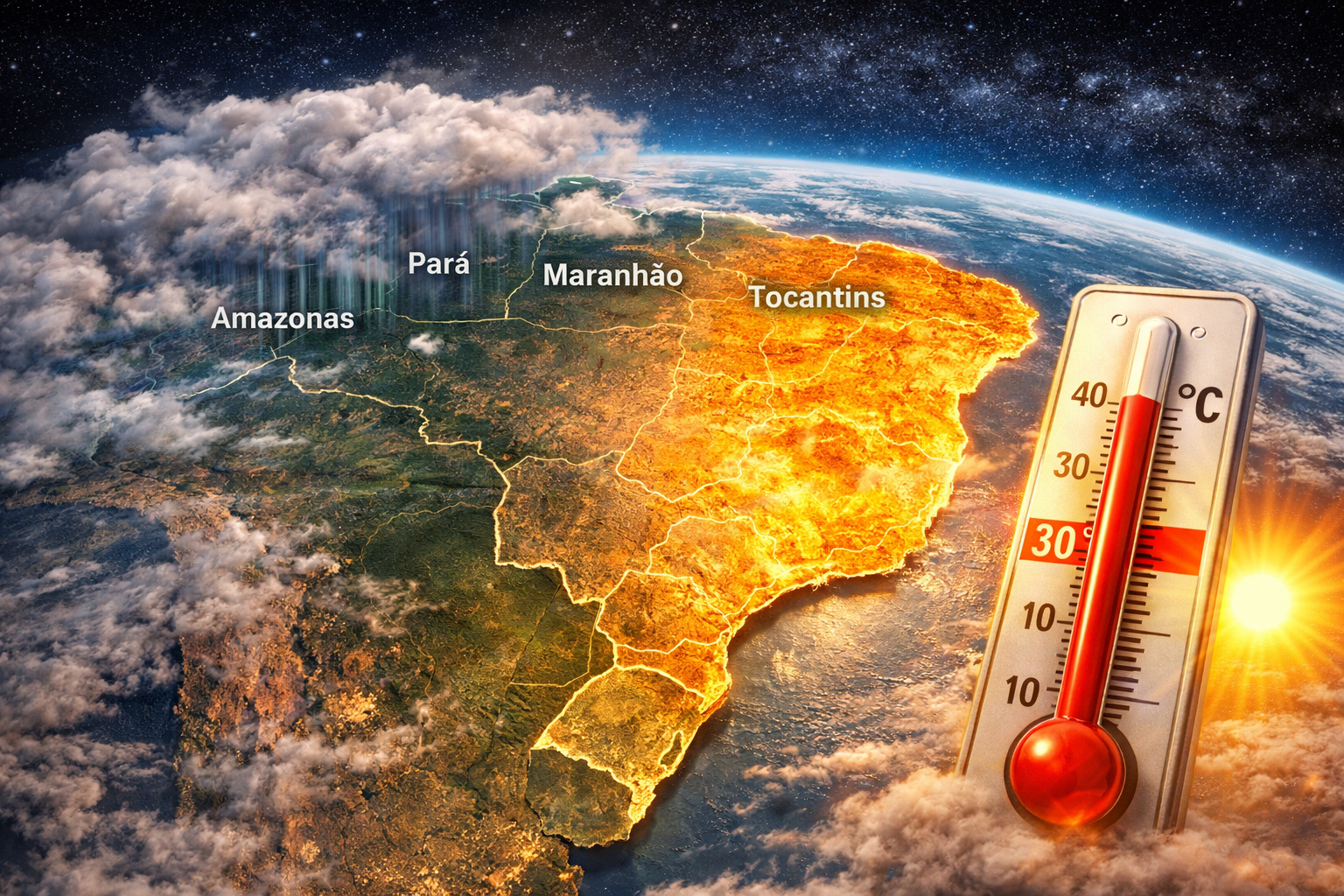
While the South begins April with sun and heat, a change in the weather already has a defined scenario in Brazil, and forecasts indicate heavy rain in the North and a sharp drop in temperature in the coming days.
-
Elon Musk wants to place humanoid robots in roles currently occupied by people, leading alongside giants like Amazon, Nvidia, and Figure in a race to replace human labor with machines, and advocates for a future where working would cease to be an obligation and become a choice.

-
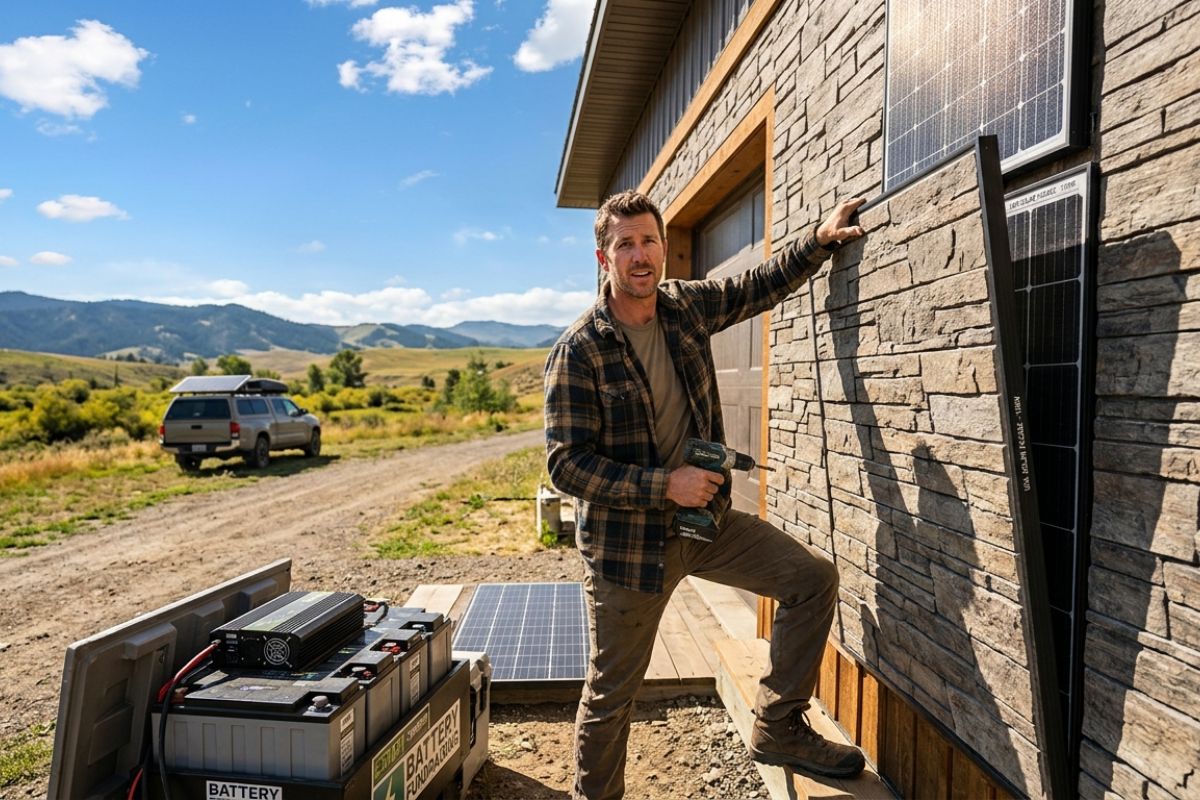
A US company creates a facade that looks like stone or wood but generates energy: “invisible” solar panels for walls, easy installation, up to 130 W, and an off-grid YouTuber showcases it and raises funds for a battery.

New Discovery Does Not Confirm Life, But Opens a New Path
The new discovery shows a statistical significance of 3σ, which represents a 99.7% chance that the signals of DMS and DMDS are real. Nonetheless, researchers caution that the existence of life cannot yet be confirmed, as the certainty margin for a definitive confirmation needs to reach 5σ.
There is also the possibility that the detected compounds have a non-biological origin. Therefore, further observations from the JWST will be conducted in the coming years to reinforce or refute the results.
Importance of Planets in the Habitable Zone
K2-18b is 8.6 times more massive and 2.6 times larger than Earth. Its position in the so-called “habitable zone” indicates that liquid water may exist on its surface. This new discovery reinforces the importance of studying exoplanets with these characteristics, which present theoretical conditions to host life.
If confirmed, this will be the first time that biosignatures are detected in the atmosphere of an exoplanet with potential to support living organisms. This advancement also demonstrates the power of the JWST as a tool in the search for extraterrestrial life.





-

-

-

5 pessoas reagiram a isso.