





 Portuguese
  English
  Spanish
  3 min of reading
  3 comments


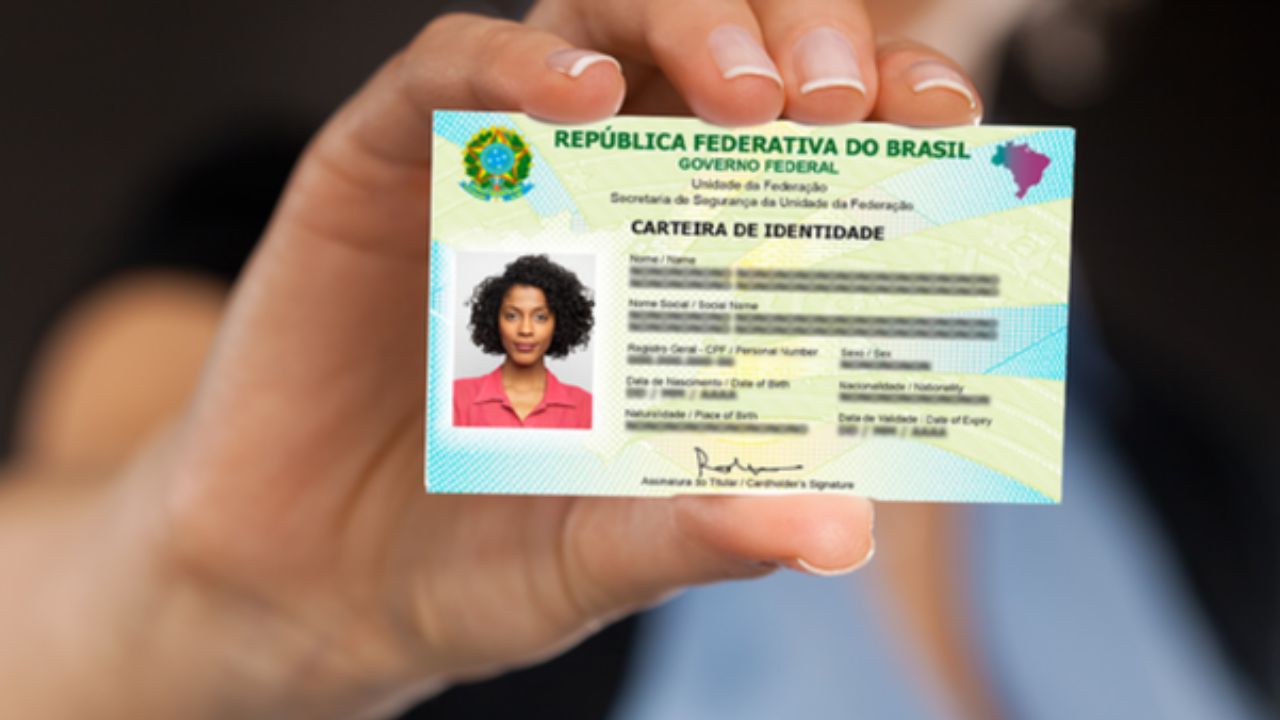


The New Identity Card Is Now Available Nationwide and Offers More Security Against Fraud. Find Out How to Request It, Which Documents to Bring, and What the Main Advantages of the New Model Are.
The issuance of the new identity card is already a reality in several Brazilian states. With cutting-edge technology and digital features, the document comes to replace the old version and provide more security, convenience, and data integration, but it still raises questions about how to request it.
In addition to facilitating access to public and private services, the new card also reduces the risk of fraud and ensures more convenience for citizens.
Main Benefits of the New Model
The new digital identity represents a significant advance in the identification process of Brazilians. Among the most relevant features are:
-
China alone accounts for 70% of trade within the BRICS, while Brazil establishes itself as an essential supplier of food and minerals: understand how the group, which already represents nearly 40% of the world’s GDP, is changing the game.

-
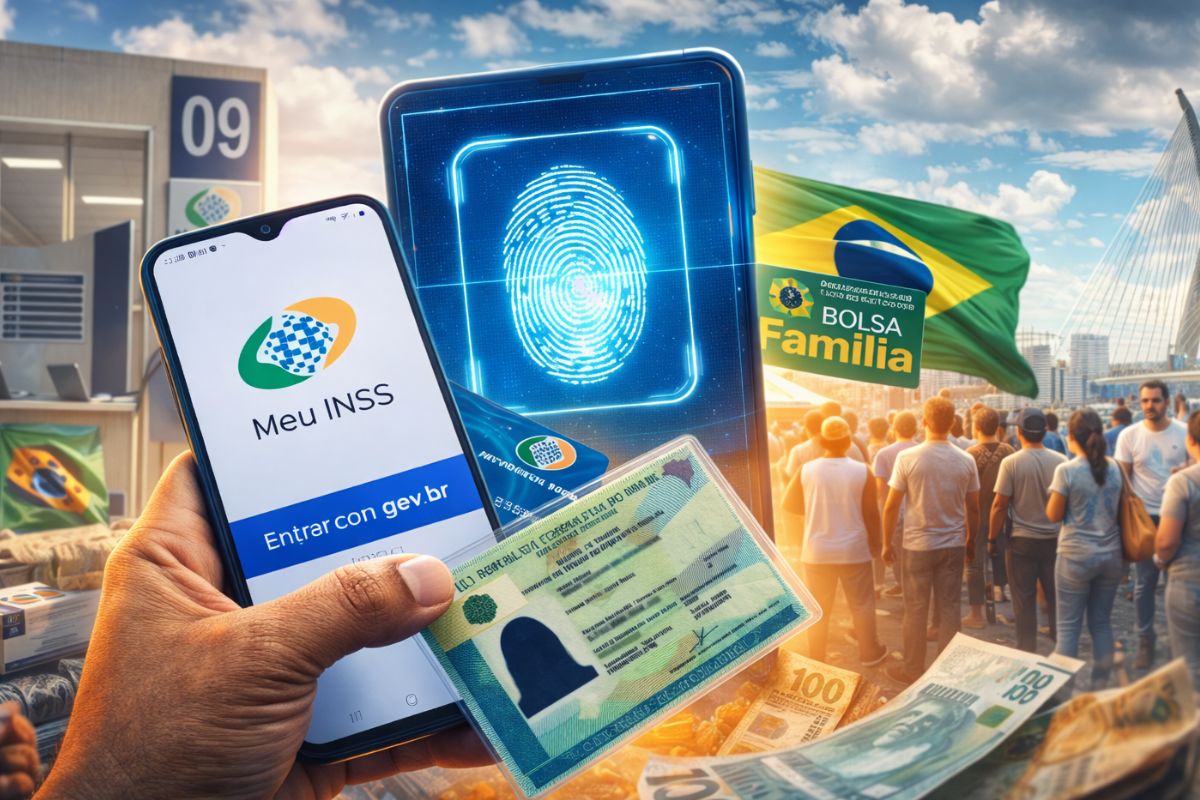
Starting in May, those who do not have registered biometrics will not be able to apply for Bolsa Família, sickness benefits, or unemployment insurance: understand the new rule that changes access to benefits for millions of Brazilians.
-
A new law being voted on in Brazil proposes a minimum fare of R$ 10 per trip and R$ 2.50 per kilometer for Uber and 99 drivers, and promises to ensure they earn as well as taxi drivers did during the golden age of taxis in the country.
-
Bauer Group collapses after failed judicial recovery: 25 years, 800 vehicles, and a network of gas stations leave a debt of R$ 50 million and 100 layoffs, exposing costs, tight margins, and expensive credit in Brazil.


QR code for quick authentication and fraud prevention.
Integration of information, eliminating the need for multiple documents.
Inclusion of biometric data, allowing for accurate and secure identification.
These changes make the document more reliable and simplify the lives of those who need to prove their identity in various everyday situations.
How to Request the New Identity Card
The issuance process has been designed to be quick and accessible. To secure yours, just follow a few steps:
Find an authorized service center: check the unit responsible for issuance in your city or state.
Gather the required documents: bring your current ID or another official photo document, in addition to your CPF, birth or marriage certificate, and an updated proof of residence.
Make a prior appointment: in locations with high demand, it’s possible to schedule online, which helps avoid lines and speeds up the collection.
Complete the appointment at the center: after data collection, the information is registered in an integrated national system.
How the Digitized System Works
The modernization of the process ensures speed and cybersecurity.
After registration, citizens’ data is stored in a unique database accessible by public agencies nationwide.
This allows for quicker and safer inquiries, as well as reducing the risk of document fraud.
Required Documents for Requesting
To request the new identity card, citizens must present:
- Official photo identification;
- CPF, if not already linked;
- Birth or marriage certificate;
- Recent proof of residence.
This documentation is essential to validate the data and ensure the correct issuance of the new model.
Differences Compared to the Old Identity
The previous document was limited and did not provide integration with other records. The new version centralizes essential data, features a modern design, and includes unprecedented technological resources.
Additionally, in many states, issuance is free, allowing more people to access it without additional costs.
This update goes far beyond aesthetics: it marks a milestone in Brazilian civil identification, combining practicality and security in a single document.










Que site devo fazer o agendamento?
Desculpe eu sou surda
Falta integração com muitos sistemas públicos que ainda pedem Número da identidade antiga! Até para consultas, registros, principalmente local.