





 Portuguese
  English
  Spanish
  4 min of reading
  0 comments


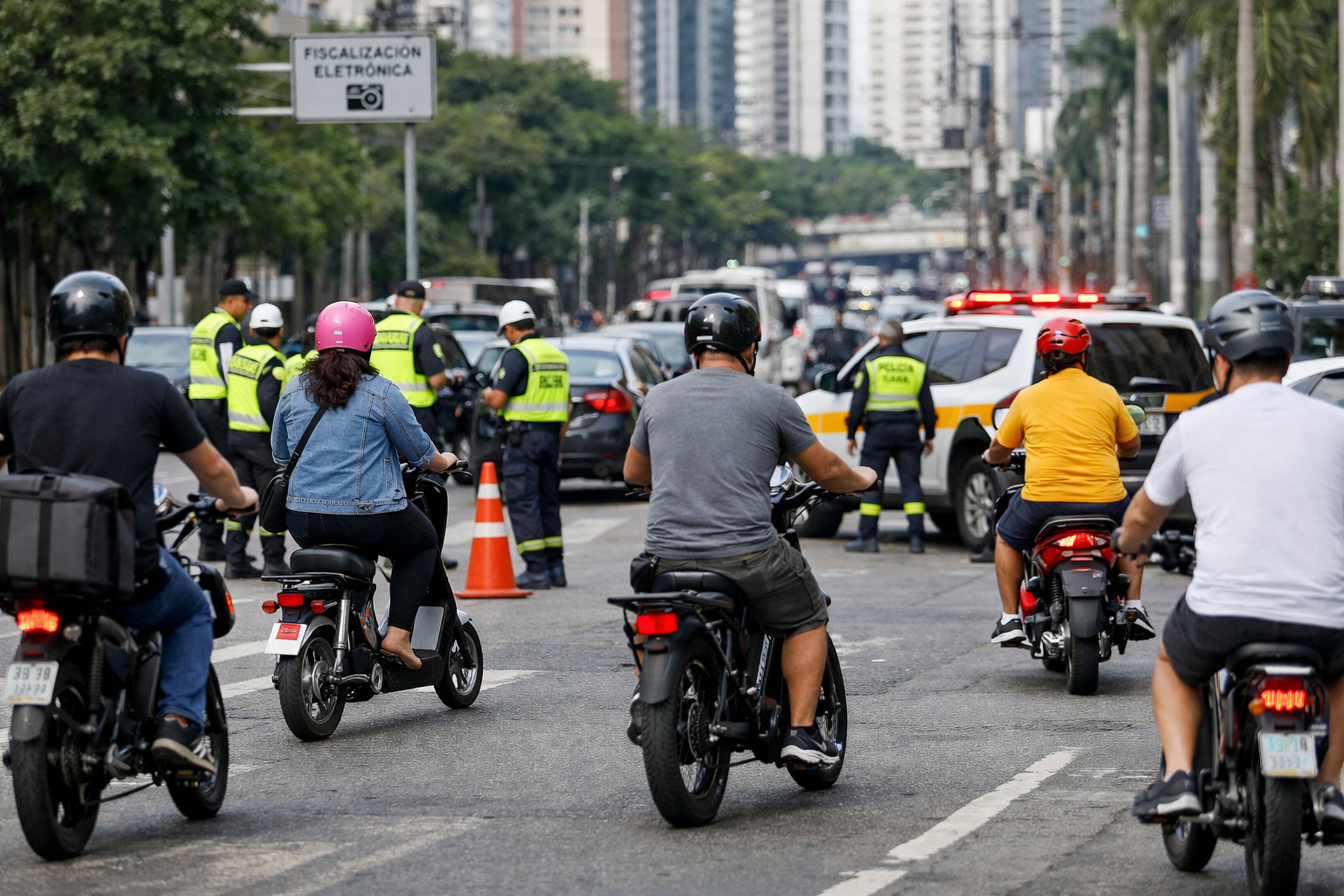
Resolution of Contran Redefines Limits, Imposes Unprecedented Requirements and Changes the Routine of Those Who Use Electric Bicycles, Mopeds, and Self-Propelled Vehicles Amid the Accelerated Growth of These Vehicles in Urban Traffic

Urban mobility in Brazil is undergoing a silent yet accelerated transformation. With the new resolution of the National Traffic Council (Contran) coming into effect, electric bicycles, mopeds, and self-propelled vehicles have officially entered the radar of supervision. This change marks a new chapter for those who have adopted these means as practical, economical, and sustainable alternatives.
The information was released based on the resolution published by Contran in 2023, which will fully take effect starting January 1, 2026, after a period of adaptation. According to data from the Detran of Rio de Janeiro, the number of registered mopeds in the state has grown 11% in the last five years, currently reaching about 48,500 vehicles in circulation.
This advancement reveals a clear shift in population behavior, seeking more autonomy, lower costs, and less environmental impact in their daily lives.
-
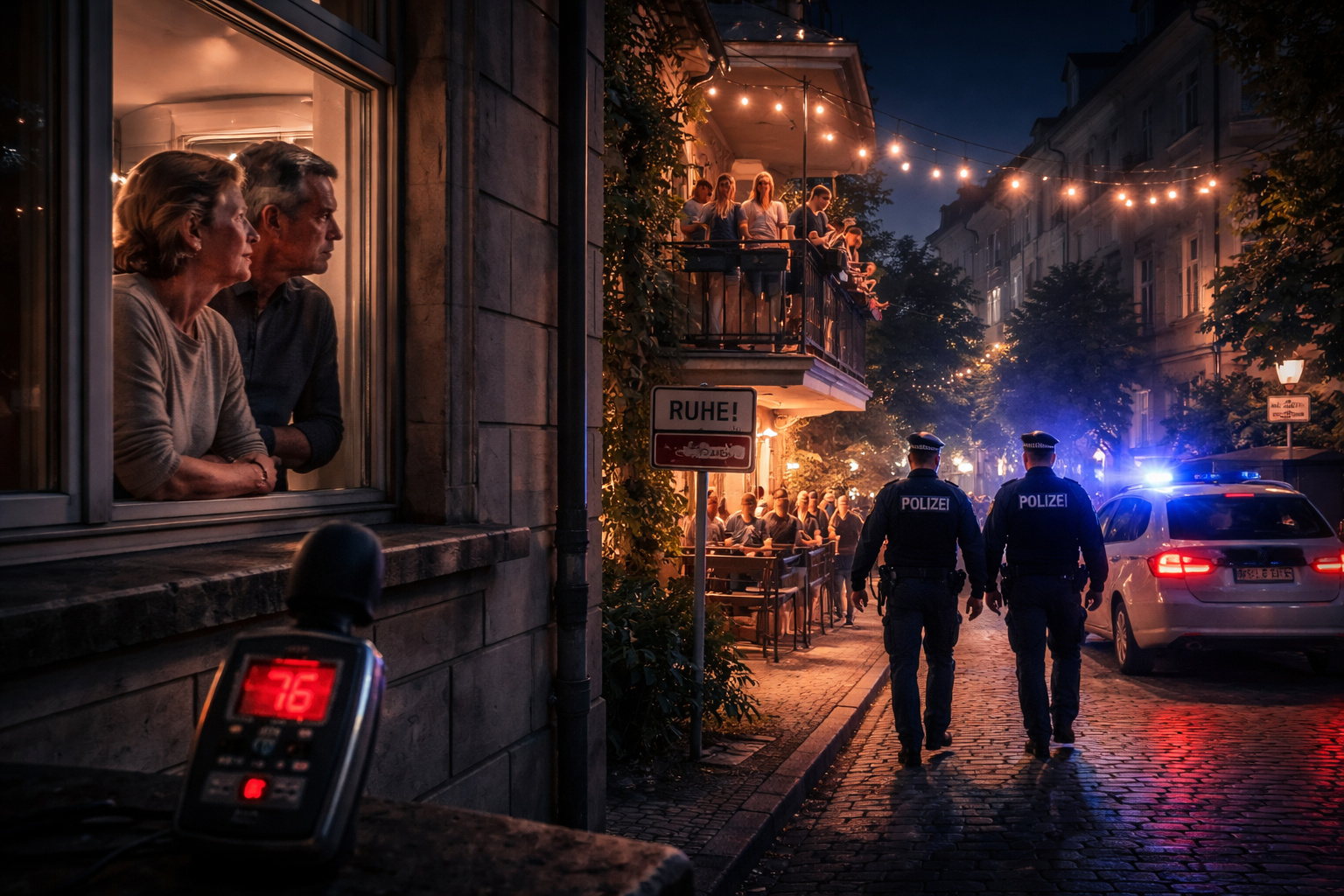
The noise law will no longer be in effect at 10 PM starting in June with a new rule valid during the 2026 World Cup.
-
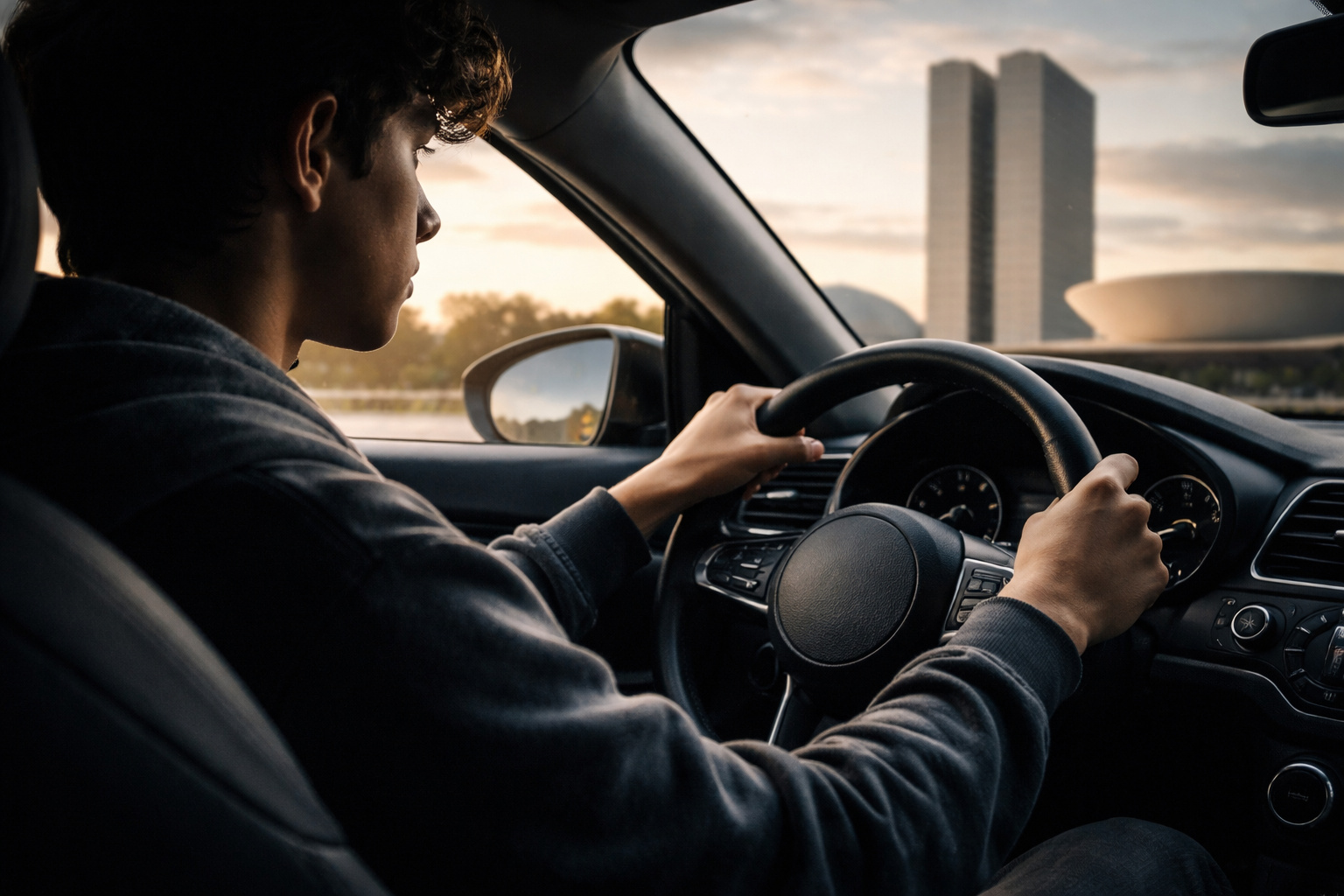
The Chamber opens a debate on driver’s licenses at 16 years old as part of a reform that includes around 270 proposals to change the Brazilian Traffic Code and may redesign rules for licensing, enforcement, and circulation in the country.
-
The new Civil Code could revolutionize marriages in Brazil with “express divorce” and changes that could exclude spouses from inheritance.

-
Banco do Brasil sues famous influencer for million-dollar debt and intensifies debate on delinquency, risks of seizure, and direct impact on Gkay’s credibility.


Growth of Electric Vehicles Changes Traffic and Demands New Rules
Sights of electric bicycles and mopeds have become common on short and long routes in Brazilian cities. In Rio de Janeiro, this trend has intensified in recent years. More and more people are choosing electric vehicles with two or three wheels to escape heavy traffic and reduce expenses.
Thiago, a user of a self-propelled vehicle, explains his choice. According to him, the goal involves autonomy, savings, and environmental concern. Additionally, he emphasizes the attempt to balance logistics, traffic flow, and quality of life, both personally and collectively.
However, despite the similar appearance among some models, technical differences are decisive. Self-propelled vehicles, for example, have a maximum speed of 32 km/h, power of up to 1,000 W, a maximum width of 70 cm, and a wheelbase of up to 1.30 m. These vehicles can have two or three wheels.
In contrast, mopeds exceed 1,000 W, reaching up to 4,000 W, and achieve speeds above 32 km/h, with a limit of up to 50 km/h. This distinction completely alters the legal requirements and the areas where each vehicle is allowed to circulate.
What Changes with the Contran Resolution Starting in 2026

The new resolution brought profound changes, especially for mopeds. Starting in 2026, all must be registered, and the driver will need to have Class A driver’s license or ACC (Authorization to Drive Moped). Furthermore, the use of helmets will become mandatory, as well as timely licensing with Detran.
On the other hand, electric bicycles and self-propelled vehicles will continue under more flexible rules. They do not require registration or licensing and can circulate on bike lanes and sidewalks, which is prohibited for mopeds due to their higher speed.
Additionally, enforcement will become more rigorous. Alterations to the original characteristics of the vehicle, such as removal of mirrors, excess passengers, or disregard for speed limits, may result in fines, vehicle seizure, suspension of the driver’s license, revocation of license, and even civil liability in case of accidents.
Accidents Increase and Cities Need to Adapt
With the popularization of these means of transportation, accident numbers have also risen. According to the Fire Department, incidents involving bicycles and electric motorcycles jumped from 143 to 272, nearly doubling in one year.
Meanwhile, for conventional motorcycles, the Rio city hall created motorbike lanes, like on Avenida Rei Pelé. This measure reduced accidents and is part of a larger plan. By 2028, the goal is to implement 300 km of exclusive corridors, including routes such as Avenida das Américas, Borges de Medeiros, and Epitácio Pessoa.
Traffic law experts argue that the increasing circulation of mopeds and electric vehicles demands similar solutions. International experiences support this argument. In countries like China and India, the explosion of these vehicles has led to the creation of exclusive lanes, as well as bike paths.
According to specialized lawyers, the major challenge now is to educate users and ensure effective enforcement. The Municipal Guard stated in a note that it will continue to guide the population and that, in cases of disobedience, drivers may be referred to the police station.
With stricter rules and more intense enforcement, do you believe that Brazilian cities are truly prepared to coexist with the accelerated growth of electric bikes and mopeds?










-

-

3 pessoas reagiram a isso.