





 Portuguese
  English
  Spanish
  3 min of reading
  0 comments


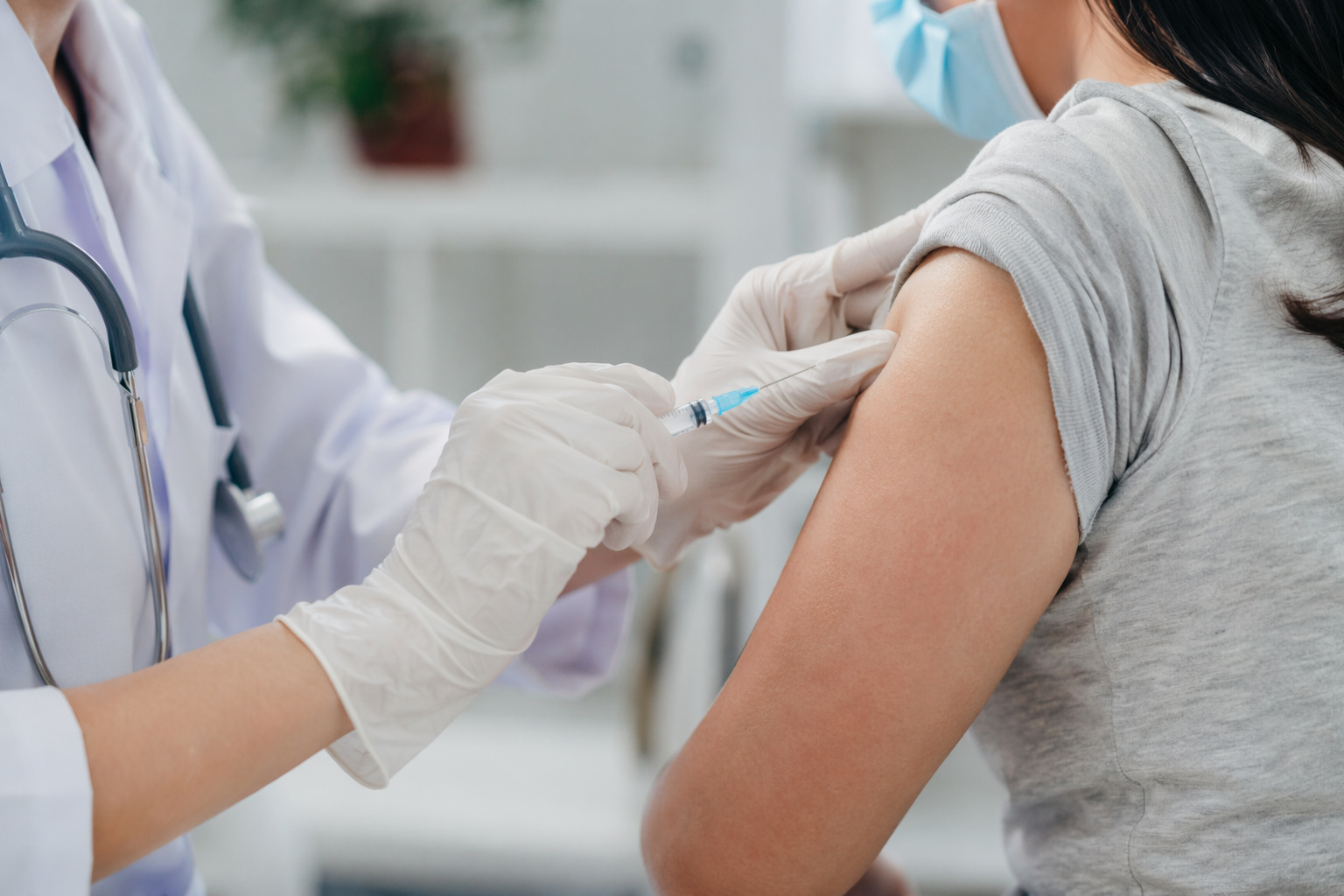
Measure establishes guidelines for vaccination and exams, impacting public health, disease prevention, and organization of the public system
A proposal with a strong impact on public health gained prominence in Brazil in April 2026, mobilizing authorities, specialists, and the population across the national territory.
The initiative addresses the mandatory vaccination and the performance of exams, reinforcing strategies for prevention and sanitary control.
The topic gained visibility after its disclosure, placing it at the center of public debate.
The proposal aims to expand collective protection and ensure greater control over preventable diseases.
The objective is to structure stricter protocols and increase the efficiency of preventive actions adopted in the country.
The movement highlights an attempt to align Brazil with sanitary practices already consolidated in other international scenarios.
Rules establish new criteria for vaccination and exams
The proposal determines that vaccination and exams will now follow more defined criteria, thus creating a more standardized structure.
Additionally, the rules seek to ensure that the population is protected against diseases with the potential for dissemination.
-
In Portugal, a boss who sends messages outside of working hours may violate the law, as the country has turned digital rest into a legal obligation and prohibited professional contact outside of working hours.

-
77.2% of Brazilians support lowering the age of criminal responsibility and reinforce pressure for changes in criminal legislation in the country, a national survey indicates.

-
The law that many elderly people are still unaware of protects those aged 60 and over against abusive charges from banks, guarantees debt renegotiation, and prevents loans and credit cards from consuming their entire retirement pension.

-
Portugal approves Nationality Law: Brazilians from CPLP will have to live for 7 years to obtain citizenship (waiting for title does not count), rules tighten for children born in the country, Sephardim are excluded, and it awaits a decision from President António José Seguro.

Among the main points, the following stand out:
- Mandatory vaccination in certain contexts
- Requirement for specific exams for sanitary control
- Standardization of public health protocols
Thus, the central objective is to enhance prevention while simultaneously reducing risks to the community.
Measure reinforces prevention and sanitary control
The proposal places prevention as a priority within public health policies.
Vaccination is treated as an essential tool to prevent outbreaks and protect the population.
The performance of exams gains a strategic role by allowing for the early identification of risks.
This process contributes to quicker and more effective decisions by health authorities.
The strengthening of sanitary control enhances the public system’s capacity to respond to potential threats to collective health.
Direct impacts on the population and the health system
The new measure directly impacts the routine of the Brazilian population.
The implementation may require citizens to meet new obligations related to preventive health.
The health system will also need to adapt to meet new demands.
Structural and operational changes will be necessary to ensure compliance with the established rules.
The proposal seeks to balance collective protection and organization of care, strengthening public policies aimed at health.
Debate on mandatory requirements and individual rights
The initiative also raises relevant discussions in the national scenario.
Experts argue that the mandate is necessary to ensure sanitary security.
At the same time, questions arise about the limits between public policies and individual rights.
The balance between these factors becomes central in the analysis of the proposal.
The measure reinforces that collective health depends on coordinated actions and, in certain cases, stricter rules.
Current context strengthens prevention policies
Brazil seeks to strengthen prevention strategies in light of recent challenges in health.
The proposal emerges as a response to this scenario and expands the focus on controlling preventable diseases.
The measure follows a trend of reinforcing sanitary actions.
The goal is to reduce risks and improve health indicators at the national level.
The movement demonstrates an attempt to modernize the system and make it more efficient.
Perspectives for implementation of the new rules
The implementation of the new guidelines should occur gradually.
Thus, responsible agencies will be able to adapt procedures and ensure that the rules are followed.
Additionally, informative campaigns should be used to guide the population.
In this way, the goal is to facilitate adherence and avoid resistance to the new requirements.
Still, the success of the measure will depend on the capacity for coordination between government, health professionals, and society.










Seja o primeiro a reagir!