





 English
  Francês
  Alemão
  Italiano
  Japonês
  Norueguês
  Portuguese
  Spanish
  5 min of reading


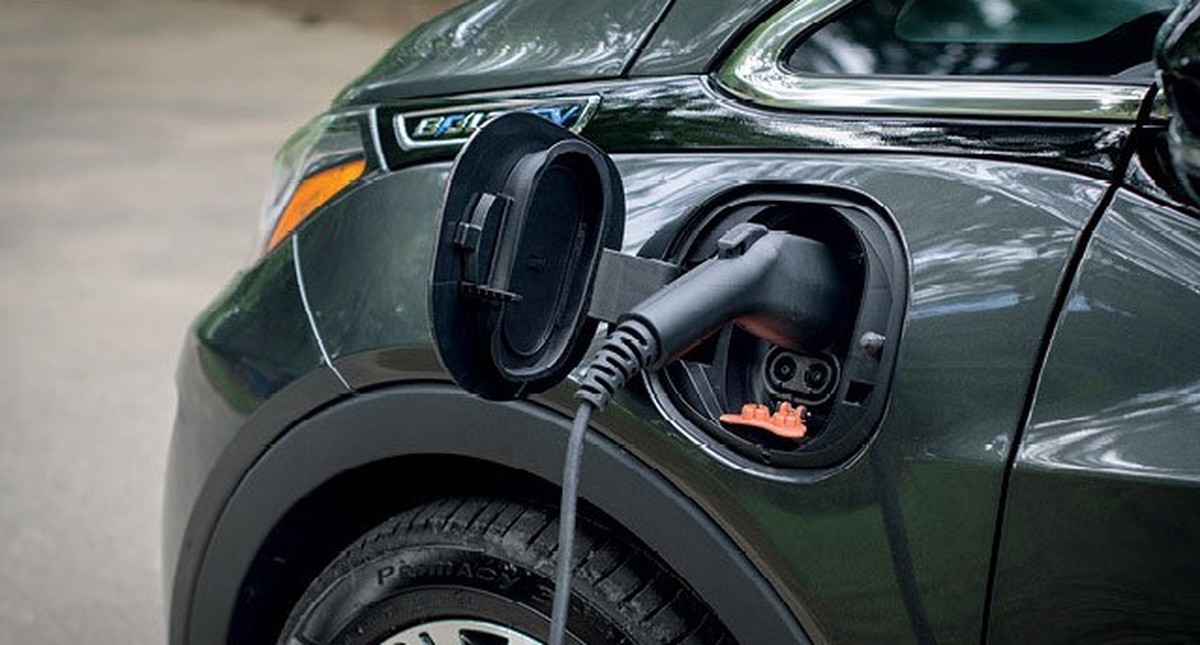
The Application of Niobium in Electric Vehicles Should Help Boost the Market in Brazil, with Fast-Charging Batteries, Along with the Lightness and Strength of Vehicles
The application of Niobium in vehicles results in several benefits for the strength and lightness of automobiles. This metal is actually found in various sectors of the industry. And Brazil dominates about 90% of the market.
Its applications promote important results in the properties of metal alloys, increasing the mechanical strength of products in the automotive industry. When it comes to electric vehicles, the application of Niobium is very favorable. Understand:
The Electric Vehicle Market is Growing, and Niobium Can Further Assist in this Ascent
The electrified vehicle market in Brazil registered a new record: 3,102 units sold by May 2021, according to the Brazilian Association of Electric Vehicles (ABVE). In total, there are already 52,661 electric vehicles operating in Brazilian territory.
-
Chinese giant worth nearly R$ 4 billion that manufactures cables for electric cars, solar energy, and robotics wants to open a factory in SC.

-
Many employers do not know, but the law guarantees domestic workers a 25% increase in salary during trips, 50% for overtime, 20% for night shifts, and 17 additional benefits that can lead to labor lawsuits if not paid.

-
Gasoline prices soar and the question arises: is ethanol more advantageous? The 70% rule reveals the limit with gasoline.
-
The government has made a decision and is starting a test with more ethanol in gasoline, anticipating a mixture of up to 35%, diesel with 25% biodiesel, and a study to assess the impacts on engines.
ABVE expects that this year the number of registered electric and hybrid vehicles in Brazil will exceed 28,000. An increase of 42% compared to 2020.
However, according to experts, what prevents many people from acquiring a non-polluting vehicle, aside from the cost, is the lack of infrastructure for fast charging. In fact, companies are already working towards this improvement. This is where Niobium comes in.
Niobium for Fast Charging of Electric Vehicle Batteries
The incorporation of Niobium oxide into the anode of lithium batteries results in safety potential, durability, and ultra-fast charging capacity in less than 10 minutes, without loss of the life cycle.
Electric vehicle batteries with Niobium oxide, in a mid-sized car, can reach driving ranges of approximately 350 km, and with less than 10 minutes of charging, the car will again have another 350 km of range.
This high charging capability via Niobium in electric vehicles also reflects in the power system of the car, which can achieve much higher acceleration levels in a short time without reducing battery life.
Another extremely positive characteristic of this technology is the high capacity to receive charge from the car’s braking systems, making it a very competitive solution for hybrid cars due to its potential to reduce fuel consumption.
Read More:
Brazil Will Be the Protagonist of the Niobium Revolution in the World, the Essential Metal for the Steel Industry, Electric Cars, Infrastructure, Technology, and Health
Brazil Exports Niobium Oxide Used in Batteries
The CBMM company is at the forefront of the first electric batteries with Niobium on the market. Niobium oxide is exported, which is applied in batteries for bicycles, scooters, and tricycles, sold to Asian countries. These products result in more stability, safety (considerably reduces the risk of explosion), and longer lifespan.
CBMM has over 40 projects underway with universities, startups, and research centers around the world that aim for new technologies with Niobium for electric batteries (in the cathode and anode), each with specific characteristics.
For ultra-fast charging batteries (Niobium oxide application in the anode of electric batteries), CBMM has a partnership with Toshiba.
The companies have been working on this development since 2008, and these products are expected to be available on the market in 2023.
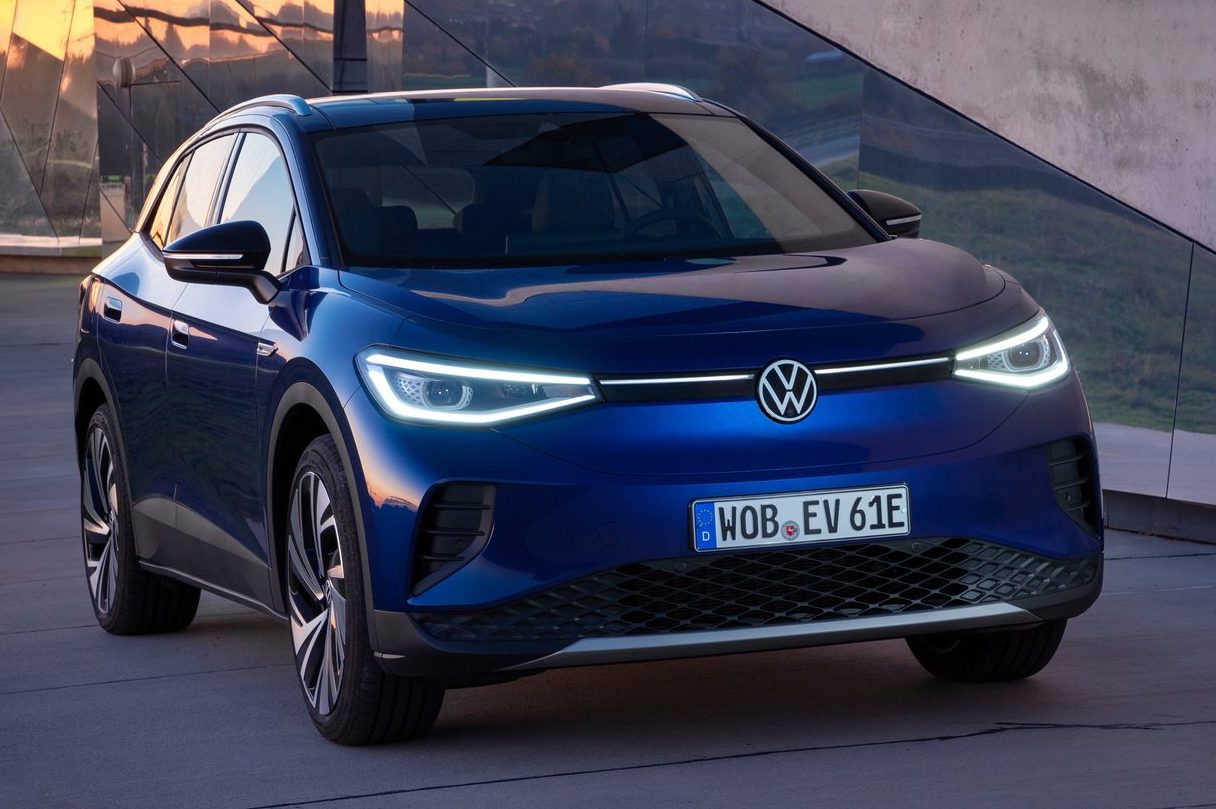
Niobium Makes Electric Vehicles Lighter and Stronger
The application of Niobium guarantees more strength and toughness to steel. Thus, they allow the use of less material without compromising strength and increasing the safety of vehicle structures. Cars become lighter, providing less effort on the engine, being more efficient and economical (lower fuel consumption).
UTV LINE EXO Nb: CBMM and Giaffone Racing, specializing in the production of competition cars and engines, launched the first UTVs produced in Brazil with Niobium technology in May of this year.
The cars, used in off-road competitions, have ultra-resistant structures and are up to 10% lighter than competitors, thanks to the adoption of materials that include Niobium in their compositions.
Thus, in addition to achieving higher speeds in less time, UTVs also show gains in strength and operational costs. Resulting in fuel savings and a longer lifespan for components.
In addition to the ethanol engine version, the EXO Nb line also includes a hybrid version (ethanol and electric), the EXO Nb-Hybrid, which will be the main technological attraction of the Sertões 2021, the largest rally in the Americas (August 12-22) from Pipa beach, in Rio Grande do Norte.
How the Largest Niobium Company in Brazil Has Been Involved in the Electric Vehicle Market
CBMM establishes itself as an important player in the mobility sector by offering products with advanced Niobium technologies in partnership with various companies. Applications are in bodywork, chassis, brake discs, and batteries.
In May 2021, the company established a partnership with ArcelorMittal, one of the largest steel producers in the country, Stellantis, formerly Fiat Chrysler Automobiles (FCA), and the SENAI/FIEMG Technological Innovation Center (CIT) to develop advanced technologies for the automotive industry.
With a total investment of R$ 1.2 million, the project will last for two years and aims to use microalloyed steel with Niobium in the structural components of all types of vehicles, with the objective of obtaining safer cars. And with better performance.
Researchers at the SENAI Institute of Innovation in Metallurgy and Special Alloys will be responsible for leading the development of a new type of steel, lighter and stronger, for use in cars manufactured in Brazil.
CBMM will provide technological support, focusing on Niobium applications that ensure greater flexibility, strength, and toughness of steel. ArcelorMittal will be the company that will produce and supply this material to automotive industries.
And Stellantis will apply the steel in the production line of its vehicles, establishing strict quality criteria.










Seja o primeiro a reagir!