Portuguese
  Spanish


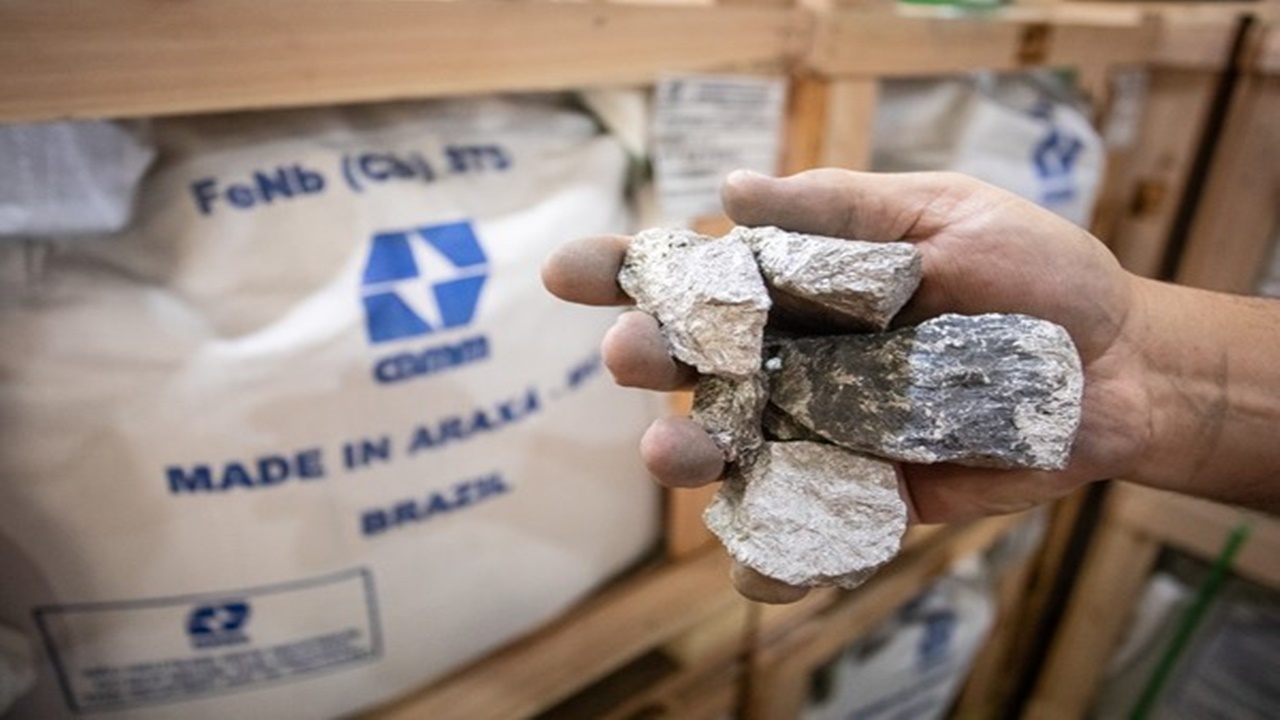

The Partnership Between Global Niobium Producer CBMM and Canadian Multinational Nano One Materials Corporation Will Make Lithium-Ion Batteries More Stable and Safe for Electric Cars
The world leader in niobium production and commercialization, CBMM, has entered into a major international partnership in the battery segment with Canadian multinational Nano One Materials Corporation. Aiming for commercialization in the electric vehicle market, the new partnership is to develop an innovative process that reduces costs and improves the performance of cathodes used in lithium-ion batteries, which is significantly superior to conventional technology.
Also Read
- Discovering the Third Largest Niobium Deposit in the World
- Niobium in the Fight Against Coronavirus: Brazilian Researchers from UFMG Claim the Metal Deactivates the Virus
- Venezuela Wants to Sell Niobium to Russia and the Brazilian Government Takes Notice
- Record Niobium Production Positions Brazil as a Global Leader in This Type of Exploration
- Orthopedic Prosthetics Made with Niobium in Brazil Are a Success
To achieve this “feat,” the multinationals will use Niobium Oxide in this process, referred to as the “One-Pot Process.”
Lithium-Ion Batteries Will Be More Stable and Safe for Electric Cars
According to the Brazilian Company for Metallurgy and Mining, the new technology brings a significant reduction in costs during the production stages of high-energy cathodes, in addition to increasing stability for prolonged charge and discharge cycles, thus ensuring greater battery lifespan. “With the support of CBMM, we will refine our process for producing niobium-coated nickel-rich cathode materials, which will allow us to meet demands such as those from the electric vehicle market,” says Nano One’s Technical Director, Stephen Campbell.
-
Giant 3,600-ton Crane Breaks Two World Records by Installing World’s Largest Single-Piece Forged and Welded Hydrogenation Reactor, Weighing 3,037 Tons, in Chinese Petrochemical Plant in Just Six Days

-
$80 Million Bridge in Brazil Cuts Travel Time from 30 Minutes to 1 Minute, but Audit Reveals Major Flaws
-
Man Builds Stone Bed with Granite Rocks and Hand-Sawn Cedar Beams, Home Extension Garners Over 437,000 Views on Bonus Bolts Channel

-
British Factory Transitions from Mechanical Parts to Producing 420,000 Electric Power Units Annually, Supplying 70% of Ford’s Electric Cars Sold in Europe




The use of niobium protects the cathode, preventing reactions that can cause rapid degradation in these high-performance batteries, making the metal a key element for advancing lithium-ion battery components. “We are focused on elevating the prominence of niobium in lithium-ion batteries and fostering a collaborative and lasting working relationship with Nano One, which will certainly yield important results for this market,” emphasizes Rogério Ribas, Head of Batteries at CBMM.
CBMM Partners with SENAI and Opens Pilot Plant for Lithium-Ion Batteries and Supercapacitors Using Niobium and Nanotechnology
The development of technologies utilizing niobium, led by CBMM, is the result of substantial investments. Every year, the company invests about R$ 200 million in its Technology Program, aimed at developing innovative solutions and projects to diversify its market operations. For this new battery project with the Canadian company, an investment of R$ 60 million will be made.
In April, a partnership between SENAI and CBMM enabled the inauguration of a pilot plant for lithium-ion batteries and supercapacitors, located at the SENAI Institute of Innovation in Electrochemistry in Curitiba (PR). The idea is to foster the national ecosystem for battery and supercapacitor production. The technology combines the potential of niobium with the use of nanotechnology for developing safer lithium-ion batteries, featuring faster recharging and greater stability.
And CBMM’s technological revolution goals do not stop there. The company has an extensive list of partnerships with leading universities around the world and continues to look out for investment opportunities in startups that can enhance innovations involving niobium.